






Vintage Satin Birch Tables
Vintage satin birch tables bring a shimmering, pale timber warmth into a room through desks, bedside cabinets, and occasional tables dating from the nineteenth and early twentieth centuries.
Vintage Satin Birch Tables
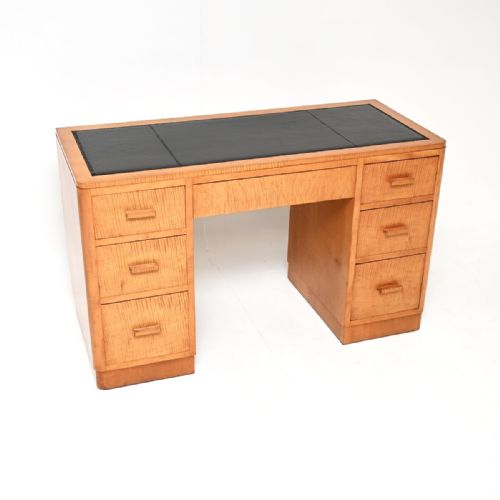
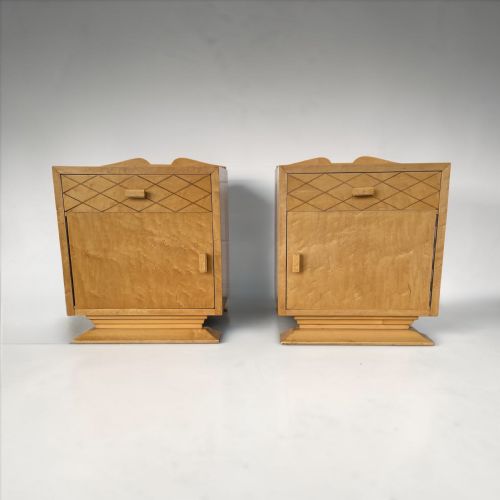
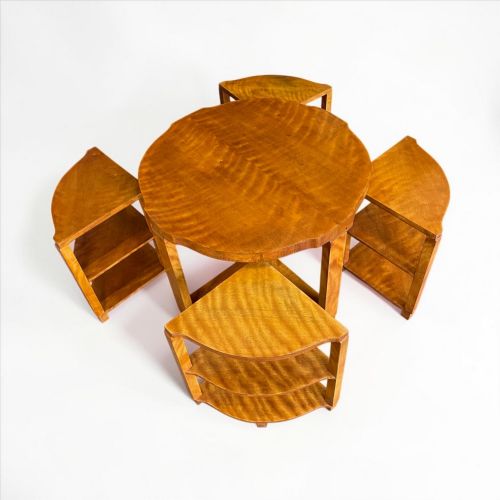
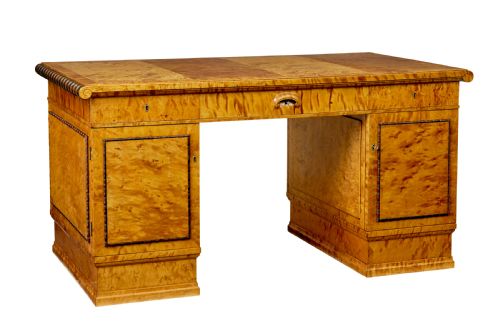
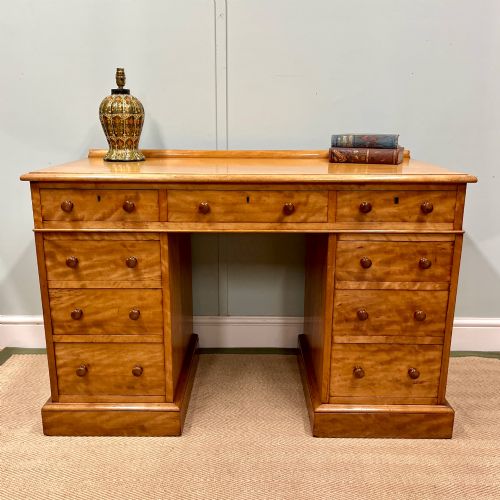
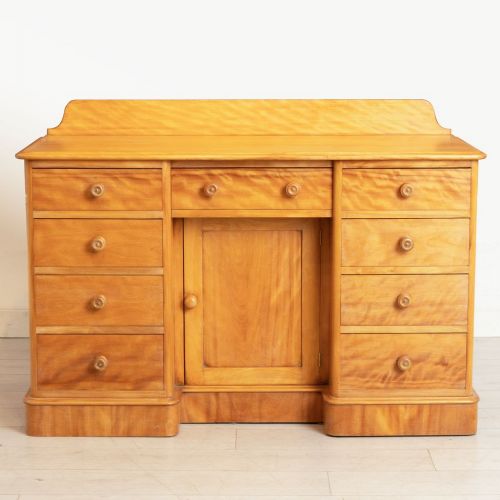
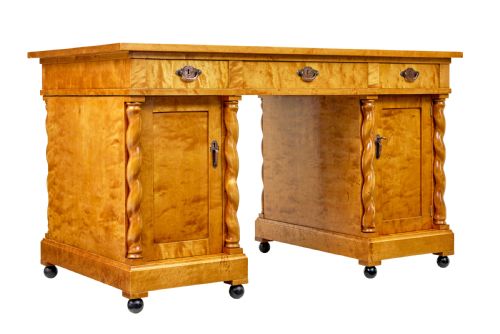
When you search for vintage satin birch tables, you encounter a refined group of furniture fashioned from pale, highly figured wood across the nineteenth and early twentieth centuries. These pieces encompass writing desks, pedestal desks, bedside tables, nests of tables, coffee tables, games tables, and breakfast tables.
The selections span distinct stylistic movements, most notably Victorian and Art Deco, alongside Swedish Biedermeier, Scandinavian Art Deco, Swedish Empire Revival, Scandinavian Classicism, Swedish Grace, and Rococo Revival. British examples sit alongside notable Scandinavian pieces, particularly from Swedish makers.
Desks and bedside tables dominate the forms available, often featuring finely figured timber veneers or solid construction. Occasional pieces such as nests of five tables and coffee tables represent the later Art Deco eras, while breakfast and games tables capture mid-nineteenth-century social habits.
What varies in quality
The distinction between standard production and exceptional work lies primarily in the selection of the timber figure and the precision of the joinery. Highly figured flame birch veneers display a deeper, more active chatoyancy than plain stock, reflecting greater care by the original cabinetmaker.
Execution of decorative details, such as carved mouldings, inlaid borders, and the integration of secondary materials like brass, leather, or marble, determines the overall refinement of the piece. Attribution to known firms, such as Heal and Son, elevates the standing of an item within its period.
Listings feature items spanning the 19th century, Victorian era, and 1930s, incorporating materials such as satin birch, birch veneer, brass, leather, and marble.
Heal and Son·Honourable Company of Edinburgh Golfers
The Vintage Satin Birch Tables Glossary
- Satin birch
- A light-coloured hardwood timber prized for its lustrous, silky sheen and distinctive grain figure. It was widely used by nineteenth and twentieth-century cabinetmakers for high-end case furniture and desks.
- Flame birch
- A highly decorative cut of birch timber exhibiting a rippled, flame-like grain pattern. This figure is achieved by selecting wood from specific parts of the tree where the grain undulates.
- Pedestal desk
- A large freestanding desk featuring two supporting columns of drawers beneath the main writing surface. These forms often incorporate leather writing inserts and raised panel construction.
- Ebonised wood
- Timber treated with a dark stain or finish to imitate ebony. It is frequently employed in contrast with pale satin birch veneers to accentuate structural lines.
- Specimen marble
- Multi-coloured marble fragments arranged in geometric or pictorial patterns and set into tabletops. This technique appears on Italian and Scandinavian tables from the nineteenth century.
Vintage Satin Birch Tables: Frequently Asked Questions
How do I care for satin birch surfaces?
Keep these pieces away from direct sunlight and excessive heat to prevent the pale timber from darkening or the veneers from drying out. Clean regularly with a soft, dry cloth and avoid silicone-based polishes.
Maintain a stable room humidity to protect the wood and any applied leather or marble inserts. Gentle waxing every few years helps preserve the lustre of the finish.
Are these tables strictly British in origin?
While many examples originate from nineteenth-century British workshops, a significant portion comes from Sweden and the wider Scandinavian region. Swedish cabinetmakers frequently utilised birch for both classical revival and Art Deco furniture.
Design characteristics often reveal the geographic origin, with Swedish pieces displaying distinct neoclassical or modernist proportions compared to their British counterparts.
What periods do these pieces span?
The selection spans the nineteenth century through the early decades of the twentieth century. Victorian and mid-nineteenth-century examples sit alongside 1920s and 1930s Art Deco designs.
Stylistic markers range from Rococo Revival and Empire Revival to Scandinavian Classicism and Art Deco minimalism.
How are pedestal desks structured?
Pedestal desks consist of a central writing surface supported by two independent banks of drawers or cabinets. This arrangement provides substantial storage while maintaining a formal silhouette suitable for a study.
Many examples feature inset leather skivers on the top surface and drawer arrangements accessed via brass pulls.