
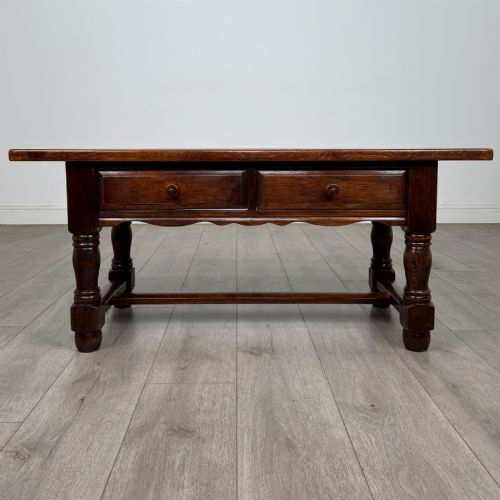
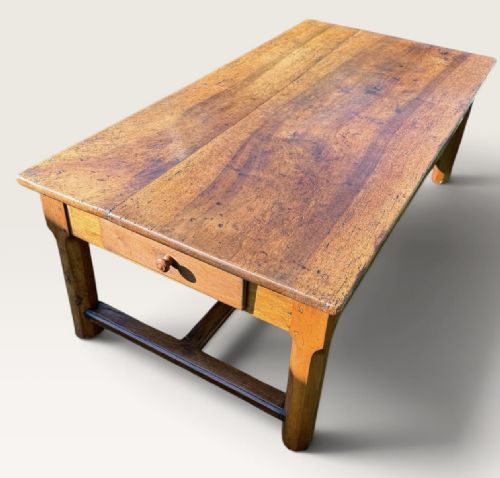
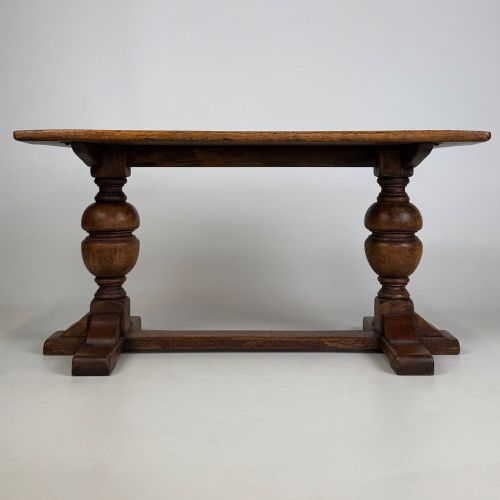
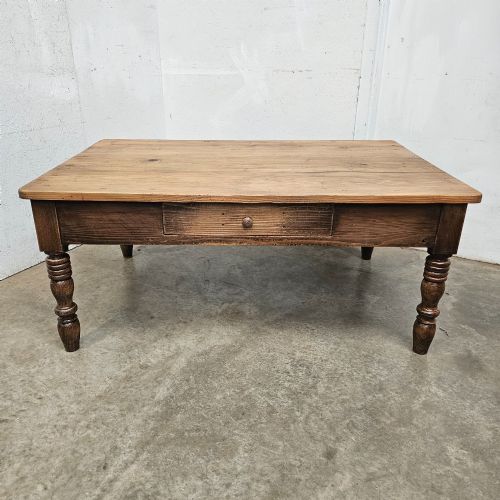
Vintage Rustic Coffee Table
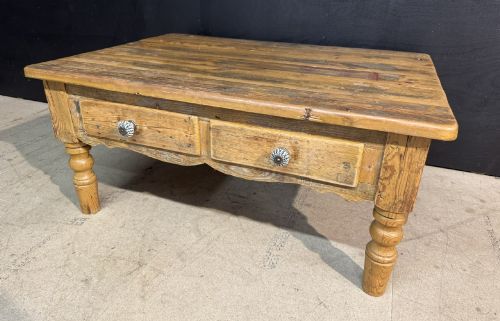
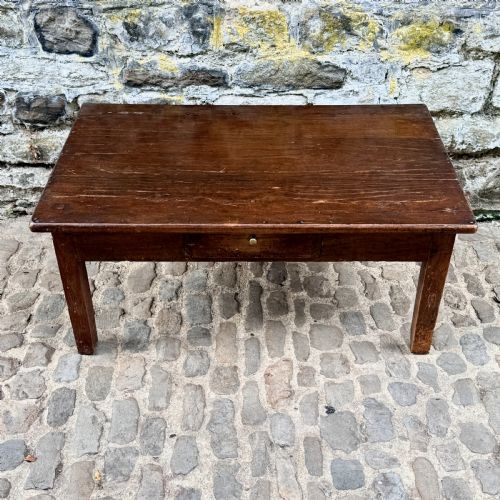
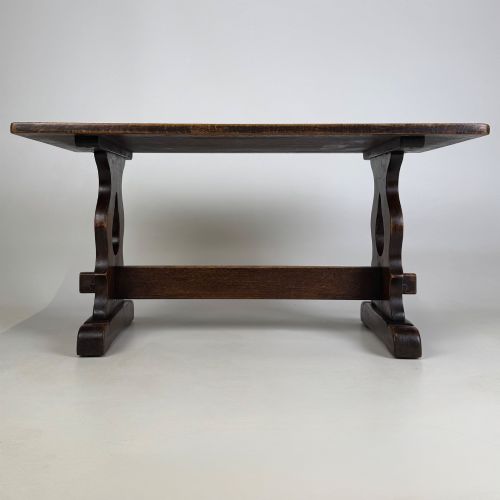
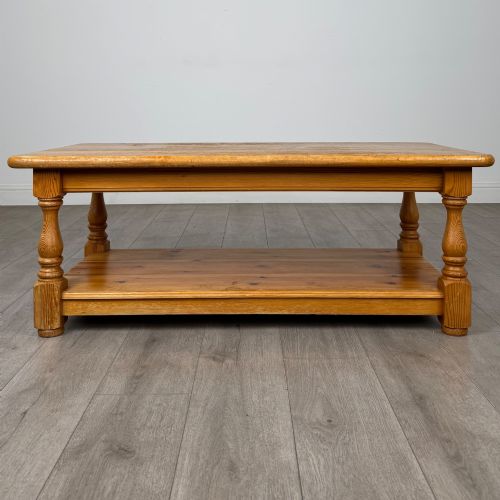
A vintage rustic coffee table brings honest character and practical low-level living to a room.
Vintage Rustic Coffee Table
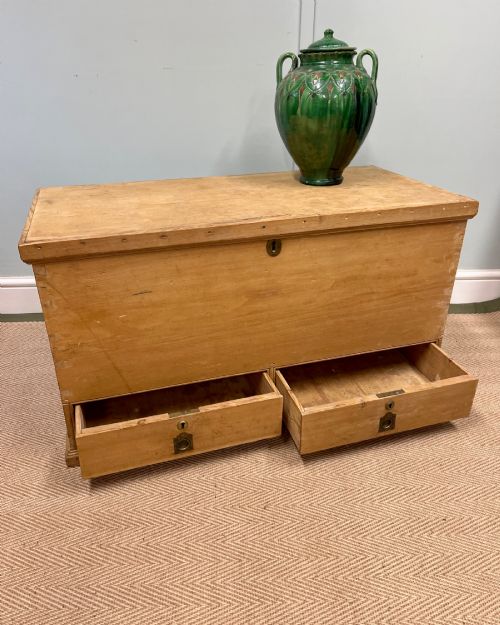
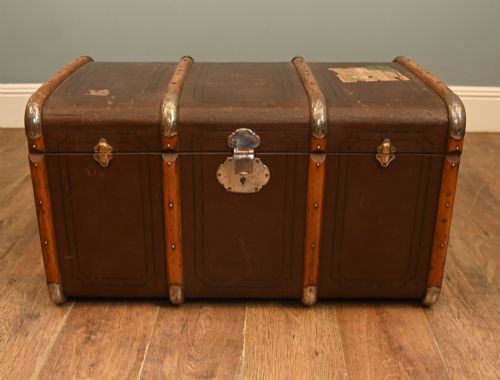
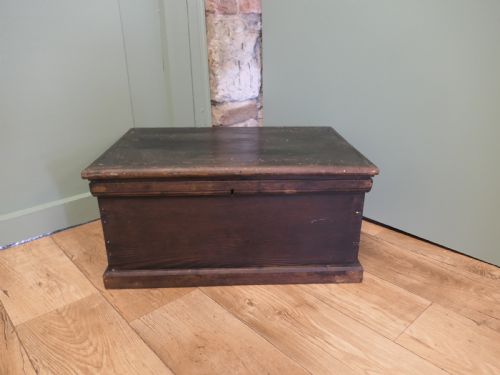
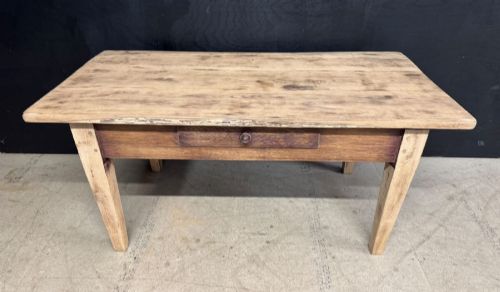
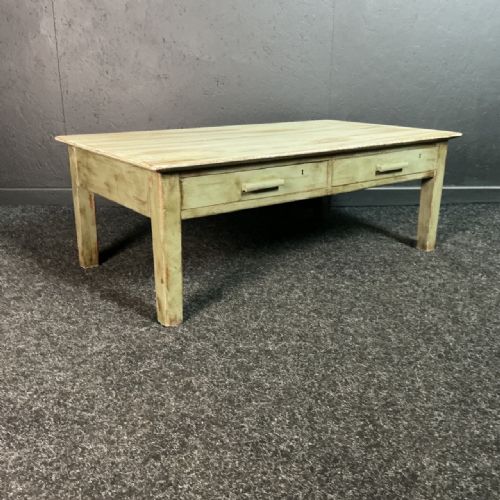
A vintage rustic coffee table spans functional domestic and agricultural forms converted for modern use, including low benches, converted boxes, and low tables. These pieces draw from the nineteenth century and early twentieth century, showing periods such as Victorian, Edwardian, and the broader 19th Century and 1900 markers.
The dominant forms on this page include pine and oak coffee tables, repurposed Hungarian pig benches, painted storage boxes, and low French or Indian tables. Their origins range across English, French, Hungarian, Austrian, Danish, and Northern Indian workshops, reflecting diverse regional domestic traditions.
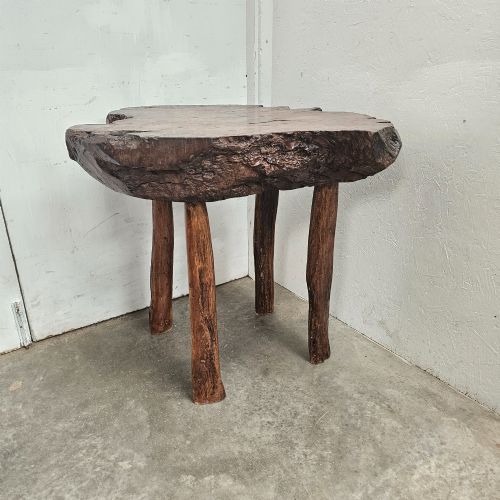
Buyers encounter surfaces that show genuine age, tool marks, and utilitarian pasts rather than pristine factory finishes. The styles encompass rustic farmhouse, French provincial, rustic country, and colonial Indian, offering robust proportions and straightforward construction.
Materials and construction methods
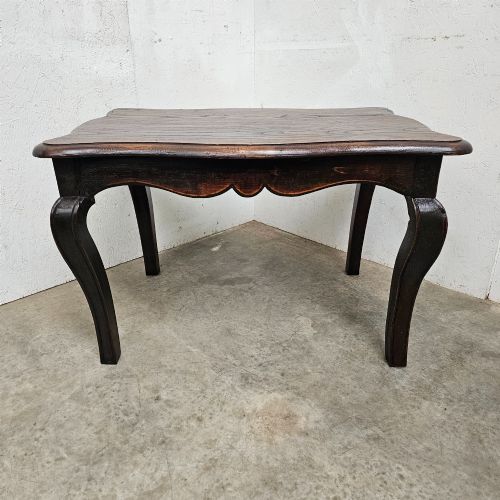
Solid timbers form the backbone of these pieces, relying on oak, pine, elm, chestnut, fruit wood, cherry wood, and hardwood planks. Artisans joined heavy tops to turned legs, trestle bases, or iron supports using traditional pegging and framing techniques suited to daily hard work.
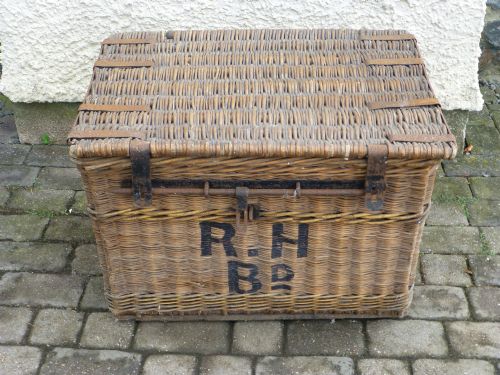
Secondary materials like wrought iron, cane, wicker, and paint appear alongside waxed and scrubbed wooden surfaces. Many items started life as pig benches, cheese press tables, jewellers benches, and travelling trunks before being adapted into low coffee tables.
Listings feature timbers including oak, pine, elm, chestnut, fruit wood, cherry wood, and painted hardwood across the 19th Century, Victorian, and Edwardian periods.
Assessing quality in rustic tables
Quality rests in the integrity of the timber, the honesty of the conversion, and the depth of natural patina accumulated through decades of use. Tables retain original fixings, stable joints, and well-proportioned timber thickness without excessive modern intervention.
Construction details distinguish a superior example, such as hand-turned legs, dovetailed box corners, and substantial plank thickness rather than thin modern boards. The harmony between the original utilitarian purpose and the current low coffee table height defines the success of each piece.
The Vintage Rustic Coffee Table Glossary
- Pig bench
- A low, narrow wooden bench traditionally used in agricultural processing, now valued as a long, slender coffee table. These pieces often display heavy elm or oak tops and sturdy legs.
- Takhat
- A low, heavy wooden Indian platform table featuring low frames and traditional joinery. They provide a solid, grounded surface with distinct regional character.
- Cheese press table
- A heavy utilitarian table originally designed to withstand the immense pressure of cheese-making equipment. Their robust frames translate into exceptionally sturdy low tables.
- Burr
- A tree growth that produces highly figured, swirling wood grain patterns. It is sliced into decorative veneers or used as solid sections for striking tabletop surfaces.
- Patina
- The surface sheen and colour developed over years of handling, waxing, and exposure to light. A good patina cannot be replicated and marks genuine age.
Vintage Rustic Coffee Table: Frequently Asked Questions
How do I clean a rustic wooden table?
Maintain the surface by dusting with a dry cloth and occasionally applying natural beeswax to nourish the dry timber. Avoid harsh chemical cleaners that strip the historic wax and natural patina.
Protect the wood from standing water and excessive heat by using coasters and mats. Gentle care preserves the original surface texture and prevents the grain from cracking.
Are these tables suitable for everyday family use?
These robust tables were built for hard domestic or agricultural labour, making them exceptionally durable for daily living. Solid oak, elm, and pine withstand normal household knocks and heavy items easily.
Their existing dents and marks mean that accidental family use only adds to their historic character. A sturdy wax finish allows minor scuffs to be easily buffed out over time.
How can I tell the period of a rustic table?
Examine the timber preparation, tool marks, and construction fixings to gauge the approximate age of the piece. Hand-sawn boards, handmade nails, and pegged joints usually indicate nineteenth century or earlier origins.
Compare the style markers, such as Victorian proportions or Edwardian turned legs, against known historical forms. Regional variations in French provincial or Hungarian joinery also help narrow down the date.
What is the difference between a pig bench and a standard coffee table?
A pig bench is a narrow, elongated agricultural form repurposed from farming use into a low table. Its unusually long and shallow proportions distinguish it from standard square or rectangular coffee tables.
These benches offer a distinctive narrow footprint that fits well in front of long sofas or narrow sitting rooms. Their utilitarian origins give them a much simpler, heavier timber construction than formal furniture.