





Distressed Oak Table
A distressed oak table brings centuries of character into a room, offering practical surface space paired with wonderfully weather-worn timber surfaces.
Distressed Oak Table
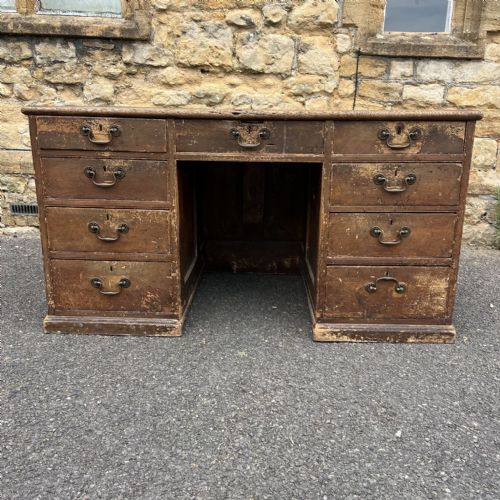
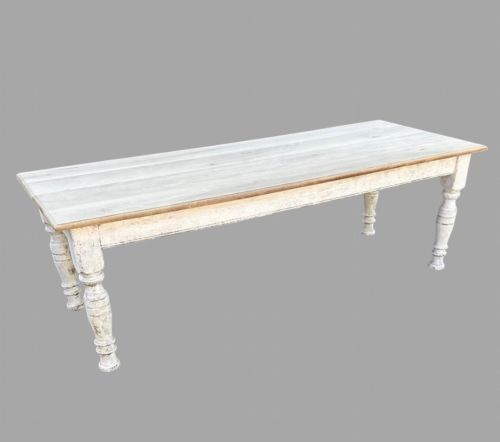
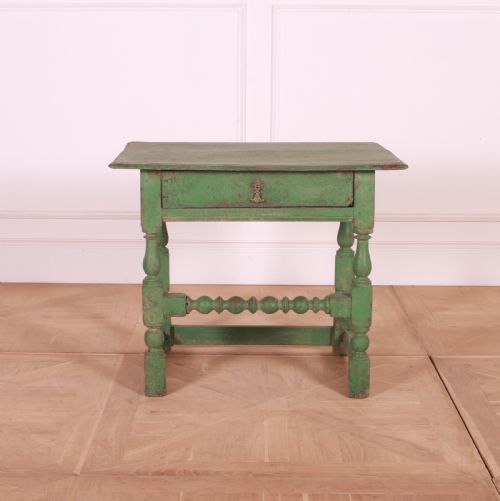
A distressed oak table encompasses various utilitarian and living space forms discovered across diverse historic periods, ranging from 18th century pieces to Edwardian examples. Buyers searching for a distressed oak table often encounter practical household items such as console tables, side tables, coffee tables, desks, and substantial dresser bases.
The selection frequently includes country house styles, rustic farmhouse designs, and provincial variants reflecting English and continental origins. These pieces range from compact lamp tables to large estate desks and Hungarian pig benches.
Surfaces show the natural passage of time, sometimes complemented by historical paint finishes in black or powdery distressed mottled green. The core material remains sturdy oak, often joined by pine, hardwood, iron, and brass details.
Materials and construction methods
Makers utilised solid oak alongside secondary timbers like pine and assorted hardwoods to build sturdy everyday furniture. Construction relied on traditional joinery methods suited to heavy use in farmhouses, country houses, and estate offices.
Surfaces frequently received layers of paint, creating contrasting finishes over the exposed timber grain that weathered naturally through decades of use. Hardware elements such as brass handles and iron fittings completed the functional design of drawers and cabinets.
A six-foot Hungarian pig bench finds new life as a remarkably sturdy coffee table.
Distinguishing quality and character
Quality rests in the integrity of the structural timber and the authenticity of the surface wear accumulated over centuries. Pieces retaining original painted finishes or honest, untouched patination stand apart from later alterations.
Proportion and scale dictate the visual weight of the item within a modern interior, with well-balanced proportions and solid joinery defining the better examples.
The Distressed Oak Table Glossary
- Dresser base
- A low utilitarian storage unit featuring drawers or cupboards beneath a flat surface, historically used in kitchens for food preparation and serving.
- Pig bench
- A long, narrow heavy wooden bench originally utilised for agricultural tasks, now repurposed as a low coffee table or display surface.
- Estate desk
- A large functional writing table or workstation used historically for managing estate records and household accounts.
- Pastry table
- A specialised work table featuring a smooth surface, occasionally finished in marble, designed for food preparation.
- Patina
- The surface sheen and colour depth developed on wood and paint through decades of handling, cleaning, and ageing.
Distressed Oak Table: Frequently Asked Questions
Where should I place a distressed oak table?
These pieces suit living rooms, hallways, and kitchens as coffee tables, console surfaces, or side tables. Their textured surfaces blend naturally into rustic or traditional interiors.
Larger variants like dresser bases or estate desks work well as focal points in dining areas or studies.
How do I care for painted and weathered oak?
Dust surfaces regularly with a soft, dry cloth to prevent dirt accumulation within the grain and carved details. Avoid harsh chemical cleaners that might strip historical paint finishes or dry out the aged timber.
Apply a neutral beeswax sparingly if the bare oak requires nourishment, buffing gently to maintain the natural matte finish.
Are these tables suitable for daily dining?
Sturdy examples like farmhouse tables, kitchen tables, and larger dresser bases provide robust surfaces for daily use. Their existing wear means minor future knocks will only add to their established character.
Smaller lamp tables, side tables, and antique desks are better suited for display and light utilitarian tasks rather than heavy daily dining.
How can I tell an older piece from a newer one?
Examine the timber for traditional construction marks, hand-cut joinery, and natural shrinkage cracks that indicate age. The patination on oak and paint develops over long periods through continuous use and exposure.
Look for period-appropriate hardware such as brass handles and iron fixtures that match the recorded styles of the 18th, 19th, and early 20th centuries.