
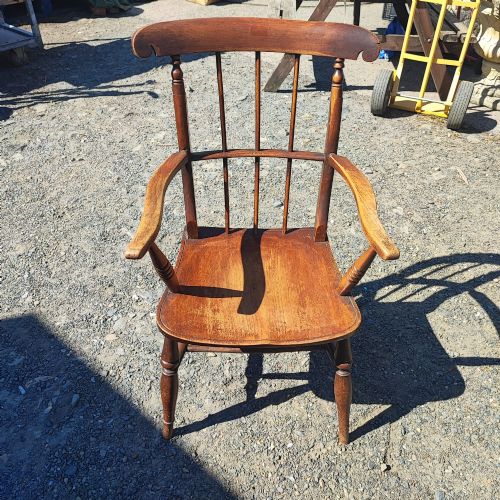
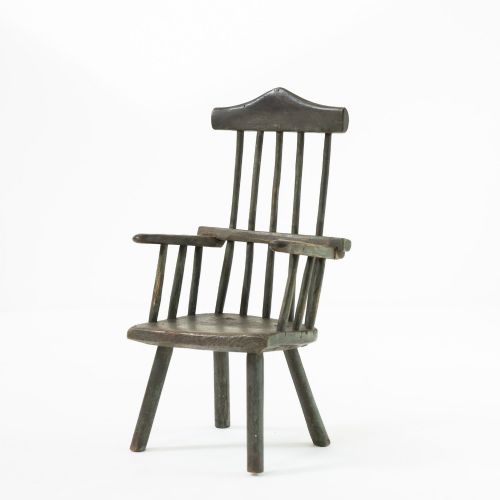
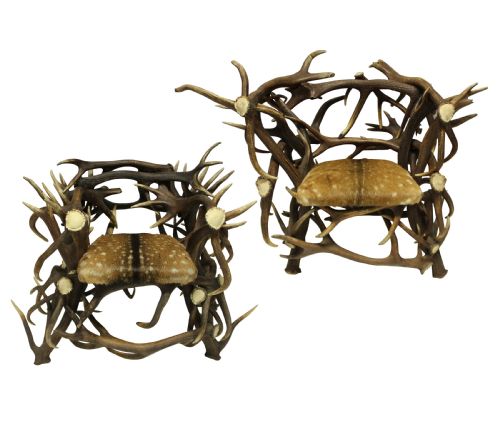
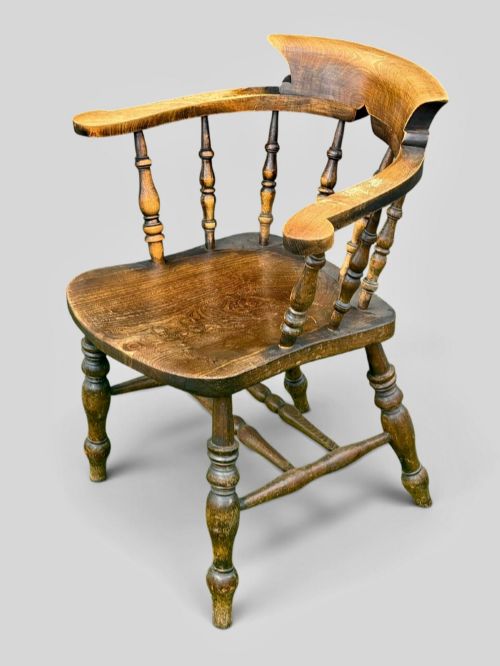
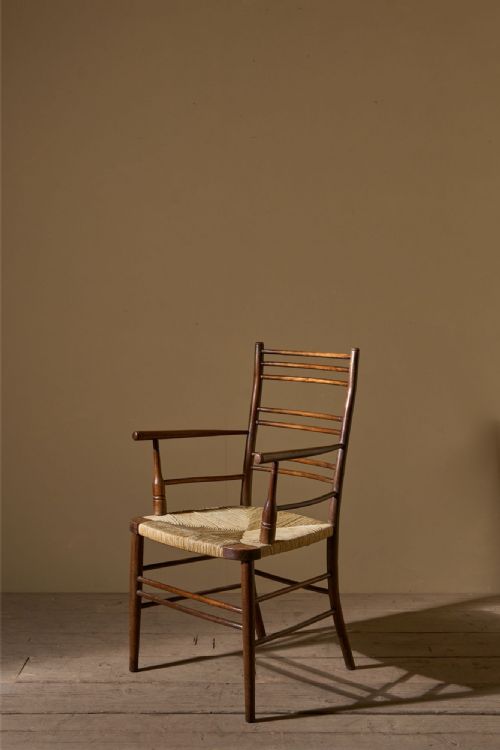
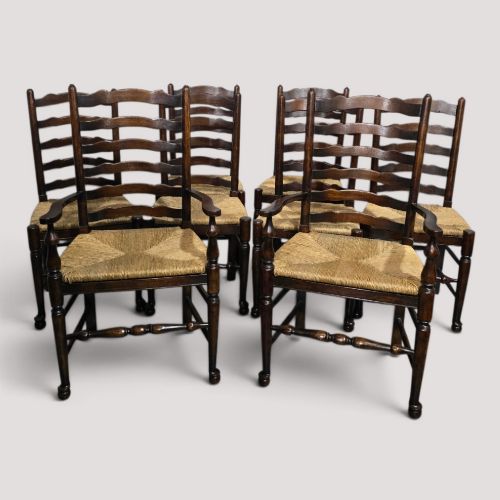
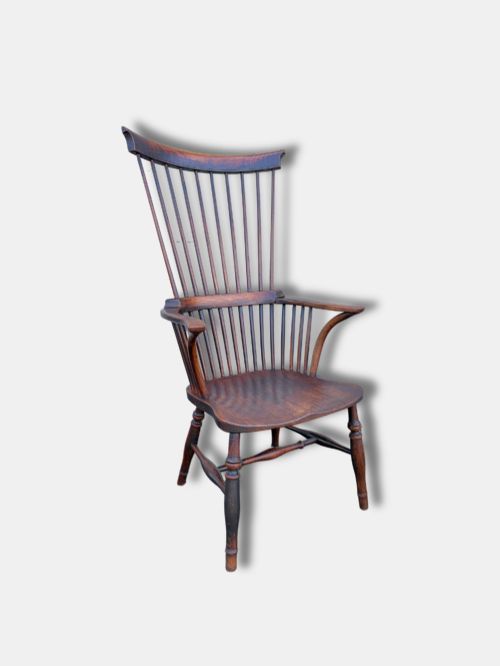
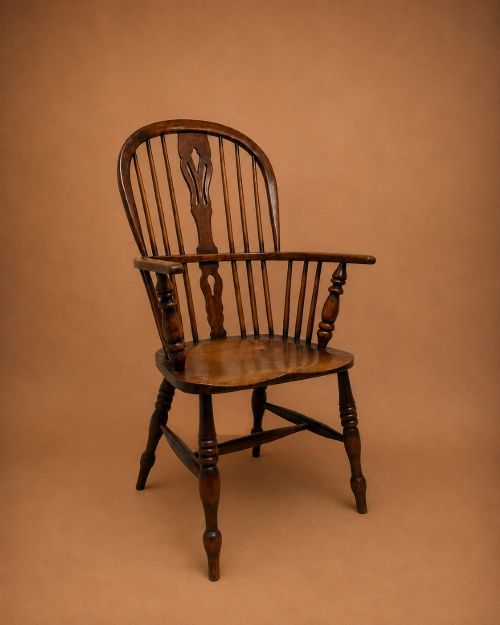
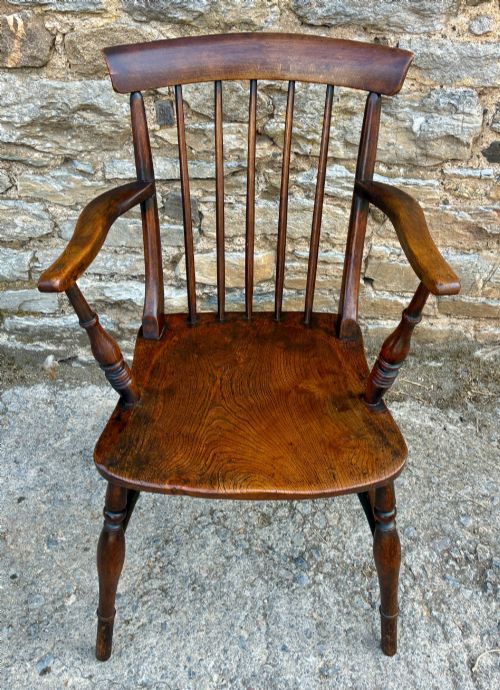
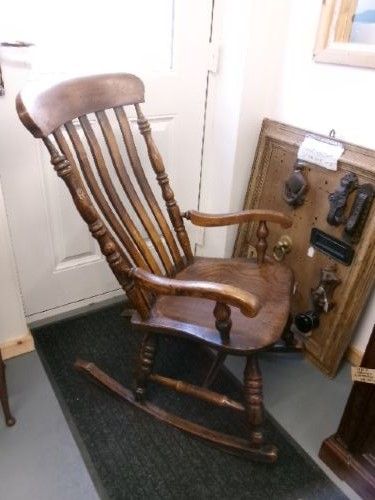
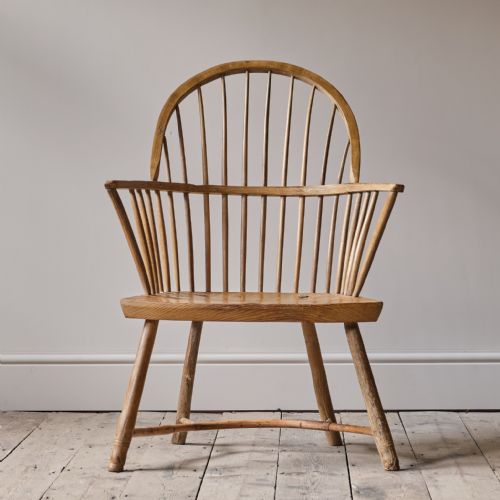
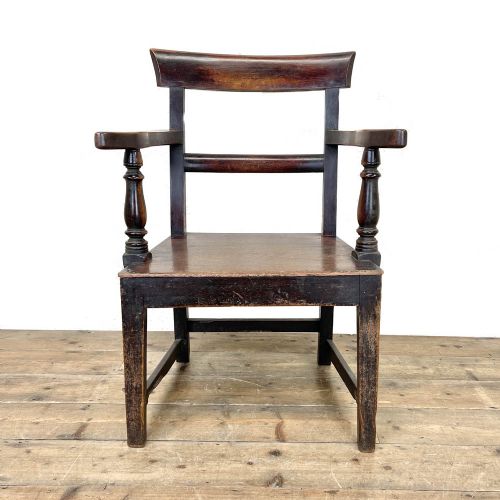
Vintage Rustic Armchair
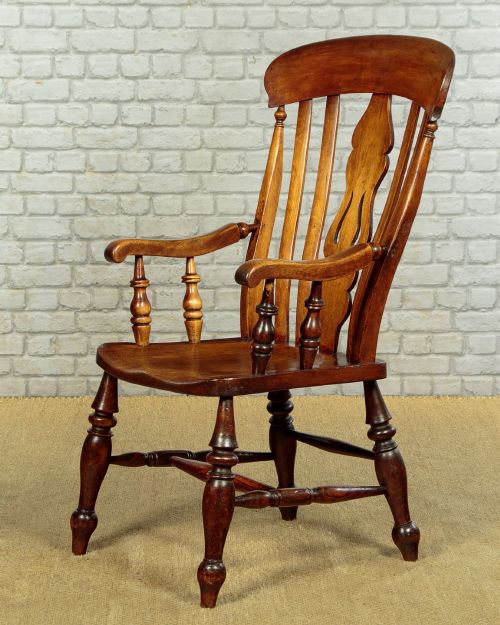
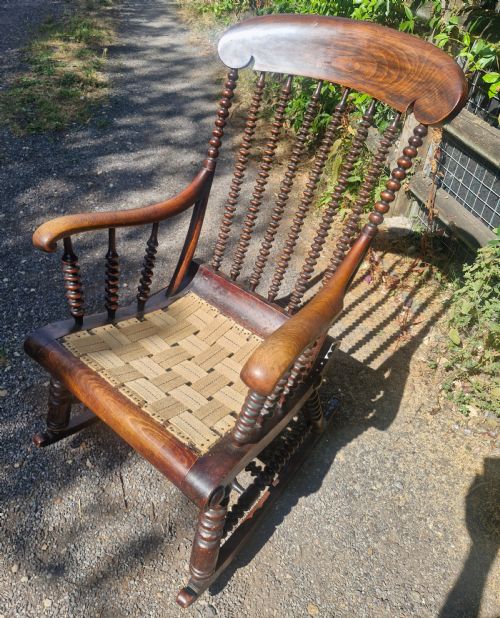
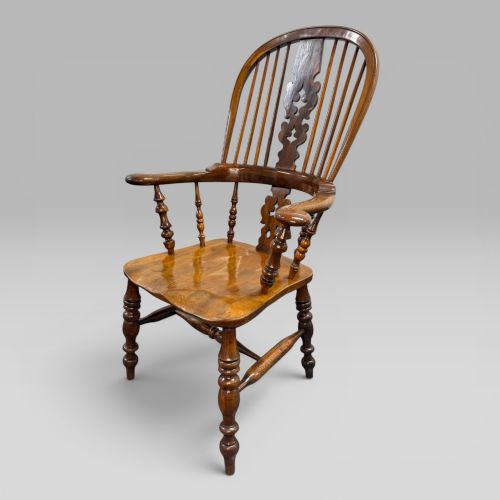
A vintage rustic armchair brings honest vernacular craftsmanship and rich timber character directly into a modern interior.
Vintage Rustic Armchair
The pieces appearing on this page span several distinct periods from the Georgian era through the Victorian epoch and into the Arts and Crafts movement. Buyers encounter high-comb backs, low backs, captain's chairs, and vernacular child's armchairs designed for everyday domestic utility.
Regional variations define much of the selection, with Thames Valley, Yorkshire, and Nottinghamshire characteristics appearing frequently among the elm and ash frames. Each piece represents a continuation of local woodworking traditions focused on practical comfort and sturdy construction.
Materials and construction methods
Makers relied on a combination of native hardwoods and softwoods, frequently pairing elm seats with ash or beech spindles, hoops, and legs. Yew wood also appears in finer examples, valued for its striking grain patterns and resilience.
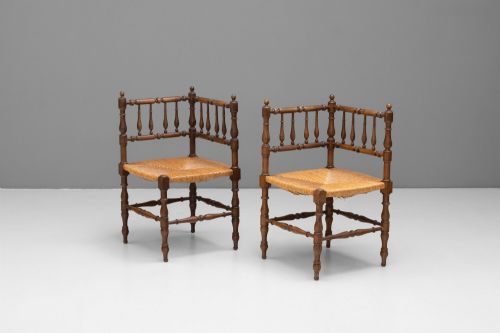
Traditional joinery methods such as wedged through-tenons and steam-bending shaped the distinctive curved backs and arm supports without relying on metal fasteners. Rush seating surfaces provide an alternative to solid timber where woven texture was preferred.
Assessing quality in country seating
Quality rests primarily in the harmony of the timber selection and the retention of original surface patination. Chairs exhibiting deep, untouched colour accumulated through generations of use stand apart from heavily restored surfaces.
Structural integrity depends on the precision of the original turning and the tightness of the wedged joints connecting the spindles to the solid seat. Refined proportions in the comb back or hoop back distinguish exceptional vernacular pieces from standard utilitarian seating.
Gabbitass Worksop
The Vintage Rustic Armchair Glossary
- Windsor chair
- A chair built with a solid wooden seat into which the legs and back spindles are directly bored and wedged. This traditional form developed numerous regional variations across the British countryside.
- Comb back
- A Windsor chair variation featuring a high, flat-topped backrest resembling an eighteenth-century hair comb. The vertical spindles rise through a horizontal crest rail.
- Smokers bow
- A low-backed Windsor armchair with a continuous curved arm rail and turned spindles, popular in nineteenth-century public houses and parlours. These sturdy seats offer a compact footprint and solid elm construction.
- Vernacular
- Objects designed by local makers using regional traditions and native materials rather than adhering to high-style metropolitan fashions. This anonymous artistry produces practical furniture tailored to specific domestic needs.
- Rush seat
- A seating surface woven from dried marsh rushes around a wooden frame. This technique creates a resilient and textured pad found on traditional ladder-back chairs.
Vintage Rustic Armchair: Frequently Asked Questions
What is a Windsor chair?
A Windsor chair is a distinct form of seating characterised by a thick wooden saddle-shaped seat into which the undercarriage legs and upper back spindles are tenoned directly.
This construction method provides exceptional stability and strength, allowing makers to create light yet durable chairs from native timbers like elm and ash.
How do I identify a regional chair?
Regional attribution relies on specific turning details, timber choices, and backrest shapes associated with particular geographic areas such as the Thames Valley or Yorkshire.
Comparing the stretcher arrangement and arm bow profile against documented vernacular examples helps determine the likely place of origin.
Where were these chairs used?
These rustic armchairs served primarily in farmhouses, cottages, and country houses as durable seating for daily domestic life.
Sturdier variations also found places in local inns, kitchens, and cottage writing corners where comfort and practicality mattered most.
How do I care for antique elm furniture?
Maintaining antique elm requires keeping the timber away from direct heat sources and sudden humidity changes to prevent wood movement and splitting.
Applying a traditional beeswax polish occasionally helps nourish the dry grain and preserves the natural surface patination accumulated over the centuries.