


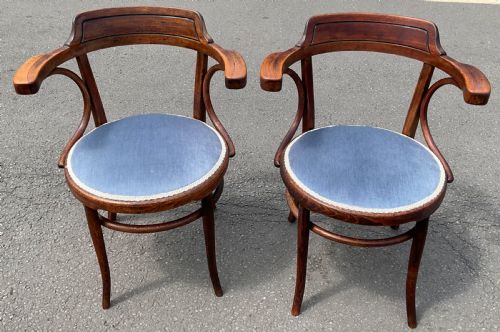


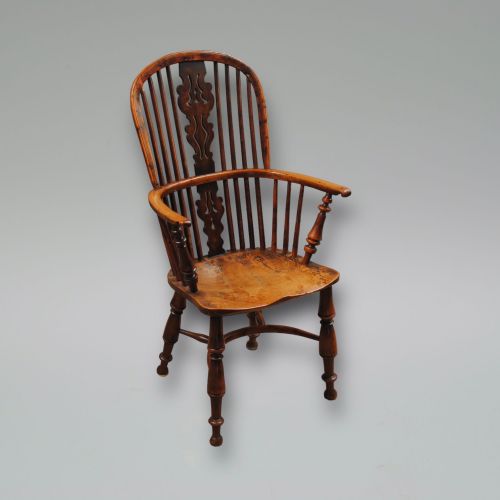
Steam Bent Wood Armchair
These steam bent wood armchair pieces span Victorian and twentieth-century workshops, offering robust seating shaped through heat and pressure.
Steam Bent Wood Armchair
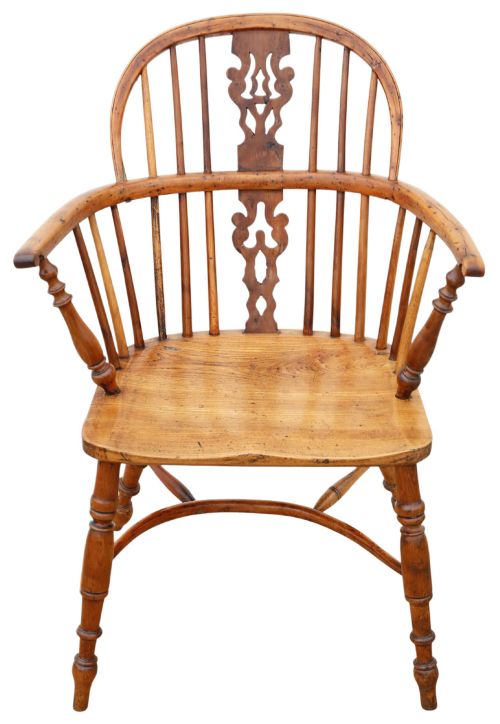
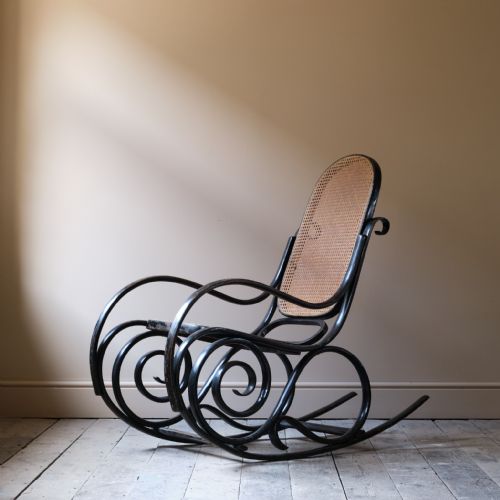
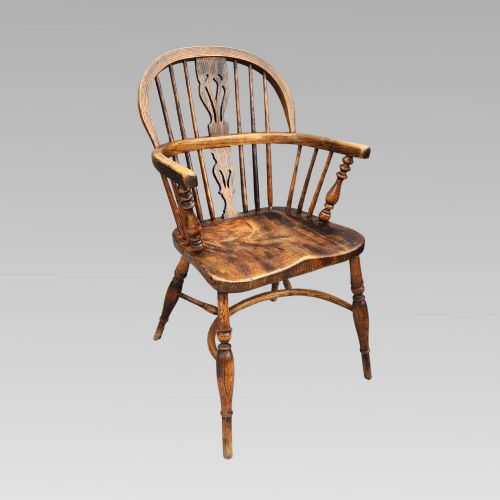
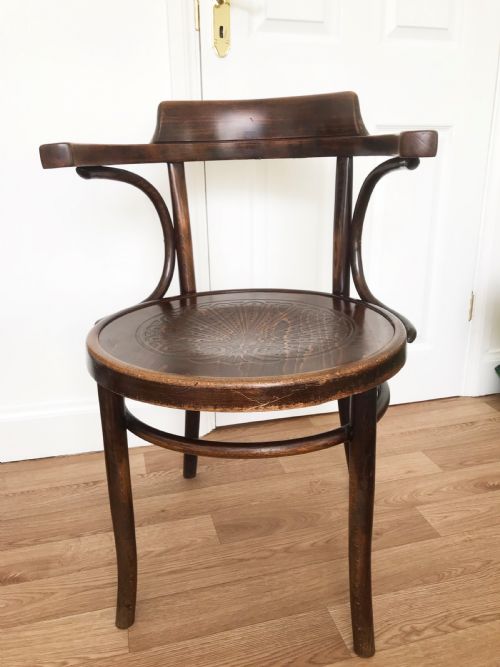
When you search for a steam bent wood armchair, you encounter seating solutions that rely on curved components rather than traditional joined framing. The selection ranges from nineteenth-century English country vernacular Windsor chairs to Viennese bentwood rocking chairs and bistro seats.
The versions most commonly met on this page include nineteenth-century ash and elm Windsor armchairs alongside early twentieth-century bentwood examples. These items combine practical domestic utility with inventive shaping techniques developed across various European and English traditions.
How they were made
The construction relies on treating timber with moisture and heat to make the grain pliable enough to form fluid curves. Beech, elm, ash, and yew are utilised to create the structural frameworks, spindles, and arm components.
Makers shaped the softened wood using specialised metal straps and wooden jigs to prevent splitting during the bending process. Once dry, the components retain their curved profiles and are assembled alongside cane panels, leather pads, or solid timber seats.
The documented object forms include standard armchairs, rocking chairs, carver elbows, and bistro desk chairs.
What varies in quality
Quality rests in the precision of the timber selection and the retention of tension within the curved components over decades of use. Superior examples display tight grain structure, balanced proportions, and minimal distortion in the steamed sections.
The finesse of the joinery and the integrity of supplementary materials, such as canework or turned spindles, further distinguish standard production pieces from finer regional workshop outputs.
Thonet
The Steam Bent Wood Armchair Glossary
- Bentwood
- Wood shaped by applying moisture and heat to make it pliable for curving frames. This technique allows manufacturers to produce flowing forms without heavy joints.
- Windsor
- A traditional wooden chair style featuring a saddle-sculpted seat into which the legs and back spindles are wedged directly. These frames utilise combinations of timbers such as ash, elm, and yew.
- Carver
- An armchair designed to match a set of dining chairs, typically featuring lower arms to slide beneath a table edge. These pieces appear frequently in English country vernacular styles.
- Stick back
- A chair back constructed from multiple slender turned rods inserted into the seat and top rail. This construction provides resilient support with minimal weight.
Steam Bent Wood Armchair: Frequently Asked Questions
How do I identify a genuine steam bent wood armchair?
Examine the curves for natural grain flow and continuity rather than segmented cuts. Genuine pieces show smooth radii formed through sustained heat and pressure.
Check for period-appropriate timber choices and construction methods that align with nineteenth and early twentieth-century workshop practices.
Were these chairs used indoors or outdoors?
These seating forms were created primarily for interior domestic use in parlours, studies, and country house dining rooms. Their lightweight yet sturdy construction made them adaptable for moving between different living spaces.
Certain regional models also served practical duties in commercial venues such as cafes and bistros.
How should I care for bentwood and Windsor frames?
Keep wooden furniture away from direct heat sources and rapid humidity shifts to prevent timber shrinkage and stress on the curved joints. Regular dusting with a dry cloth maintains the surface finish.
Avoid excessive moisture on cane inserts and leather upholstery components during routine cleaning.
What is the difference between vernacular and bentwood designs?
Vernacular designs like Windsor chairs rely on traditional joined timber components, carved seats, and turned spindles rooted in regional English traditions. Bentwood designs utilise industrial steam-bending techniques pioneered in Vienna to create continuous curved frames.
Both approaches prioritise strength and resilience through different structural philosophies.