



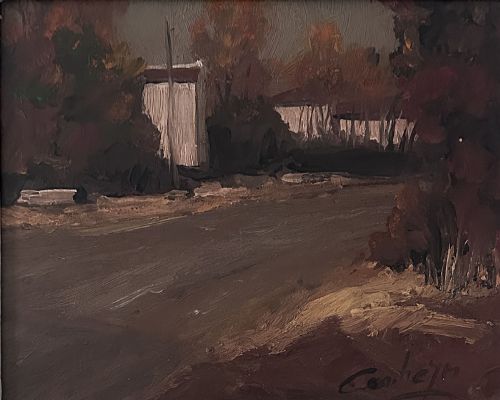
Vintage Rural Landscape Painting
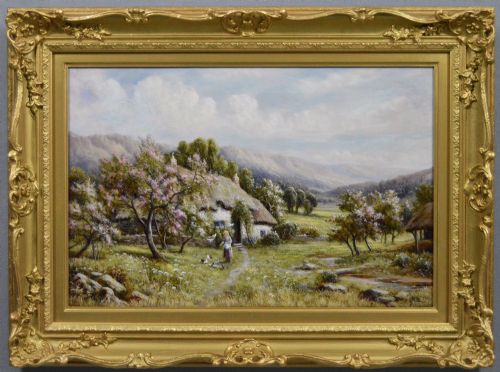
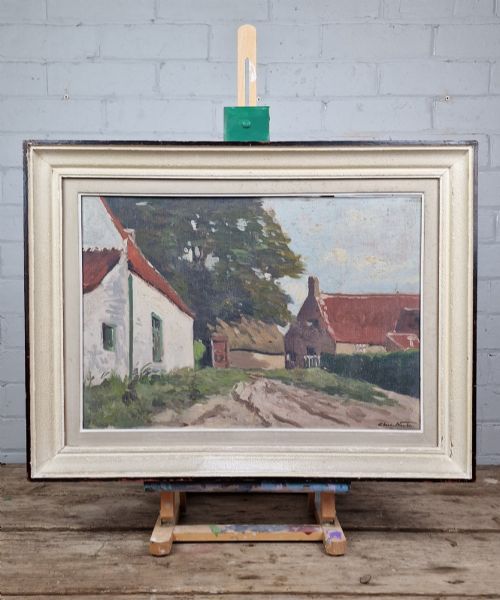
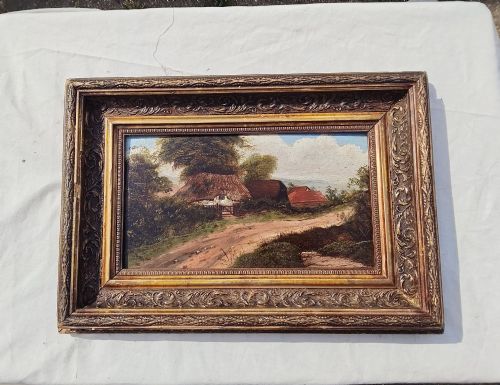
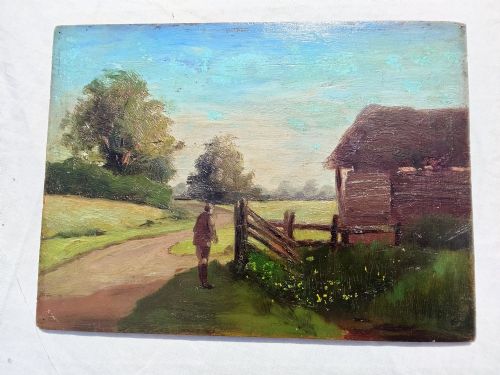
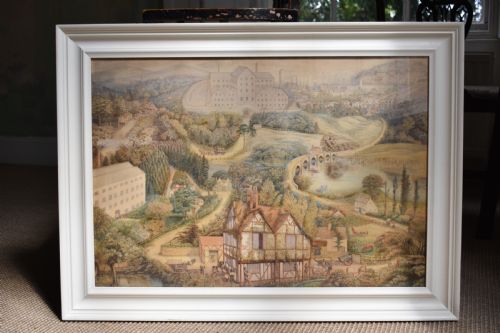
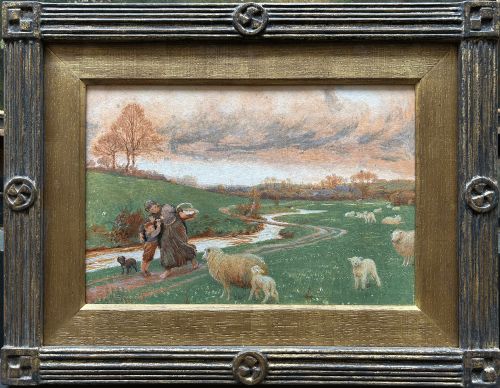
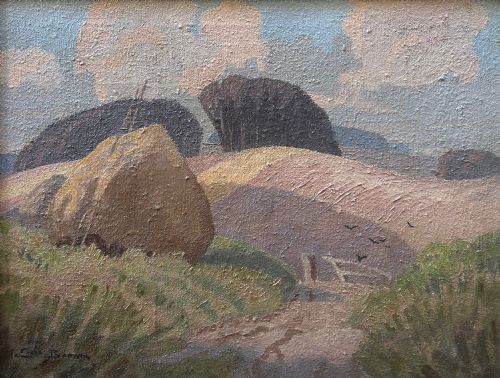
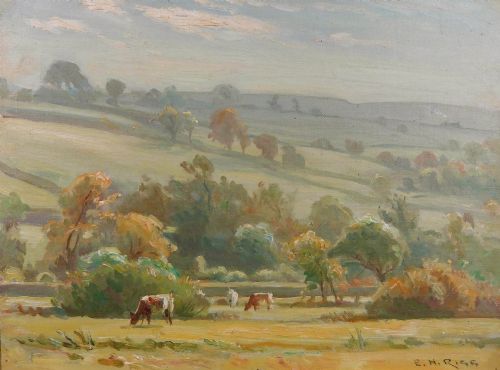
A vintage rural landscape painting captures the quiet rhythm of the countryside through fields, cottages, and agricultural work.
Vintage Rural Landscape Painting
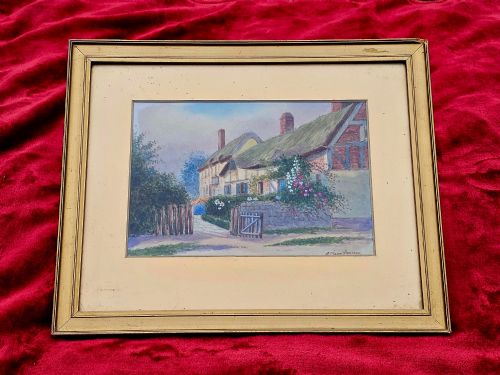
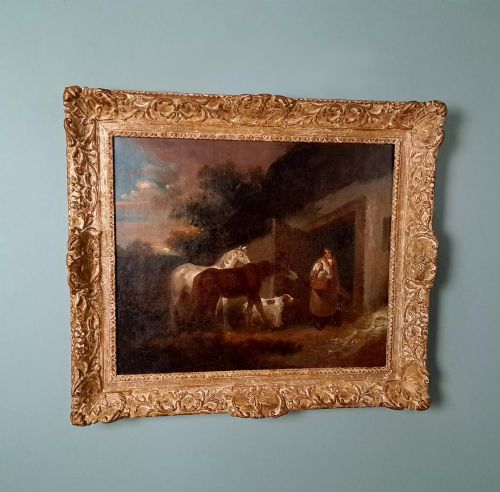
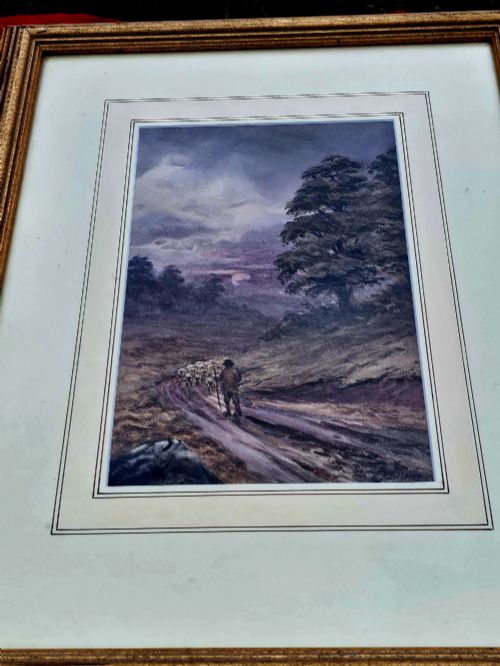
A vintage rural landscape painting portrays agricultural life, country pathways, farmyards, and river scenes set across the nineteenth and twentieth centuries. These works record rural routines such as ploughing, herding sheep, hauling hay, and tending livestock outside cottages.
Most pieces encountered on this page originate from the Victorian, Edwardian, and mid-century periods, spanning British, French, Italian, and Belgian schools. The compositions range from detailed topographical watercolours to broader impressionist and post-impressionist oils.
Artists record the British and European countryside using traditional framing, often presented as framed artwork or wall art ready for display. Collectors select these pieces to bring historical agricultural scenes and pastoral tranquility into domestic spaces.
How They Were Made
Painters applied oil paint or watercolour using brushes upon supports of canvas, wood, paper, card, or board, sometimes finished with gesso and housed behind glass. These primary materials determine the texture and permanence of each visual record.
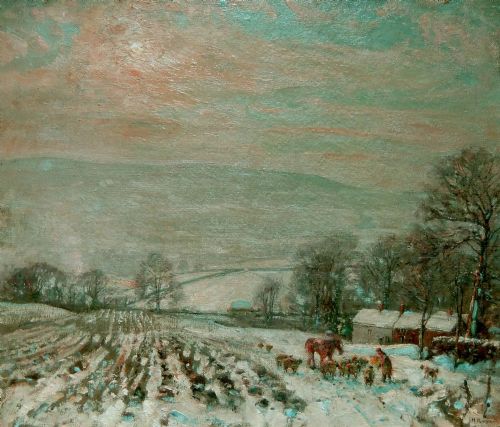
Makers layered pigments to build atmospheric effects of light and weather, capturing winter snow, autumn foliage, and summer streamside vegetation. Protective frames made of wood often enclose the painted surface to preserve the edges.
Vintage Rural Landscape Painting Retail Price Guide 2026
Typical asking prices for vintage rural landscape painting among the pieces listed under this phrase on Sellingantiques today, from the lower quarter to the upper quarter. They describe what is for sale here now, not the wider market.
Listings feature works created across the nineteenth and twentieth centuries, utilising canvas, wood, paper, and card.
What Varies in Quality
The strength of a vintage rural landscape painting depends upon the handling of light, brushwork confidence, and the naturalism of anatomical and architectural forms. Works by identified artists with documented exhibition histories demonstrate greater compositional control than anonymous school pieces.
Material preservation also differentiates examples, with stable pigments, minimal surface craquelure, and original or period-appropriate framing ranking higher. The depth of atmosphere and precision in rendering figures, horses, and foliage separate standard decorative works from accomplished regional art.
George Graham·A Marie Parsons·William Joseph Shayer Senior·EJ Letheren·Herbert Royle·Robert John Hammond·Charles Houben·Frederick Walker·Eric Brown·Ernest Higgins Rigg·Frederick James Kerr·Umberto Volpato·Herman S Melville·George Morland·Sydney Yates Johnson·Charles Clair·Harry Freckleton·Henry Charles Fox·William JB Jenkins·Cuthbert Crossley·Reginald Grange Brundrit·Fred Lawson·James William Booth
The Vintage Rural Landscape Painting Glossary
- Oil Paint
- A slow-drying paint made by mixing pigments with oils, commonly linseed, which allows artists to build rich textures and deep tones on canvas or wood boards.
- Watercolour
- A paint consisting of water-soluble pigments used on paper to create luminous, translucent washes that often capture soft atmospheric light in rural views.
- Gesso
- A plaster-like mixture applied to wooden panels or canvas to provide a smooth, stable surface for painting.
- Post-Impressionism
- An art movement following impressionism that extends its use of vivid colours and thick application while emphasising geometric forms and expressive qualities.
- British Impressionism
- A painting style adopted by British artists who embraced plein-air observation, loose brushwork, and the shifting effects of natural light.
Vintage Rural Landscape Painting: Frequently Asked Questions
Where were these paintings displayed originally?
These works hung primarily in domestic parlours, country houses, and urban homes where owners sought reminders of pastoral life and rural tranquillity.
Later collectors often maintained this tradition, placing them in sitting rooms, studies, and hallways to anchor interior spaces with historic character.
How do I care for a vintage painting?
Keep painted surfaces away from direct sunlight and fluctuating humidity to prevent pigment fading, canvas slackening, and wood warping.
Dust framed works gently with a dry, soft cloth, avoiding commercial cleaners or moisture on both the canvas and the protective glass.
How do I identify the period of a landscape?
Examine the clothing of figures, agricultural methods shown such as horse-drawn ploughs, and the framing style used to house the artwork.
Signatures, artist dates, and backing materials often provide additional clues to confirm whether a piece belongs to the Victorian era or mid-century.
What subjects appear most often in rural scenes?
Common motifs include thatched cottages, farmyards, hay carts, rivers, and labourers tending crops or driving livestock along country lanes.
Artists frequently returned to agricultural tasks and seasonal changes, capturing harvesting in autumn and quiet pastoral views during winter.