

Vintage Rural Landscape Art
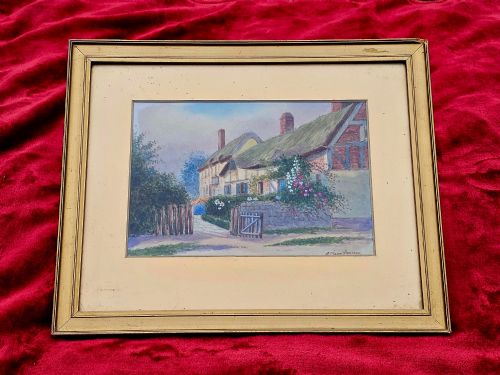
These vintage rural landscape art works capture cottages, mills, and open fields, offering a direct window into pastoral history.
Vintage Rural Landscape Art
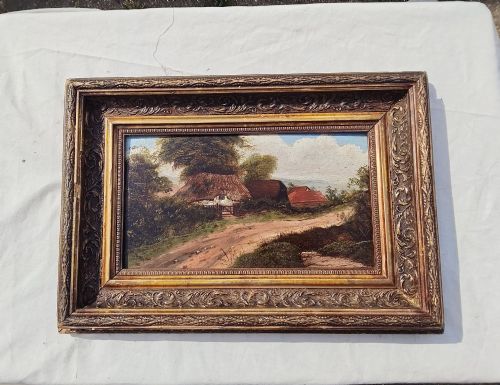
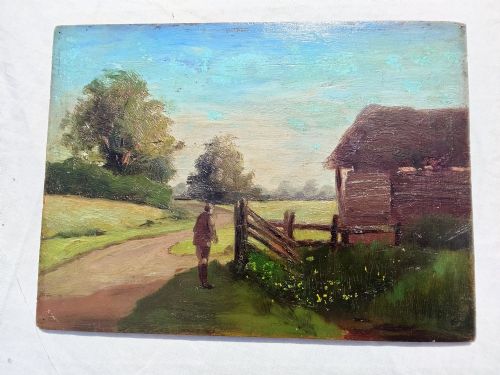
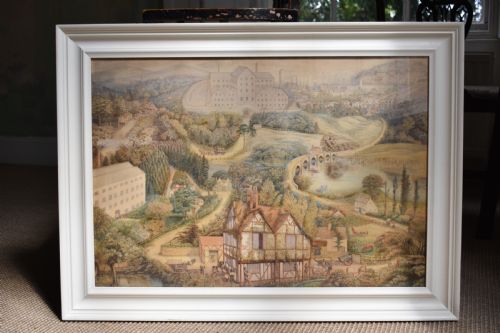
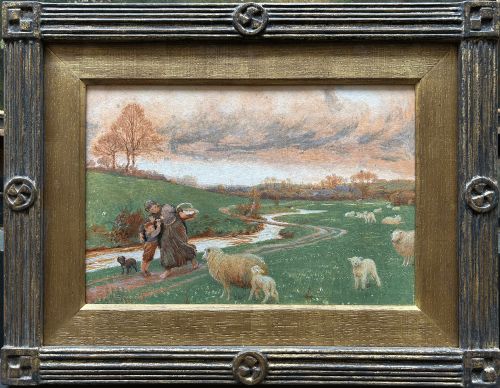
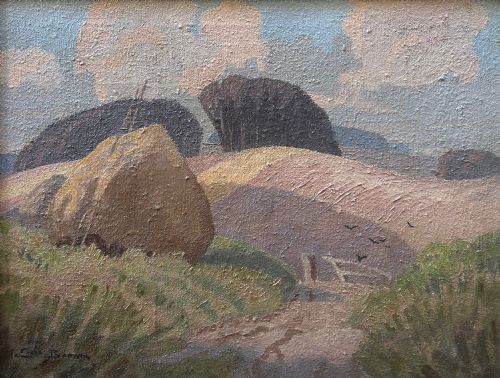
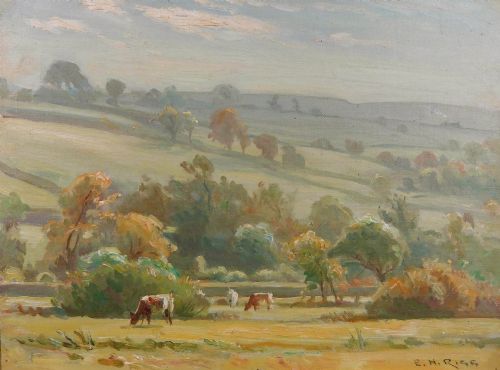
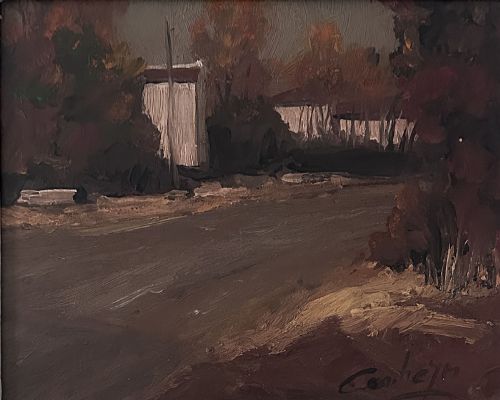
Vintage rural landscape art comprises original works depicting countryside views, farmhouses, cottages, and agricultural scenes. These pieces capture quiet moments of agrarian life across changing seasons and regional terrain.
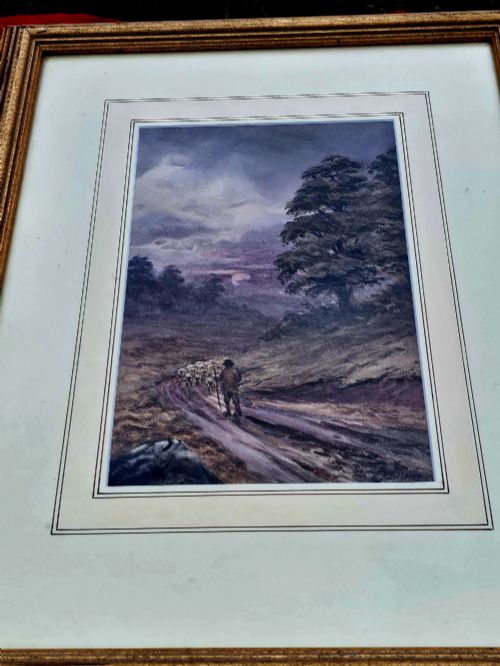
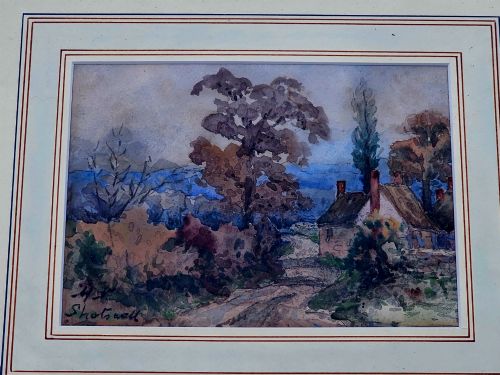
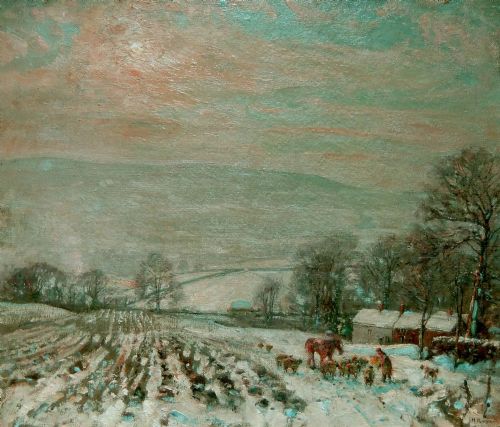
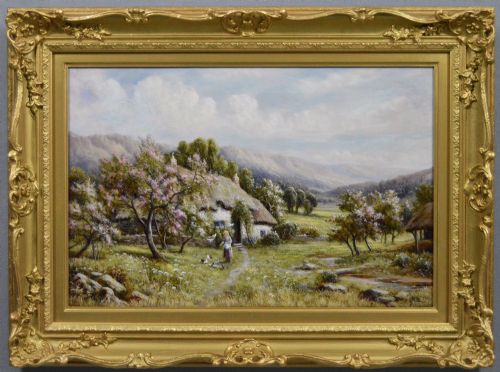
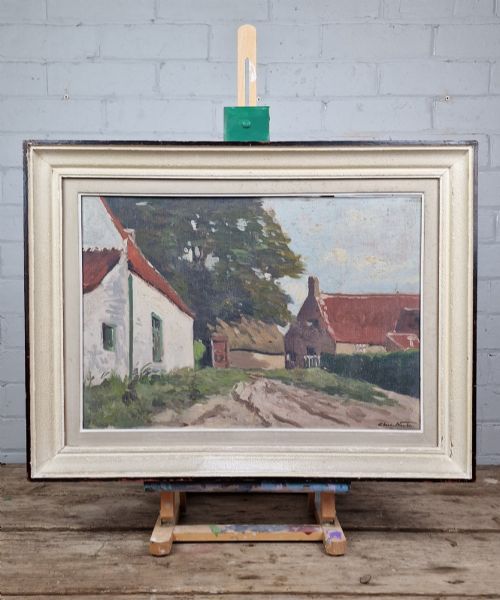
Buyers browsing this selection encounter watercolors on paper and oil paintings on canvas. The imagery ranges from traditional English country views to French provincial scenes and northern farming localities.
Most examples date from the nineteenth and early twentieth centuries. Creators include known painters working within British Impressionism, the Victorian British School, and Post-Impressionism.
How they were made
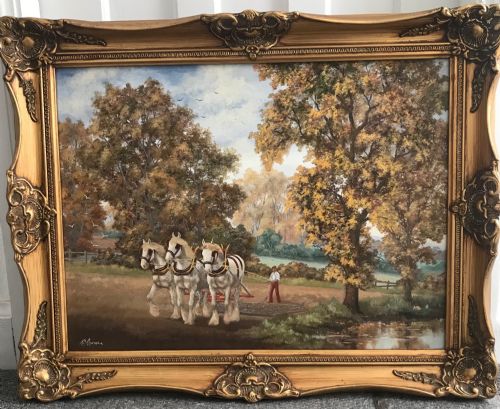
Makers utilised oil paint on canvas or watercolor pigment applied to paper. Canvas supports frequently sit within wooden frames, sometimes finished in gilt wood under glass.
Brushwork varies from the blended precision of Victorian academic canvases to the looser, more visible marks characteristic of early twentieth-century impressionist handling.
Vintage Rural Landscape Art Retail Price Guide 2026
Typical asking prices for vintage rural landscape art among the pieces listed under this phrase on Sellingantiques today, from the lower quarter to the upper quarter. They describe what is for sale here now, not the wider market.
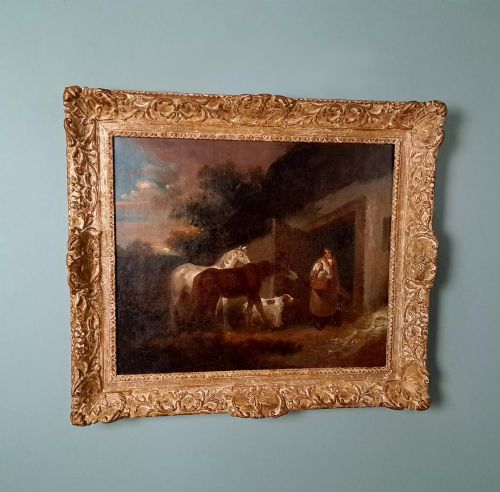
Dogs occasionally share the canvas with plough teams and farmhands, keeping a watchful eye over rural chores.
What varies in quality
Quality rests upon the sureness of the draftsmanship and the artist's command of atmospheric light. Stronger works convey a palpable sense of place and weather, whereas lesser examples rely on formulaic foliage and static compositions.
The preservation of the original surface medium dictates visual impact. Unfaded watercolors and stable oil paint retain the depth and tonal balance intended by the painter.
Olive Higginbottom·Jane Maria Bowkett·Ernest Higgins Rigg·Owen Bowen·GEORGE WRIGHT
The Vintage Rural Landscape Art Glossary
- Impressionism
- A style focusing on the visual impression of the moment, particularly shifting light and ordinary subject matter. It relies on visible brushstrokes rather than smooth academic blending.
- Watercolour
- A paint consisting of pigment suspended in a water-based solution, typically applied to paper. It allows for translucent washes and delicate tonal gradations.
- Oil on canvas
- Pigment bound in an oil medium spread across a stretched woven fabric support. This combination permits rich texture and deep colour saturation.
- Gilt wood
- Timber frames finished with a thin layer of gold leaf or metallic gilt powder. They provide a reflective border that separates the artwork from its surroundings.
Vintage Rural Landscape Art: Frequently Asked Questions
What periods do these paintings cover?
The selection spans the nineteenth century through the early decades of the twentieth century. Dates within the evidence stretch from the 1880s to around 1935.
This timeframe encompasses Victorian academic traditions, early twentieth-century British impressionism, and post-impressionist developments.
What materials are typically used?
Artworks feature oil paint on canvas or watercolour applied to paper supports. Frames are commonly constructed from wood, occasionally featuring gilt finishes.
Glazing with glass frequently protects works executed on paper, whilst oil paintings on canvas remain unglazed to showcase the textured paint surface.
Where do these landscape scenes originate?
Represented locations include traditional English countryside views, Yorkshire landscapes, and French provincial settings such as Provence. Subjects often highlight cottages, mills, farms, and agricultural labour.
Local topography reflects the specific regional focus of the respective British and European artists.
How should I care for these works?
Keep paintings away from direct sunlight and excessive humidity to protect fragile paper supports, watercolours, and canvas grounds. Stable indoor environments prevent the warping of wooden frames and the degradation of pigments.
Consult a professional restorer if cleaning or conservation work becomes necessary for older canvases.