




Vintage Rug Pillow
A vintage rug pillow brings tactile tribal textile history into a room, offering durability and rich pattern.
Vintage Rug Pillow
A vintage rug pillow repurposes historical woven textiles, specifically tribal bags, saddle bags, and flatweaves, into functional home furnishings. These items originate primarily from Persian, Anatolian, and Central Asian weaving traditions, spanning from the mid-nineteenth century through the early twentieth century.
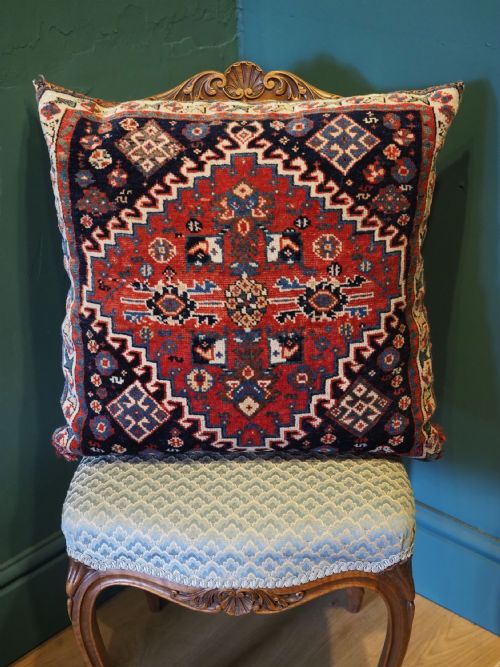
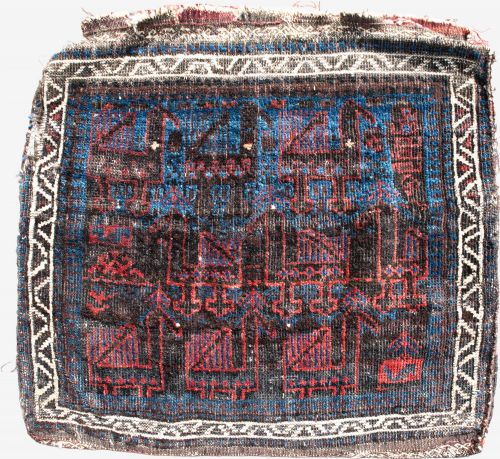
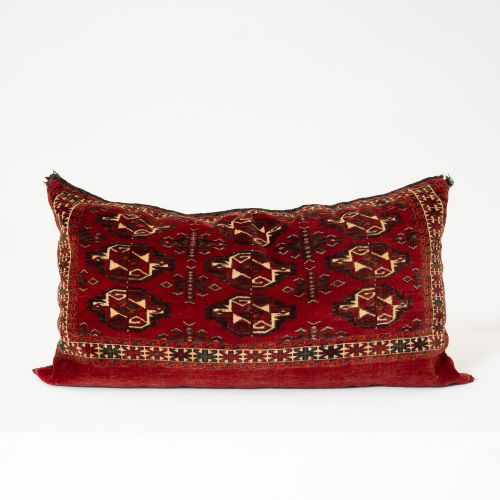
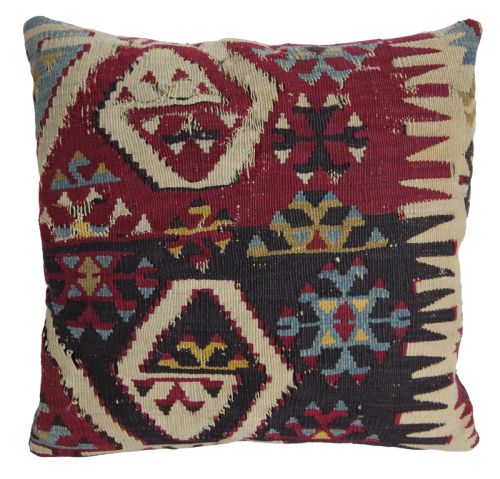
The most common form encountered in this selection is the kilim cushion or bag face cushion. Pieces such as Qashqa'i saddle bags, Baluch bird bags, and Turkmen chuvals are adapted into throw cushions and cushions and pillows.
Buyers select these cushions to introduce authentic tribal designs and varied wool textures into contemporary interiors. Each cushion carries the specific structural characteristics of its parent textile, retaining the heritage of nomadic makers.
What varies in quality
Quality in a vintage rug pillow rests upon the integrity of the original tribal textile and the fidelity of its conversion. Fineness of the hand-woven wool knotting or flatweave tightness dictates the durability and visual crispness of the pattern.
The choice of natural dyes and the preservation of the original bag face or saddle bag structure elevate certain pieces. Condition and authenticity of the nineteenth or early twentieth century material separate standard examples from finer tribal works.
Nomadic weavers smuggled centuries of tribal history right onto your sofa via repurposed saddle bags.
The Vintage Rug Pillow Glossary
- Kilim
- A flatwoven carpet or rug produced without a pile. These textiles form the basis of many flatweave cushions.
- Chuval
- A large storage bag made by Turkmen tribes, often featuring gul motifs. These sacks are frequently adapted into cushions.
- Torba
- A small Turkmen storage bag wider than it is deep. Collectors prize these for detailed banded flatweave or medallion designs.
- Mafrash
- A rectangular storage bag or bedding chest face from nomadic Persian or Turkmen groups. They provide sturdy panels for textile cushions.
- Saddle bag
- A paired bag used for transport on animals, woven by tribes such as the Qashqa'i. The bag faces translate directly into square cushion formats.
Vintage Rug Pillow: Frequently Asked Questions
What is a vintage rug pillow?
A vintage rug pillow is a cushion created from repurposed tribal textiles, including antique saddle bags, storage sacks, and flatweaves.
These items transform nineteenth and early twentieth-century nomadic work into durable home decor.
How do I care for wool cushions?
Wool and hand-spun wool textiles require gentle treatment to preserve natural dyes and fibre integrity.
Spot cleaning or professional specialist cleaning is recommended for antique tribal cushions.
Where do these tribal designs originate?
The designs stem from traditional weaving groups including Anatolian, Persian, and Turkmen tribes.
Specific regional styles such as Baluch, Qashqa'i, and Yomut define the patterns.
How are different periods identified?
Periods are identified through structural examination of the wool, dye types, and traditional tribal motifs.
Dates range from the mid-nineteenth century through the early twentieth century based on textile characteristics.