

Vintage Royal Worcester Porcelain
Vintage royal worcester porcelain brings hand-painted fruit and fine British craftsmanship directly to your table, offering an enduring elegance that collectors prize.
Vintage Royal Worcester Porcelain
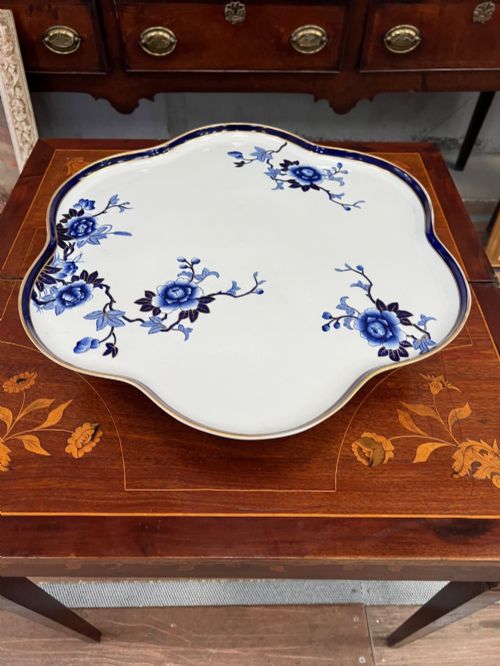
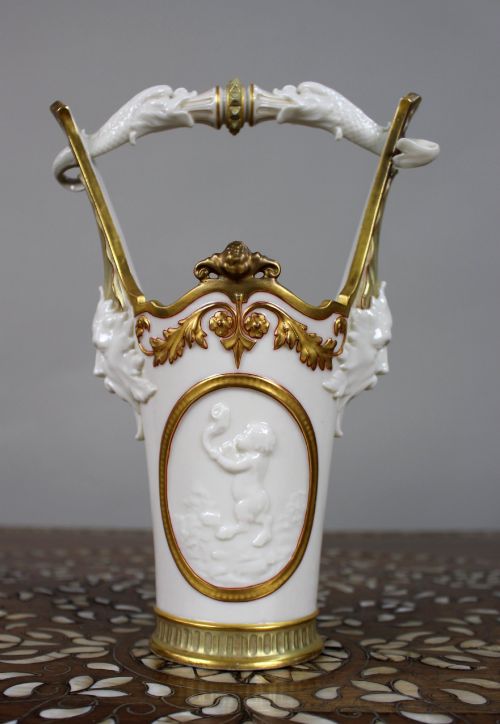
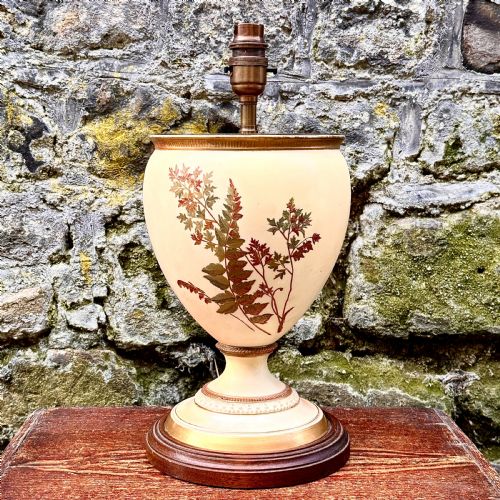
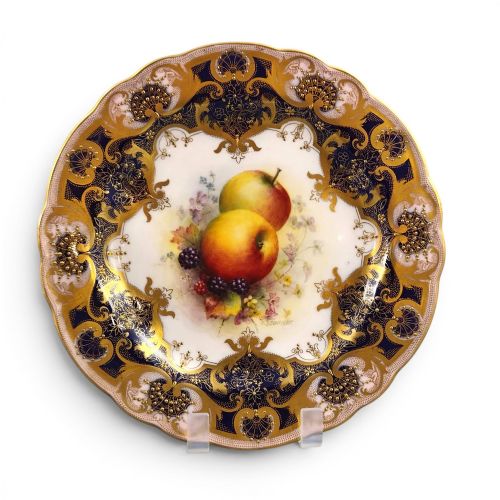
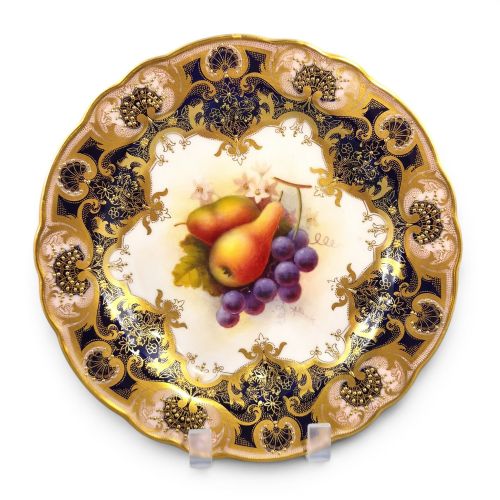
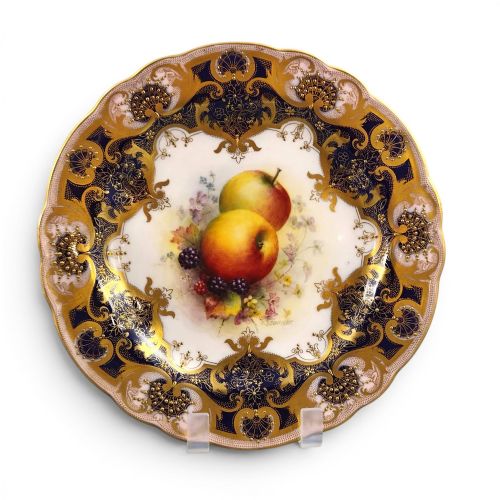
Vintage royal worcester porcelain encompasses fine decorative bowls, cream and sugar sets, decorative trays, ewers, and demitasse cups from the early decades of the twentieth century. These pieces reflect traditional English aesthetics from the Edwardian era through the 1920s and 1930s.
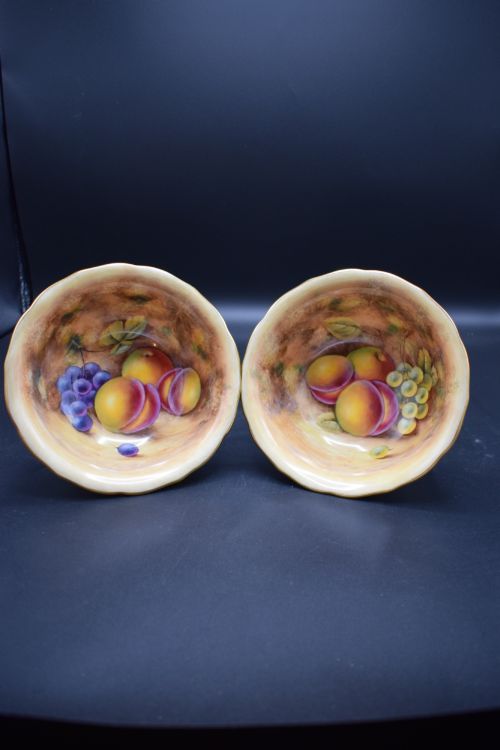
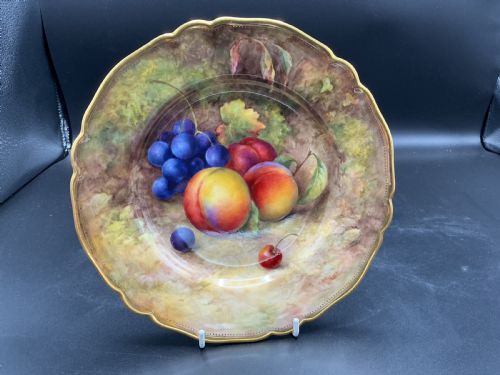
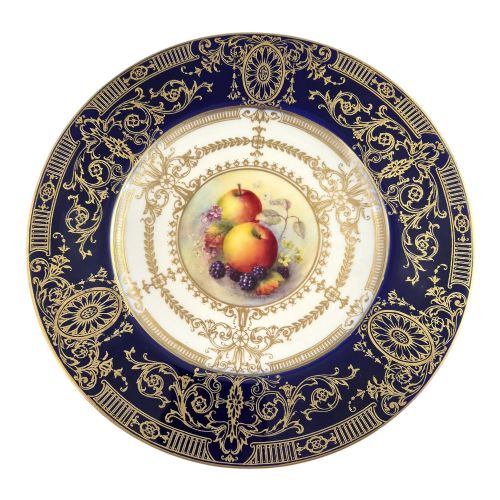
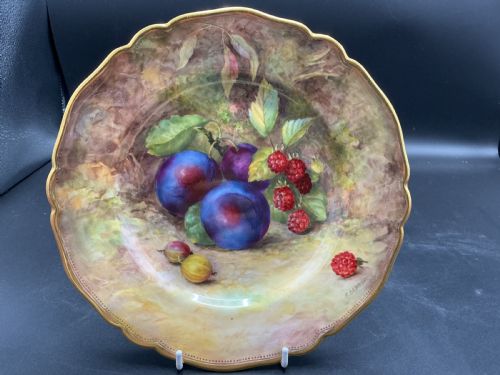
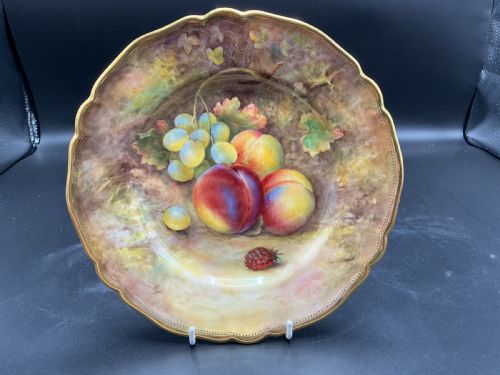
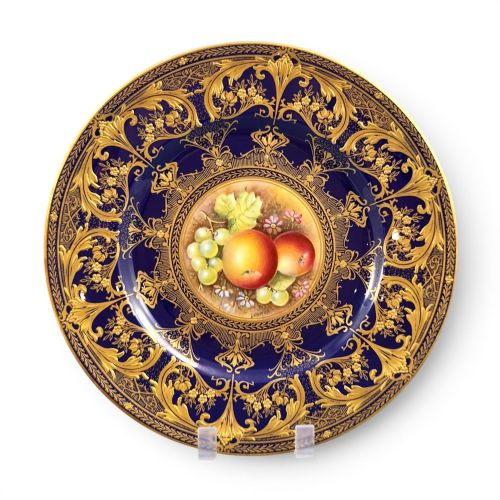
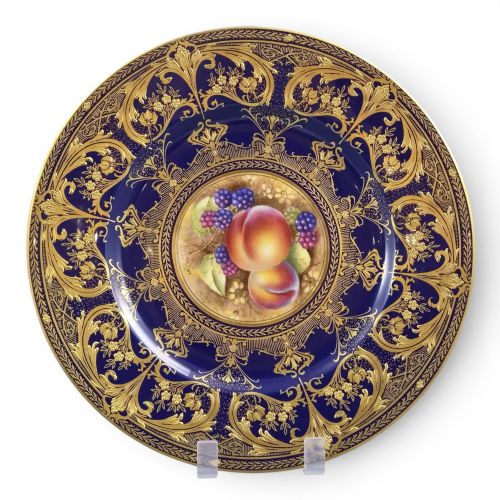
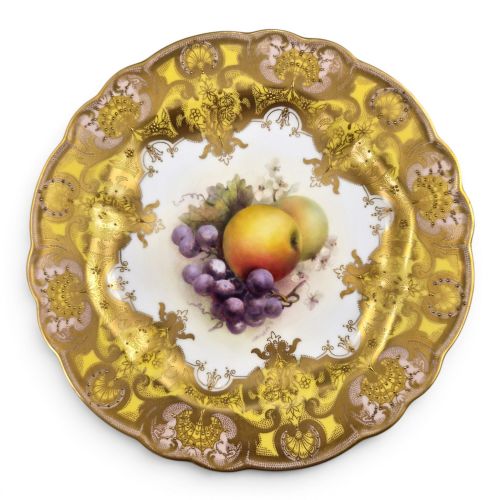
The most prominent examples encountered feature meticulous hand-painted fruit studies by renowned artists. Buyers typically find functional and decorative vessels executed in bone china and porcelain, finished with rich gilding and enamel work.
How they were made
Production relies on fine porcelain and bone china bodies shaped into intricate forms such as two-handled soup bowls, ewers, and serving trays. Artisans then apply detailed enamel paints and cobalt glazes to create complex pictorial surfaces.
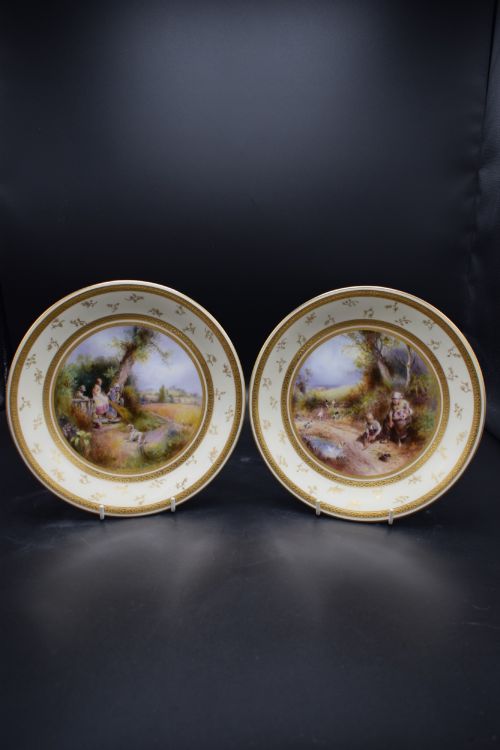
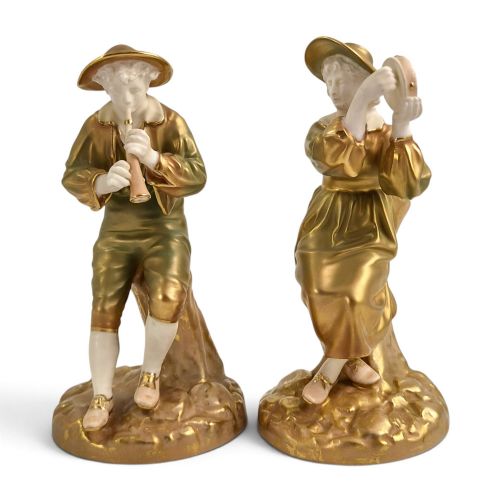
The decoration incorporates gold leaf and gold gilding to highlight handles, rims, and borders. Master painters execute elaborate fruit motifs by hand before final firing.
Vintage Royal Worcester Porcelain Retail Price Guide 2026
Typical asking prices for vintage royal worcester porcelain among the pieces listed under this phrase on Sellingantiques today, from the lower quarter to the upper quarter. They describe what is for sale here now, not the wider market.
Listings feature items spanning the Edwardian period through the 1930s, constructed from porcelain and bone china with gold leaf.
What varies in quality
The distinction between standard production and the highest grade rests entirely on the skill of the artist and the complexity of the painted surface. Hand-painted fruit scenes executed by documented painters represent the pinnacle of the maker's output.
The application and preservation of gold leaf and gilding also dictate the tier of a piece. Finer examples display meticulous brushwork and rich cobalt glazes that elevate simple tableware into fine art.
Royal Worcester
The Vintage Royal Worcester Porcelain Glossary
- Porcelain
- A hard, white, translucent ceramic made from kaolin and petuntse. It provides a smooth, impervious base ideal for detailed miniature painting.
- Bone china
- A type of porcelain incorporating bone ash for enhanced strength and whiteness. It allows for thinner, more delicate vessel walls.
- Gold leaf
- Hammered gold beaten into extremely thin sheets used for surface decoration. Artisans apply it to accent handles and borders.
- Ewers
- Large water jugs with wide spouts and ornate handles, originally decorative or ceremonial in function. They showcase sculptural form alongside painted decoration.
- Demitasse
- A small cup used to serve Turkish coffee or espresso. These diminutive vessels often feature elaborate gilt interiors and painted exteriors.
Vintage Royal Worcester Porcelain: Frequently Asked Questions
What is vintage royal worcester porcelain?
Vintage royal worcester porcelain comprises fine ceramic tableware and decorative items produced by the historic English pottery during the early twentieth century. These items include bowls, trays, and tea wares.
Many of these objects feature hand-painted fruit compositions created by notable studio artists of the period.
How do I identify the date?
Dating relies on factory marks stamped to the underside of the ceramic body, alongside stylistic cues from the Edwardian era through the 1930s. Specific letter or dot codes often indicate the exact year of manufacture.
Individual artist signatures, such as that of Richard Sebright, also help anchor the piece within a specific decade.
Are these pieces functional?
While many items like cream jugs, sugar bowls, and demitasse cups were designed for table use, their delicate painted surfaces and gold gilding often lead owners to display them as decorative art. Hand-painted fruit bowls serve well for display rather than daily dining.
Careful handling ensures the enamel and gold leaf remain intact over time.
What materials were used?
The pieces utilise traditional porcelain and bone china as the primary ceramic bases. Cobalt glaze often provides a deep blue backdrop for contrasting metallic details.
Decoration relies on enamel colours and extensive application of gold gilding or gold leaf.