


Vintage Rosewood Shelving
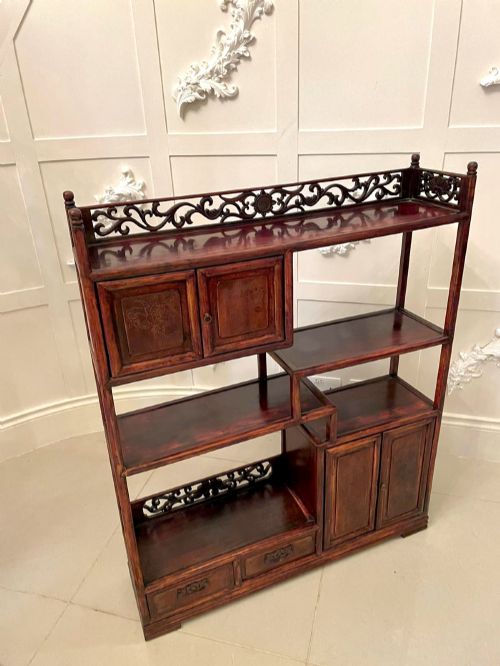
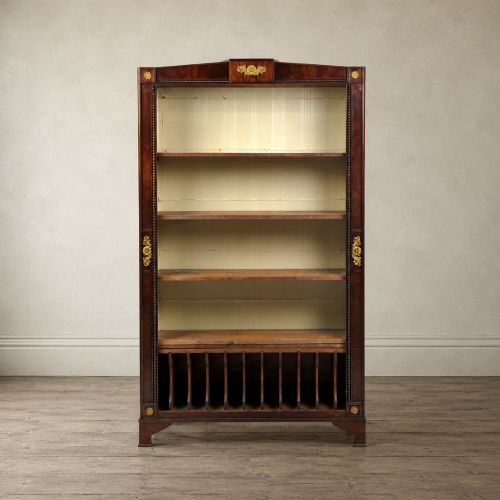
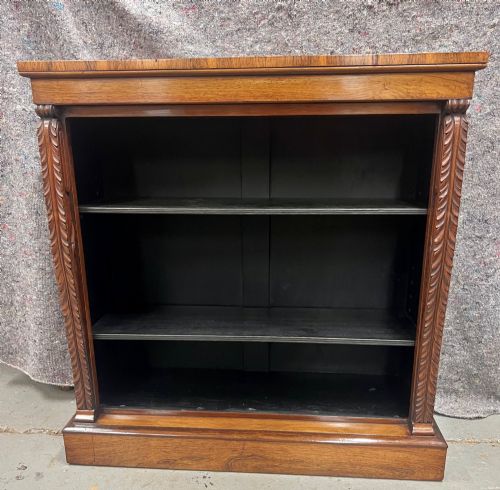
These vintage rosewood shelving pieces are sturdy timber ledges and open bookcases built to hold books and display ornaments with elegance.
Vintage Rosewood Shelving
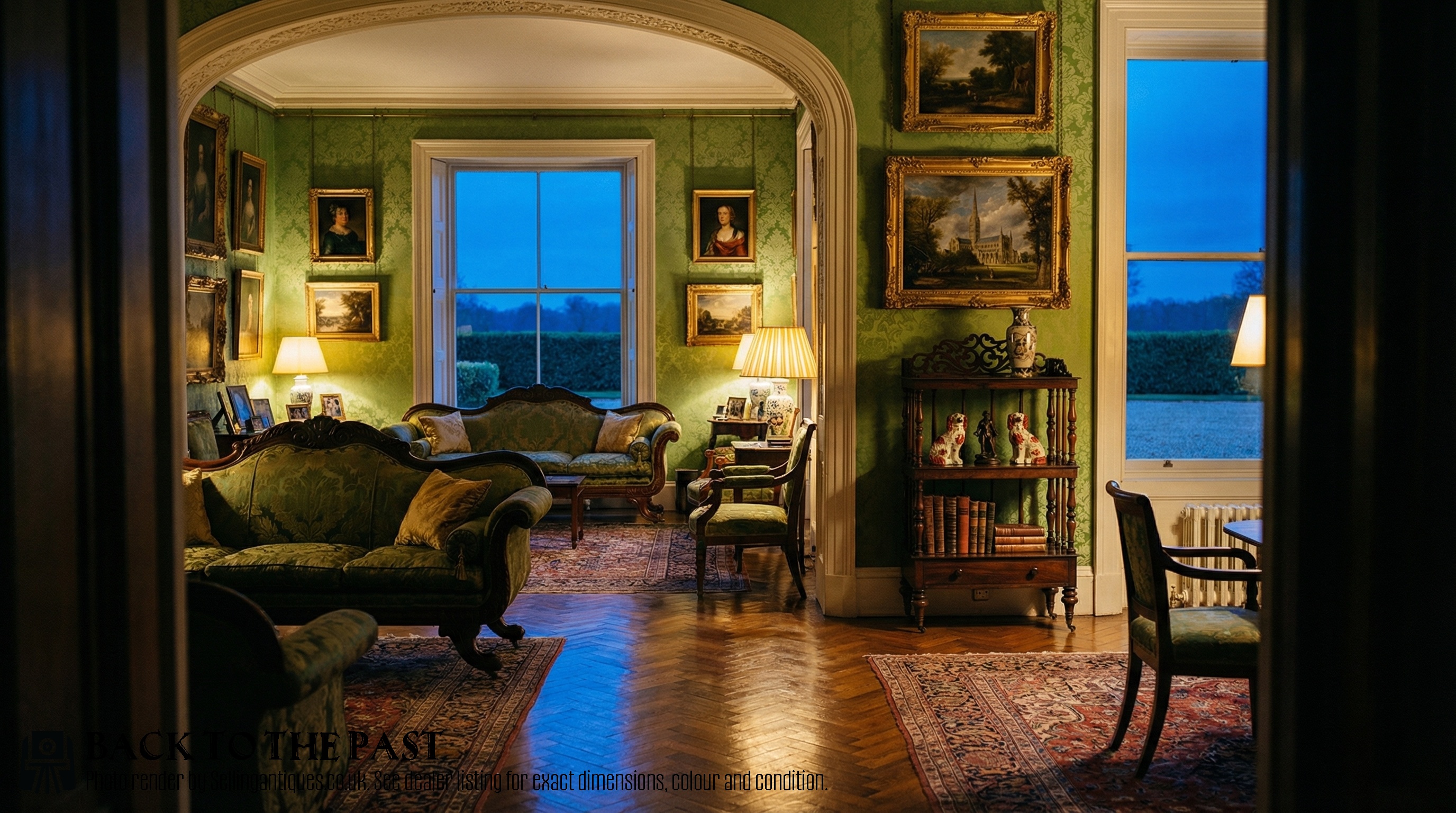
When you search for vintage rosewood shelving, you encounter a variety of multi-tiered display pieces, open bookcases, and whatnots designed for domestic organisation.
The pieces on this page span several eras, predominantly featuring Victorian and Regency designs alongside Edwardian, William IV, and French Empire styles.
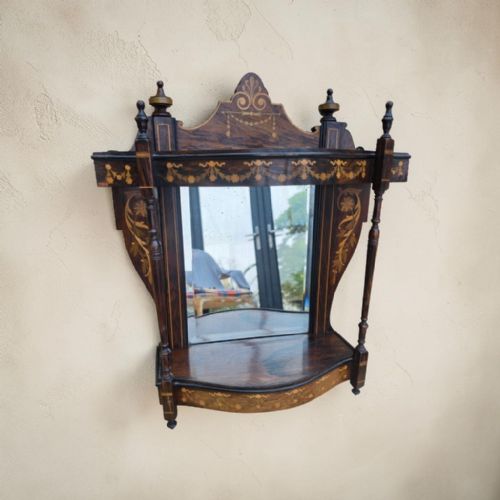
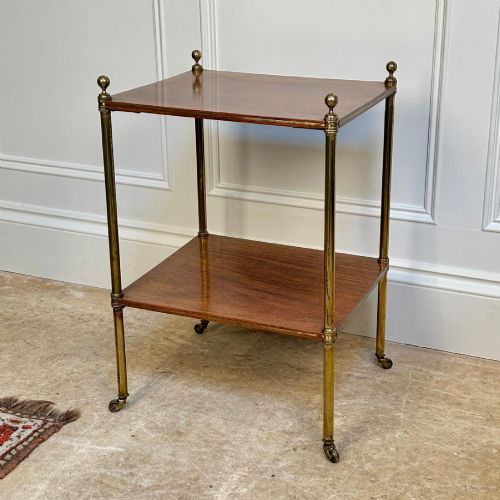
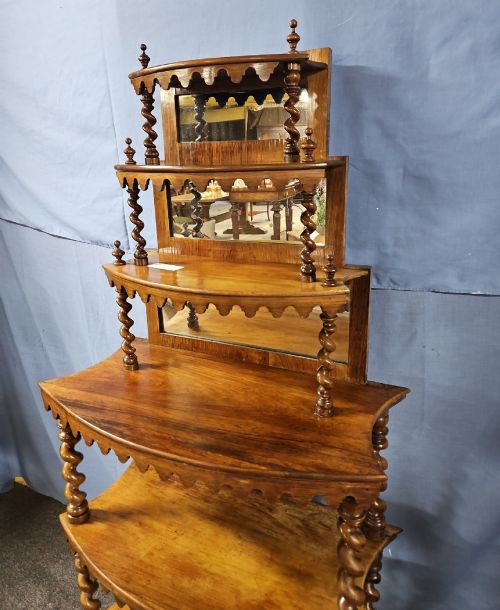
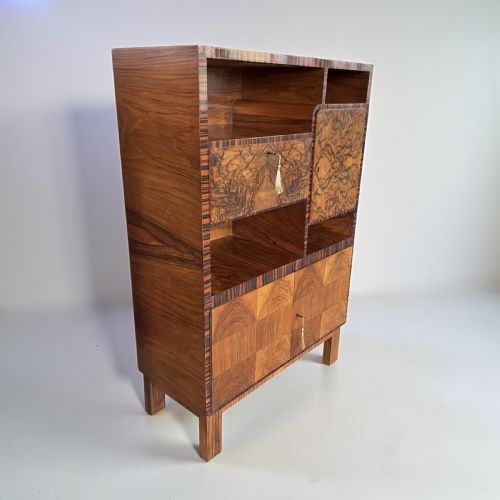
Forms range from tiered etageres and wall-mounted ledges to substantial open bookcases and display cabinets intended to showcase cherished volumes and ornaments.
How they were made
Makers utilised dense rosewood timber, frequently applied as fine veneer over foundational hardwoods like softwood or mahogany.
Construction often incorporated brass details, boxwood inlay, and carved ornamentation, complemented occasionally by marble tops and glass panels.
Listings feature rosewood shelving spanning the nineteenth and twentieth centuries, incorporating brass, marble, and boxwood inlay materials.
What varies in quality
The refinement of the timber grain and the precision of the boxwood inlay distinguish standard furniture from exceptional examples.
Structural integrity relies upon the original joinery of the tiers and upright supports, particularly in multi-tiered etageres and wall shelves.
Samson and Son London
The Vintage Rosewood Shelving Glossary
- Whatnot
- A piece of furniture with several open shelves placed one above the other. This form became popular during the nineteenth century for drawing rooms.
- Veneer
- A thin layer of superior wood applied to a base of commoner timber. This technique allowed cabinetmakers to display rich rosewood grain patterns affordably.
- Waterfall bookcase
- A shelving unit where each successive shelf is deeper than the one above it. The stepped profile resembles the cascade of a waterfall.
Vintage Rosewood Shelving: Frequently Asked Questions
What is a whatnot shelf?
A whatnot is a multi-tiered shelving unit designed for displaying decorative objects, ornaments, and small books in principal rooms.
These pieces typically feature slender upright supports and open sides, making them visually light despite the dense rosewood timber used in their construction.
How do I style rosewood shelving?
Rosewood shelving suits both traditional and contemporary interiors when balanced with books, ceramics, and modest decorative objects.
Allow the deep grain and natural warmth of the timber to remain the focal point by avoiding overcrowding on the individual tiers.
Can these shelves hold heavy books?
Most open bookcases and wall shelves from the nineteenth century are structurally sound for ordinary household libraries and display items.
Heavier volumes benefit from placement on the lower, fixed shelves where the foundational support is most robust.
How do I identify Regency shelving?
Regency pieces often display classical proportions, restrained classical ornamentation, and precise brass inlays or mounts.
They rely on clean architectural lines rather than the heavier carved embellishments found in later Victorian furniture.
What is simulated rosewood?
Simulated rosewood is a technique where a secondary timber is painted or stained to mimic the distinctive dark grain of true rosewood.
Cabinetmakers utilised this method during periods like the William IV era to achieve an expensive aesthetic using alternative woods.