







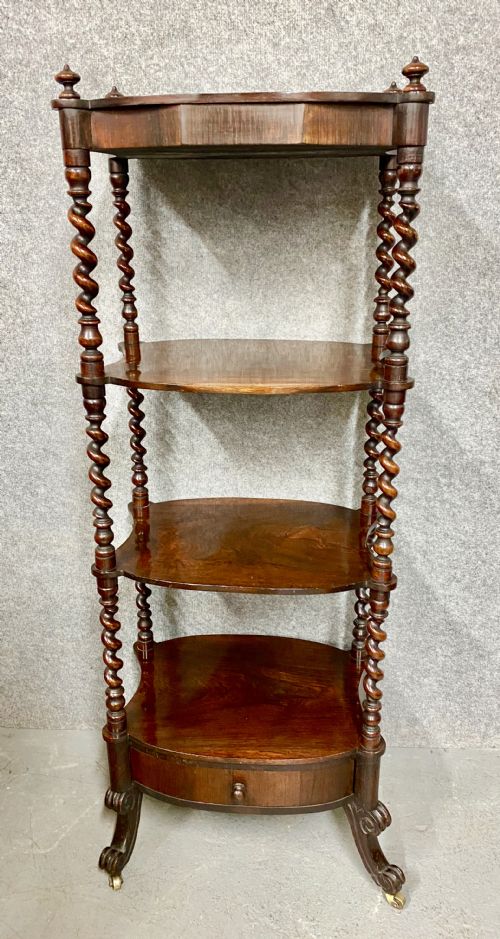


Vintage Rosewood Display Table
A vintage rosewood display table brings rich grain and refined elevation to a room, offering a sturdy stage for cherished objects.
Vintage Rosewood Display Table
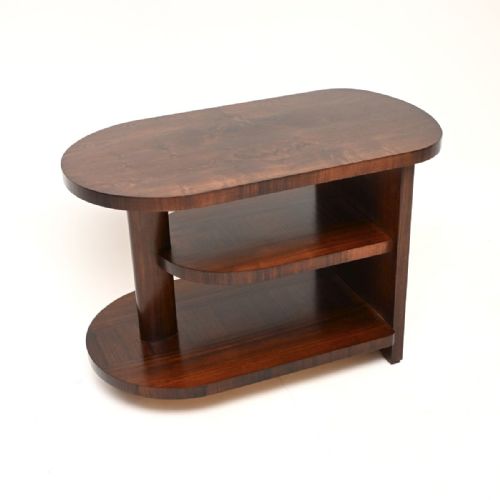
A vintage rosewood display table encompasses diverse functional forms designed to showcase ornaments, plants, and serving items within domestic interiors. These pieces emerge across periods spanning the nineteenth century through the art deco era, incorporating Edwardian, Victorian, and Qing dynasty styles.
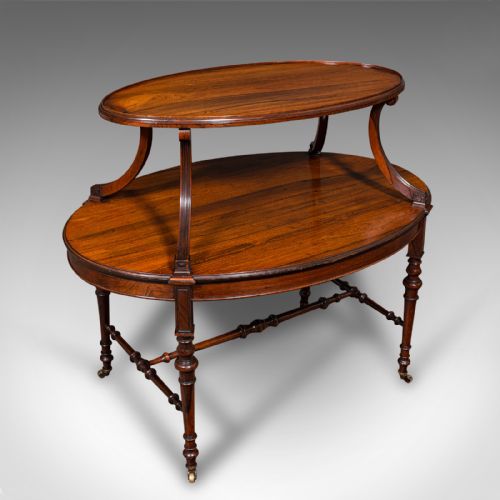
Materials extend beyond solid timber to feature contrasting marble inserts, intricate brass fittings, and mother-of-pearl inlay. Forms range from compact side tables to architectural plant stands and multi-layered dumb waiters.
How they were made
Cabinetmakers utilised dense rosewood and complementary hardwoods, frequently applying decorative veneers to achieve striking grain patterns on table tops and tiers. Frames often integrate contrasting satinwood inlay or brass mounts to accentuate the structural lines of occasional tables and étagères.
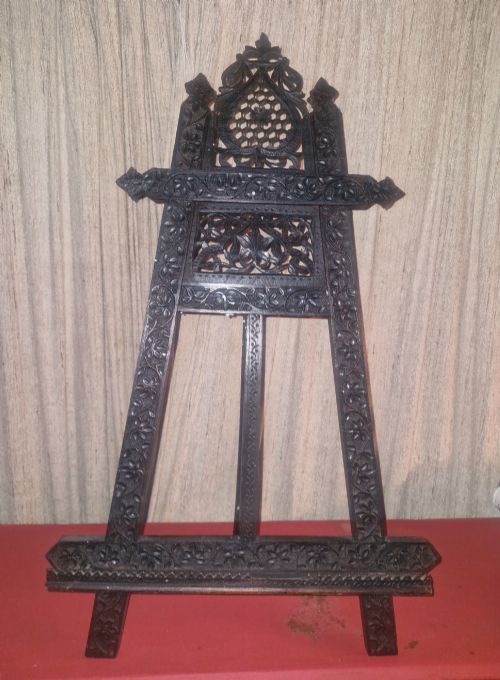
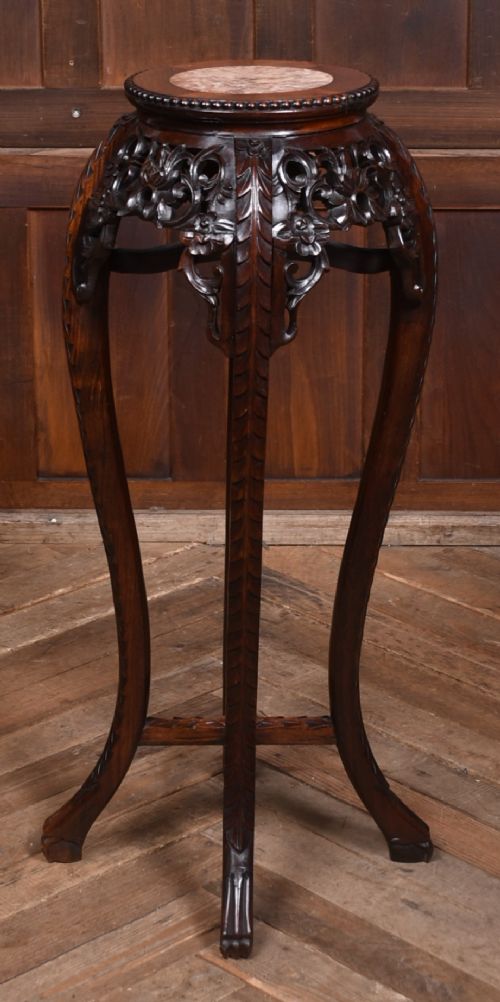
Carved Eastern and Chinese export pieces demonstrate traditional joinery combined with deep relief carving on legs, aprons, and display surfaces. Heavy stones such as rouge marble are precisely inset into solid wooden frames to create stable, cool surfaces for plants and urns.
Vintage Rosewood Display Table Retail Price Guide 2026
Typical asking prices for vintage rosewood display table among the pieces listed under this phrase on Sellingantiques today, from the lower quarter to the upper quarter. They describe what is for sale here now, not the wider market.
Several tables doubling as miniature display architecture quietly insist that your ferns deserve better real estate than the windowsill.
What varies in quality
The standard of carving and inlay fundamentally distinguishes exceptional examples from standard production pieces, particularly on Chinese export tables and Edwardian étagères. Crisp, deep relief work on hardwood stands and precise fitting of mother-of-pearl or brass demonstrate superior workshop execution.
The selection of timber grain and the integrity of inset marble tops dictate visual balance and long-term stability. Substantial weight, tight joinery at the corners of occasional tables, and well-preserved surface polishes indicate higher original craftsmanship.
The Vintage Rosewood Display Table Glossary
- Étagère
- A set of open shelves for displaying small ornaments and decorative objects. These tiered stands appear frequently in nineteenth-century English rosewood furniture.
- Jardiniere stand
- A tall piece of furniture designed specifically to hold a plant pot or flower arrangement. Many feature inset marble tops to protect the wood from moisture.
- Hongmu
- A traditional Chinese term translating to red wood, used to describe dense, dark hardwoods including various species of rosewood. Pieces utilise this heavy material for structural stability and fine carving.
- Occasional table
- A small, versatile table intended for intermittent use around a sitting room or drawing room. They appear in Edwardian and art deco designs with inlaid surfaces.
- Whatnot
- A multi-tiered shelving unit used for books or ornaments, developed during the Victorian period. These pieces provide vertical display space in domestic interiors.
Vintage Rosewood Display Table: Frequently Asked Questions
Where should I place a display table?
These tables suit corners, hallways, or beside seating where they can hold lamps, plants, or small collections without obstructing movement.
Their compact footprints allow them to function effectively as focal points in smaller rooms or transitional spaces.
How do I care for rosewood surfaces?
Maintain the wood by dusting regularly with a soft, dry cloth and avoiding placement near direct heat sources or strong sunlight.
Occasional light treatment with appropriate furniture wax helps preserve the natural sheen of the timber.
Are marble top stands waterproof?
The inset marble sections resist water from plant pots and vases, making them practical for holding living greenery and floral arrangements.
Care should still be taken to wipe away standing moisture promptly to protect the surrounding wooden frame.
How do I identify an Edwardian piece?
Edwardian examples often feature lighter rosewood frames accented with delicate inlaid banding, satinwood stringing, or brass galleries.
These designs generally emphasise slender proportions and refined elegance compared to heavier Victorian furniture.