






Vintage Rooster Painting
These vintage rooster painting selections bring forth vibrant agricultural subjects rendered through folk traditions and period canvases.
Vintage Rooster Painting
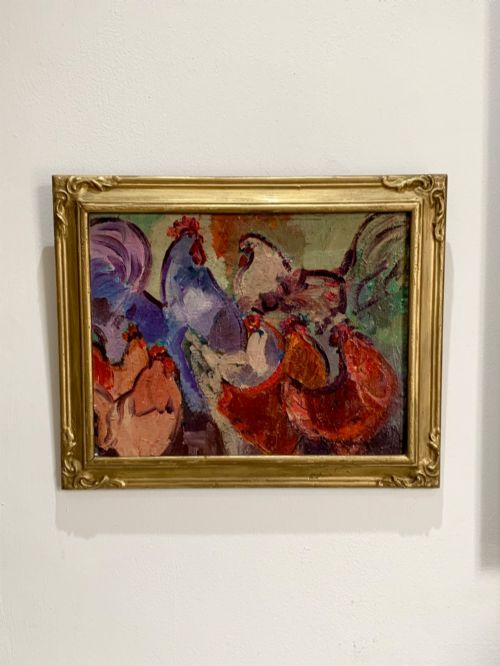
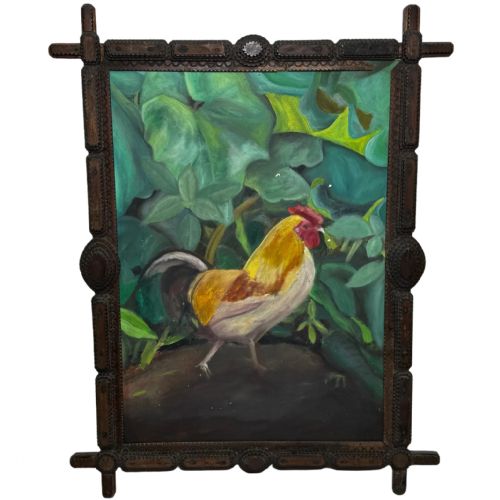
A vintage rooster painting search draws together varied interpretations of cockerels and farmyard birds across canvas, board, and metal works. The selection spans straightforward nineteenth-century realist depictions and bolder twentieth-century expressions.
Buyers meet subjects ranging from English landscape canvases to Catalan folk oils and expressionist poultry scenes. Works stretch from the Victorian era through the mid-twentieth century.
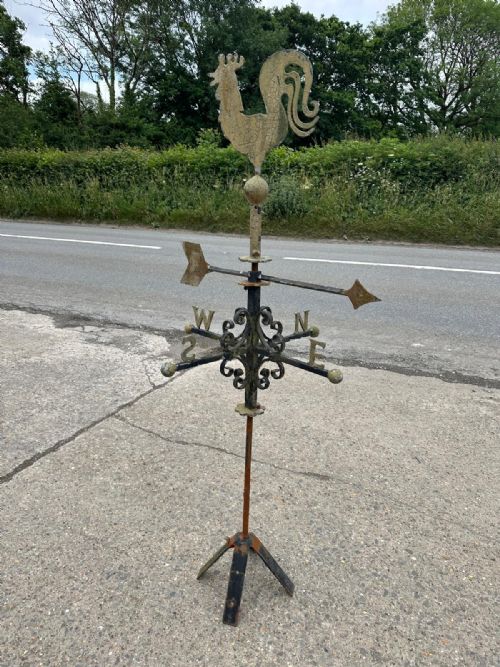
Forms extend beyond traditional framed pictures into painted metal weathervanes and decorative objects featuring the bird. Each piece captures the distinct character of the farmyard subject through the lens of its specific period.
Materials and construction
Artists relied primarily on oil paint applied to canvas or wood board, building up rich textures for the plumage. Watercolour on paper also appears among the works.
Rigid supports like iron and tin serve for structural items such as weather vanes and boxes. Gilded wood frames frequently house the painted surfaces, adding period weight to the presentation.
Vintage Rooster Painting Retail Price Guide 2026
Typical asking prices for vintage rooster painting among the pieces listed under this phrase on Sellingantiques today, from the lower quarter to the upper quarter. They describe what is for sale here now, not the wider market.
Listings incorporate nineteenth-century works alongside 1940s pieces, utilising oil paint, canvas, wood, and iron.
Judging quality in these works
Quality rests upon the sureness of the brushwork and the clarity of the bird's posture within its frame. Stronger paintings capture the alertness and feather patterns of the cockerel with decided confidence.
Material longevity dictates the upper tier, where original paint surfaces remain undisturbed by later restoration. The integration of frame and support further separates standard decorative items from finer expressions.
The Vintage Rooster Painting Glossary
- Oil on board
- A painting executed on a rigid wooden panel rather than flexible woven fabric. This support provides a firm ground for immediate brushwork.
- Folk art
- Artistic work created within a traditional culture by self-taught makers. These pieces often prioritise expressive character over academic perspective.
- Weathervane
- A movable device attached to an elevated structure to show the direction of the wind. Many incorporate rooster silhouettes fashioned from iron or tin.
- Expressionism
- A modernist style where the artist distorts visual reality to evoke emotional moods. The brushwork becomes heavier and colours grow more intense.
- Post-Impressionist
- A movement extending the boundaries of impressionism while rejecting its limitations. Artists favoured symbolic content and heavier outlines.
Vintage Rooster Painting: Frequently Asked Questions
What periods do these paintings come from?
The selections span the nineteenth century through the mid-twentieth century. Works include Victorian realist pieces alongside later folk and expressionist interpretations.
Individual pieces reflect the aesthetic preferences of their specific decade, ranging from Edwardian watercolours to 1940s oil boards.
Are all these items traditional oil paintings?
While many are executed in oil on canvas or board, the category also includes watercolours and painted metal objects. Weather vanes and decorative boxes expand the definition.
Each object utilises the rooster motif as a central visual theme regardless of its underlying medium.
How do folk art pieces differ from academic works?
Folk art works are typically produced outside formal academic training traditions. They emphasise direct expression and bold regional character over strict anatomical proportions.
Academic works, by contrast, adhere closely to established rules of perspective, realism, and classical composition.
How should I display a painted weather vane?
Metal weather vanes designed for outdoor placement can be mounted indoors on custom stands. This allows the silhouette and original paint to be viewed closely.
Display spaces benefit from neutral walls that highlight the varied patinas of the aged iron and tin.