

20th Century English Painting
These original 20th century english painting examples capture shifting landscapes and portraits across decades of changing domestic artistic expression.
20th Century English Painting
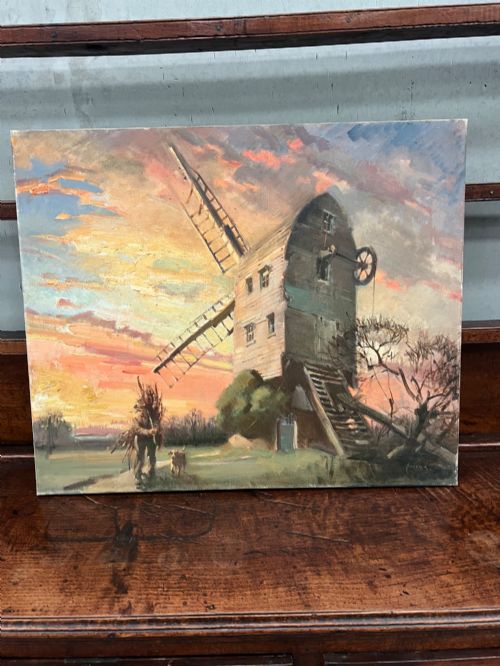
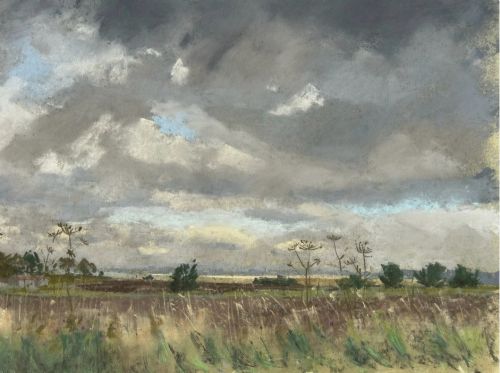
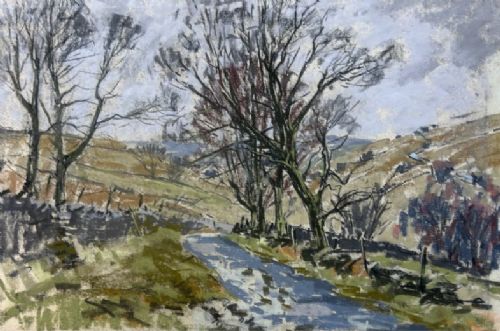
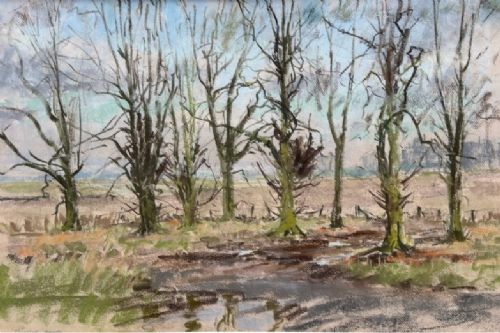
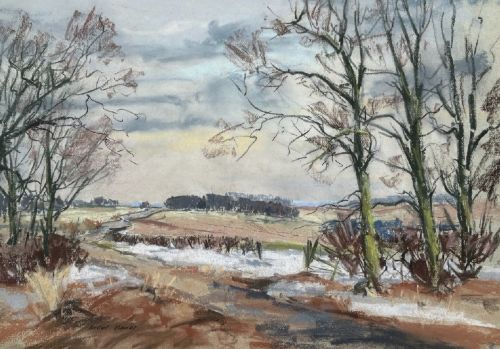
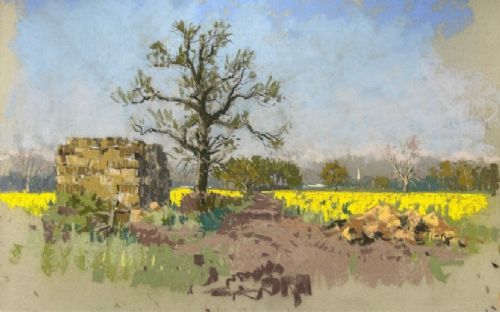
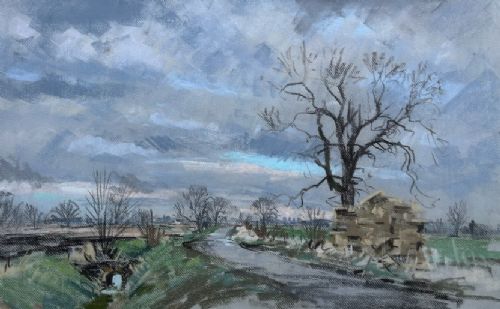
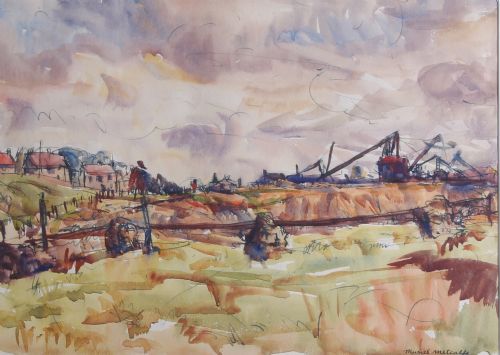
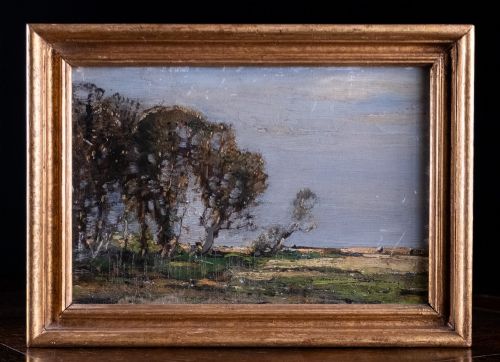
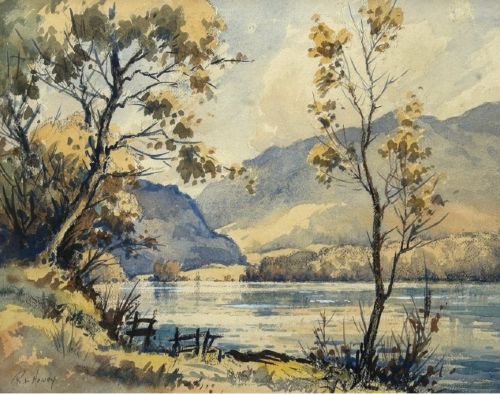
A 20th century english painting captures landscapes, coastal scenes, and domestic portraits spanning from Edwardian traditions through to mid-century modern movements. These works document rural vistas, northern towns, and coastal views through shifting stylistic lenses.
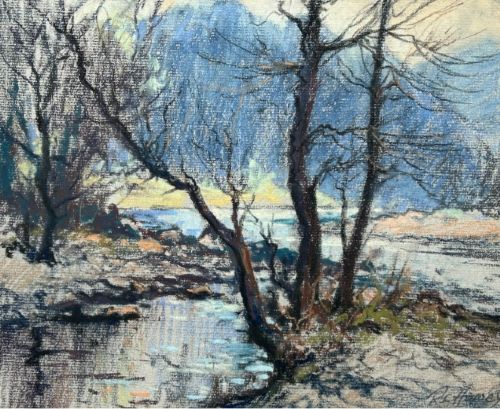
The selection includes oils on canvas or board alongside watercolours and pastel drawings. Pieces range from intimate landscape studies to large topographical works created across decades of domestic artistic output.
Materials and Methods
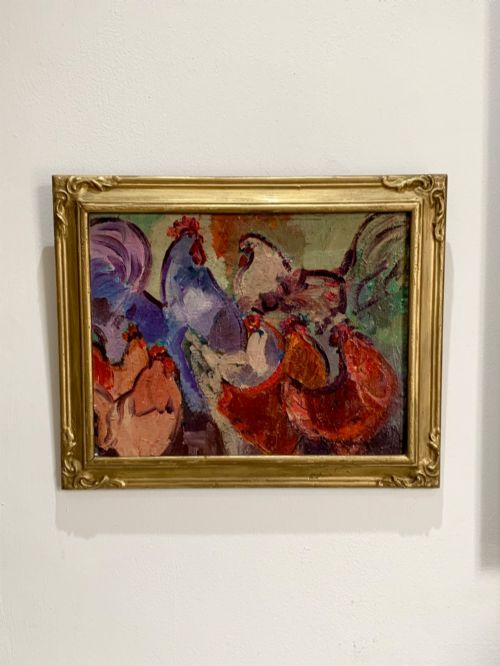
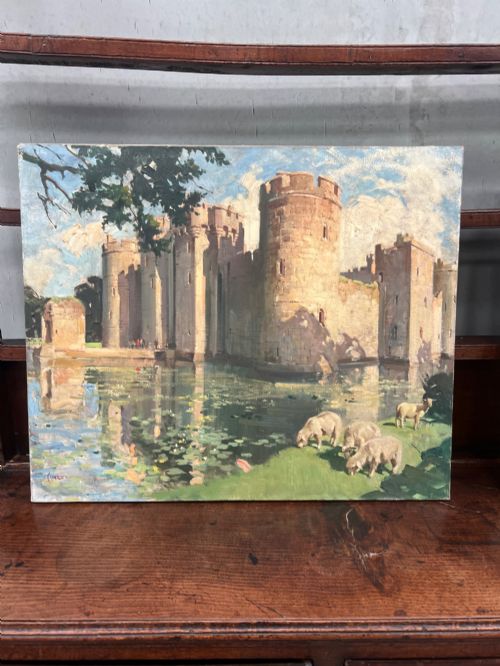
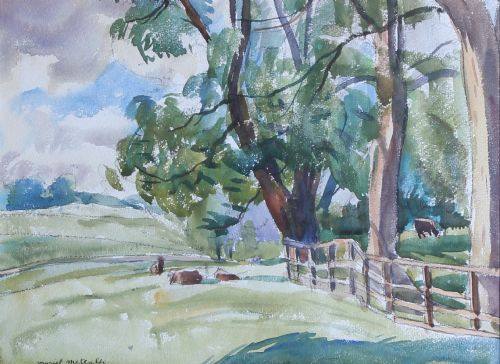
Artists applied oil paint to stretched canvas, wooden panels, or board, building up rich textures and deep colour fields. Watercolours and pastels on paper allowed for rapid atmospheric sketches capturing changing light conditions across northern and southern landscapes.
Works are frequently housed in period wooden frames that complement the distinct aesthetic of British Impressionist, Post-Impressionist, and Modern British schools.
20th Century English Painting Retail Price Guide 2026
Typical asking prices for 20th century english painting among the pieces listed under this phrase on Sellingantiques today, from the lower quarter to the upper quarter. They describe what is for sale here now, not the wider market.
Support materials recorded in the archive include canvas, wood panel, paper, and board.
Evaluating Quality
Quality in these works rests upon the surety of the artist's hand, composition, and atmospheric depth rather than mere subject matter. Stronger examples demonstrate confident brushwork or delicate pastel handling that successfully evokes specific weather and terrain.
Condition plays a role, with stable paint layers, minimal surface cracking, and original framing preserving the integrity of the piece over time.
Terence Cuneo·Angus Rands·Percy Lancaster·Robert Leslie Howey·John Rattenbury Skeaping
The 20th Century English Painting Glossary
- Oil on Canvas
- Pigment suspended in drying oil applied to a woven fabric support. This technique allows for rich blending and textured impasto application.
- Watercolour
- Pigment ground in a water-soluble binder applied to paper surfaces. It produces translucent washes of colour suited to landscape studies.
- Pastel Drawing
- Finely ground pigment compressed into stick form and applied to paper. It offers immediate colour saturation and soft textural effects.
- Post-Impressionist
- A stylistic movement extending beyond Impressionism that emphasises geometric forms and expressive use of paint. Artists here explored emotional resonance over strict optical realism.
20th Century English Painting: Frequently Asked Questions
What subjects appear in these paintings?
Landscapes form the primary focus, featuring Yorkshire dales, Cumbrian lakes, coastal beaches, and rural cottages. Portraits, still lifes, and pastoral scenes also populate the selection.
These subjects reflect the domestic preoccupations of artists working through changing decades across the British Isles.
How should I care for a watercolour painting?
Watercolours on paper require protection from direct sunlight to prevent fading of delicate pigments. Framing behind conservation glass in a stable indoor environment preserves the paper support.
Keep pieces away from damp walls and excessive temperature fluctuations to maintain their physical stability.
How are different decades identified?
Stylistic shifts help date works, moving from Edwardian pastoral realism toward Post-Impressionist abstraction and mid-century modern compositions. Signature styles, framing materials, and artist records provide concrete chronological markers.
Many pieces carry dated signatures or exhibition labels on the reverse.
Were these works intended for home display?
Most paintings of this scale were created for domestic interiors as framed wall art. Their portable formats suited suburban and country homes alike.
Artists often exhibited these pieces through regional galleries and sketching clubs for private buyers.