


Vintage Rocking Cradle
These vintage rocking cradle pieces offer nursery heritage and gentle movement, built to soothe an infant with time-honoured craftsmanship.
Vintage Rocking Cradle
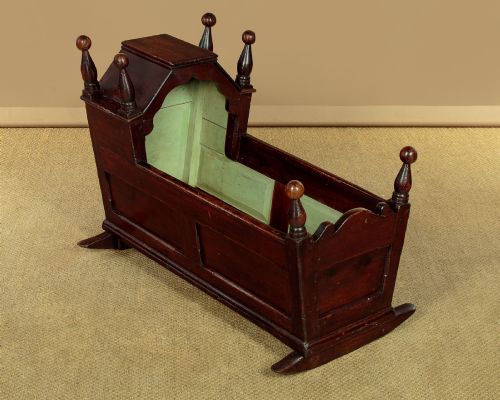
A vintage rocking cradle is a traditional sleeping bed for an infant mounted on curved runners or rockers, designed to move back and forth. When buyers search for a vintage rocking cradle, they encounter items spanning from the seventeenth century through to the Edwardian period, with nineteenth-century examples appearing most frequently.
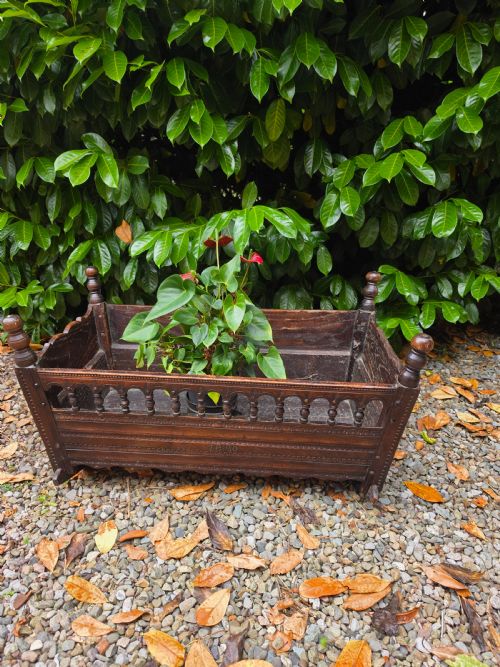
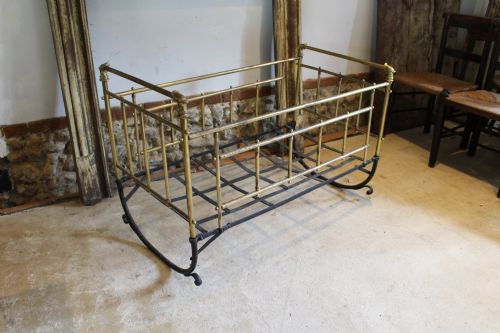
The construction typically takes the form of a wooden box or hooded enclosure, sometimes incorporating panelled sides or open spindles. Formats range from rustic country pine and oak styles to more formal mahogany designs and occasional iron work.
Origins vary from English workshops to Scandinavian country pieces and Welsh vernacular examples. Buyers find sturdy oak cribs, panelled pine structures, and cane-work bassinets all designed for infant slumber.
How they were made
Construction relies heavily on solid timbers like oak, pine, and mahogany, shaped and joined with traditional methods. Panel construction provides strength to the walls, while curved wooden rockers are fitted to the base to allow smooth motion.
Surface treatments vary according to origin, featuring natural waxed timber finishes, original layers of paint, or applied cane and rattan work. Metal components such as brass fittings or wrought iron frameworks appear in later Victorian and Edwardian iterations.
Some nineteenth-century infants slumbered in movable mahogany contraptions that transformed to suit the nursery.
What varies in quality
The distinction between standard items and superior examples lies in the depth of timber selection, such as figured mahogany or quality quarter-sawn oak. The sophistication of joinery, including panel moulding and carved detail, elevates the standing of a piece.
Condition and originality dictate desirability, particularly the retention of original painted surfaces, authentic rocker mechanisms, and intact caning. Maker attribution, such as retail stamps from established firms, also separates ordinary pieces from notable ones.
Heals and son
The Vintage Rocking Cradle Glossary
- Hooded cradle
- A infant bed featuring a covered canopy at the head end to shield the child from drafts. This hood is often structurally integrated into the panelled woodwork.
- Rockers
- The curved wooden arcs attached to the base of the crib that permit a swaying motion. They allow the bed to glide smoothly across the floor.
- Panelled crib
- A piece constructed using framed wooden panels fitted into grooved posts. This method provides structural stability and allows for decorative moulding.
- Caned crib
- A bed utilising woven rattan or cane lattice work for the sides or back. This technique lightened the visual weight of mahogany and hardwood frames.
- Metamorphic cot
- A convertible piece of nursery furniture designed to alter its form for different uses. These versatile items adapt as the infant grows.
Vintage Rocking Cradle: Frequently Asked Questions
How do I date a rocking cradle?
Dating relies on examining the timber species, joinery techniques, and overall stylistic characteristics of the piece. Seventeenth-century examples often display heavy oak panelling, whereas Victorian versions utilise mahogany, pine, or applied brass.
Hardware details, tool marks, and surface finishes like early paint layers also provide clues to the era of manufacture. Comparing the form against documented regional styles helps narrow the period further.
Can these cradles still be used for babies?
Most antique and vintage cradles are valued primarily as decorative objects or historic artefacts rather than for modern nursery use. Safety standards for infant sleep have evolved significantly since these pieces were made.
Buyers generally acquire them for display, storage, or collection rather than active child care. Those wishing to use one often consult modern safety guidelines before placing an infant inside.
What wood types are most common?
Oak and pine appear frequently across the earlier centuries and country vernacular styles. Pine was often painted or left natural in regional workshops.
Mahogany becomes more prevalent during the Victorian era, often paired with cane or upholstery. Fruitwood and other secondary timbers also appear in specific seventeenth-century pieces.
What is the difference between a cradle and a crib?
In historical terms, the nomenclature often overlaps between makers and period listings. Cradles generally emphasise the rocking function with curved base runners.
Cribs may refer to stationary enclosed beds or include rocking mechanisms depending on regional terminology. Both terms describe compact sleeping furniture designed for infants.