


Vintage Red Wing Chair
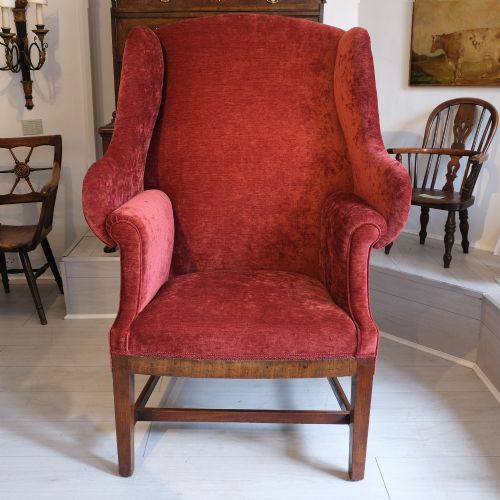
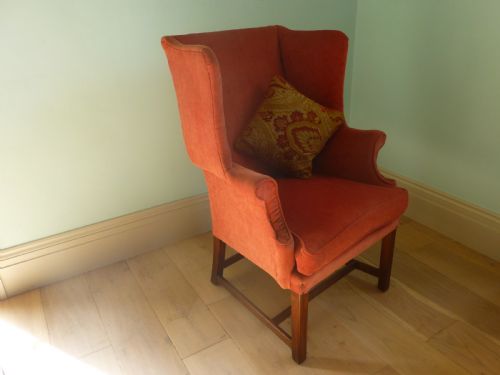
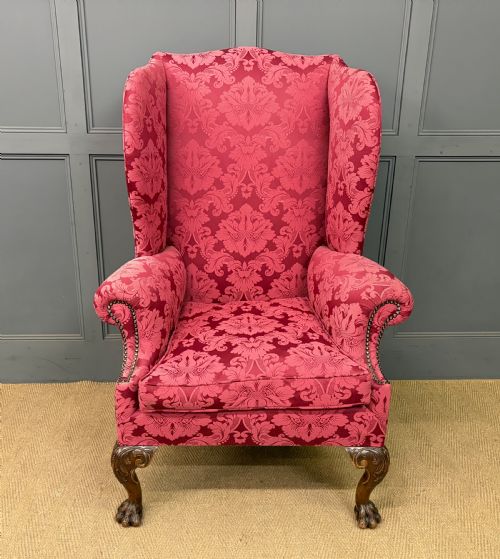
A vintage red wing chair offers deep wings and high backs designed to block drafts, anchoring a room with traditional British comfort.
Vintage Red Wing Chair
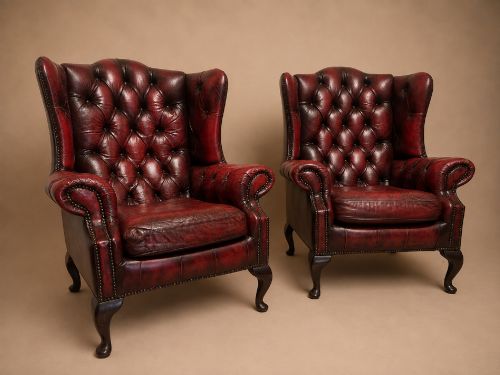
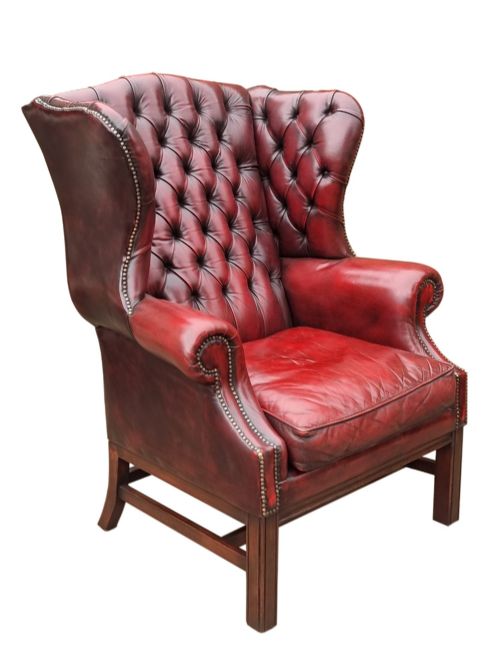
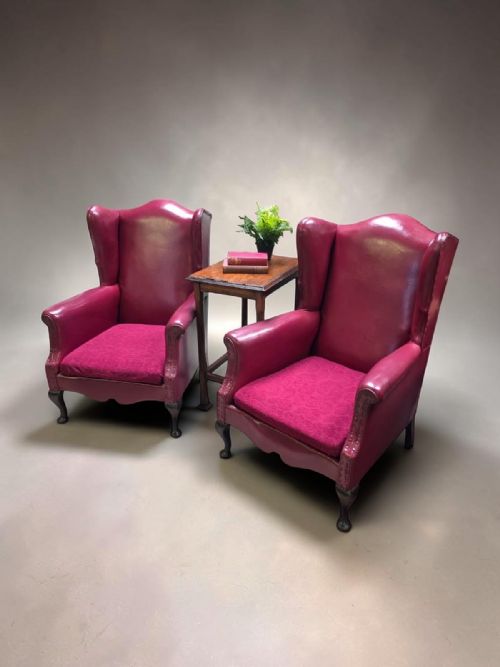
When you search for a vintage red wing chair, you encounter substantial upholstered seating featuring protective side panels designed centuries ago to keep drafts away from the head. The examples appearing on this page span several distinct eras, stretching from the 18th century through the Victorian period, Edwardian years, and into the 1930s.
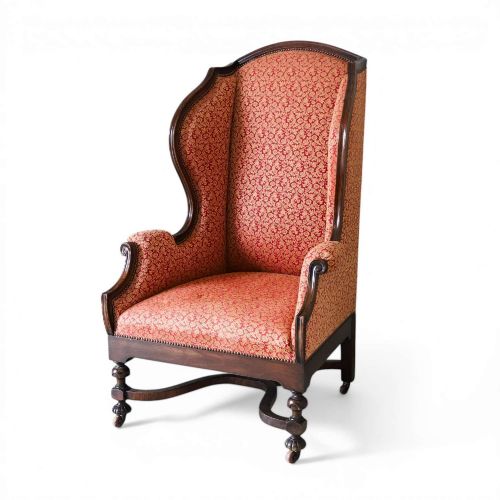
Most pieces met here take the form of traditional armchairs, though related settees and occasional pairs also emerge. The red colouration in these listings typically manifests in rich leather, oxblood hides, burgundy tones, or burnt orange upholstery textiles.
Origins represented in the inventory lean towards English cabinetmakers alongside occasional French and American examples. You will find classic Queen Anne styles, George III interpretations, and heavier Carolean revival shapes among the selection.
How they were made
Upholstery techniques combine traditional stuffing methods with high-grade leather, velvet, or chenille twill. Brass details, such as decorative nailheads, often secure the fabric edges and accentuate the sweeping lines of the wings.
Early draftsmen built these winged seats so well that generations of house cats have spent centuries claiming the top corners as sleeping perches.
What varies in quality
Quality differences stem from the fidelity of the period style and the integrity of the underlying timber frame. Finer pieces demonstrate precise joinery and sophisticated carving on the exposed wood components.
The grade of the covering material dictates much of the distinction at the upper end of the range. Supple, aged leather with natural patination or dense, well-woven textile coverings elevate a piece beyond standard production.
HOWARD AND SONS
The Vintage Red Wing Chair Glossary
- Wingback
- An armchair featuring projecting side panels designed to trap heat and block draughts from the occupant's head and shoulders. These wings became a staple of domestic seating by the late seventeenth century.
- Chesterfield
- A traditional style of heavily upholstered seating characterised by deep button tufting and rolled arms that sit at the same height as the back. The term frequently applies to substantial leather armchairs and sofas.
- Carolean Revival
- A late nineteenth-century design movement that imitates the ornate, scrolling woodwork and rich textiles popular during the reign of King Charles II. Pieces from this revival often display elaborate carved frames.
- Chenille twill
- A textured woven fabric utilising fuzzy pile yarns that create a soft surface handle and subtle ribbed diagonal patterns. This material appears frequently on nineteenth-century upholstered armchairs.
- Oxblood leather
- A deep, dark reddish-brown hide colour that develops a rich lustre and patina through age and use. It is commonly found on traditional executive and library seating.
Vintage Red Wing Chair: Frequently Asked Questions
How do I identify a Georgian wing chair?
Georgian examples typically display restrained proportions, crisp woodwork, and stretcher bases beneath the seat. The wings often flow seamlessly into the armrests with organic curves.
Later Victorian and Edwardian interpretations tend to be bulkier, incorporating different leg turning and heavier padding around the frame.
What is the difference between leather and fabric upholstery on these chairs?
Leather upholstery offers a durable, wipeable surface that ages with distinctive creasing and patination over decades of use. Fabric coverings, such as velvet or chenille, provide a softer tactile warmth and a wider range of colour depth.
Both materials were utilised across different periods depending on the intended room setting and fashion.
How were wing chairs used historically?
These chairs were originally positioned near fireplaces in draughty houses to trap heat around the sitter. The side wings successfully shielded the face and neck from sudden gusts of cold air.
Over time, they transitioned into status pieces for reading and relaxing in libraries and drawing rooms.
How do I fit a large wing chair into a modern room?
A substantial wing chair works well as a focal point in a living room corner or paired beside a fireplace. Their vertical height helps balance lower modern furniture and fills empty wall space effectively.
Allow sufficient floor area around the piece so the flared wings and arms do not crowd the surrounding layout.