


Vintage Red Velvet Chair
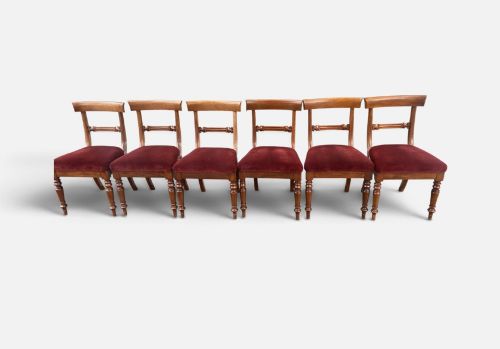
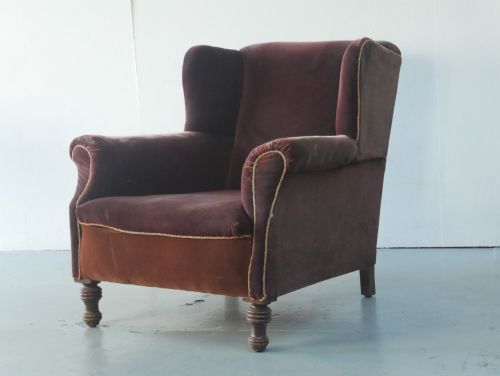
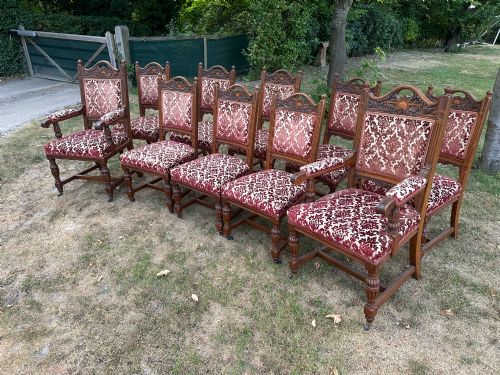
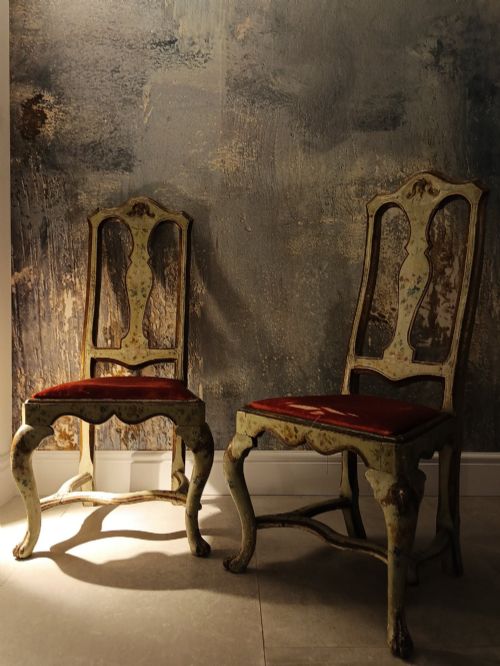
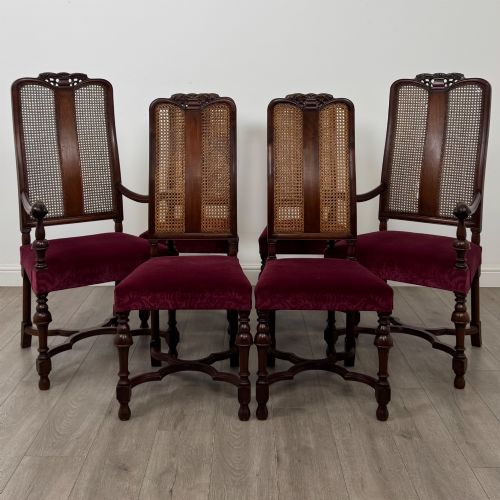
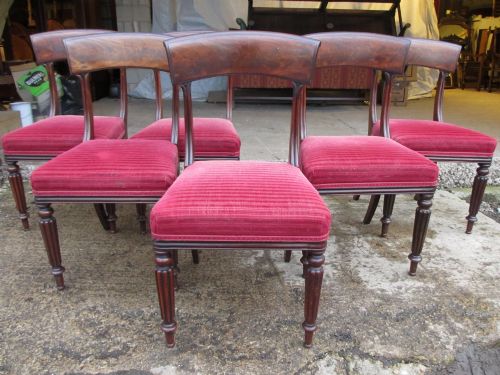
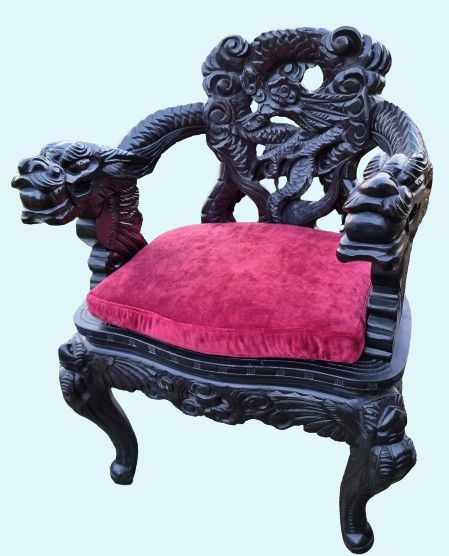
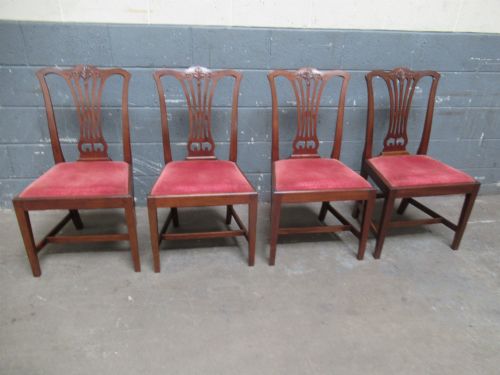
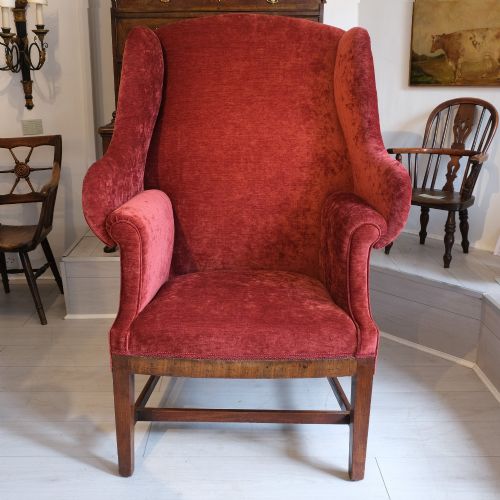
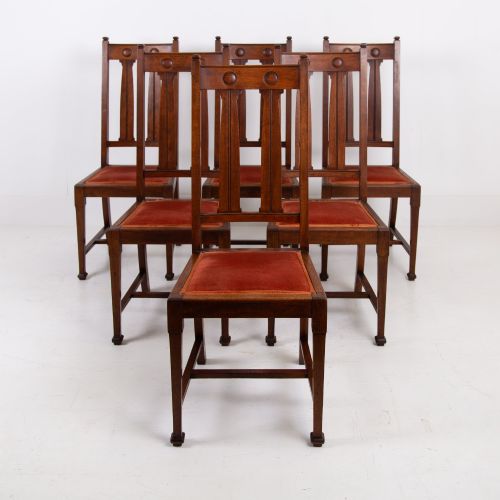
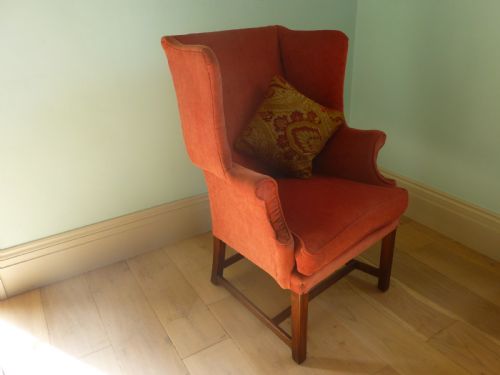
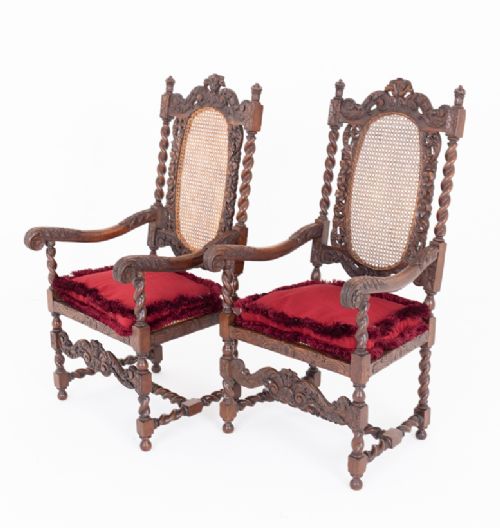
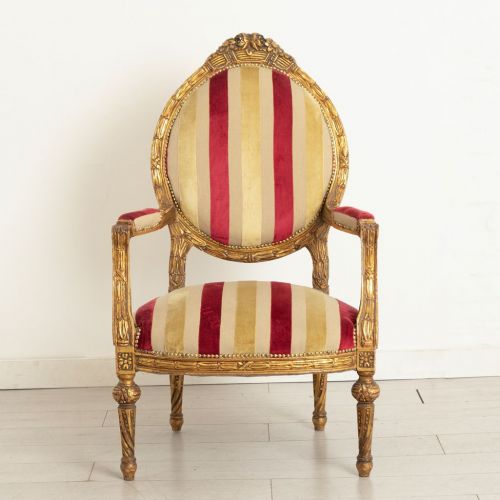
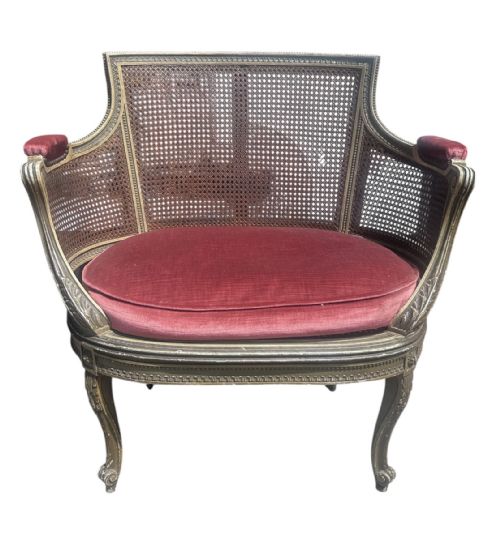
A vintage red velvet chair offers rich texture and period character, bringing warmth and structured seating to a traditional room.
Vintage Red Velvet Chair
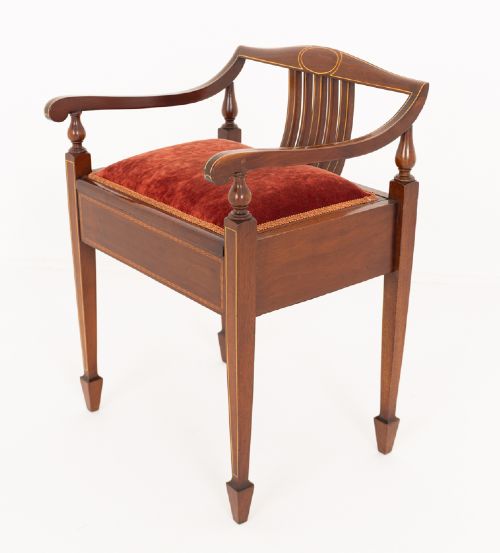
A vintage red velvet chair encompasses various seating forms spanning the nineteenth century through the Edwardian period and early twentieth century. Buyers encounter styles ranging from Victorian and Edwardian armchairs to Georgian-influenced dining chairs and piano stools.
The selection includes large wing chairs, parlour chairs, and club chairs alongside sets of dining chairs and desk chairs. These pieces originate from diverse periods including the Victorian era, William IV reign, and Regency period.
While velvet is the defining textile, the evidence shows pieces upholstered in related fabrics such as chenille twill, alongside frames built from mahogany, oak, walnut, rosewood, and timber.
Materials and construction
Frames are constructed from dense timbers such as mahogany, oak, walnut, and rosewood, often shaped into revival styles including Chippendale, Sheraton, and Louis XV. Joinery relies on traditional methods suited to the bearing of weight and daily use.
Upholstery combines textile covers like velvet and fabric with traditional stuffing techniques. Metal components such as brass appear on hardware, castors, and adjustable piano stools, while cane elements feature on specific seat panels.
Vintage Red Velvet Chair Retail Price Guide 2026
Typical asking prices for vintage red velvet chair among the pieces listed under this phrase on Sellingantiques today, from the lower quarter to the upper quarter. They describe what is for sale here now, not the wider market.
Listings feature timber frames in mahogany, oak, walnut, and rosewood paired with velvet, fabric, cane, and brass details.
Distinctions in quality
Quality rests in the precision of the timber carving and the integrity of the frame construction, particularly in revival styles that emulate earlier cabinet-making traditions. Heavier hardwoods and robust joinery distinguish superior seating from simpler utilitarian forms.
HOWARD AND SONS
The Vintage Red Velvet Chair Glossary
- Fauteuil
- An open-framed upholstered armchair with wooden arms originating in France. These chairs typically feature exposed carved woodwork around the back and seat rail.
- Wing chair
- An armchair with side panels mounted to the back frame designed to shield the occupant from drafts. Period examples often stand on cabriole or tapered legs.
- Piano stool
- An adjustable seat designed for musicians, frequently featuring a revolving mechanism. Nineteenth-century versions often utilise rosewood or mahogany with wooden screw adjustments.
- Carver chair
- An armchair designed to match a set of dining chairs, traditionally placed at the head of a dining table. These pieces share the stylistic vocabulary of the surrounding side chairs.
Vintage Red Velvet Chair: Frequently Asked Questions
How do I identify a Victorian red velvet chair?
Victorian examples often display heavy walnut or mahogany frames with deep buttoning and rich crimson or ruby textile upholstery. Look for stylistic cues such as turned legs and horseshoe-shaped backs.
Construction methods from this era typically involve robust timbers and hand-tied springs beneath the velvet cushion. Comparing the woodwork to documented nineteenth-century cabinet designs helps confirm the period.
Can I use an antique armchair daily?
Most period armchairs and side chairs were built from solid hardwoods like oak and mahogany to withstand regular use. Checking the stability of the frame ensures the piece remains structurally sound for sitting.
Routine maintenance involves gentle brushing of the velvet and inspecting the joints periodically. Proper care preserves both the timber frame and the textile upholstery over decades of use.
How should I care for vintage velvet upholstery?
Velvet requires gentle handling to prevent crushing the pile, which gives the fabric its distinctive reflective quality. Regular light vacuuming with a soft brush attachment removes dust without damaging the fibres.
Professional cleaning is recommended for spots or deep staining to avoid water marks on the delicate pile. Keeping the chair away from direct sunlight protects the red dye from fading over time.