




Vintage Red Side Table
A vintage red side table brings striking colour and practical surface space to a room, ranging from Chinoiserie lacquer to painted country finishes.
Vintage Red Side Table
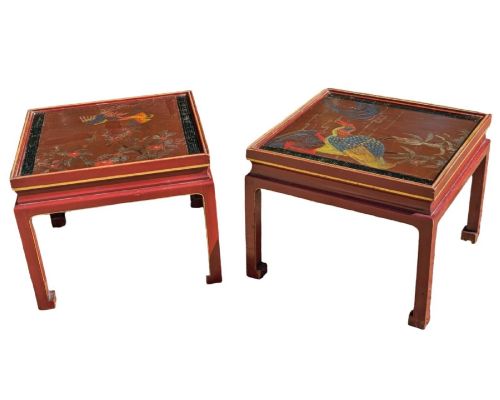
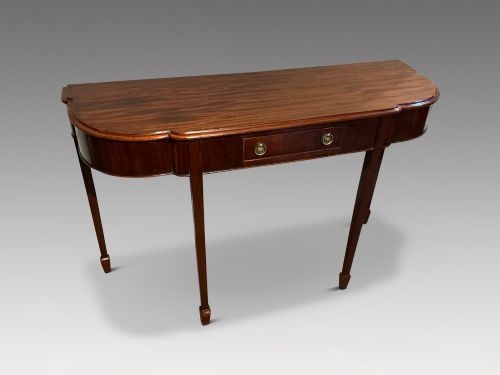
When you search for a vintage red side table, you encounter a variety of forms spanning centuries of design, from Chinese low tables and Burmese lacquer to European writing desks and lamp tables. The selection includes painted kitchen tables, console tables, and occasional furniture finished in distinctive red hues.
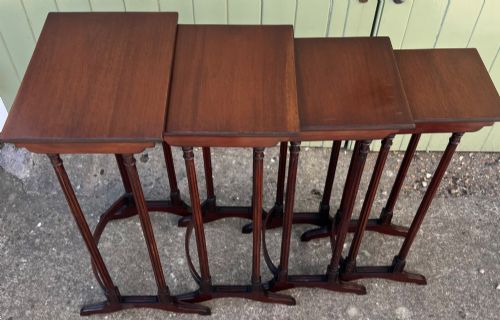
The pieces appearing in this category originate from different periods, notably the nineteenth century, Edwardian era, and the nineteen-thirties. Forms range from compact lamp tables and nests of tables to larger writing surfaces and bedside cabinets.
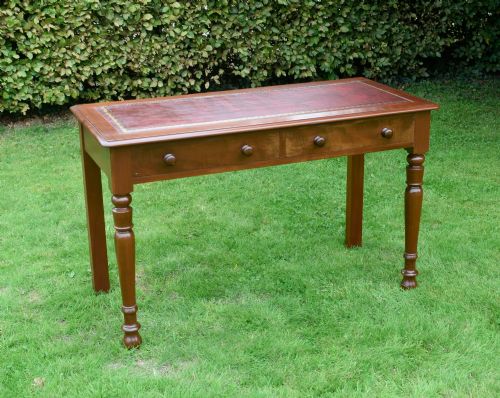
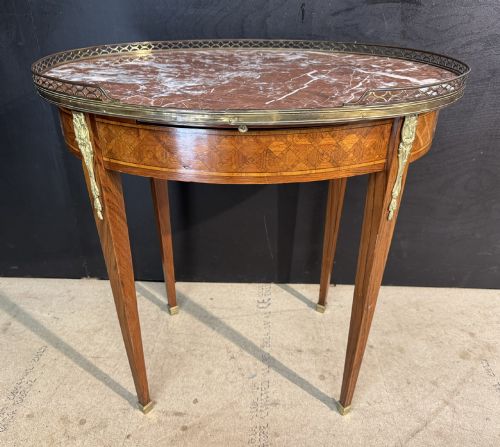
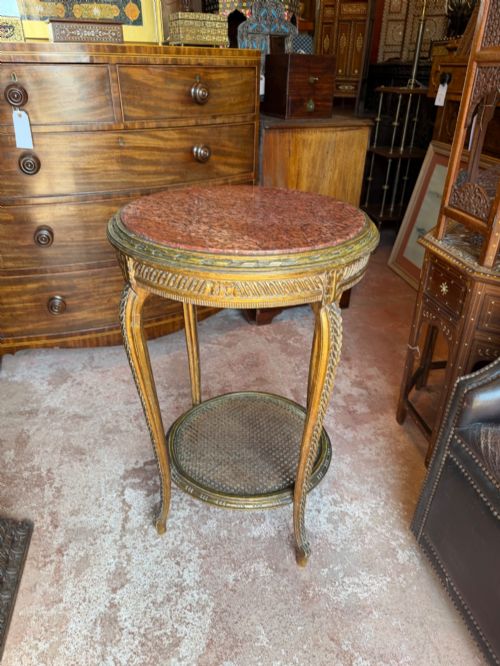
Buyers often meet pieces finished in oriental lacquer or painted with traditional pigments like Falu red, alongside mahogany and walnut frames fitted with contrasting red writing surfaces or marble tops.
Materials and construction methods
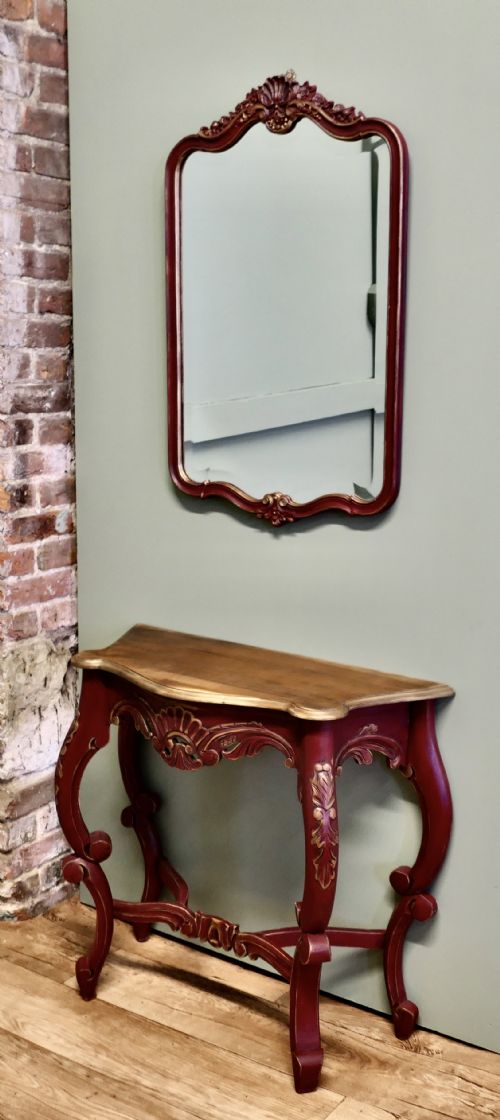
These tables employ traditional timber frames such as mahogany, walnut, rosewood, and oak, frequently shaped into cabriole legs, turned supports, or straight tapering forms.
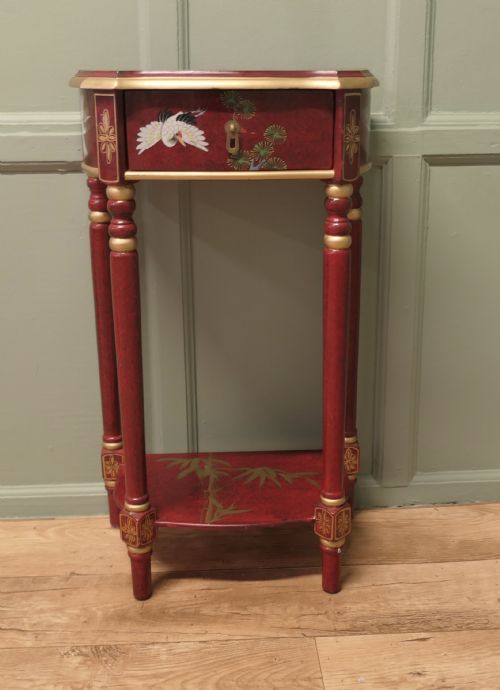
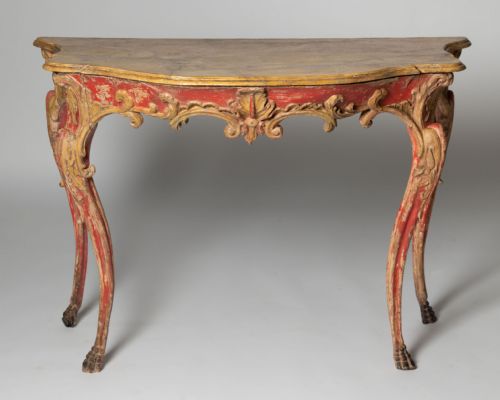
Surface treatments define many examples in this group, utilising layered red lacquer, applied Chinoiserie decoration, or painted finishes applied over wood.
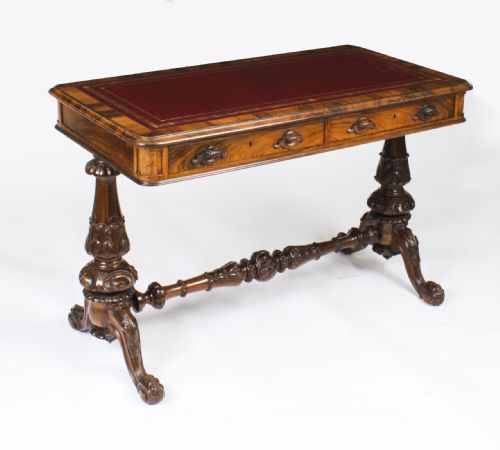
Interiors and tops often incorporate contrasting elements, including leather writing inserts, marble slabs, and brass hardware.
Vintage Red Side Table Retail Price Guide 2026
Typical asking prices for vintage red side table among the pieces listed under this phrase on Sellingantiques today, from the lower quarter to the upper quarter. They describe what is for sale here now, not the wider market.
Materials recorded across the selection include mahogany, marble, lacquer, brass, walnut, leather, and velvet.
Assessing quality in red side tables
Quality rests upon the execution of the surface finish, particularly the depth and preservation of the red lacquer, paint, or polish. Superior examples display meticulous hand-applied detail and cohesive ageing across the entire piece.
Structural integrity and timber selection separate finer tables from standard utilitarian items. Well-made pieces utilise stable hardwoods and precise joinery that maintain stability over generations of use.
Edwards and Roberts
The Vintage Red Side Table Glossary
- Lacquer
- A durable finish applied in multiple layers to wood surfaces. Asian and European makers used this technique to create glossy, richly coloured surfaces on tables.
- Gueridon
- A small French occasional table supported by one or more columns or figures. These pieces often serve as lamp stands or display surfaces in a room.
- Falu red
- A deep red paint colour derived from copper mine waste in Sweden. It has been used for centuries to coat wooden furniture and buildings.
- Bijouterie table
- A glass-topped display table designed to showcase small valuable items, jewellery, or curiosities. They are commonly found in Edwardian drawing rooms.
Vintage Red Side Table: Frequently Asked Questions
What is a vintage red side table used for?
These tables provide functional surface space in living areas, hallways, and bedrooms. They hold lamps, books, or decorative objects while adding a bold splash of colour to an interior scheme.
Depending on the specific form, such as a low table or writing desk, they also offer dedicated surfaces for writing or serving tea.
How do I identify Chinoiserie red tables?
Chinoiserie pieces typically feature hand-painted or lacquered red surfaces decorated with Asian-inspired motifs, landscapes, and figures, often highlighted with gilt.
They emerged strongly during various revival periods and draw on eighteenth-century design traditions that celebrated Eastern aesthetics.
Are these tables made from solid wood?
The construction depends on the origin and period of the table. Many employ solid hardwoods like mahogany, oak, or walnut for their frames and structural supports.
Lacquered and painted examples often utilise underlying timber cores built specifically to hold smooth layers of decorative finish.
How do I care for a lacquered red table?
Keep lacquered and painted surfaces away from direct sunlight to prevent fading or drying of the finish. Dust gently with a soft, dry cloth rather than using harsh chemical polishes.
Protect the surface from moisture and heat by using coasters or mats beneath objects placed on the table.