
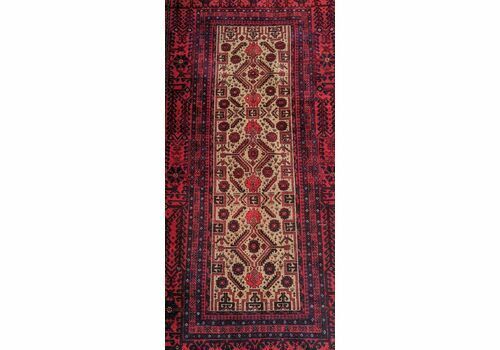
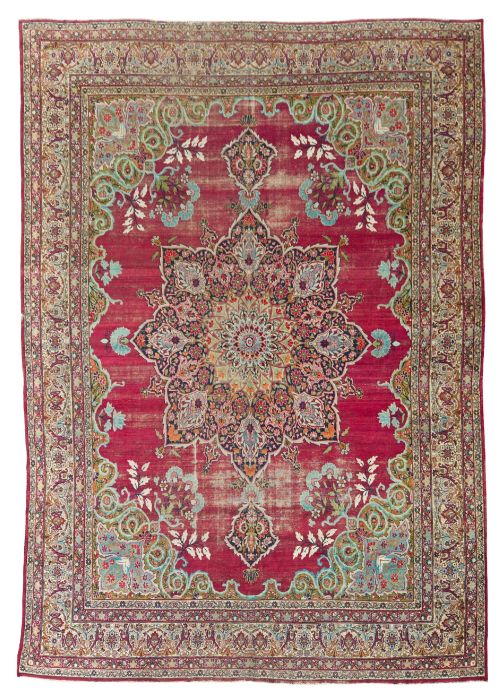
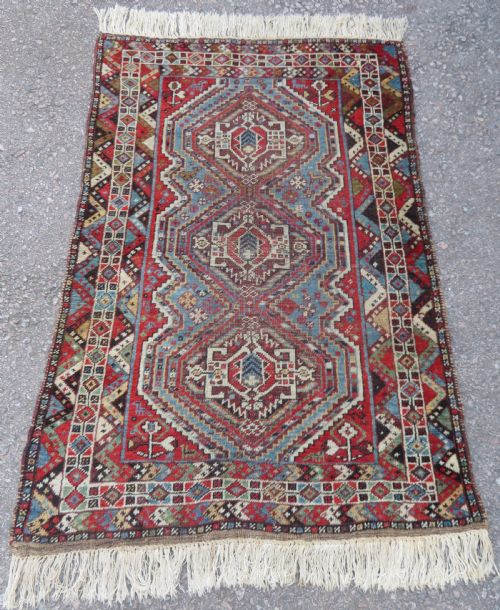
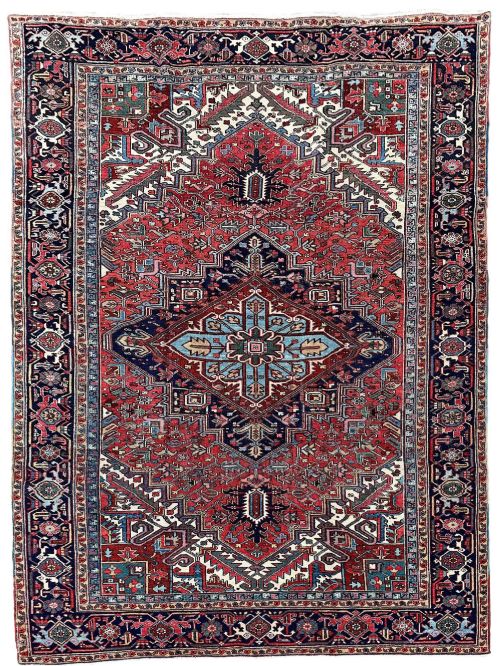
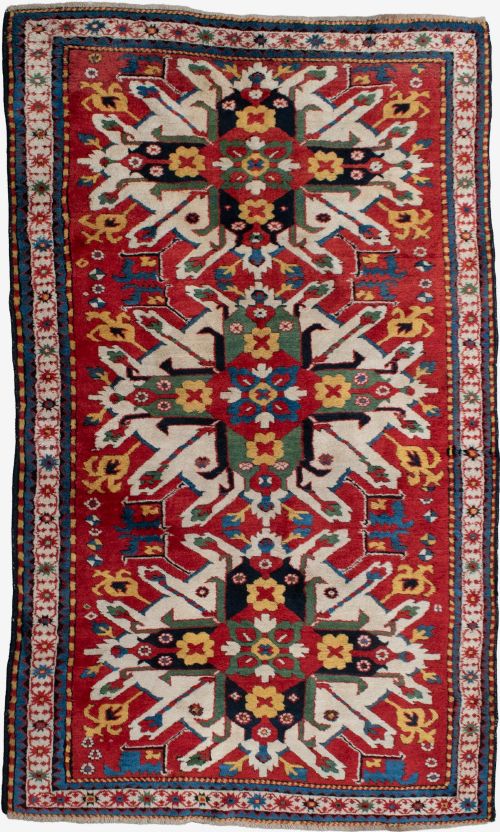
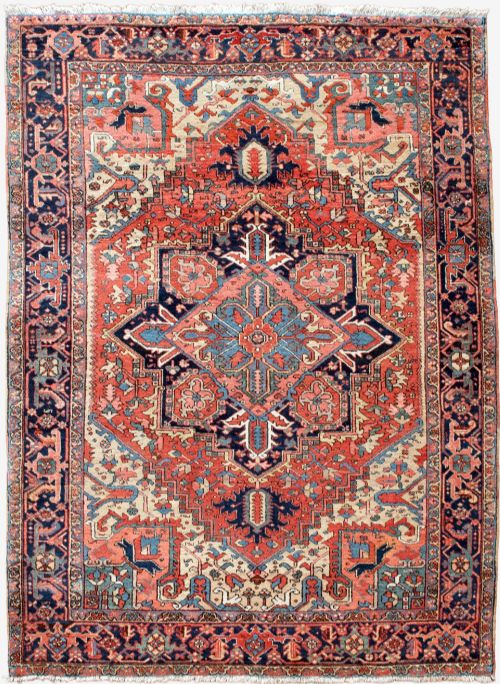
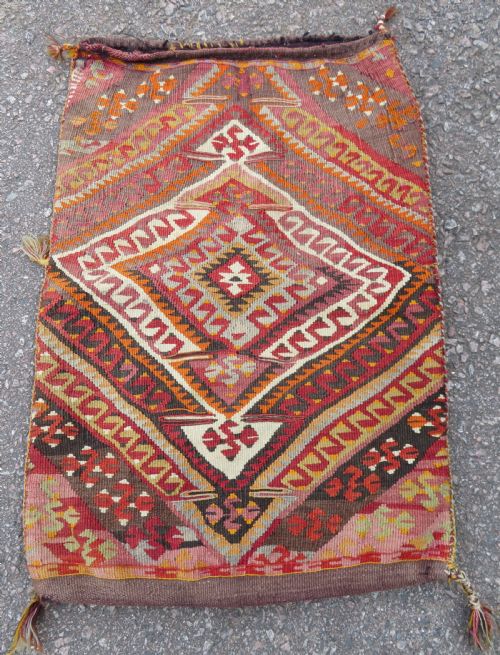
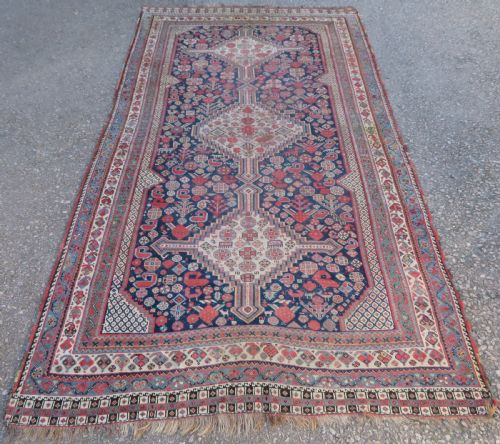
Vintage Red Rug
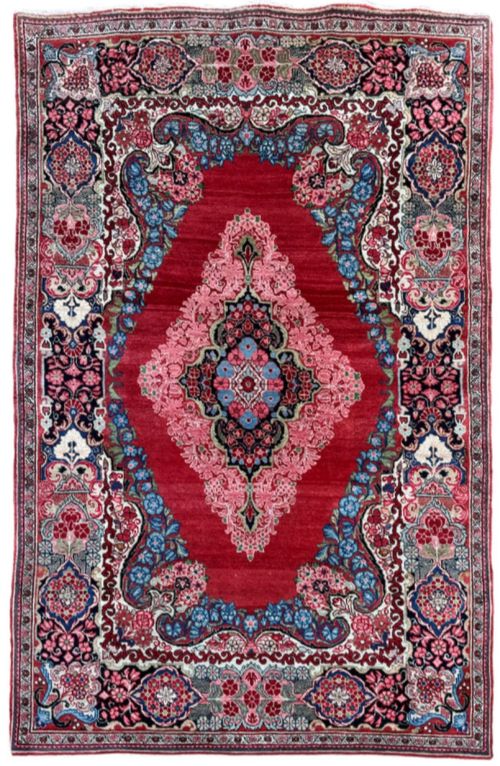
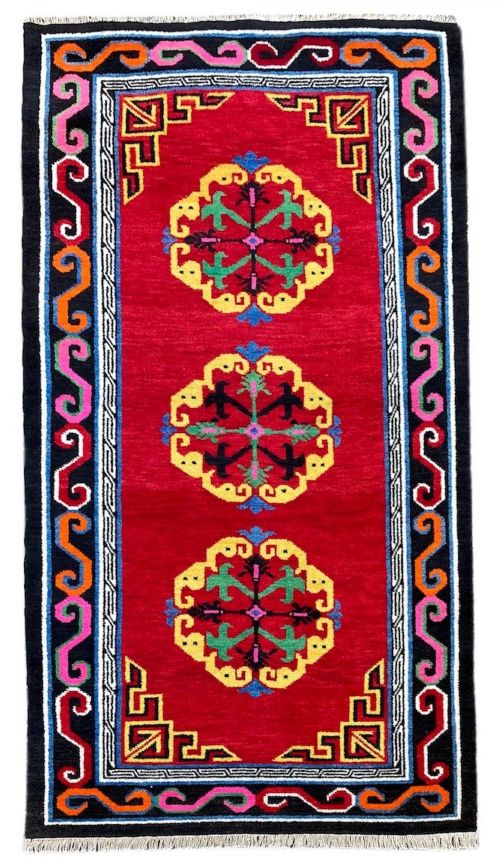
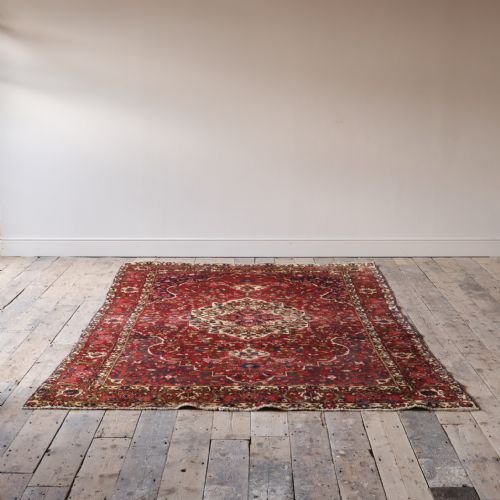
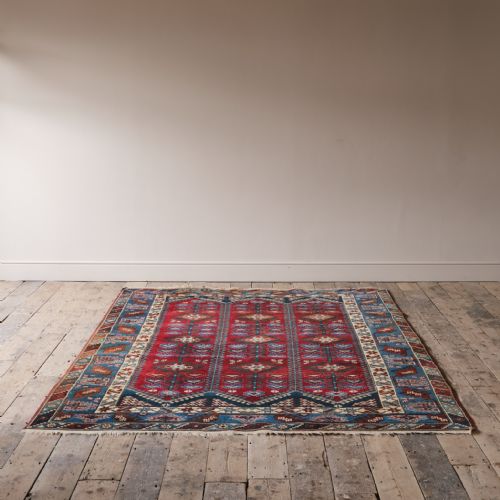
A vintage red rug brings warmth and deep pigment into a room, drawn from traditional Persian, Anatolian, and Central Asian workshops.
Vintage Red Rug
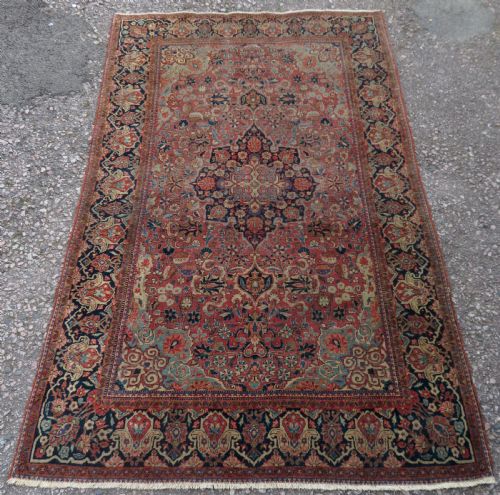
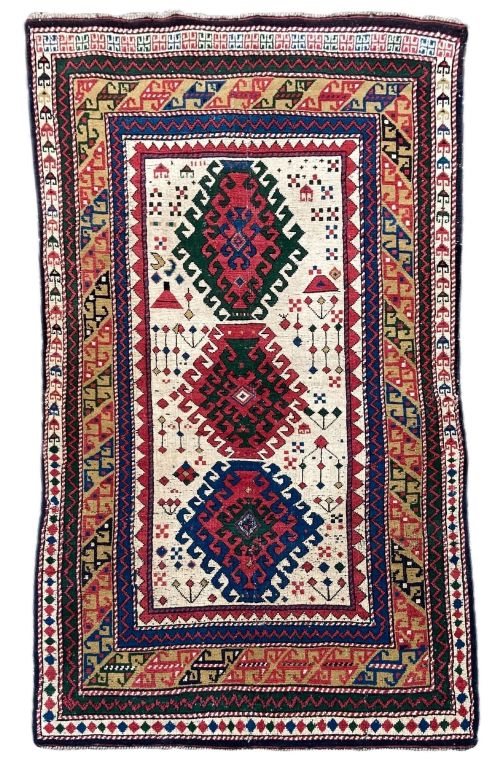
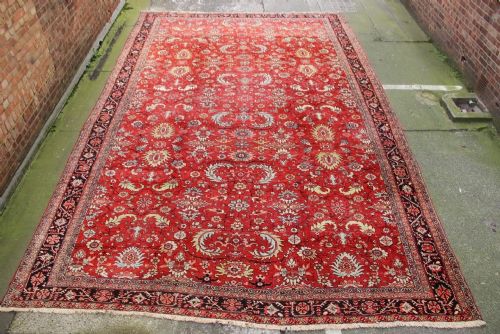
A vintage red rug encompasses woven floor coverings, runners, prayer rugs, and nomadic textiles produced across Persia, Turkey, the Caucasus, and Central Asia. These pieces date from the nineteenth century through the early twentieth century, spanning periods such as 1900, 1920, 1910, 1930, 1890, 1880, 1870, and the wider nineteenth century.
The versions most commonly met on this page include Persian tribal and traditional carpets, alongside Caucasian Kazak rugs and Turkmen village weavings. Formats range from large area carpets and elongated runners down to compact prayer rugs and specialised items like saddle covers and tobacco bags.
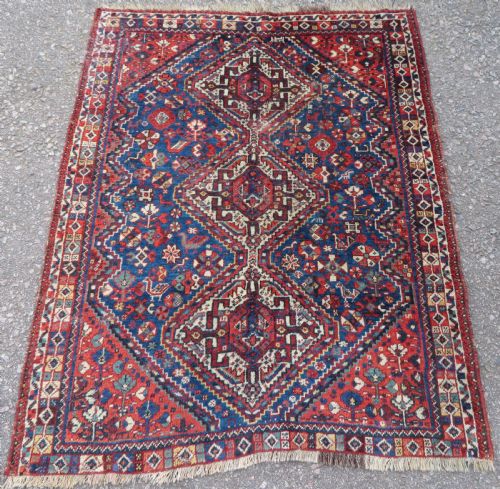
Makers in these traditions worked within specific regional design vocabularies, producing pieces identified by town names like Tabriz, Heriz, Isfahan, and Ushak, or tribal affiliations such as Afshar, Bakhtiar, Baluch, Khamseh, and Yomut.
How They Were Made
Weavers constructed these pieces predominantly using wool, pure wool, and felted wool, often supported by cotton foundations or cotton thread. Selected examples incorporate silk or silk thread to create shimmering highlights within the pile.
Makers utilised natural dyes to achieve the characteristic deep red, rust, and colourful tones seen across the pieces. Hand-knotted and hand-woven techniques predominated, supplemented by specialised flatweaves and occasional embroidery on felted wool.
Listings span eight distinct periods from the late nineteenth century through 1930, featuring wool, cotton, silk, and natural dyes.
What Varies In Quality
Quality rests in the precision of the knotting, the handling of the wool, and the depth achieved by natural dyes. Finer pieces demonstrate tight, even pile construction that allows intricate geometric or floral motifs to maintain crisp outlines.
The vitality of the colour palette distinguishes superior examples, where variation in tone gives the surface life. Materials also play a role, as the inclusion of silk highlights or exceptionally lustrous wool elevates a piece above standard village production.
Afshar Nomads·Kizyl Ayak Tribe·Lakai Tribe
The Vintage Red Rug Glossary
- Pile
- The upright yarn loops or tufts that form the usable surface of a rug. Dense pile provides durability and softens the underfoot feel.
- Warp
- The vertical threads stretched tightly on the loom before weaving begins. These foundational threads form the fringe at either end of the finished carpet.
- Weft
- The horizontal threads passed back and forth between warp threads to bind the knots in place. Proper beat-in of the weft creates a firm, stable structure.
- Prayer Rug
- A compact rug featuring a mihrab or niche design used historically for daily prayer. These portable items often display specific directional motifs pointing toward Mecca.
- Natural Dyes
- Colouring agents derived from plants, insects, and minerals rather than synthetic chemicals. They age gracefully, developing subtle patination over decades.
Vintage Red Rug: Frequently Asked Questions
How do I identify a tribal rug?
Tribal rugs typically display geometric patterns, bold medallions, and motifs passed down through specific nomadic groups rather than urban workshops. Their designs often reflect the daily life, beliefs, and local surroundings of the weavers.
Look for asymmetric layouts, abrash colour variations within the red fields, and sturdy wool construction suited to portable lifestyles. These pieces carry the distinct regional character of areas like the Caucasus or Central Asia.
Where were these rugs made?
These textiles originate from traditional weaving centres across Persia, Anatolia, the Caucasus, and Central Asia. Towns such as Tabriz, Heriz, Ushak, and Isfahan developed distinct urban workshop styles.
Meanwhile, nomadic and village groups including the Afshar, Bakhtiar, Baluch, and Yomut produced distinctive pieces in rural provinces. Each geographical region utilised local materials, dyeing traditions, and knotting techniques.
How do I care for a wool rug?
Vacuum gently without using a rotating beater brush to protect the vintage wool pile and foundation threads. Lift the nozzle rather than dragging it across the edges and fringe.
Rotate the rug periodically to ensure even wear from foot traffic and sunlight exposure. Address spills immediately by blotting with a clean, dry cloth rather than rubbing.
What is a runner rug used for?
Runner rugs are long, narrow floor coverings designed specifically for corridors, hallways, and staircases. They soften footsteps and introduce warmth and colour into transitional spaces.
In historical settings, narrow formats also served alongside larger seating areas or beds. Their proportions help guide movement through a home while protecting timber or tiled floors.
How do natural dyes age?
Natural dyes mellow gradually over time, interacting with light and air to develop a soft patination. Reds and rust tones often acquire subtle depth rather than fading uniformly.
This gradual softening process helps authenticate older pieces, distinguishing plant-based pigments from harsher synthetic alternatives. The resulting tonal shifts add character to the surface.