
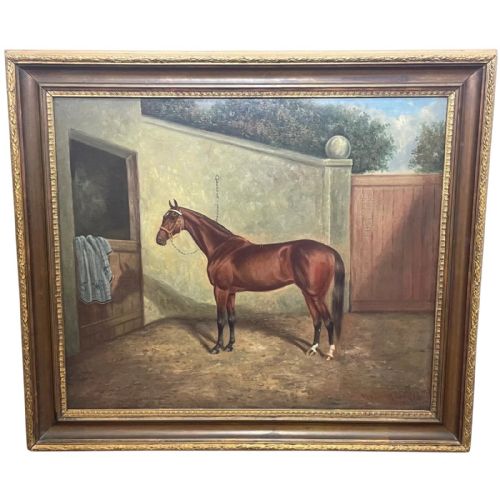
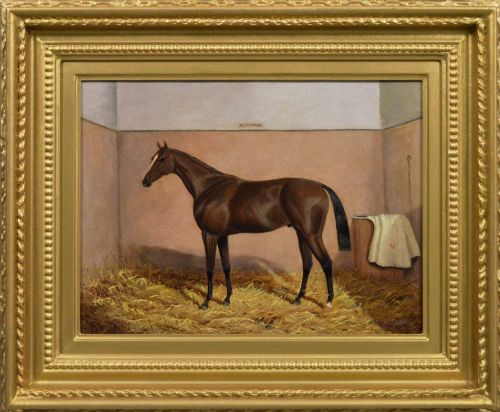
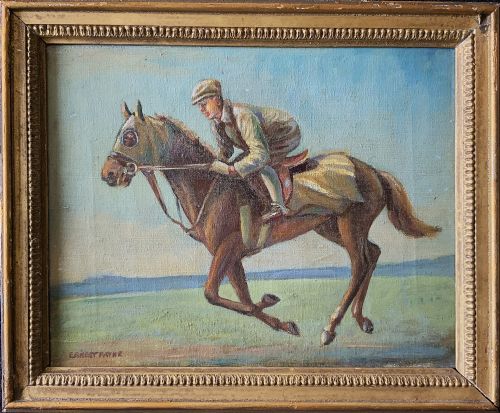
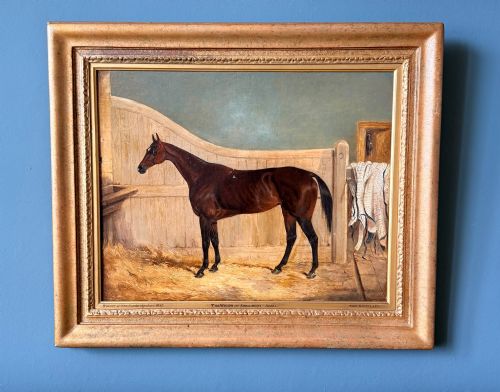
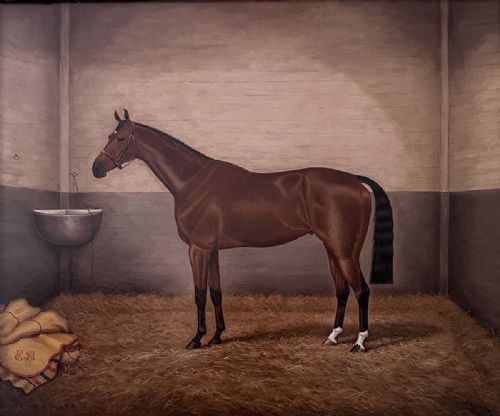


Vintage Racehorse Painting
These vintage racehorse painting works capture the speed, form and spirit of historic turf champions through enduring oil on canvas and framed print formats.
Vintage Racehorse Painting
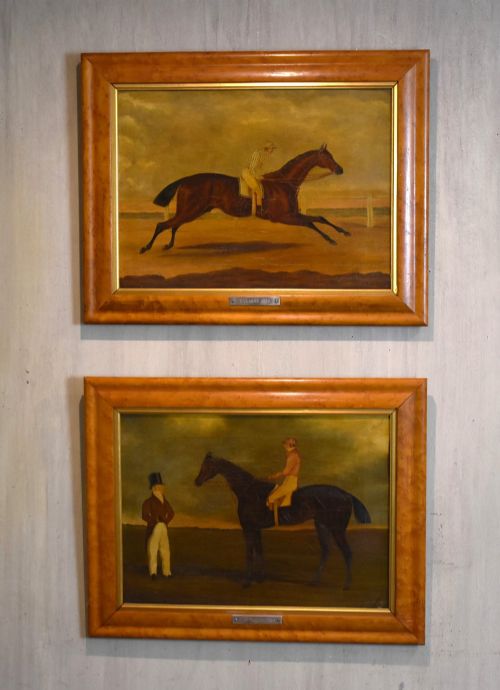
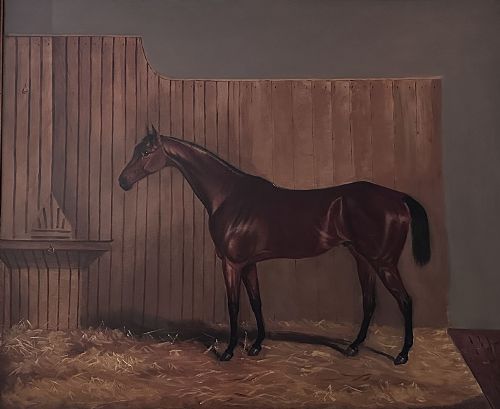
When you search for a vintage racehorse painting, you encounter a specialised genre dedicated to equestrian subjects, sporting art and historic race meetings. These works celebrate celebrated winners, famous jockeys and dramatic trackside moments from past eras.
The selections available here span from the nineteenth century through the Edwardian period and the early twentieth century. You will frequently meet oil paintings on canvas, alongside framed prints and eglomise reproductions that record legendary runners and historic courses.
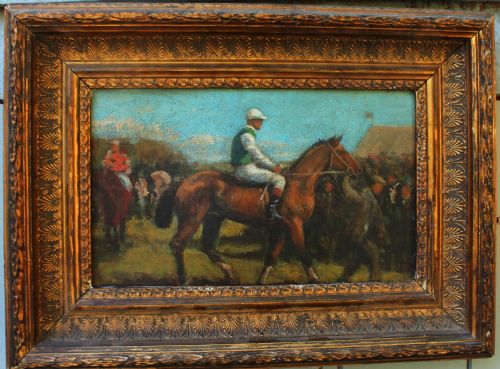
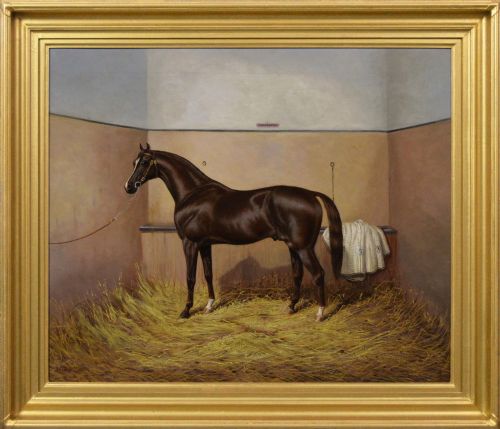
The subjects range from intimate horse portraits of champions like Spion Kop and Persimmon to bustling race paddock studies and track scenes. Each piece offers a direct window into the rich traditions of British sporting history and equestrian realism.
How they were made
Artists created these works primarily using oil paint applied to canvas, wood panels or paper supports. This traditional medium allowed painters to build rich textures, capture the sheen of a horse's coat and render the vibrant colours of jockey silks with lasting depth.
Many historical pieces are housed in their original giltwood frames, whilst other examples utilise glass protection such as eglomise techniques. The combination of skilled brushwork and period framing defines the physical character of these sporting artworks.
Even tiny snuff boxes occasionally received meticulous miniature portraits of racehorses and jockeys.
What varies in quality
The distinction between standard works and exceptional pieces rests upon the precision of equine anatomy and the artist's ability to convey kinetic energy. Master painters capture the exact muscle structure, tense posture and distinct personality of a thoroughbred.
Provenance and documented subject matter elevate certain works significantly above anonymous studies. Paintings that identify specific historic winners, renowned jockeys, notable owners and celebrated racecourses carry a deeper historical resonance.
Frederick Albert Clark·Ernest Payne·Thomas Walker Bretland·John Frederick Herring Snr·Alfred Munnings·Albert Clark·Abraham Cooper·Alfred Wheeler·John Atkinson·Isaac Cullin·Walter Herbert Wheeler·Frank Giggs
The Vintage Racehorse Painting Glossary
- Oil on canvas
- A painting medium where pigments suspended in oil are applied to a stretched woven fabric support. This combination provides durability and allows for subtle blending of tones.
- Eglomise
- A decorative technique where gold or silver leaf and paint are applied to the rear face of glass. This process creates a mirrored, reflective finish found on specific historical reproductions.
- Sporting art
- A genre of fine art dedicated to depicting bloodsports, racing, hunting and athletic pursuits. These works record the pivotal figures and animals of rural and turf history.
- Equestrian realism
- An artistic style focused on the accurate, lifelike portrayal of horses in motion or repose. Practitioners prioritise correct proportions and anatomical detail above idealised forms.
Vintage Racehorse Painting: Frequently Asked Questions
What is a vintage racehorse painting?
These works are historical artworks depicting thoroughbred horses, jockeys and racing scenes from past centuries. They serve as visual records of famous turf victories and traditional equestrian culture.
Collectors prize them for their connection to racing history and their depiction of legendary animals. Most examples utilise oil on canvas or appear as framed prints from the nineteenth and early twentieth centuries.
How do I identify the period of a painting?
Dating relies upon examining the artistic style, framing materials, canvas preparation and any inscribed names or dates. Victorian and Edwardian works often display specific clothing styles for jockeys and spectators.
Comparing the depicted racehorse against historical racing records also helps establish a precise timeframe. Artists active during specific decades provide reliable chronological markers.
Where should I hang these paintings?
These artworks suit studies, libraries, living rooms and hallways decorated in traditional or transitional interior styles. Their rich colour palettes complement wood panelling and classic wall finishes.
Placement should avoid direct sunlight to protect oil pigments and paper supports from fading. Pairing them with period giltwood frames enhances their presence on a wall.
Who were the notable artists in this genre?
Prominent painters included specialists in equine anatomy like John Frederick Herring Snr, Albert Clark and Alfred Wheeler. Their works documented celebrated winners at major racecourses across Britain.
Other artists captured atmospheric trackside moments and race paddocks in the manner of Alfred Munnings. Signed works by these figures carry distinct historical importance.