



Vintage Punch Bowl
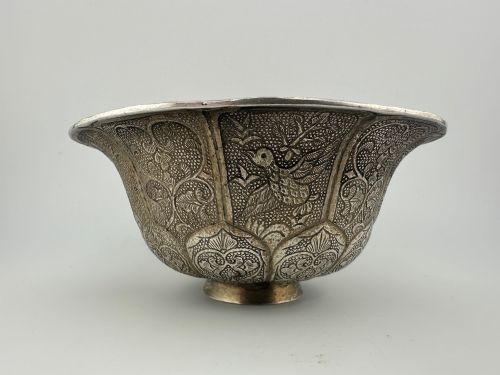
A vintage punch bowl brings people together, offering generous capacity and rich decorative character for grand gatherings.
Vintage Punch Bowl
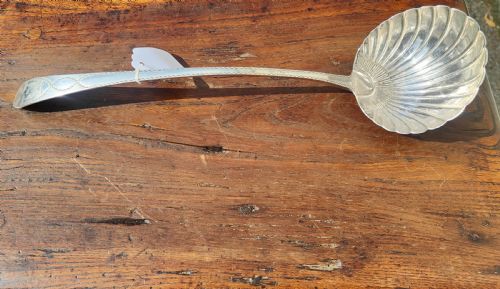
A vintage punch bowl serves as a grand centrepiece designed for communal hospitality, often accompanied by matching cups, ladles, or stands. When searching for a vintage punch bowl, buyers encounter a diverse selection spanning multiple centuries and continents.
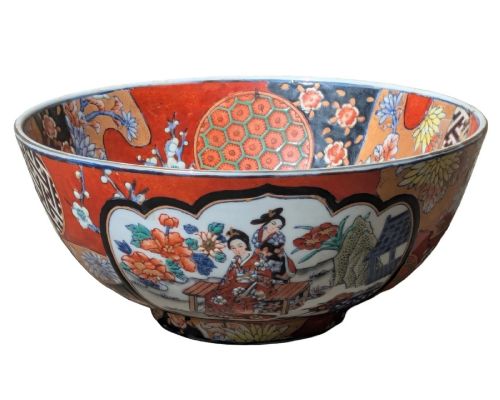
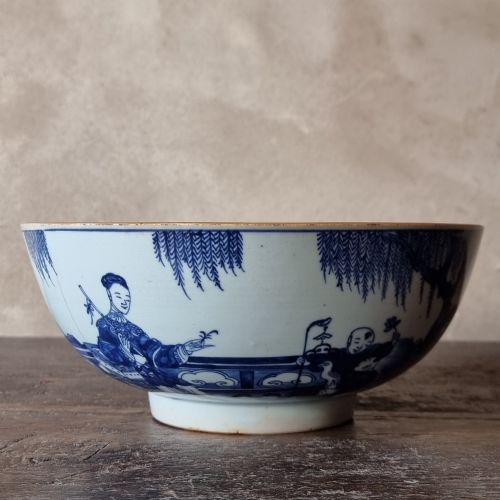
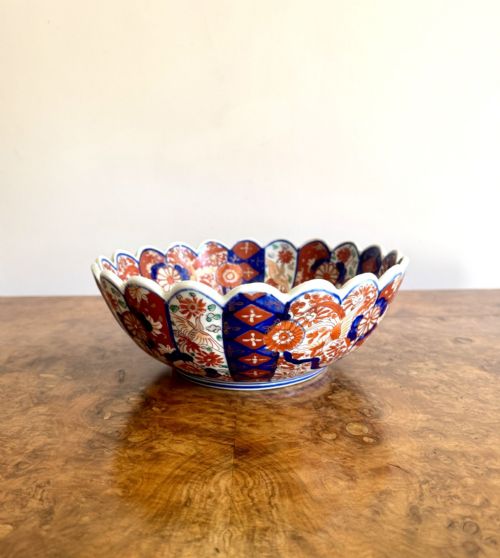
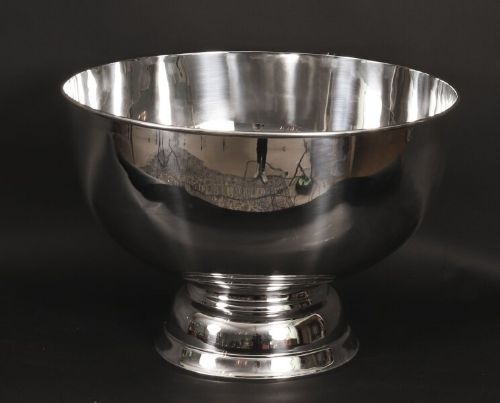
The pieces listed here showcase forms ranging from Chinese Export and Japanese Imari porcelain to substantial silver plate, cut glass, and earthenware. Examples include large decorative bowls, Monteith bowls with notched rims, and specialised wine or champagne coolers.
Origin periods vary widely, incorporating 18th-century pieces, Victorian and Edwardian items, alongside early 20th-century Art Deco designs. Buyers are most likely to meet Japanese Imari porcelain bowls alongside silver-plated Edwardian presentation vessels on this page.
How they were made
Potters and artisans utilised porcelain, earthenware, and ironstone, shaping clay before applying glazes, hand-painted cobalt blue motifs, or intricate famille rose enamels. Glassmakers employed heavy cutting techniques to achieve faceted profiles on lead crystal and glass sets.
Firing temperatures in kilns dictated the durability of ceramic bodies, while silversmiths soldered bases, handles, and pierced galleries to heavy metal foundations to ensure structural stability.
What varies in quality
The standard of hand painting and hand-applied enamelling separates mass-produced vessels from masterworks, particularly in Chinese and Japanese porcelain where brushwork precision defines the visual depth. Crispness in cut glass faceting and the weight of metal plating or solid silver determine the tangible substance of the object.
Maker attribution and documented provenance elevate certain pieces, distinguishing standard utilitarian serveware from signed or factory-attributed presentation items. The integrity of the material, whether preserved silver plating over copper or undamaged porcelain rims without restoration, dictates the enduring value.
Mappin & Webb·Barker Ellis·TIFFANY & CO.·Alexander Clarke & Co·Wedgwood·Mason·Viners of Sheffield
The Vintage Punch Bowl Glossary
- Imari
- A style of Japanese porcelain decorated in underglaze blue and overglaze red, gold, and green. This aesthetic gained immense popularity in Europe during the export trade periods.
- Monteith
- A type of bowl featuring a scalloped or notched removable rim used for chilling wine glasses. The glasses hung by their bases over the edge into the ice water.
- Famille Rose
- A palette of opaque enamel colours dominated by pink, introduced to Chinese porcelain during the Qing Dynasty. It allowed for delicate, naturalistic floral and figurative depictions.
- Silver Plate
- A base metal, often copper or white metal, coated with a thin layer of silver. This technique provided the appearance of solid silver at a more accessible cost.
- Treen
- Small handmade wooden household objects and utensils. These items often feature turned construction and are frequently combined with silver mounts for serving purposes.
Vintage Punch Bowl: Frequently Asked Questions
What is a vintage punch bowl used for?
These large vessels were traditionally filled with mixed beverages containing spirits, fruit juices, and spices for serving guests at large social gatherings.
Today, collectors also utilise them as decorative centrepieces, floral display vessels, or ice buckets during formal dinner parties.
How do I clean an antique silver punch bowl?
Maintenance requires gentle washing with warm water and mild soap using a soft cloth, avoiding abrasive pads that scratch the metal surface.
Specialised silver polish should be applied sparingly, following the grain of the metal, to preserve the underlying plate or solid silver.
Can I use my punch bowl for serving food?
Ceramic and glass bowls are generally food safe, provided the glaze is intact and free from chemical degradation or old restoration materials.
Metal bowls require caution regarding acidic ingredients like citrus juice, which can react with exposed base metals if the silver plating is worn.
How do I tell an 18th century bowl from a 19th century one?
Dating relies on examining paste consistency, glaze characteristics, footrim finish, and the specific style of hand-painted motifs.
Earlier porcelain often exhibits slight imperfections in the body and softer glaze textures compared to later mass-produced Victorian equivalents.