

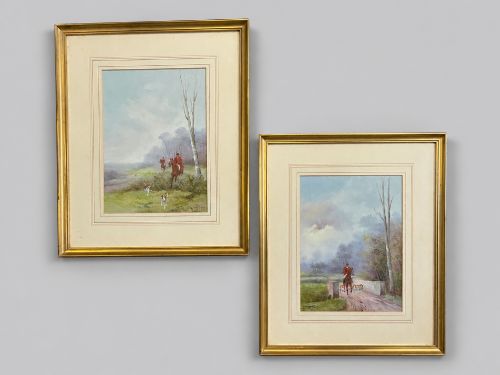
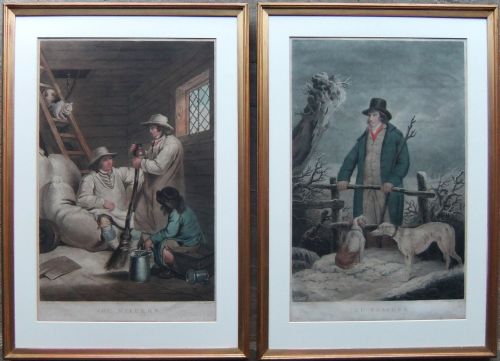
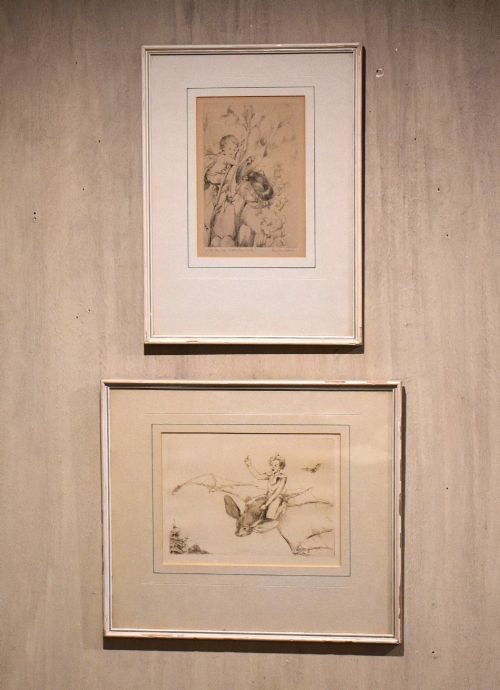
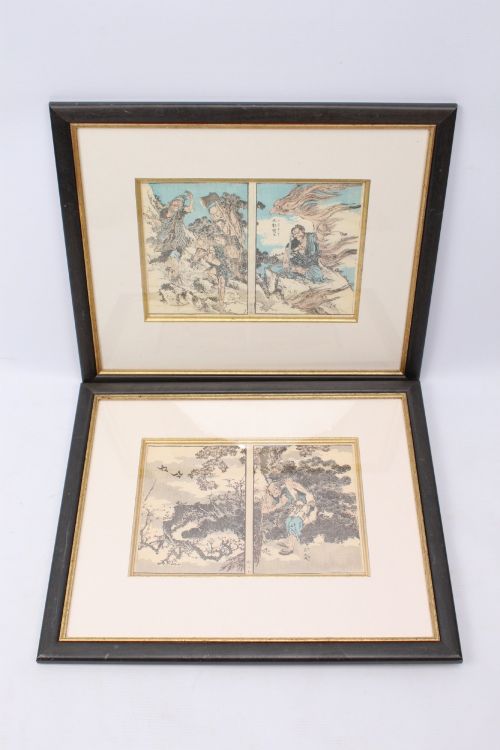
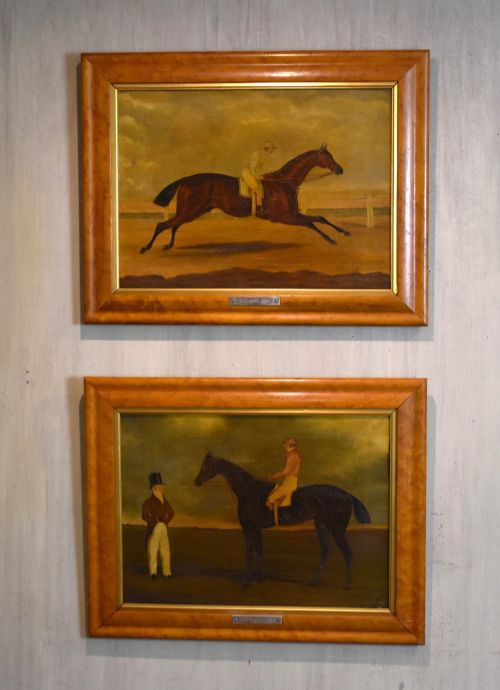


Vintage Print Pairing
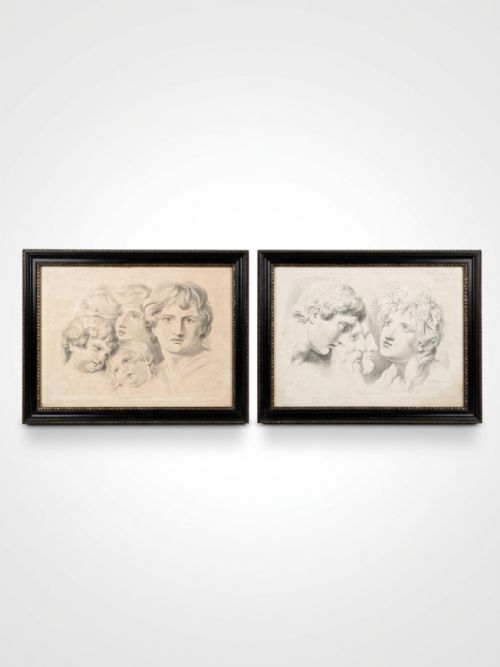
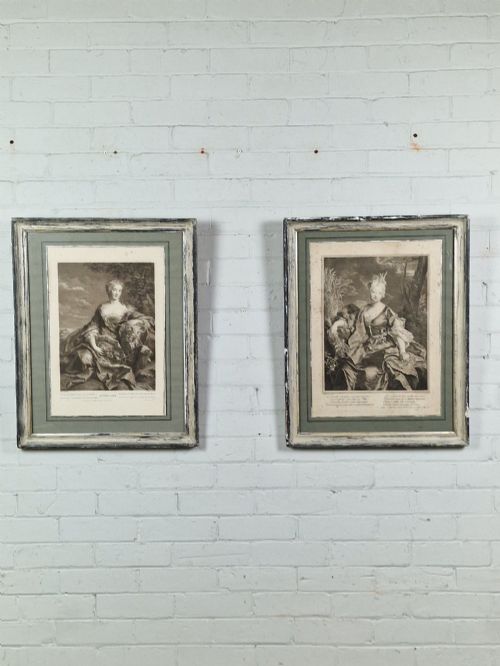
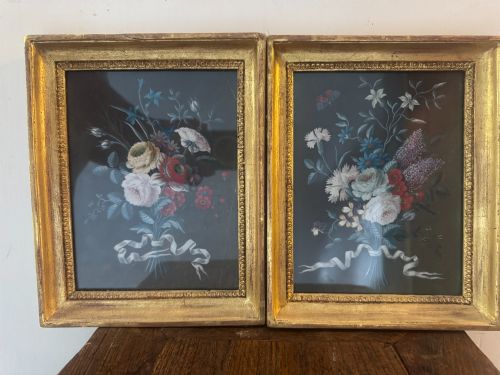
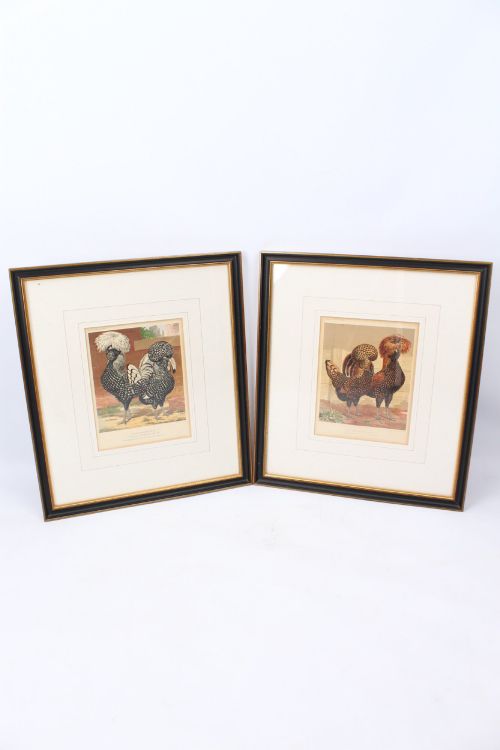
A vintage print pairing brings together complementary wall art, typically matched engravings, lithographs or watercolours framed for display.
Vintage Print Pairing
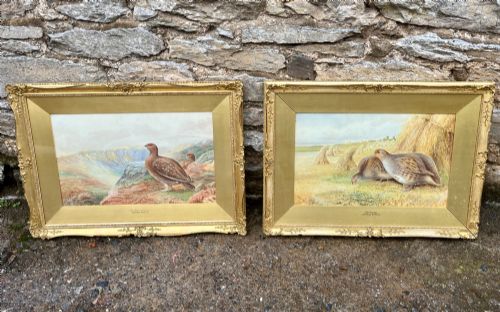
A vintage print pairing consists of two matched works of art or design created as a set, frequently encountered as botanical, zoological or satirical engravings. These pairs span the eighteenth, nineteenth and early twentieth centuries, encompassing Victorian and Edwardian aesthetics alongside earlier Georgian pieces.
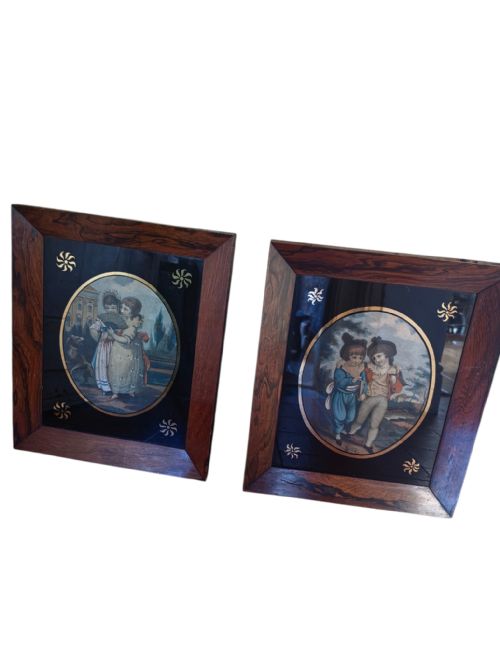
The format extends across diverse subjects, from natural history studies of birds and reptiles to humorous illustrations and architectural views. Buyers encounter everything from hand-coloured copperplate engravings to lithographs, often preserved in period frames of wood, giltwood or rosewood.
Materials and construction
These works rely primarily on paper, ink and watercolour, utilised in traditional printmaking techniques such as engraving, etching and woodblock printing. Hand-colouring frequently enhances the ink lines, applying washes of pigment to botanical and zoological subjects.
Framing materials range from simple wood mouldings to elaborate giltwood, rosewood and walnut frames, sometimes retaining original glass. Treen butter prints utilise sycamore carved with intaglio motifs, while other pieces incorporate gold leaf.
Vintage Print Pairing Retail Price Guide 2026
Typical asking prices for vintage print pairing among the pieces listed under this phrase on Sellingantiques today, from the lower quarter to the upper quarter. They describe what is for sale here now, not the wider market.
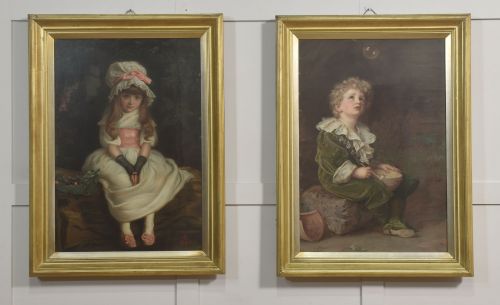
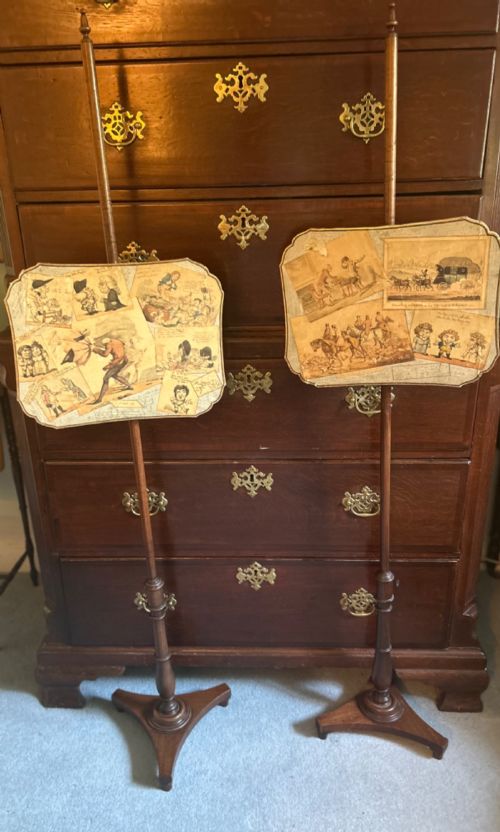
Among the historical illustrations, witty satirical prints and cheerful children's scenes sit alongside detailed anatomical skeletons of rhinoceroses.
Distinctions in quality
Quality rests upon the crispness of the impression from the plate or block, the precision of any hand-applied watercolour, and the preservation of the paper sheet. Early impressions retain fine lines and subtle tonal gradations that fade in later strikes.
The integrity of the framing contributes significantly, with period or original frames holding greater authenticity than later reframings. The renown of the draughtsman or engraver, alongside the scientific or artistic merit of the subject, elevates the standing of a pair.
William Bird·Hokusai·George Rankin·John Frederick Herring Snr·Louis Wain·Georg Wolfgang Knorr·H. Alken·Karl Feiertag
The Vintage Print Pairing Glossary
- Engraving
- A printmaking technique where an artist cuts lines into a metal plate with a burin to hold ink. This method produces sharp, precise lines characteristic of many eighteenth and nineteenth-century works.
- Lithography
- A planographic printing process based on the repulsion of oil and water on a limestone slab or metal plate. It enabled multicolour production popular in nineteenth and twentieth-century illustration.
- Hand-coloured
- A print finished with watercolour or other pigments applied by hand after the initial ink impression. This technique was standard for botanical and natural history folios.
- Woodblock
- A relief printing method where material is carved away from a wooden block, leaving the design raised to accept ink. Japanese examples utilise this traditional method.
- Giltwood
- Wood carved and coated with a thin layer of gold leaf or metallic powder. It appears frequently on decorative frames from the eighteenth and nineteenth centuries.
Vintage Print Pairing: Frequently Asked Questions
What is a vintage print pairing?
A vintage print pairing comprises two related works designed to be displayed together as a balanced set. They often share a subject, artist or publication origin.
Such pairings offer a cohesive way to decorate wall space, bringing symmetry and historical character to a room through matched frames and imagery.
How were these prints originally used?
Many of these prints originated as illustrations in scientific folios, natural history books, or satirical periodicals before being separated and framed. Others were produced specifically as decorative wall art for domestic interiors.
Over time, owners have preserved them in pairs to maintain their visual dialogue and narrative balance.
How should I hang a print pairing?
Hang the two pieces at eye level with consistent spacing between them to maintain their visual connection as a pair. Matching frames benefit from symmetrical placement on the wall.
Protect the paper and watercolours from direct sunlight to prevent fading of the inks and pigments over the years.
How do I identify the period?
Dating relies on the paper stock, printing technique, framing style, and any inscriptions or signatures present on the work. Georgian and Victorian pieces often feature specific paper watermarks and plate marks.
Stylistic cues within the imagery, such as fashion or architectural details, also point towards the era of production.