

Vintage Powder Box
When you search for a vintage powder box, you enter a dressing table world of silver, enamel and crystal designed to hold vanity powders and cosmetic pieces.
Vintage Powder Box
A vintage powder box is a dressing table container designed for cosmetic powders, often appearing alongside vanity jars, trinket boxes and compacts. When you search for this phrase, you meet items spanning the Edwardian period, the 1920s and 1930s, alongside mid-century examples and earlier nineteenth-century designs.
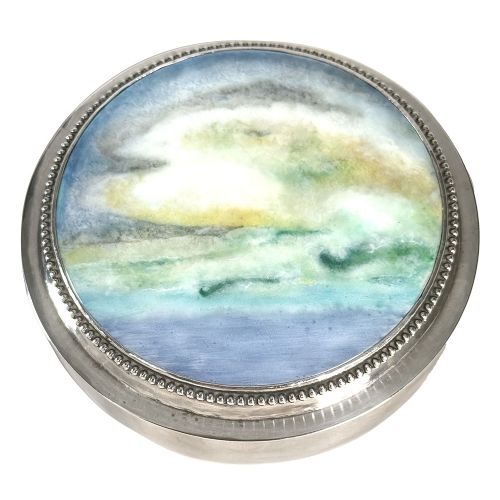
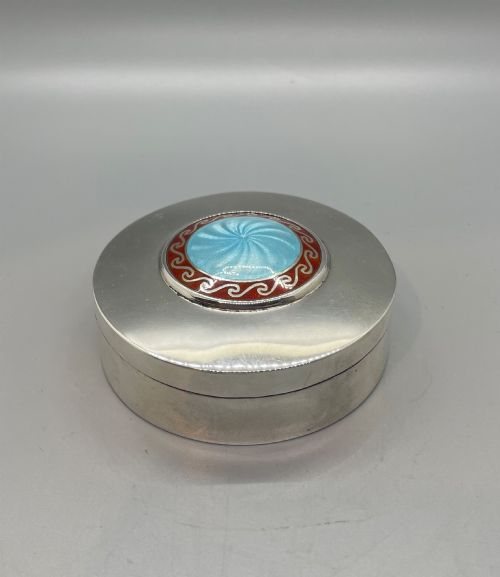
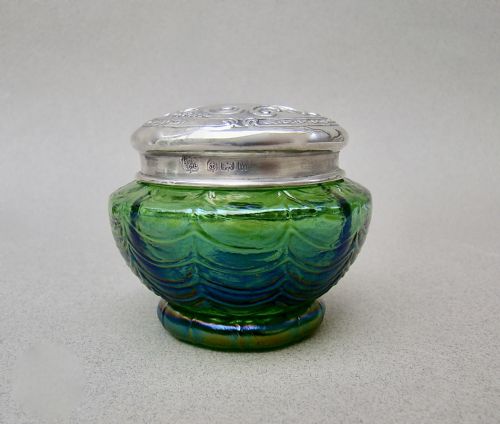
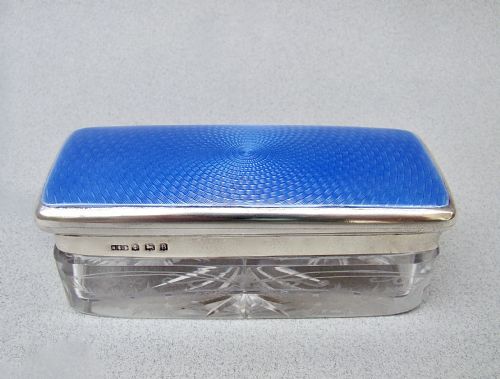
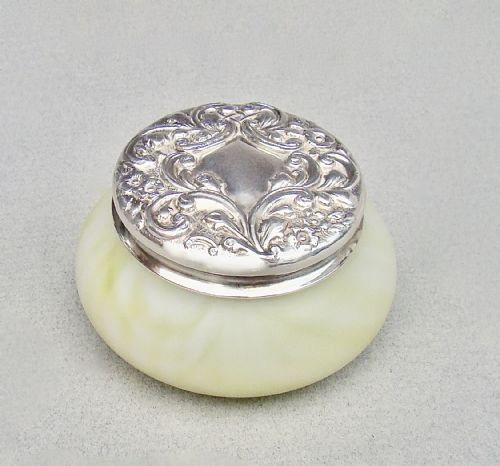
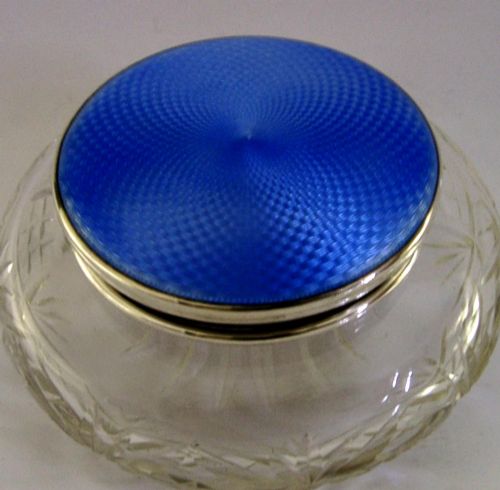
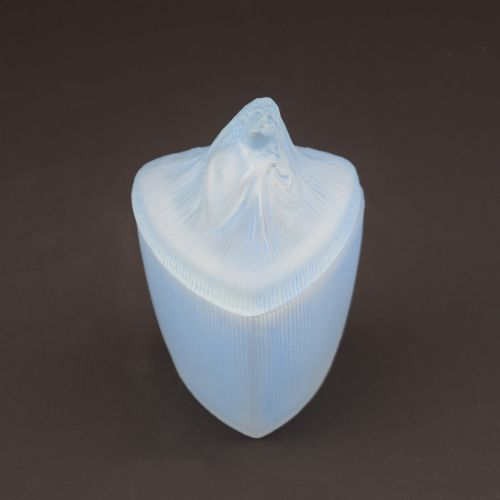
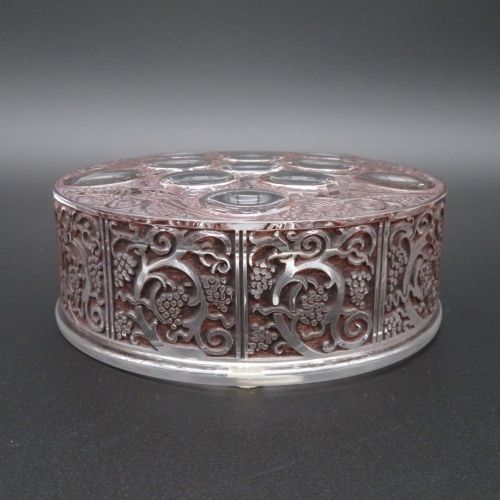
The objects take several distinct forms on this page. You will find cut glass jars with silver lids, ceramic bowls featuring flapper girl motifs, solid silver containers with guilloche enamel, and crystal pieces by makers such as Rene Lalique.
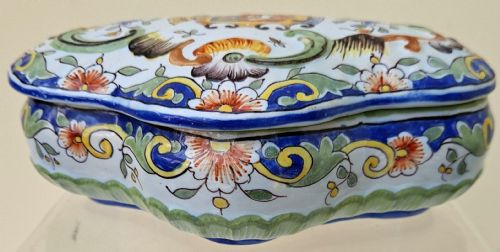
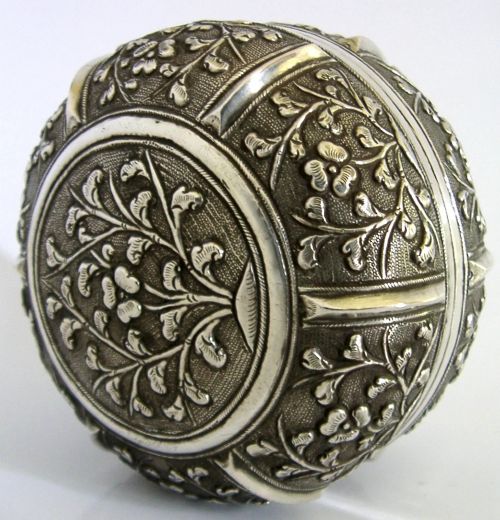
Origins vary widely across the selection. Alongside English hallmarked silver pieces from Birmingham, the evidence includes French faience, Italian silver, Indo-Chinese export items, and German porcelain.
How they were made
Makers combined precious metals with vitreous glass and ceramics. Sterling silver and 800 silver form hinged lids, mounts and bodies, frequently paired with cut glass, satin glass, or coloured glass bases.
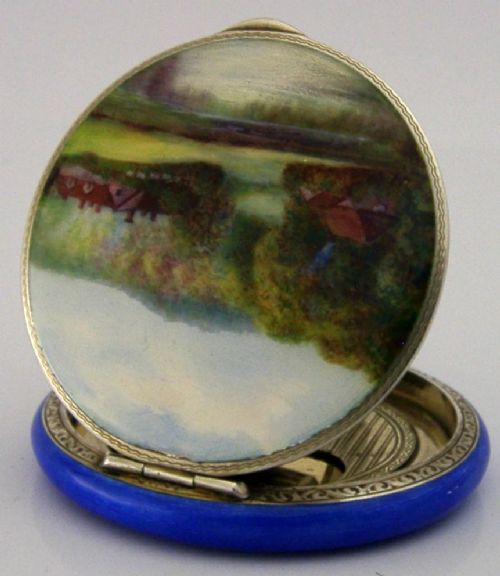
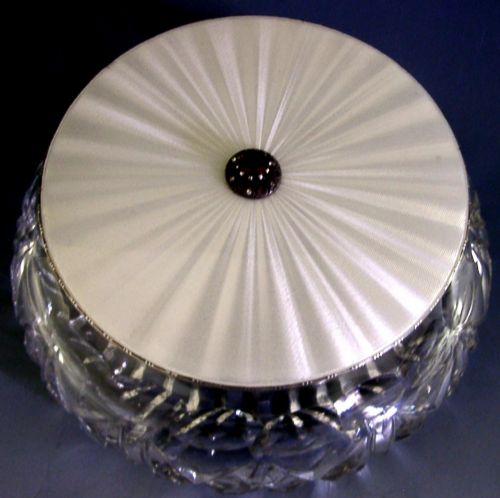
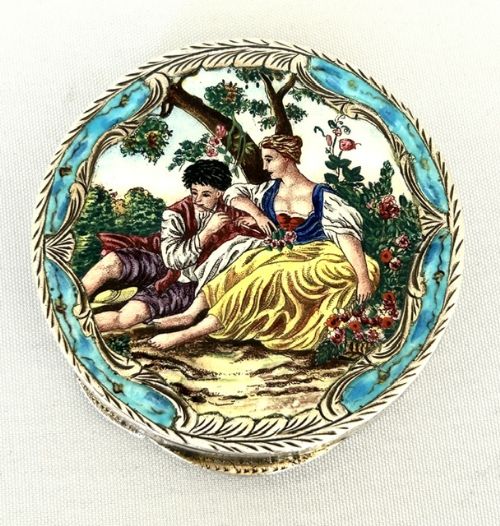
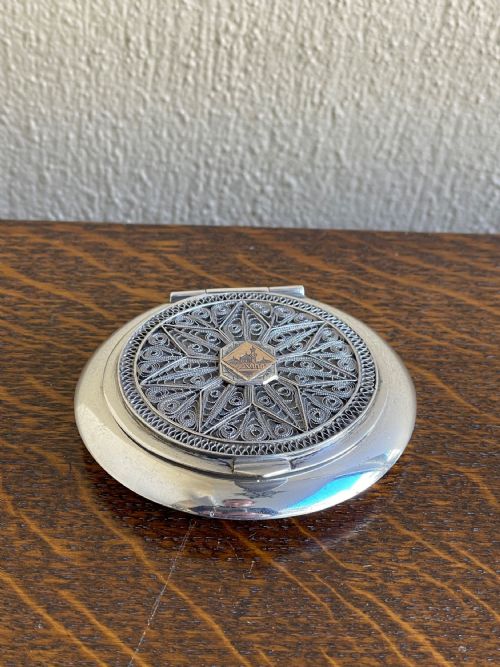
Surface decoration relies on skilled craftsmanship. Artisans applied translucent guilloche enamel over engine-turned metal grounds, hand-painted porcelain figures, and created intricate filigree wirework on silver boxes.
Materials span sterling silver, cut glass, porcelain, enamel, tortoiseshell, and crystal from English, French, German, and Asian workshops.
What varies in quality
Quality rests upon the precision of the metalwork and the preservation of delicate surfaces. Pieces by established makers display crisp hallmarks, weightier gauge silver, and finely executed engine turning beneath the enamel.
The artistic merit of the decoration dictates value at the upper end. Hand-painted miniatures, complex guilloche patterns, and moulded crystal from major glass houses stand apart from standard commercial production.
A. J. Pepper & Co·Henry Clifford Davis·A. Bromet & Co·Rene Lalique·Henry Matthews·Elkington & Co·Evans·Giuliano Spinelli·Van Cleef & Arpels·Posen·Cartier London·Henry Williamson Ltd
The Vintage Powder Box Glossary
- Guilloche enamel
- A decorative technique where translucent enamel is layered over mechanically engraved metal. This method creates a geometric wave or ray pattern that shines through the coloured glass coating.
- Cut glass
- Glassware shaped and patterned by abrasive wheels to form deep facets. It provides heavy, sparkling bases for silver-lidded vanity jars.
- French Faience
- Tin-glazed earthenware produced in France. These pieces feature hand-painted traditional motifs on opaque ceramic bodies.
- Filigree
- Delicate ornamental work consisting of fine silver wire twisted into open-work patterns. It appears on Middle Eastern and Asian export pieces.
- Half doll
- A ceramic upper torso popular in the early twentieth century. These figures adorn the lids of powder bowls and dresser boxes.
Vintage Powder Box: Frequently Asked Questions
What is a vintage powder box used for?
These containers held loose cosmetic face powder on dressing tables before modern pressed compacts became common. They often sat alongside matching hairbrushes, scent bottles, and trinket trays.
Today, collectors use them to store small items like jewellery or simply display them as decorative vanity accessories.
How do I date a silver powder box?
English silver pieces usually feature hallmarks that indicate the assay office, standard mark, and a specific date letter. Birmingham hallmarks from the Edwardian era and the 1920s or 1930s are common.
Stylistic cues also help with dating. Art Deco pieces display geometric enamel work, while earlier Edwardian items often feature softer floral motifs.
What is the difference between a powder box and a compact?
A powder box is typically a larger, static container meant to stay on a dressing table or vanity surface. It holds loose powder and sometimes a powder puff.
A compact is a smaller, portable container designed for carrying in a handbag, usually featuring an internal mirror and a sifter.
How do I care for silver and enamel boxes?
Silver components require gentle cleaning with a soft polishing cloth to remove tarnish. Avoid getting polish onto enamel surfaces or fabric linings.
Keep glass and ceramic bases away from extreme temperature shifts and store them securely to protect delicate hinges and glass rims.