




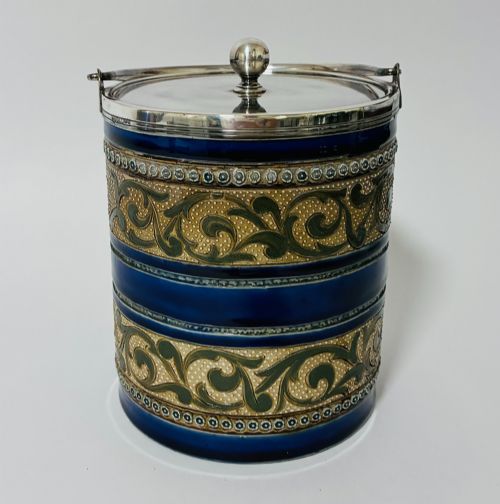

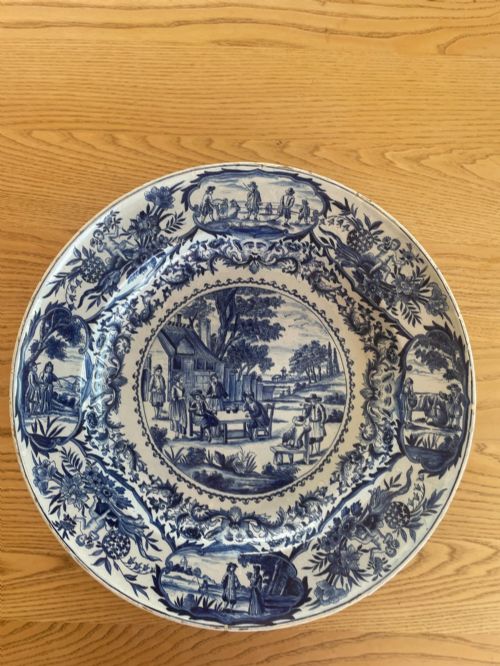
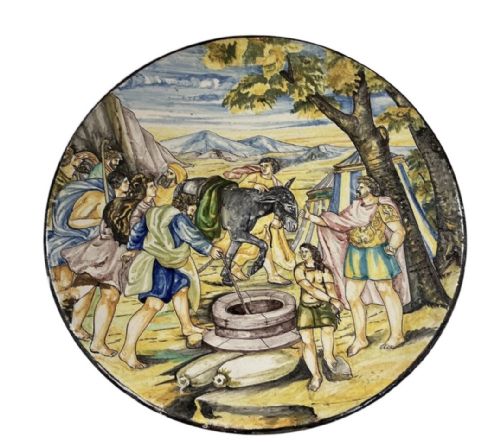
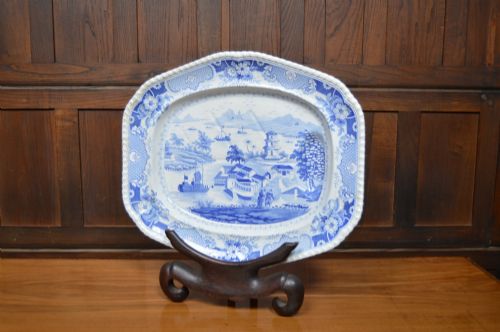
Vintage Pottery Plates
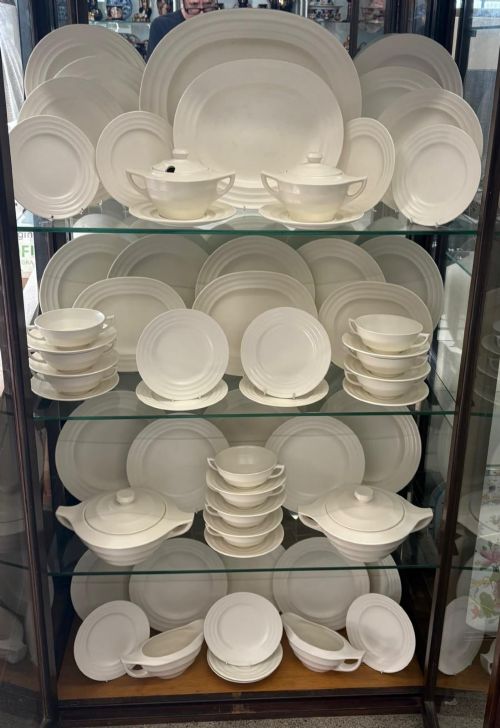
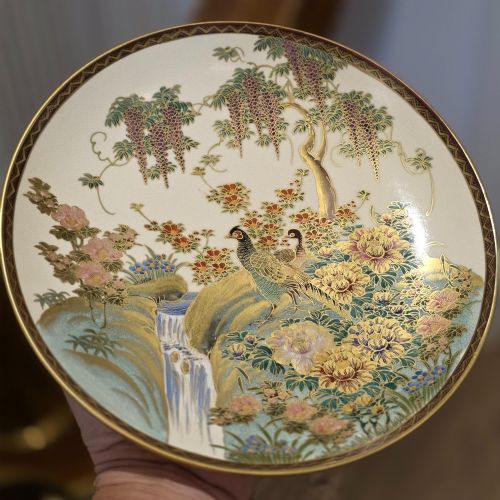
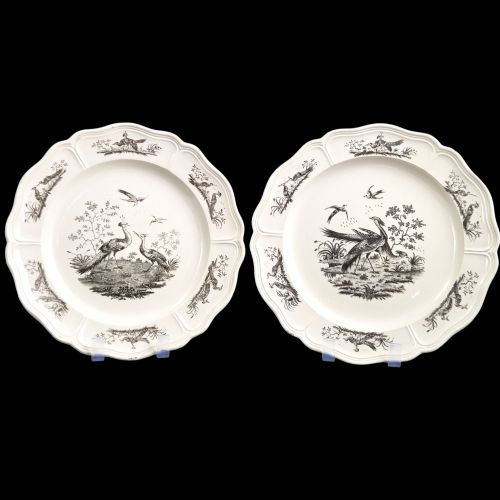
These vintage pottery plates span centuries of earthenware and ceramic craft, bringing distinct historic character and painted detail to a table or wall.
Vintage Pottery Plates
When you search for vintage pottery plates, you encounter an array of utilitarian and decorative wares shaped from earthenware, ceramic, and ironstone. These pieces stretch from the eighteenth century through the Victorian era and into the Art Deco period, crossing English, Dutch, French, and Asian traditions.
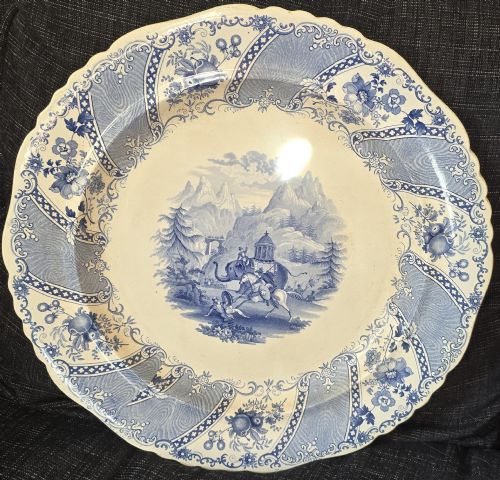
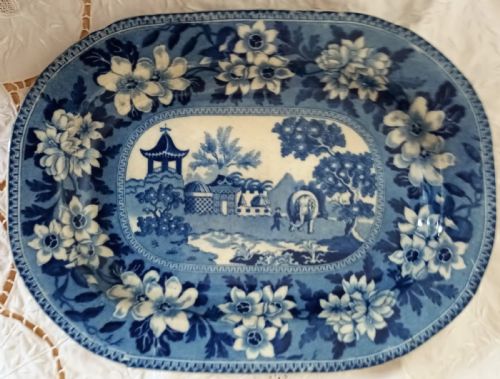
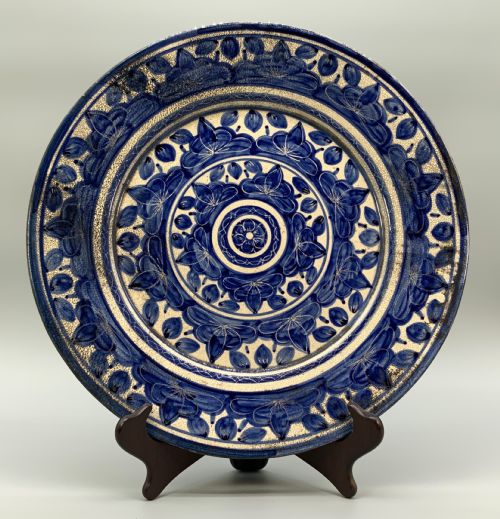
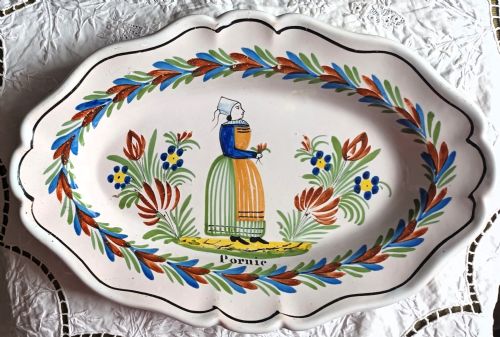
The selections you meet on this page most commonly include large chargers, transferware service plates, and hand-painted delft pottery. Makers utilised tin-glaze, enamel, and blue and white transfer printing to ornament surfaces with landscapes, florals, and narrative scenes.
Beyond flat dining formats, the category encompasses shallow bowls, serving platters, and wall-hanging display chargers. Each form reflects the domestic habits and decorative tastes of its original period of manufacture.
How they were made
Potters shaped these items from local clays and refined earthenware pastes, firing the bodies in kilns before applying decorative surface treatments. Tin-glaze and transparent lead glazes provided a glossy foundation for hand-painted pigments in manganese, cobalt blue, and polychrome enamels.
Transfer printing revolutionized production in the nineteenth century, allowing intricate copperplate engravings to transfer onto ceramic surfaces before final glazing and firing. Artisans also employed tubelining and gold leaf accents on later Art Deco and Victorian decorative chargers to build raised textural patterns.
Vintage Pottery Plates Retail Price Guide 2026
Typical asking prices for vintage pottery plates among the pieces listed under this phrase on Sellingantiques today, from the lower quarter to the upper quarter. They describe what is for sale here now, not the wider market.
Listings feature earthenware, ceramic, and ironstone spanning the eighteenth, nineteenth, and twentieth centuries.
What varies in quality
Quality rests in the crispness of the transfer print or the brushwork control on hand-painted tin-glazed earthenware and maiolica. Superior examples display balanced composition, rich depth of pigment, and careful kiln placement that avoids heavy glaze pooling or warping.
The distinction between standard utility wares and exceptional cabinet pieces lies in the sophistication of the design and the prestige of the producing pottery. Well-preserved surfaces retain their original enamel vibrancy and glaze integrity without excessive post-manufacture wear.
William Smith And Co·Leeds Pottery·Doulton Lambeth·John Rogers And Son·Booths·Carlton Ware·Wedgwood·Charlotte Rhead Crown Ducal·Clarice Cliff·Bassano Pottery
The Vintage Pottery Plates Glossary
- Transferware
- Earthenware printed with a design transferred from a copper plate inked with metal oxides. This technique enabled intricate multi-figure patterns like landscapes and historical scenes to appear uniformly across entire service sets.
- Charger
- A large decorative plate or shallow dish originally used for ceremonial dining or displayed upright on sideboards. These wide surfaces often showcased elaborate hand-painted polychrome or blue and white motifs.
- Tin-Glazed Earthenware
- Pottery coated with an opaque white glaze containing tin oxide, providing a smooth canvas for painting. Dutch delft and Italian maiolica both rely on this chemical suspension for their characteristic white ground.
- Ironstone
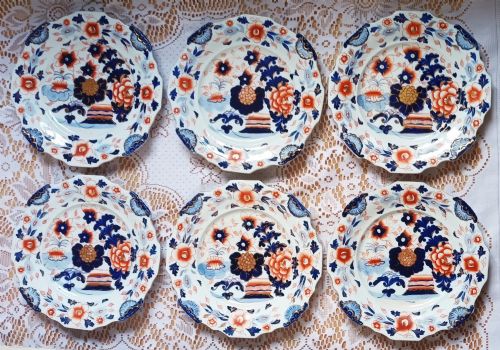
- A dense, durable type of ceramic patented in the nineteenth century to imitate Chinese porcelain. It withstands heavy kitchen and dining use while holding glossy glazes and bright transfer colours.
- Tubelining
- A decorative technique where liquid clay is squeezed through a nozzle onto a ceramic body to outline a pattern. The raised borders contain subsequent pools of enamel paint before the piece is fired.
Vintage Pottery Plates: Frequently Asked Questions
How do I date a delft charger?
Examine the composition of the footrim, body weight, and the tone of the blue pigment under natural light. Earlier pieces often display thinner potting and characteristic glaze flakes along the unglazed edges.
Evolving kiln technology and changes in tin-glaze opacity across the eighteenth and nineteenth centuries further help narrow the manufacturing window of unmarked chargers.
Can I use antique plates for dining?
Most antique earthenware and soft-paste ceramic plates function best as decorative display items rather than daily tableware. Historic glazes can be porous and sensitive to modern cutlery marks or aggressive detergents.
Gentle hand washing preserves the fragile enamel paints and prevents moisture from entering hairline cracks in the underlying ceramic body.
What is the difference between ironstone and earthenware?
Ironstone is a heavily vitrified, dense ceramic compound formulated to resist chipping and moisture absorption. Standard earthenware remains more porous and requires a thick surface glaze to seal the clay body.
Plates made from ironstone generally feel heavier in the hand and show greater structural resilience than traditional soft earthenware equivalents.
How should I hang wall chargers safely?
Utilise a spring-loaded brass plate hanger with rubber-coated prongs that distribute pressure evenly across the rim. Avoid adhesive disc hangers on antique tin-glazed or earthenware backs, as they can pull away from historical surfaces.
Ensure the hanging wire and wall fixing match the substantial weight of large ceramic or ironstone chargers.