




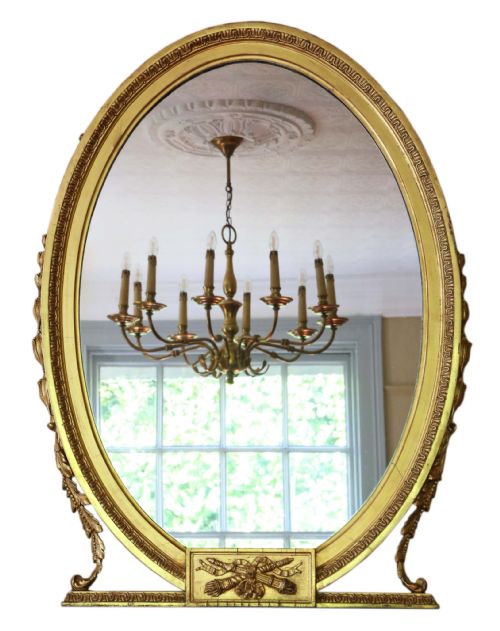
Vintage Portrait Wall Mirror
A vintage portrait wall mirror brings a striking human presence and reflected light into a room.
Vintage Portrait Wall Mirror
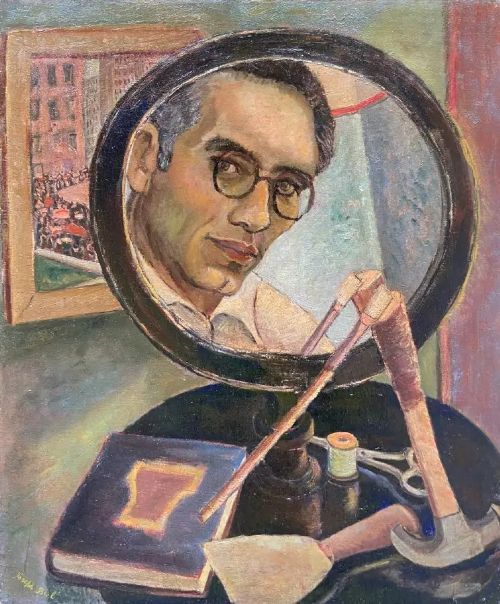
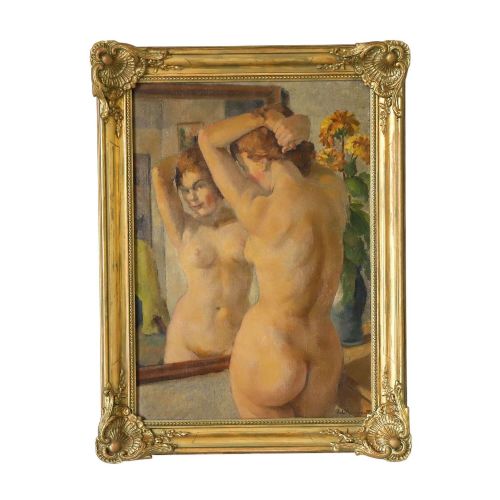
When you search for a vintage portrait wall mirror, you encounter a crossover between fine art, oil paintings, and functional looking glasses. These pieces combine framed portraiture or self-portraits with mirror glass, or take the form of antique painted frames and trumeau mirrors designed to hang upon a wall.
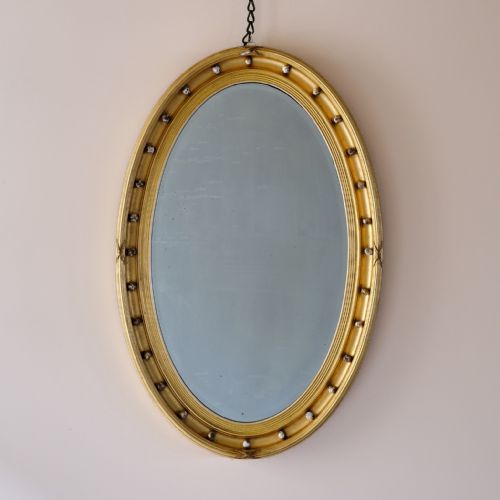
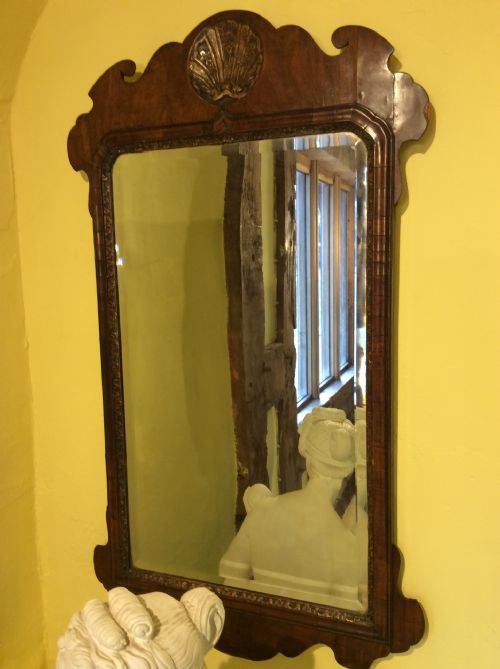
The selections available here span from the nineteenth century through the 1940s, touching upon Victorian, Edwardian, Art Nouveau, and mid-century modern aesthetics. You will find items originating from British, French, and Swedish makers, encompassing mahogany frames, oil paintings involving mirrors, and giltwood oval glasses.
Most examples lean towards decorative wall mirrors with painted elements or framed portrait subjects rather than standard domestic looking glasses. They serve equally as artworks and as mirrors, making them a focal point for a hallway, drawing room, or overmantle.
How they were made
Makers utilised traditional woodworking and gilding techniques, mounting glass or canvas into frames fashioned from mahogany, walnut, and giltwood. Gesso was applied beneath the gold leaf to build up intricate relief ornament, particularly on oval and trumeau frames.
Oil paintings and oleographs on canvas were fitted directly into decorative surrounds, whilst other pieces integrated artist self-portraits alongside physical mirror plates. French ripple frames and Empire style gilt metal mounts show the varied joinery and framing methods of the nineteenth and early twentieth centuries.
Vintage Portrait Wall Mirror Retail Price Guide 2026
Typical asking prices for vintage portrait wall mirror among the pieces listed under this phrase on Sellingantiques today, from the lower quarter to the upper quarter. They describe what is for sale here now, not the wider market.
What varies in quality
The standard of a piece rests largely on the depth of hand-carving in the wood and the crispness of the gesso mouldings. Hand-gilded surfaces display a warmer, more nuanced metallic tone than simpler painted finishes.
The artistic merit of the painted portrait work or the complexity of the frame construction, such as French ripple moulding or Empire taste metal appliqués, distinguishes simpler domestic mirrors from finer decorative works of art.
Joseph Biel·Philippe de Rougemont
The Vintage Portrait Wall Mirror Glossary
- Trumeau mirror
- A decorative wall mirror fitted with a panel above or below the glass, often containing a painted scene or portrait. These architectural pieces were popular in grand interiors.
- Giltwood
- Wood that has been coated with a thin layer of gold leaf or gold paint. It provides a luminous finish that catches natural light in a room.
- Gesso
- A plaster-like mixture applied to wood frames to create a smooth surface for gilding or to build up relief decoration. It allows for crisp decorative moulding.
- Oleograph
- A mechanical print textured to imitate an oil painting on canvas. These appeared frequently in nineteenth-century decorative framing.
- Ripple frame
- A picture frame featuring concentric undulating wave-like mouldings carved into the wood. This style gained favour in seventeenth-century Dutch workshops and was revived later.
Vintage Portrait Wall Mirror: Frequently Asked Questions
What is a trumeau mirror?
A trumeau is a traditional wall mirror that incorporates a painted panel or portrait above the glass plate. They were designed to hang between windows or above mantelpieces in period rooms.
These pieces combine fine art and mirror glass into a single architectural wall hanging. They bring both reflected light and decorative imagery to a space.
How do I hang a heavy giltwood mirror?
Heavy giltwood and mahogany wall mirrors require secure fixings into wall studs or appropriate masonry anchors. The weight of the timber and gesso frame demands proper structural support.
Consult a professional framer or installer if the piece lacks original hanging hardware. Ensuring the wall plate can bear the load protects both the frame and the glass.
Where should I place a portrait mirror?
These pieces suit spaces where they can act as a primary focal point, such as above a hallway console or a living room fireplace. They merge the function of a looking glass with the visual weight of a painting.
Position them opposite a light source to maximise the reflection in the room. Ensure the height allows you to appreciate the portrait details clearly at eye level.
How do I date an antique mirror?
Dating relies on examining the frame construction, wood types such as mahogany or walnut, and the style of any accompanying oil painting or gesso ornament. Victorian, Edwardian, and earlier nineteenth-century pieces each display distinct decorative motifs.
Look at the backboards, fixings, and the clarity of the mirror plate where applicable. Subtle shifts in aesthetic movements, from Art Nouveau to Empire taste, help narrow down the decade of manufacture.