
Vintage Portrait of Woman
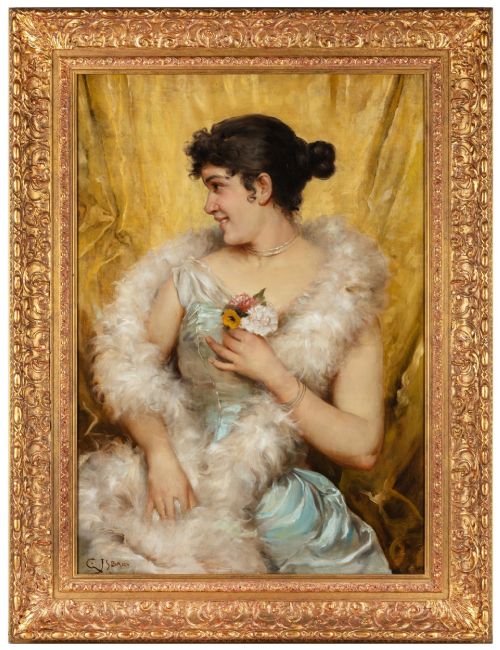
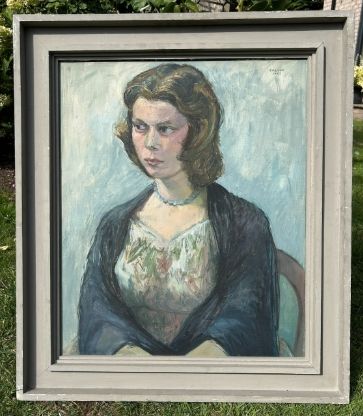
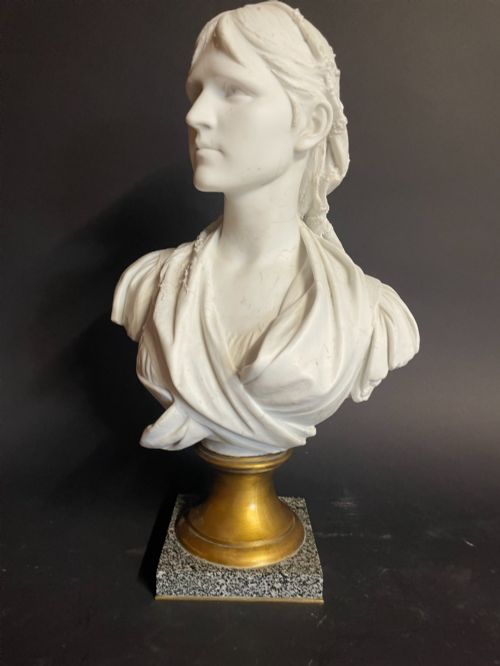
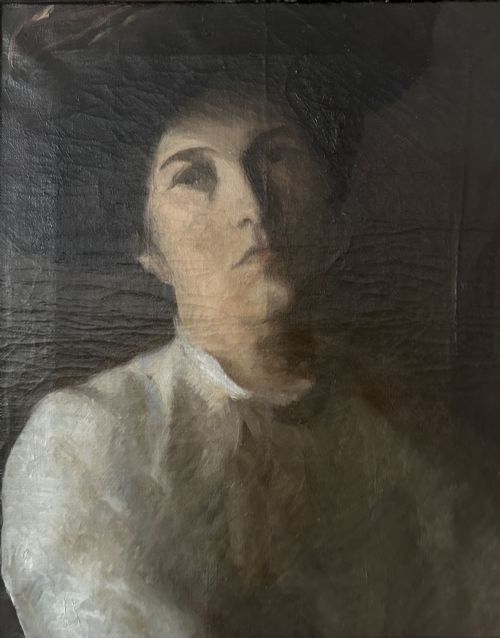
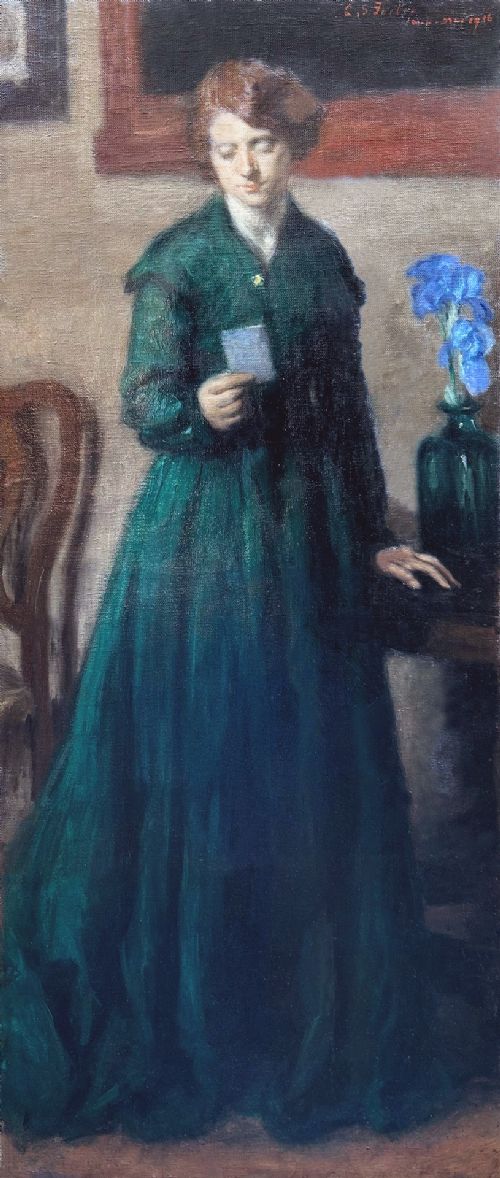
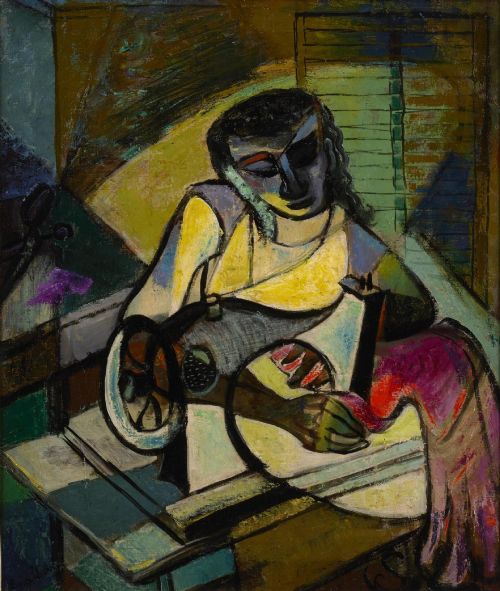
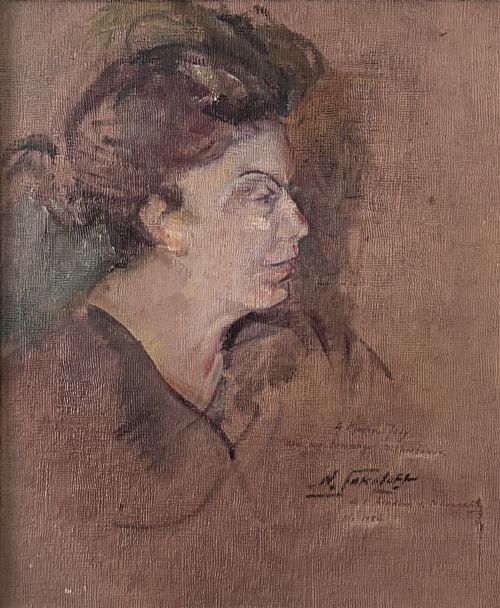
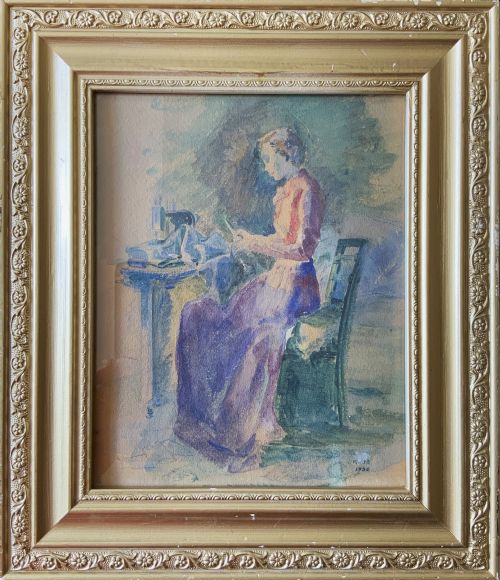
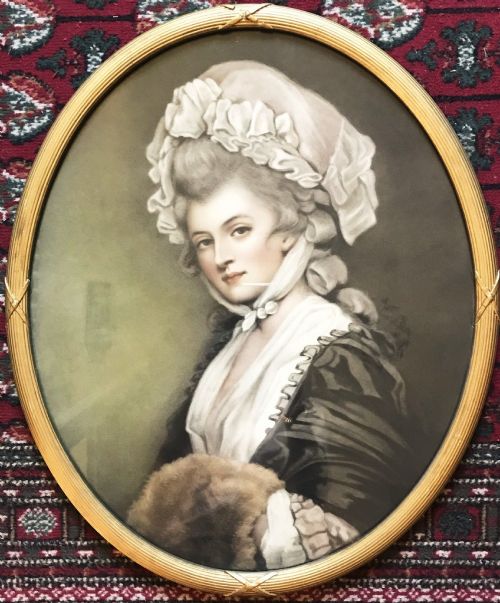
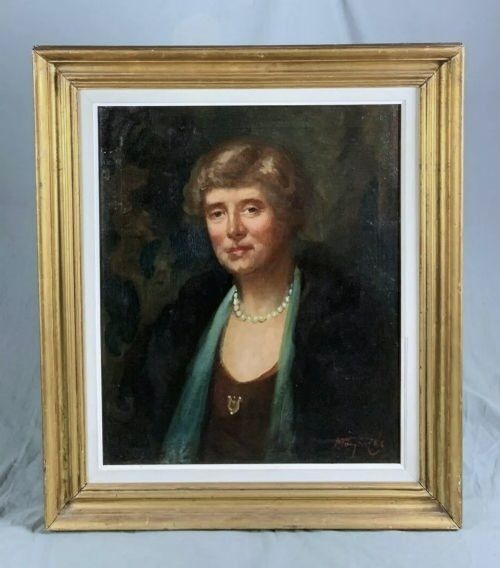
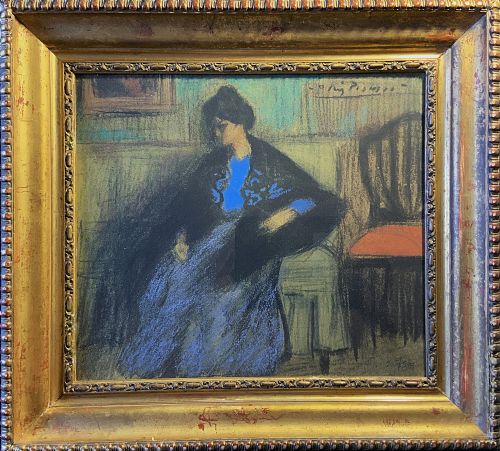
When you search for vintage portrait of woman, you encounter painted, sculpted and drawn depictions of female subjects carrying the character of past centuries.
Vintage Portrait of Woman
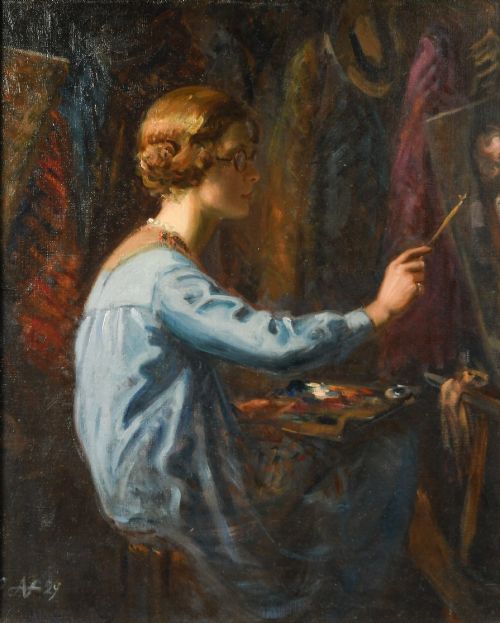
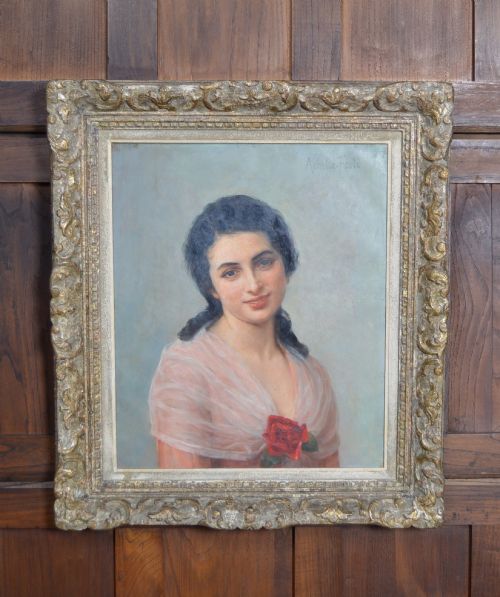
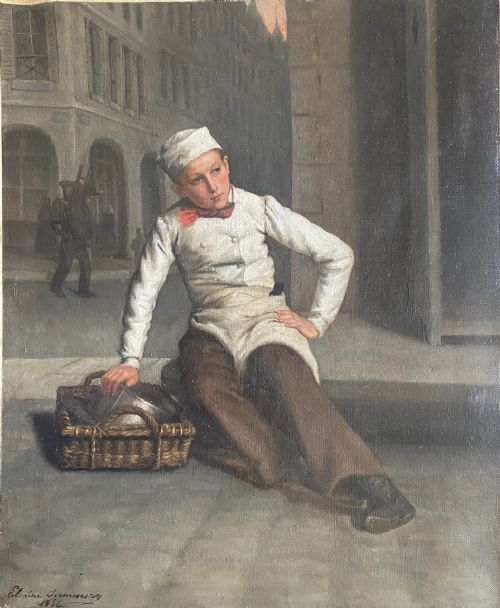
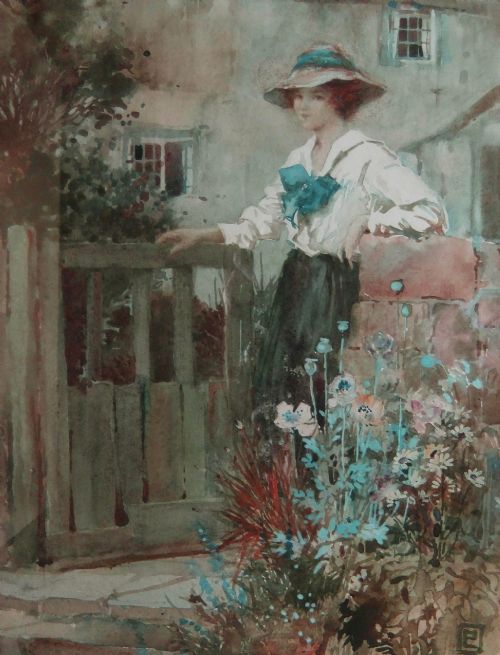
A vintage portrait of woman encompasses oil paintings on canvas or board, watercolours, miniature portraits, and sculptures in alabaster, bronze and wood. These pieces span from the nineteenth century through the Edwardian era, the nineteen-twenties, and into the mid-twentieth century.
The selection ranges from intimate miniature paintings and pencil pastels to large framed canvas works depicting society ladies, artists at work, and everyday women. Makers and schools vary widely, including British, French, Italian, and Swedish artists working in styles from Impressionism to Modernism.
Materials and construction
Works in this category rely primarily on oil paint applied to canvas or wood board, alongside delicate watercolours on paper and pastel drawings. Sculptural representations utilise carved pear wood, alabaster, and bronzed terracotta, reflecting the prevailing sculptural techniques of their respective periods.
Frames and enclosures incorporate glass protection, sterling silver mountings, and gold leaf detailing. Miniature works demonstrate meticulous hand-painted precision on small surfaces, whereas larger oils employ layered brushwork characteristic of nineteenth and twentieth-century academic and impressionist traditions.
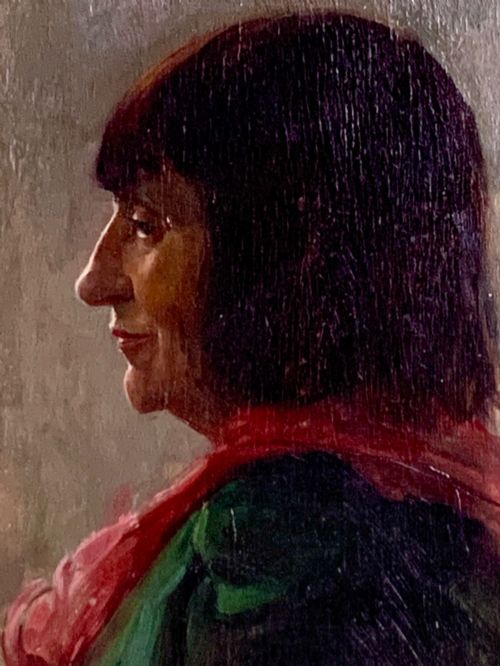
Several ladies gaze out across the decades wearing blue necklaces, red scarves, and elaborate bonnets.
Evaluating craftsmanship and execution
The distinction between standard and superior pieces rests upon the confidence of the draughtsmanship and the expressive depth captured in the subject's face. Skilled brushwork or carving brings vitality to the sitter, moving beyond rigid academic reproduction into genuine psychological presence.
Materials and preservation also determine the standing of a piece, with stable canvas tension, minimal retouching, and original period framing elevating the overall integrity of the artwork.
G. J. S. Bary·Kenneth Cozens·Charles Stuart Forbes·Lena Gurr·Charles James McCall·Pablo Picasso·Achille-Fould·Percy Lancaster·Attilio Toro·H. Bayly·William Henry Knight·Henry John Yeend King·L Sommer·Susie Lassam·Erwin Leopold Pohl
The Vintage Portrait of Woman Glossary
- Miniature Portrait
- A small-scale painting executed with fine detail, often housed in a protective case, pendant, or ring.
- Oil on Canvas
- Pigment mixed with drying oil applied to a woven fabric stretched across a wooden frame.
- Impressionism
- A style of painting characterised by relatively small, thin yet visible brush strokes and an emphasis on accurate depiction of light.
- Lithograph and Pochoir
- A printmaking method combined with stencil-applied hand colouring used to reproduce graphic works.
- Alabaster
- A fine-grained, translucent stone utilised historically for sculptural busts and decorative carvings.
Vintage Portrait of Woman: Frequently Asked Questions
How do I date a painted portrait?
Dating relies heavily on the sitter's hairstyle, clothing, and accessories, which adhered strictly to the shifting fashions of the Victorian, Edwardian, and mid-century decades.
Signatures, framing materials, and inscriptions on the reverse of the canvas or board provide further documentary evidence for the precise period of creation.
What is the difference between an oil painting and a miniature portrait?
Oil paintings on canvas or board are typically larger wall art pieces created with fluid brushwork and layered pigments. Miniature portraits are executed on a tiny scale, often requiring magnification, and focus on intimate facial likenesses framed as keepsakes or jewellery.
Both formats utilise different substrates, ranging from heavy woven canvas to delicate paper or ivory alternatives.
How were these portraits displayed in period homes?
Larger framed oils and watercolours were traditionally hung in drawing rooms, studies, and hallways as family memorials or decorative statements of taste. Miniature portraits were kept on dressing tables, worn as pendants, or stored in specialised display cases.
Their placement reflected their dual purpose as both personal mementos and expressions of artistic patronage.
How should I care for an antique oil painting?
Paintings require stable indoor humidity and protection from direct sunlight to prevent the canvas from sagging and the oil pigments from fading or cracking. Dusting should be done gently with a soft, dry brush without applying liquid cleaners to the painted surface.
Professional conservation is recommended if structural repairs to the canvas or frame become necessary.