
Vintage Portrait Bust
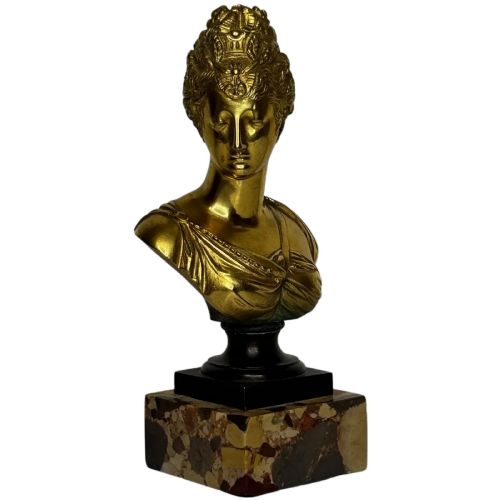
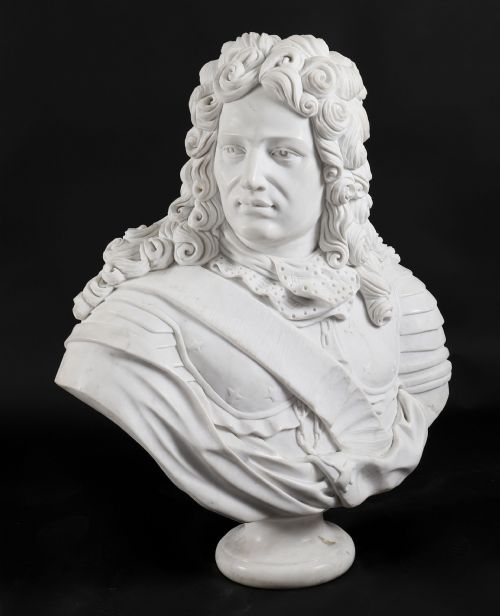
When you search for vintage portrait bust, you find sculptural likenesses in marble, bronze and plaster that bring human character directly into a room.
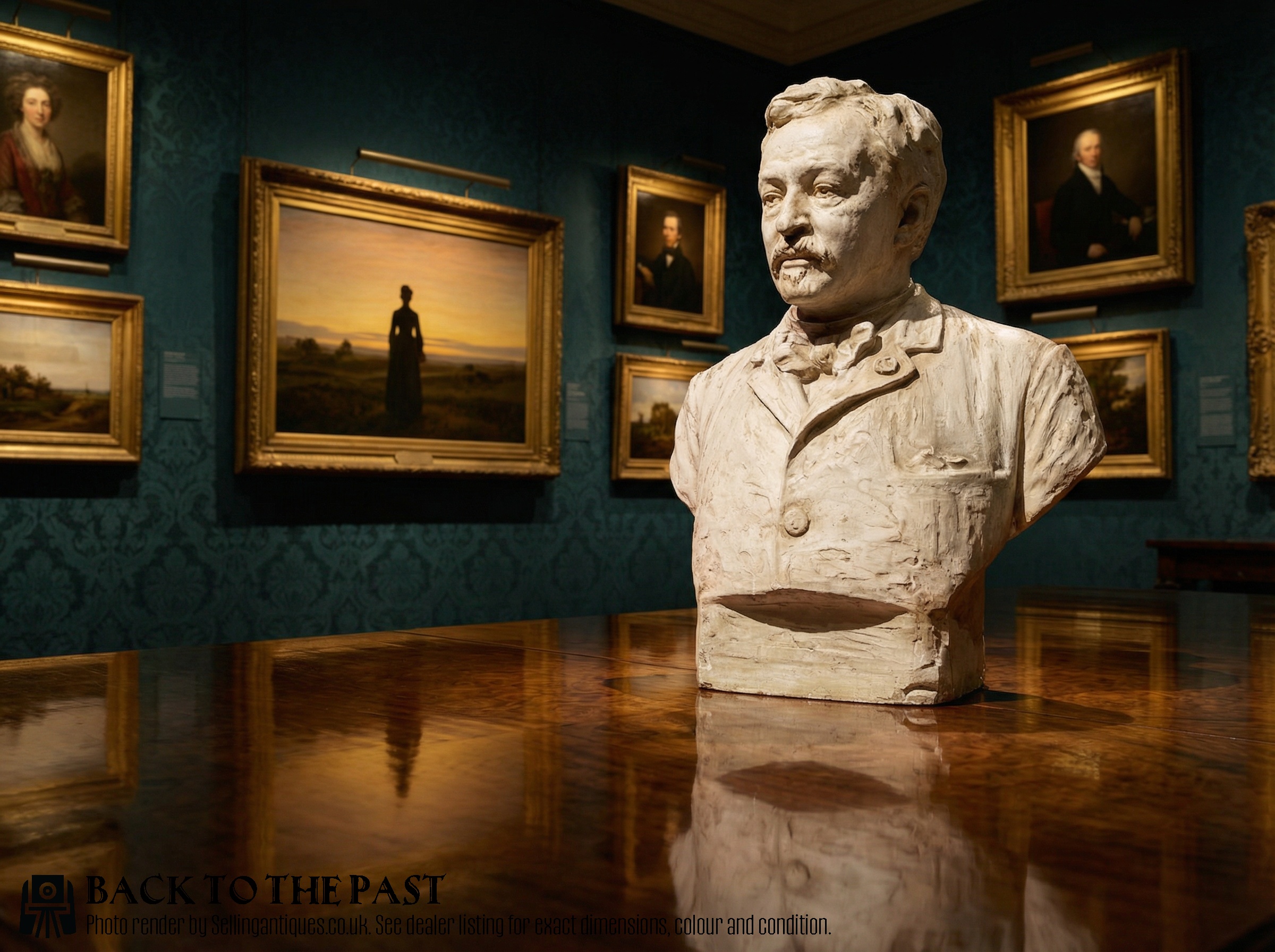
Vintage Portrait Bust
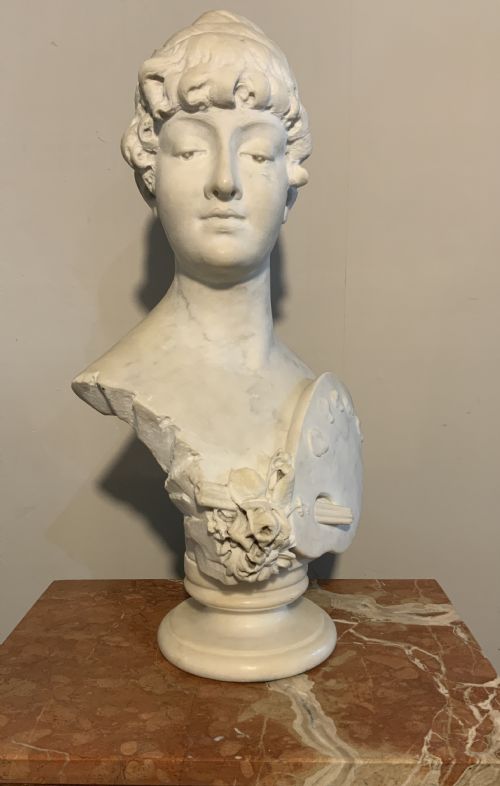
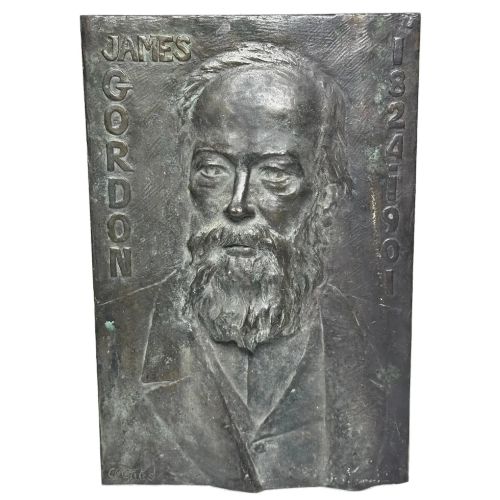
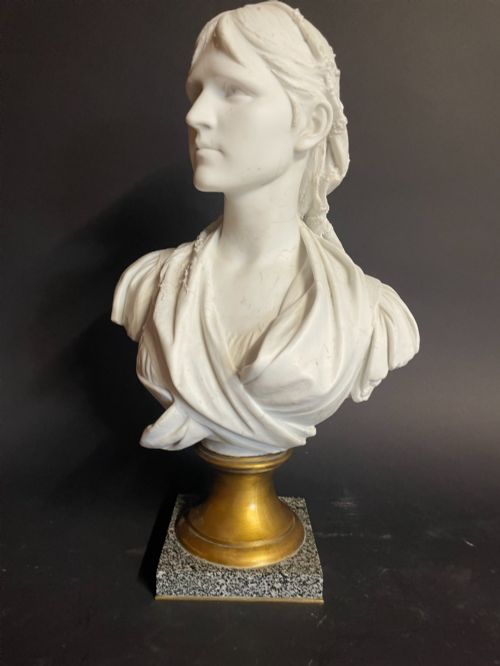
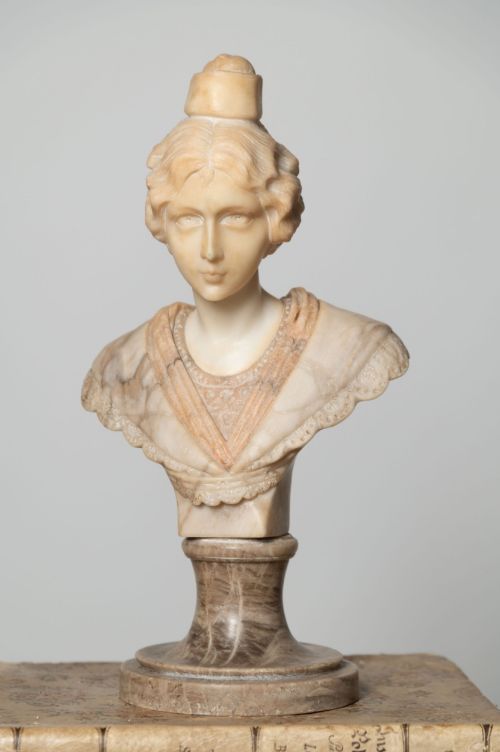
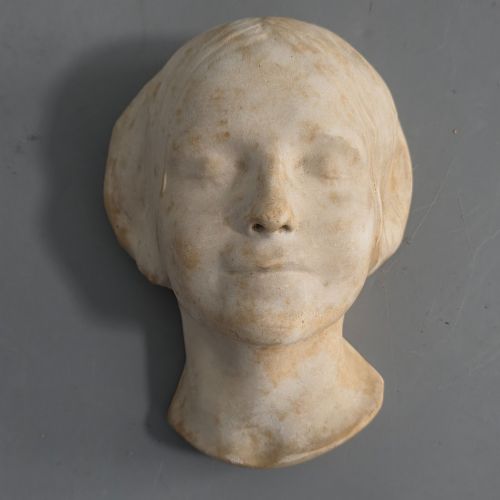
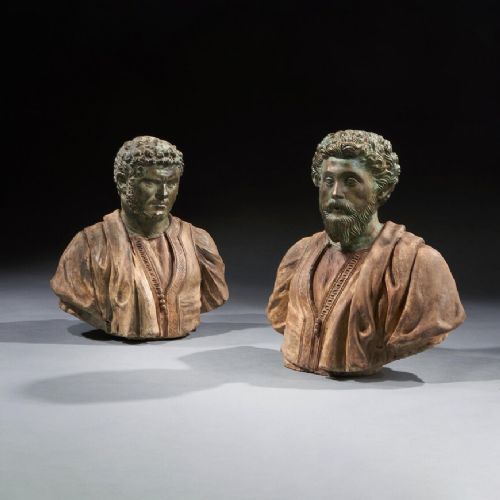
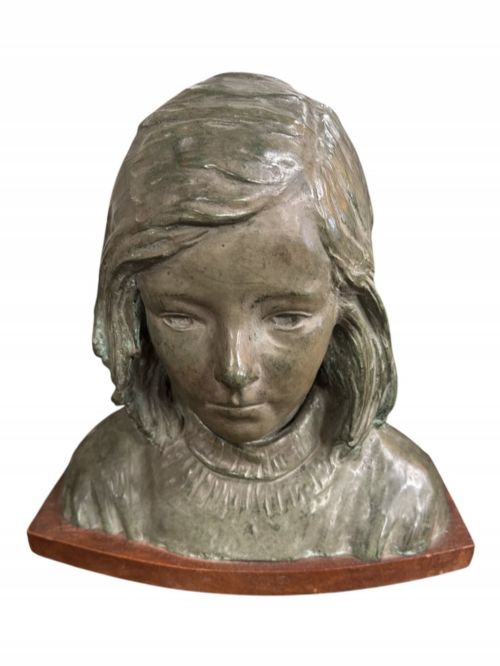
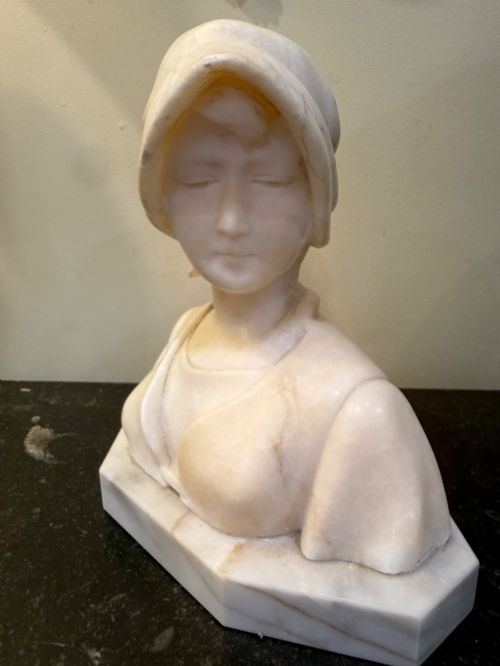
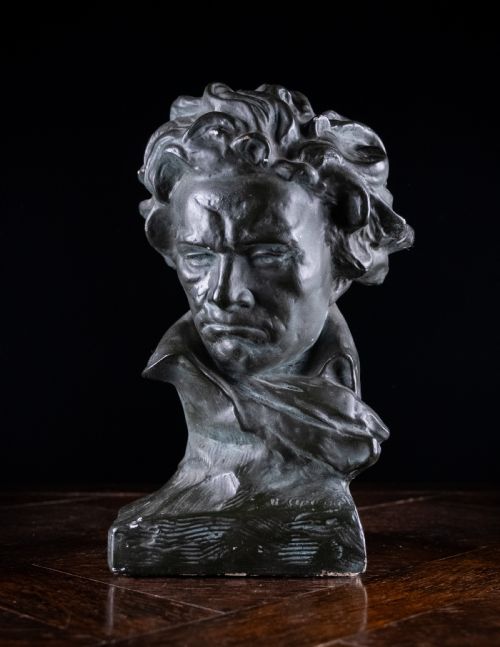
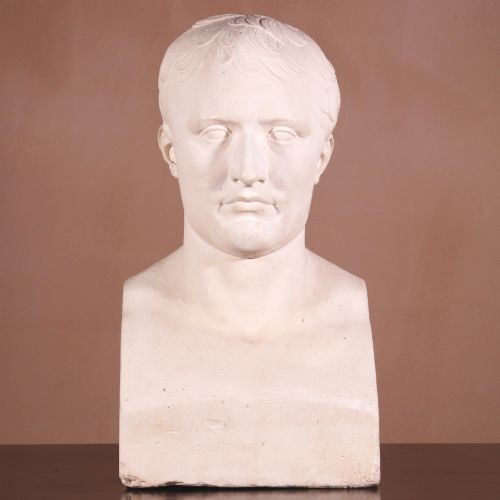
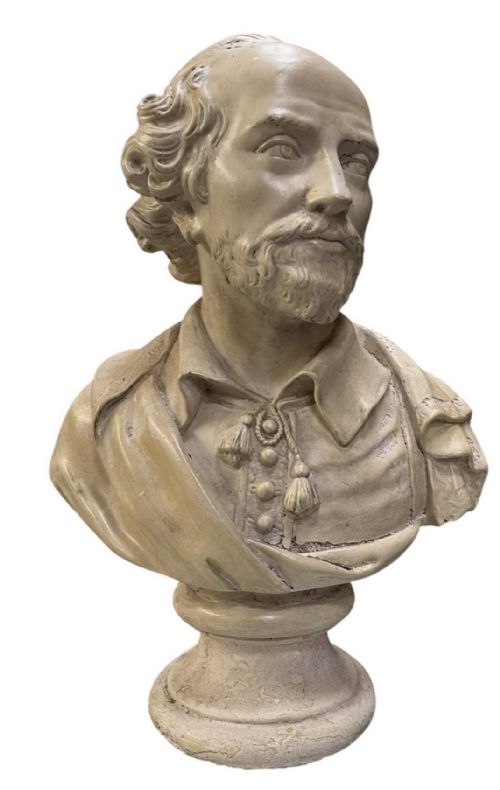
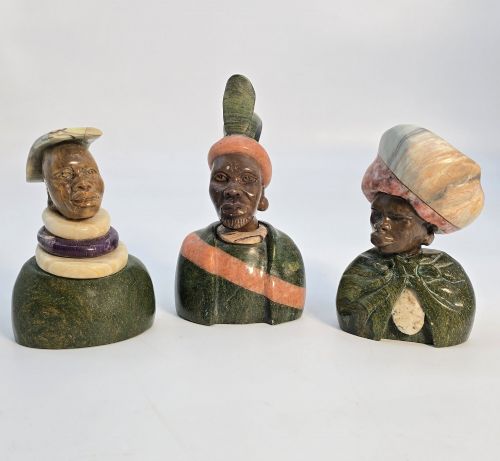
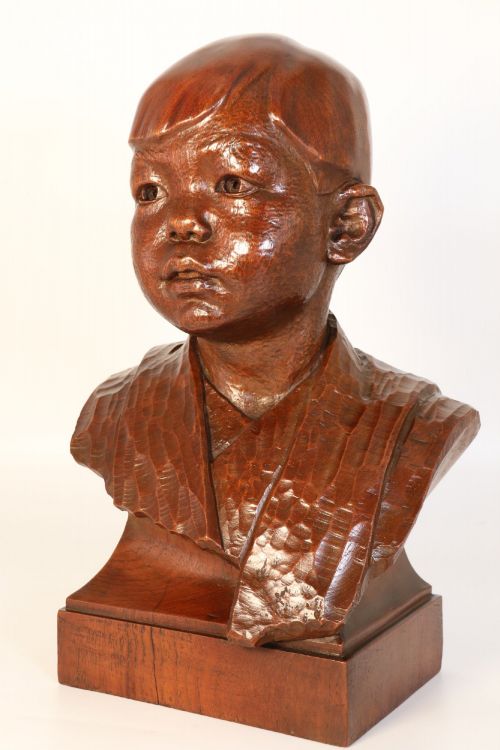
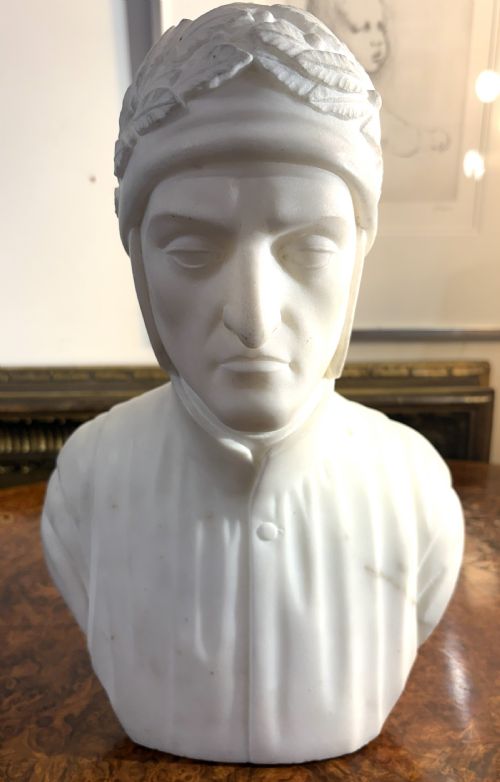
A vintage portrait bust represents an individual likeness, ranging from classical historical figures and literary icons to anonymous young women and children. The selection includes examples in marble, alabaster, plaster, bronze, terracotta and wood, often mounted on supportive pedestals or bases.
You meet pieces originating from various European and international workshops, spanning the nineteenth century through the Edwardian period and into the art deco era. Forms vary from monumental life-size library library pieces down to smaller decorative bookends and wall reliefs.
Makers often cast or carve subjects with distinct stylistic influences, including neoclassical, art nouveau and folk art traditions. The inventory captures both grand sculptural statements and intimate domestic likenesses.
Materials and technique
Carved pieces rely on direct reduction from solid blocks of Carrara marble, alabaster, walnut, pear wood and stone, demanding steady precision from the sculptor. Detail emerges through hand chiseling and polishing that brings out the natural grain or crystalline structure of the medium.
Cast works utilise bronze, terracotta, and plaster poured into moulds, sometimes receiving supplementary paint or bronzed surface finishes. Metal sculptures often involve the lost-wax method, while plaster pieces capture fine textures from original clay models before curing.
Listings feature works spanning the nineteenth century, the Edwardian period, and the 1920s to 1940s.
What varies in quality
The choice of medium and the fidelity of surface finishing set individual works apart. Hand-finished details by known sculptors elevate a piece above standard decorative production.
Raffaelo Monti·George Henry Paulin·Georges-Charles Coudray·Giuseppe Moretti·Ernst Whaliss
The Vintage Portrait Bust Glossary
- Carrara marble
- A type of white or blue-grey marble from the city of Carrara in Tuscany, Italy, prized for its use in classical sculpture.
- Alabaster
- A fine-grained mineral, often white and translucent, used historically for delicate carvings and sculptural busts.
- Terracotta
- Baked red-clay ceramic material utilised widely for sculptural modeling and architectural reliefs.
- Lost-wax method
- A metal-casting process where a molten metal is poured into a mould that has been created by means of a wax model.
- Relief
- A sculptural technique where the sculpted elements remain attached to a solid background of the same material.
Vintage Portrait Bust: Frequently Asked Questions
Where should I display a bust?
These sculptures sit well upon sturdy mantelpieces, bookcases, or dedicated pedestals where lighting can catch the contours of the face.
Heavier marble and bronze pieces require stable, level surfaces capable of supporting substantial weight.
Are these pieces signed by artists?
Certain works bear signatures or foundry marks inscribed directly into the material near the base or on the reverse.
Unsigned pieces remain common, often originating from skilled studio workshops of the period.
What periods do these sculptures cover?
The available selection spans the nineteenth century through the Edwardian era and into the 1930s and 1940s.
Stylistic shifts reflect prevailing tastes, moving from classical revivalism toward art nouveau and art deco designs.