

Vintage Porcelain Urn
A vintage porcelain urn brings classical dignity and intricate hand-painted detail to any room.
Vintage Porcelain Urn
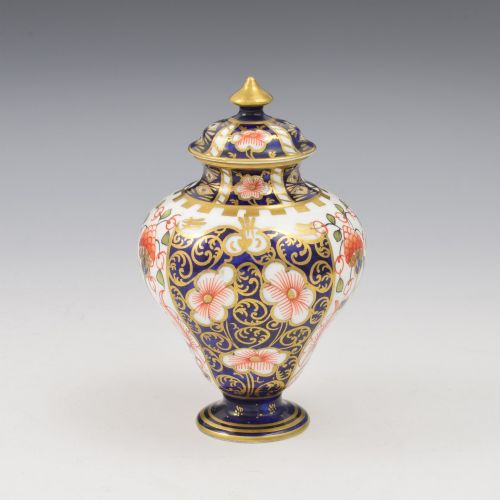
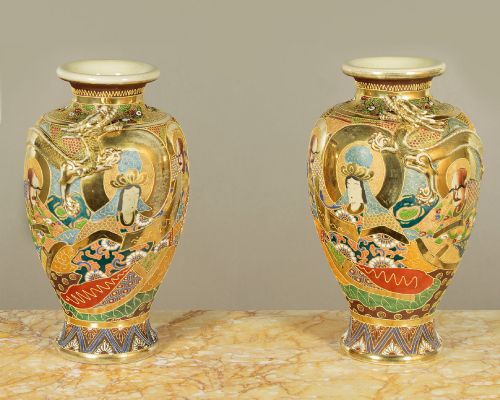
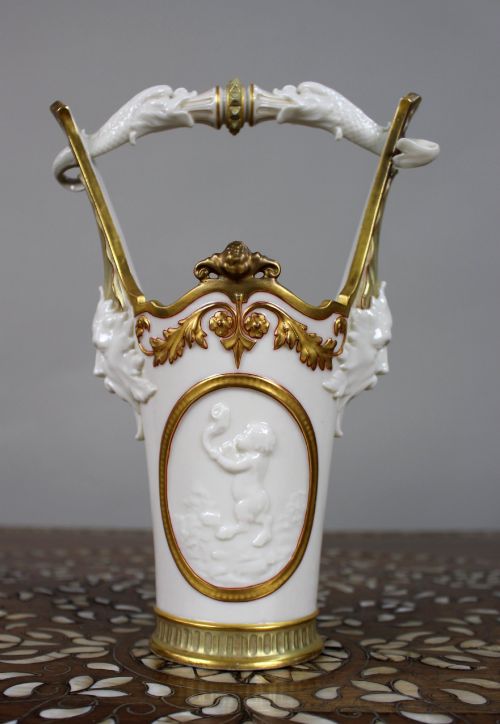
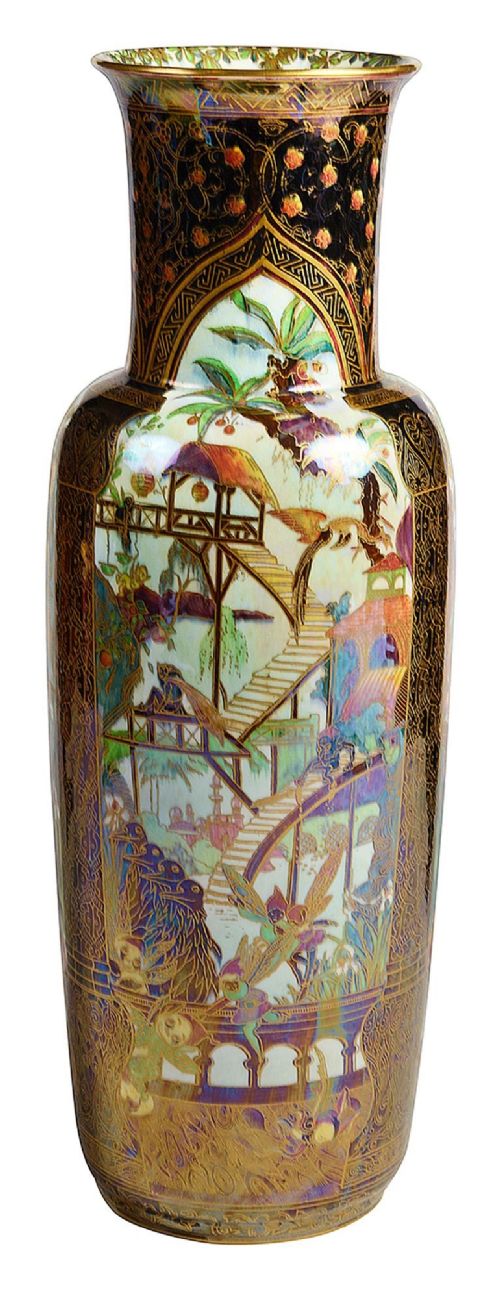
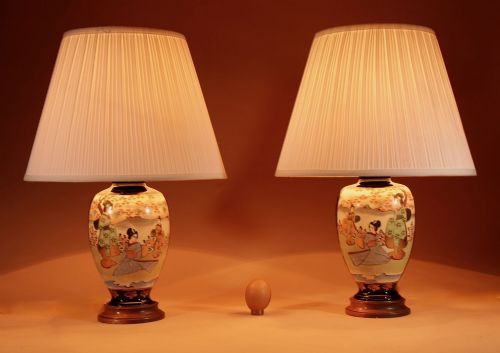
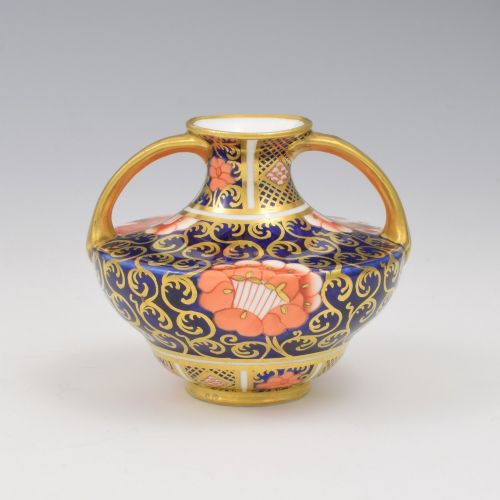
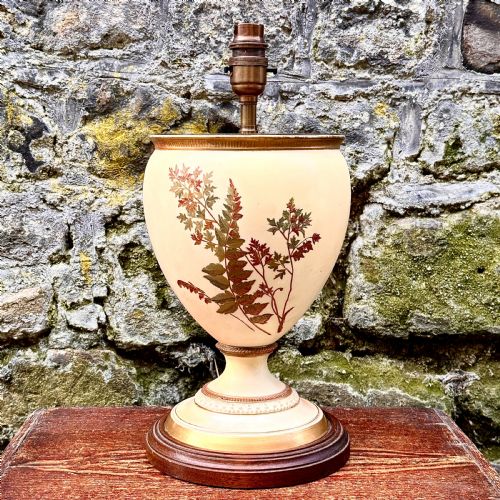
A vintage porcelain urn stands as a classical vessel designed for display, often taking the form of a covered jar, a two-handled vase, or a converted table lamp. These decorative objects draw upon nineteenth and early twentieth-century traditions, spanning English porcelain manufactories, French neoclassical workshops, and Japanese Satsuma or Imari exports.
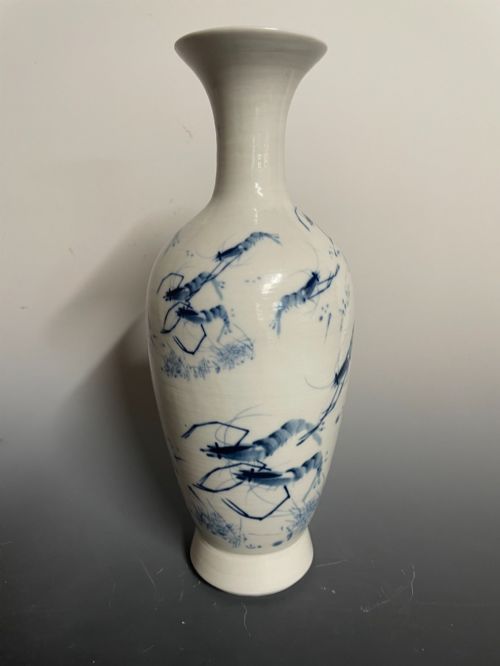
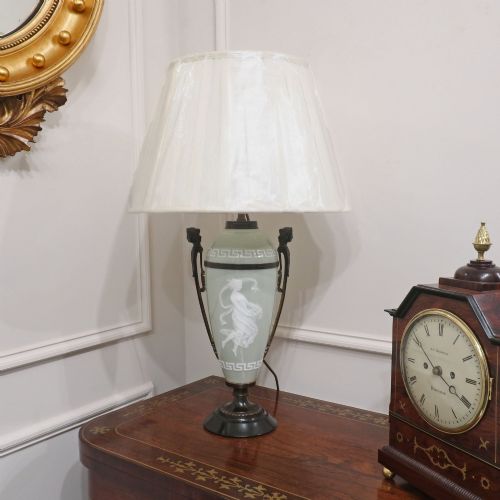
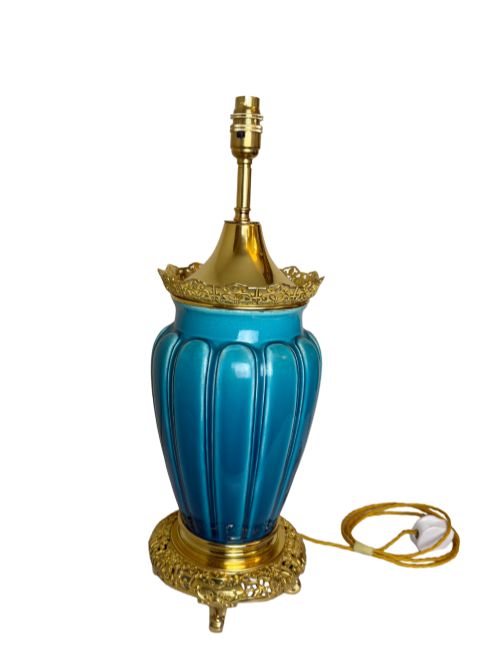
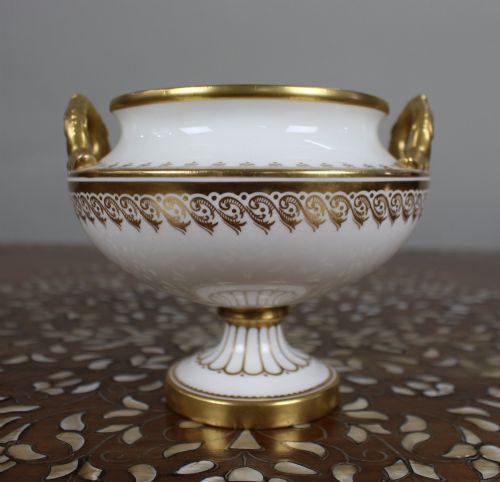
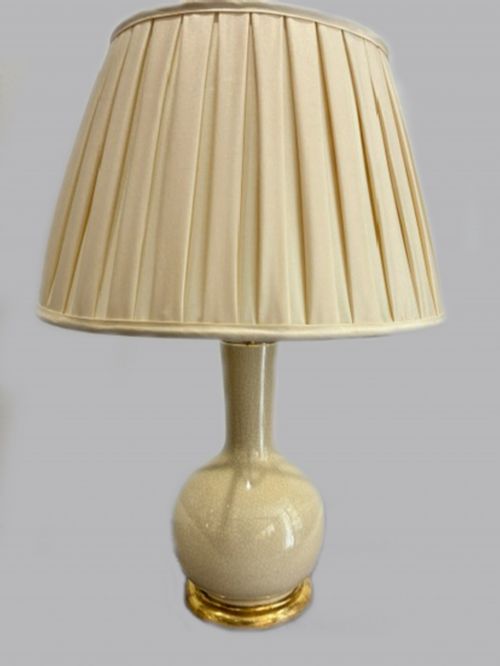
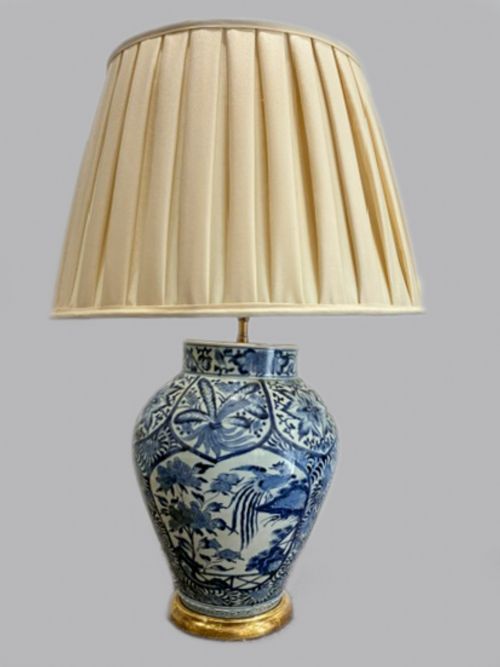
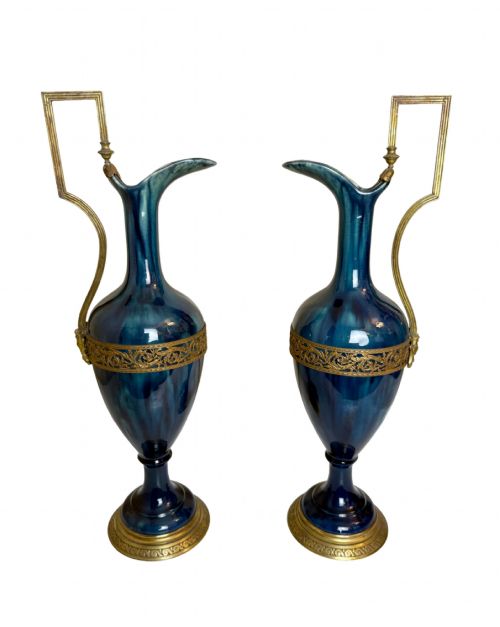
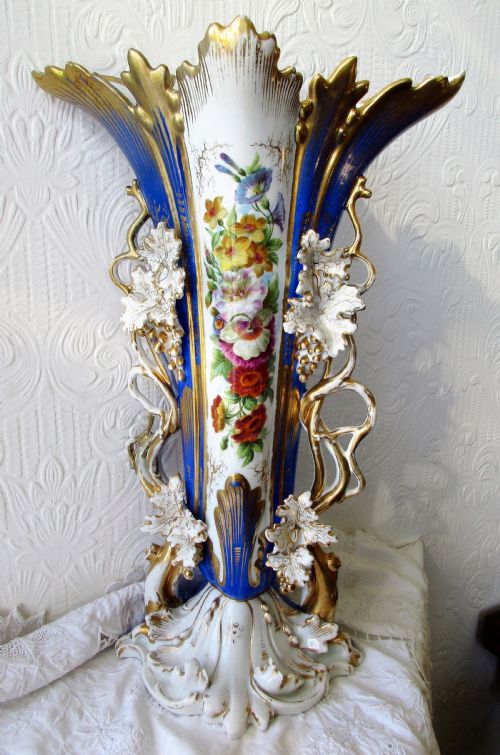
Buyers seeking a vintage porcelain urn will encounter diverse interpretations, ranging from crisp white English pieces with gold leaf to richly decorated cobalt blue designs and crackle ware. Many examples from this selection function as table lamps, merging historical ceramic bodies with later brass, ormolu, and gilt bronze mounts.
The aesthetic reaches from Victorian and Edwardian refinement to bold Art Deco statements and Japanese Meiji period craftsmanship. Whether presented as a pair of ginger jars or an exhibition piece, each object reflects the prevailing decorative tastes of its manufacturing era.
Materials and production methods
Production relies upon refined ceramic bodies, principally porcelain and earthenware, shaped on the wheel or cast in moulds before undergoing high-temperature firing. Artisans then applied colourful glaze, enamel, and gold leaf, frequently returning the piece to the kiln to fix delicate surface details.
Metalwork plays a structural and decorative role, incorporating gilt bronze, brass, ormolu, and bronze trim to frame handles, bases, and neck mounts. Many vessels also integrate pate sur pate techniques, hand painting, or transfer printing to achieve layered, textured motifs.
Materials across the inventory include earthenware, enamel, brass, and glaze, frequently enhanced with gold leaf, gilding, and ormolu mounts.
Distinctions in quality and execution
Quality rests upon the crispness of the porcelain modelling and the precision of the hand-painted enamel or gilding. Superior pieces display finely delineated brushwork, vibrant glaze depth, and balanced proportions across both companion urns and single exhibition vessels.
The integration of metal mounts further separates standard factory output from exceptional works. Fine gilt bronze or ormolu mounts fit the ceramic body snugly, showing clean casting lines and heavy metal weight rather than lightweight stamped brass.
Royal Crown Derby·Royal Worcester·Wedgwood·Royal Doulton·Meissen·Minton·Hicks and Meigh·H & R Daniel·Carlton Ware
The Vintage Porcelain Urn Glossary
- Imari
- A traditional Japanese style of porcelain decoration characterised by a palette of underglaze blue, iron red, and gold leaf. These pieces frequently feature intricate floral and panel designs.
- Ormolu
- Gilt bronze ornamentation applied to furniture, clocks, and ceramic mounts. This decorative technique involves treating a metal object with a finely ground mercury and gold amalgam.
- Pate sur pate
- A ceramic decorating method where successive layers of liquid white clay are painted onto a darker coloured body to build a low relief cameo effect.
- Garniture
- A set of three or more matching decorative vases or urns designed to be displayed together on a mantelpiece or sideboard.
- Cracklegare
- A ceramic glaze marked by a network of fine intentional cracks across the surface. This finish originates in historical Chinese kiln traditions and gained popularity in nineteenth-century European production.
Vintage Porcelain Urn: Frequently Asked Questions
What is a vintage porcelain urn used for?
These vessels serve primarily as decorative focal points for mantelpieces, sideboards, and architectural display spaces. Many historical examples have also been professionally converted into table lamps to function within modern domestic lighting schemes.
Their substantial forms and painted surfaces bring colour and historical texture to a room, whether displayed individually or as matching pairs.
How do I care for a porcelain urn with gilt mounts?
Dust the ceramic body gently with a dry microfibre cloth to prevent the accumulation of grit on painted surfaces and enamel details. Avoid using commercial liquid cleaners or abrasive materials, which can damage delicate gold leaf and historical glaze.
For metal mounts like ormolu or brass, use a soft, dry brush to clear crevices, keeping moisture away from both the metal and the ceramic body.
Why are some porcelain urns converted into lamps?
Wiring decorative urns and vases into table lamps became a popular practice during the twentieth century to adapt fine historical objects for practical household use. This conversion allowed people to enjoy antique craftsmanship while meeting modern interior lighting needs.
Converters typically drilled the base or fitted brass hardware through the top without altering the primary decorated body of the vessel.