

Vintage Porcelain Table Lamps
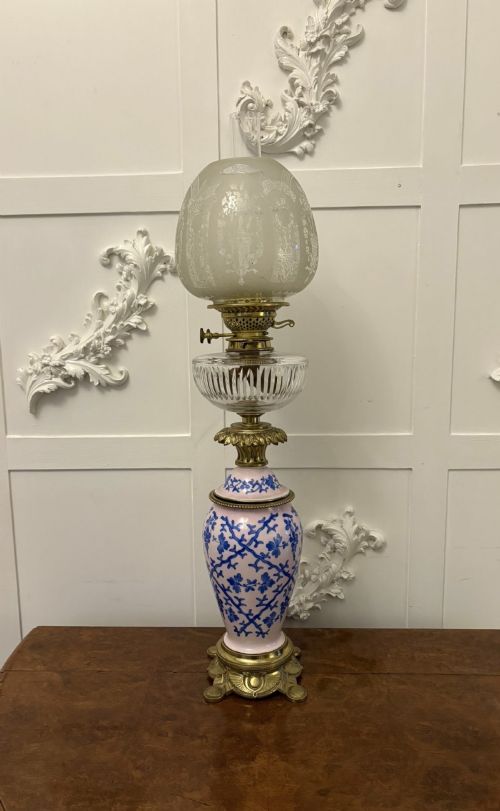
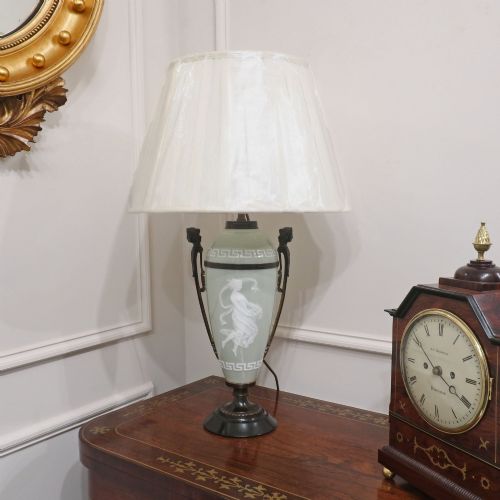
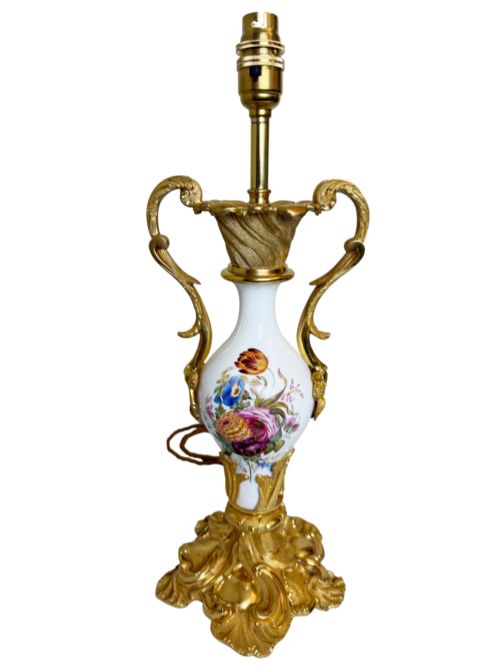
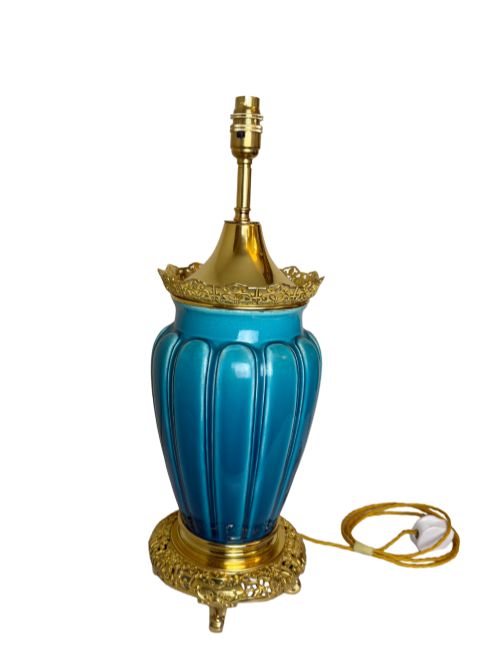
These vintage porcelain table lamps bring character to a room through hand-painted glazes, converted antique vessels, and decorative metal mounts.
Vintage Porcelain Table Lamps
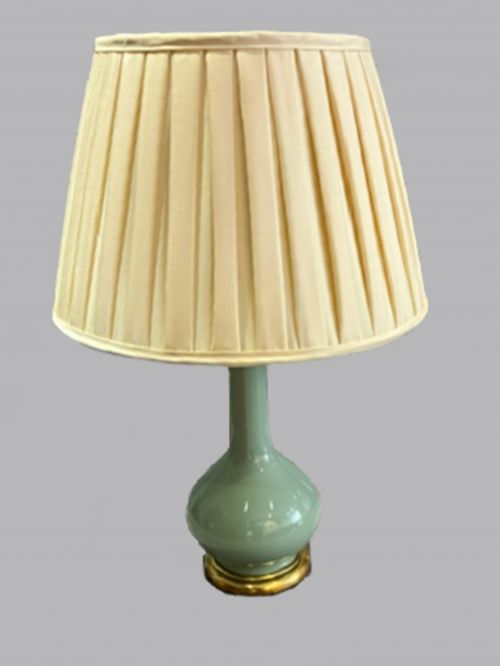
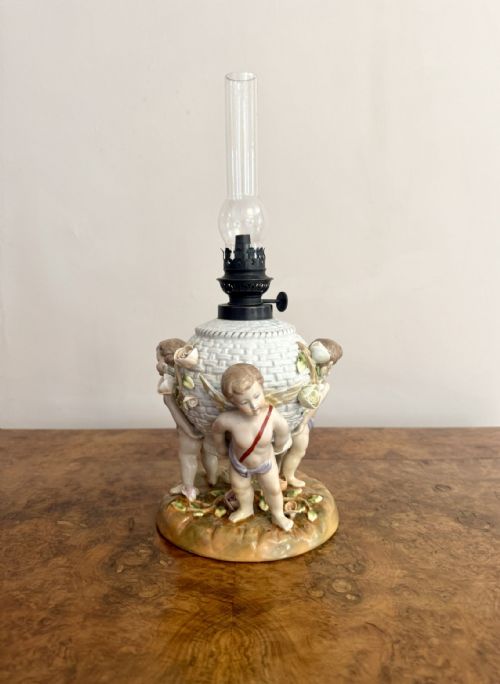
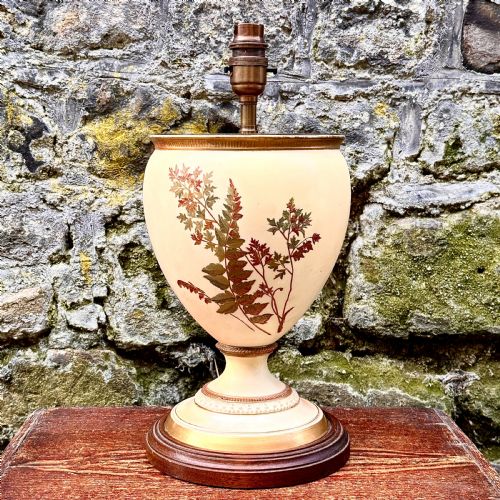
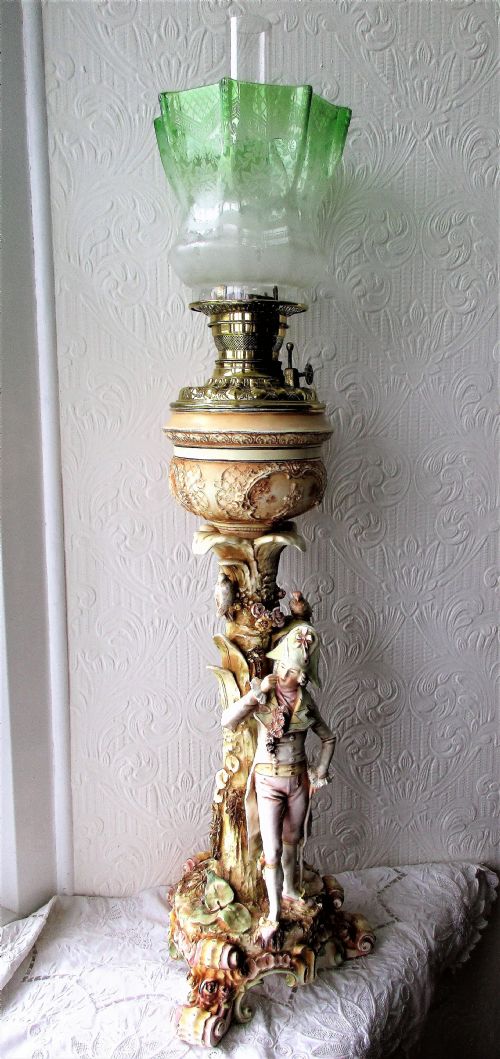
Vintage porcelain table lamps encompass decorative lighting created from ceramic bodies, often utilising converted vases, ginger jars, and oil lamps from various past centuries. Buyers examining this selection encounter pieces ranging from Victorian oil lamps and Edwardian creations to converted Chinese and Japanese vessels.
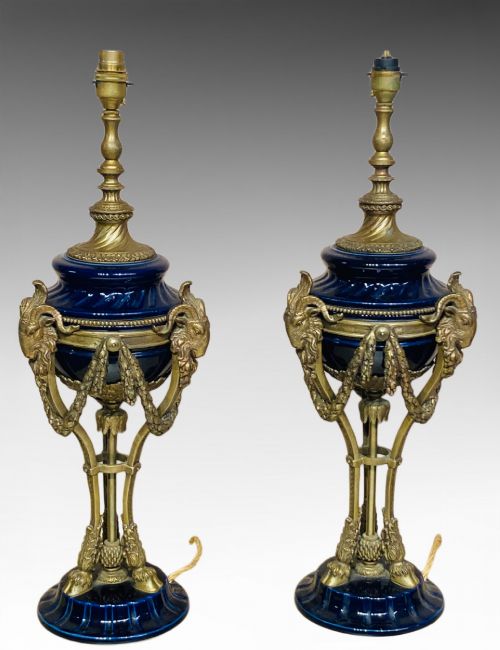
The assortment includes table lamps originating from French workshops, German factories, and English potteries, spanning periods from the eighteenth century through the art deco era. Many items combine porcelain bases with brass, gilt bronze, or ormolu mounts, reflecting diverse stylistic influences such as Chinoiserie and rococo revival.
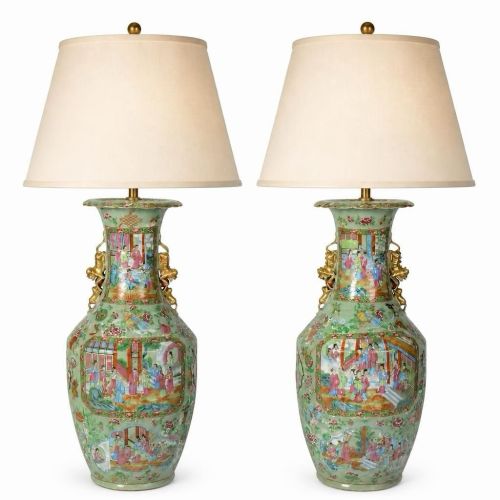
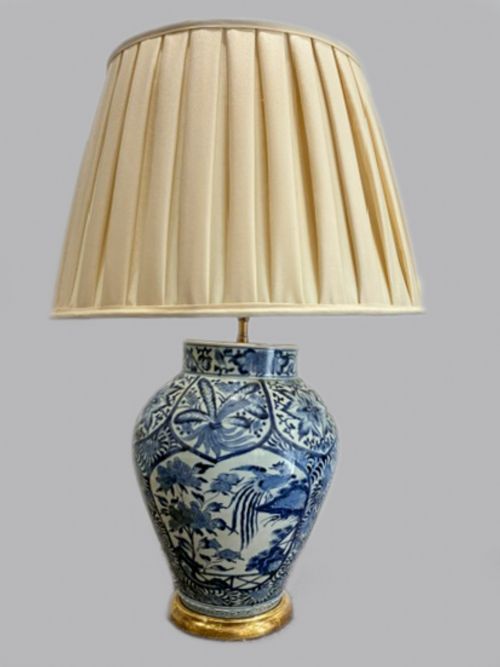
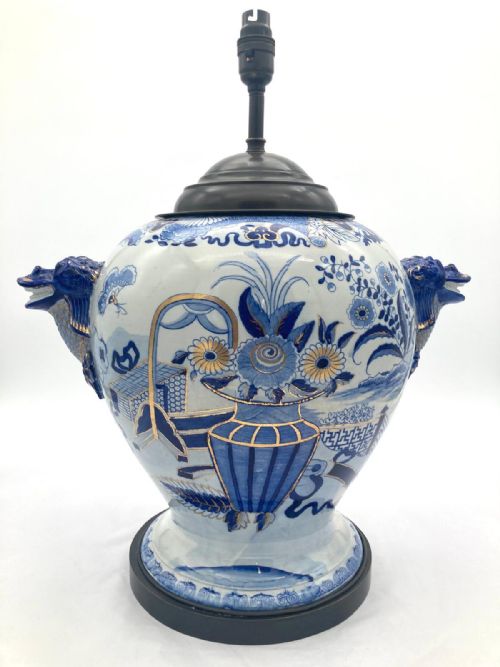
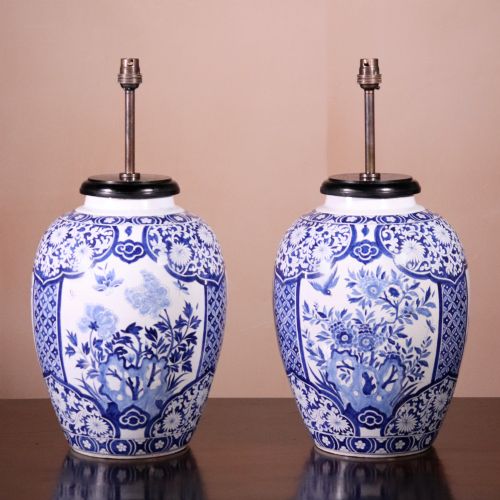
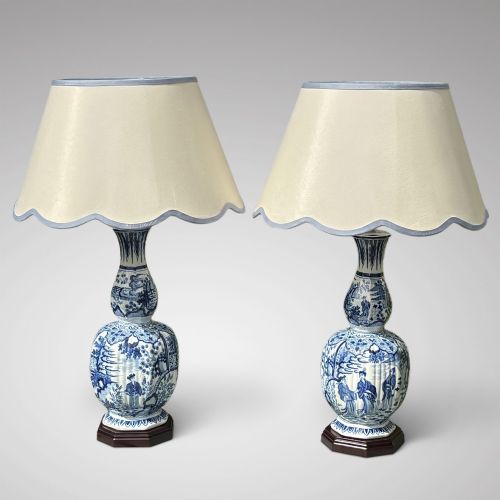
Vessels transformed into lamps frequently showcase traditional motifs, including blue and white patterns, rose medallion designs, and figural subjects like Shi lions or dogs of Fo. Pairs appear alongside single statement pieces, providing options for both symmetrical placement and individual accent lighting.
How they were made
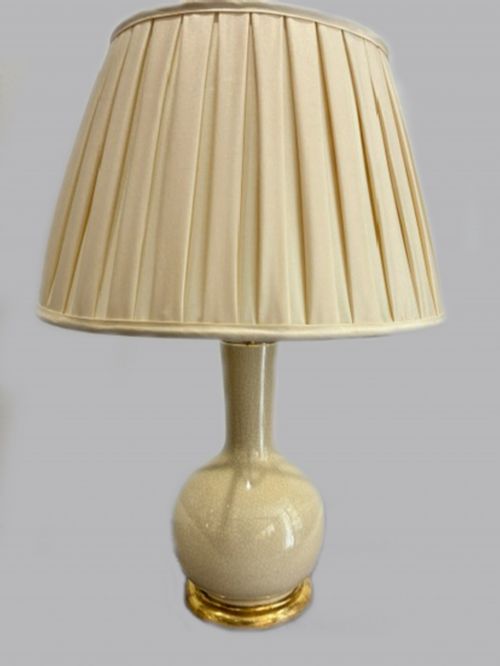
Makers shaped porcelain bodies using traditional ceramic techniques, applying hand-painted glazes, pate sur pate decoration, or crackle finishes before firing the clay at high temperatures. Many items began as decorative vases, ginger jars, or oil lamps before undergoing later conversion into functional table lamps with electrical fittings.
Metal components such as brass, gilt bronze, and ormolu form structural mounts, bases, and trim that support and complement the porcelain bodies. Fabric and toleware elements occasionally complete the construction, particularly in shades and associated hardware.
Listings feature porcelain table lamps incorporating brass, gilt bronze, and ormolu mounts across periods spanning the eighteenth century to art deco.
What varies in quality
The caliber of a piece rests heavily on the crispness of the hand-painted detail upon the ceramic body and the artistic execution of figures or floral motifs. Finer examples display meticulous brushwork and depth within glazes such as famille rose or blue and white designs.
The quality of the metal mounts distinguishes superior items, where cast gilt bronze or ormolu fits snugly and harmonises with the porcelain rather than appearing crude. Furthermore, the original integrity of the converted vessel and the balance of the mounted structure dictate overall refinement.
Royal Worcester·Sitzendorf·Karl Ens·Anton Buschelberger·Argilor
The Vintage Porcelain Table Lamps Glossary
- Ormolu
- Gilt bronze mounted on decorative objects, providing polished metallic trim around porcelain bases. This technique was widely utilised by French makers.
- Pate sur pate
- A ceramic decoration method where wet porcelain slip is built up in successive layers to create a low relief cameo effect. It requires immense skill from the artisan.
- Satsuma
- Japanese earthenware featuring a crackled ivory glaze decorated with polychrome enamels and gilding. These wares frequently date from the Meiji period.
- Blanc de Chine
- White porcelain produced in China, known for its smooth milk-white glaze. Pieces often depict figures such as Shi lions or dogs of Fo.
- Ginger jar
- A high-shouldered ceramic vessel with a domed cover, originally used for spices. Many survive converted into table lamps.
Vintage Porcelain Table Lamps: Frequently Asked Questions
How are antique vases converted into lamps?
Makers drill a discreet hole through the base or fit internal brass wiring rods through the centre of the vessel to secure the bulb fitting.
This process allows historic porcelain to function safely as modern lighting without altering the decorative exterior surface.
What is a veilleuses lamp?
A veilleuses is a nineteenth-century French ceramic night light designed to keep liquid warm or provide a soft glow in a bedroom.
These figural porcelain pieces feature pierced covers and compact bases that house a small internal heat source.
How do I identify a Satsuma lamp?
Satsuma pieces feature a characteristic creamy, crackled earthenware glaze embellished with detailed Japanese enamel work and heavy gilding.
They often depict traditional figural scenes and floral patterns originating from the Meiji period.