








Vintage Porcelain Pottery
Vintage porcelain pottery spans centuries of diverse domestic and decorative forms from British, European, and Asian workshops.
Vintage Porcelain Pottery
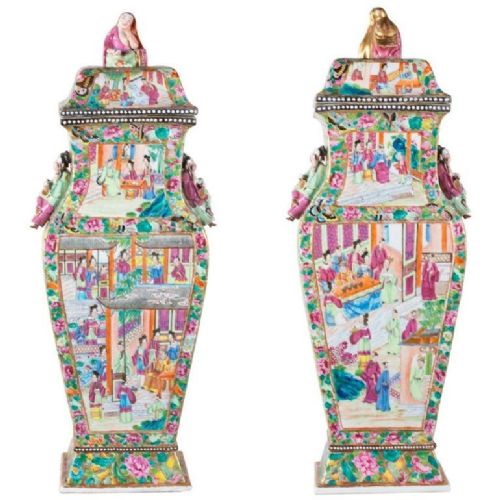
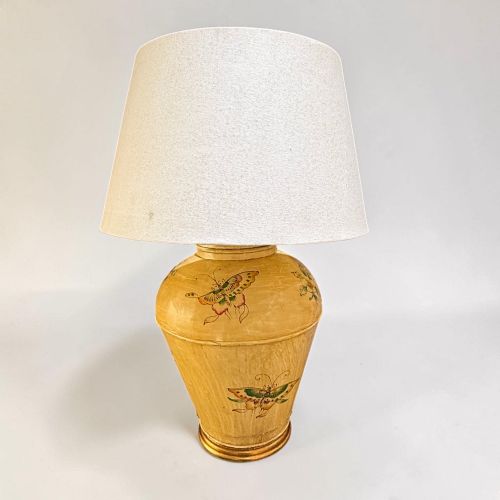
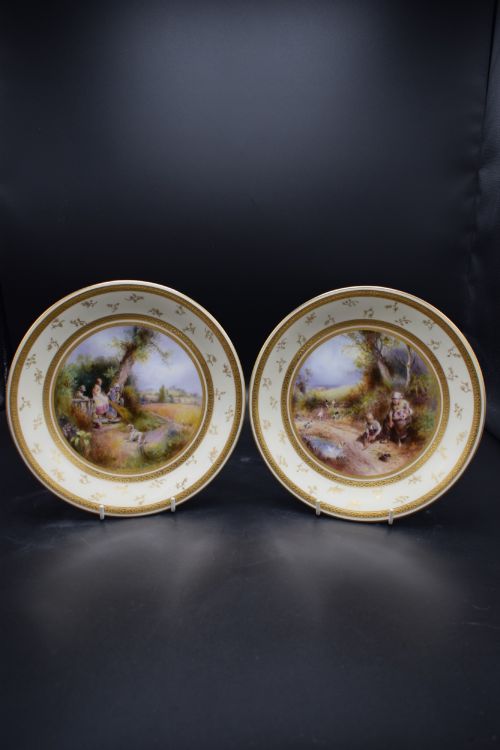
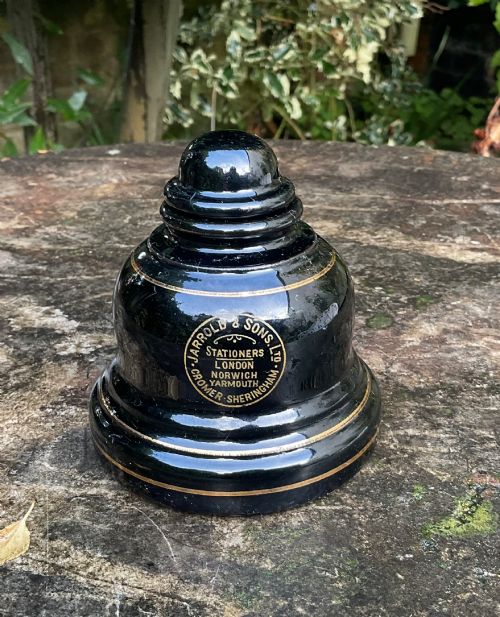
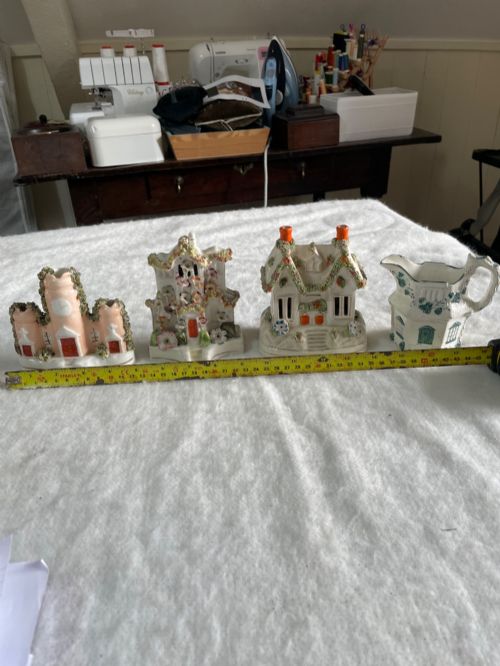
Vintage porcelain pottery comprises a broad collection of utilitarian and decorative objects originating from nineteenth-century Staffordshire, European factories, and Asian kilns. Buyers encountering this phrase will find diverse functional items, including vases, table lamps, inkwells, decorative dishes, and character figures.
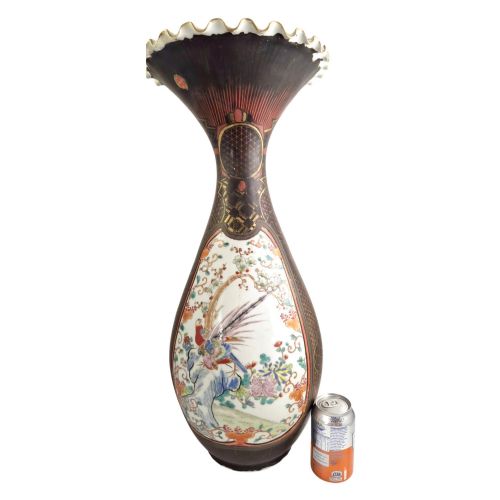
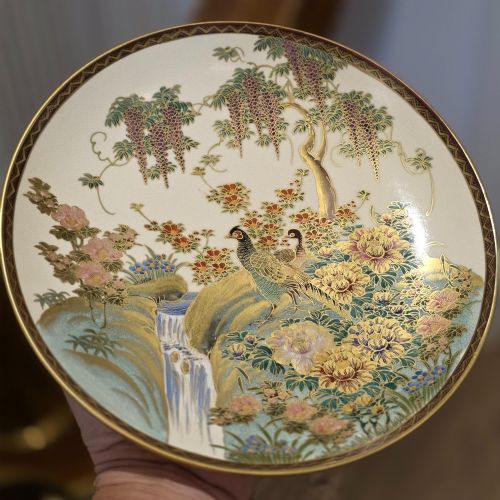
The selection ranges from Victorian Staffordshire spaniels and inkwells to Japanese Satsuma and Imari vases spanning the Meiji period. Pieces often reflect specific regional aesthetics, from delicate bone china tea sets to robust earthenware garden seats.
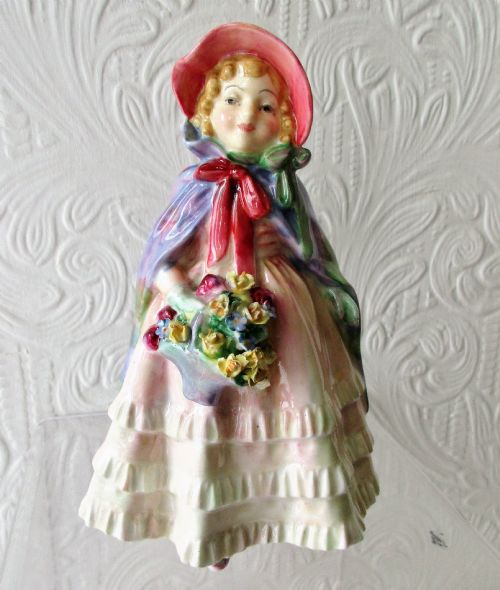
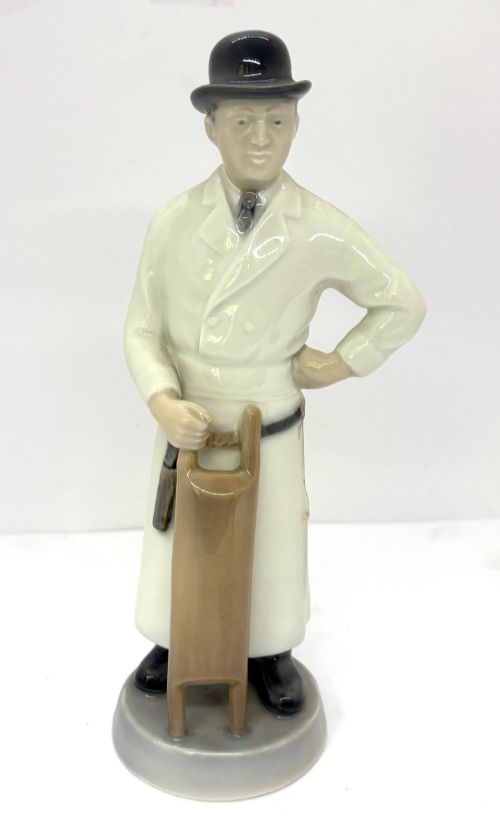
Mid-century production also introduces named porcelain figurines alongside specialised tableware. These items bridge daily utility with ornamental display across multiple historical periods.
Materials and production methods
Makers utilised ceramic body compounds, earthenware, bone china, and porcelain shaped manually or moulded into specific forms. Surfaces received liquid glazes, enamel pigments, and applied gold leaf to build rich surface patterns.
Techniques varied from blue and white transfer printing to hand-painted polychrome decoration and lustre finishes fired at high temperatures. Kiln methods determined the final vitrification of the paste and the permanence of the surface pigments.
Vintage Porcelain Pottery Retail Price Guide 2026
Typical asking prices for vintage porcelain pottery among the pieces listed under this phrase on Sellingantiques today, from the lower quarter to the upper quarter. They describe what is for sale here now, not the wider market.
Current listings incorporate items spanning the eighteenth century through the 1940s, featuring porcelain, earthenware, bone china, and enamel.
Factors determining quality
Quality depends upon the precision of the modelling, the clarity of the underglaze or overglaze painting, and the preservation of the enamel and gold leaf. Superior pieces demonstrate crisp moulding details and careful hand-finishing without kiln distortion or running glazes.
The distinction between standard commercial output and exceptional studio or factory pieces rests in the artistic execution of the painted scenes and the stability of the ceramic body.
Royal Copenhagen·Wedgwood·Minton·Royal Doulton·Royal Dux Bohemia
The Vintage Porcelain Pottery Glossary
- Imari
- A style of Japanese porcelain decorated in underglaze blue, iron red, and gold. This aesthetic heavily influenced European ceramic production during the nineteenth century.
- Satsuma
- A type of Japanese earthenware featuring a pale, ivory-coloured cracked glaze decorated with intricate enamel and gilt designs. These pieces were widely produced for export.
- Bone china
- A type of porcelain composed of clay mixed with bone ash. This formula creates a strong, translucent white body suitable for refined tableware.
- Transfer printing
- A mechanical method of applying a detailed monochromatic design to ceramic ware from a copper plate. It allowed factories to produce uniform patterns efficiently.
- Lustre
- A metallic ceramic glaze that produces an iridescent sheen upon firing. It reflects light to create shifting metallic colours across the surface.
Vintage Porcelain Pottery: Frequently Asked Questions
How do I date vintage porcelain pottery?
Dating relies on identifying maker marks, factory stamps, and registration numbers stamped or painted on the base. Stylistic clues such as glaze types and manufacturing techniques also indicate the period of production.
Comparison with documented factory output helps narrow down the decade of manufacture for unmarked or standard commercial wares.
What is the difference between pottery and porcelain?
Pottery generally refers to earthenware and stoneware bodies that remain porous unless glazed and fired at lower temperatures. Porcelain is a vitrified, non-porous ceramic fired at high heat until completely dense.
Bone china represents a specific refined sub-category of porcelain incorporating animal bone ash for added strength and translucency.
How should I clean vintage ceramic pieces?
Most glazed ceramics tolerate gentle washing in lukewarm water with mild soap and a soft cloth. Harsh scrubbing or abrasive pads must be avoided to protect delicate overglaze enamels and gold leaf.
Pieces with unglazed surfaces or historic repairs require dry dusting rather than immersion in water to prevent moisture damage.
Where were Satsuma wares made?
Satsuma ceramics originated in Satsuma Province on the southern Japanese island of Kyushu during the Edo period. Production later expanded to major export centres like Kyoto and Tokyo to meet international demand.
These wares are instantly recognised by their characteristic warm ivory crackle-glaze and dense hand-painted decoration.