



Vintage Porcelain Display
These vintage porcelain display pieces bring rich hand-painted colour and intricate historical craft directly to your cabinets and walls.
Vintage Porcelain Display
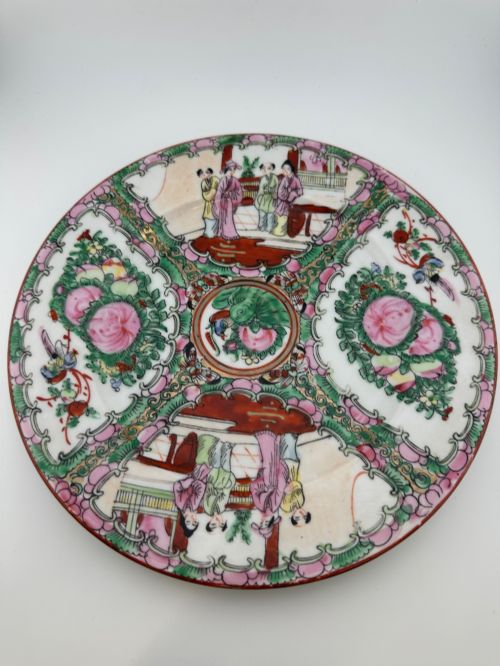
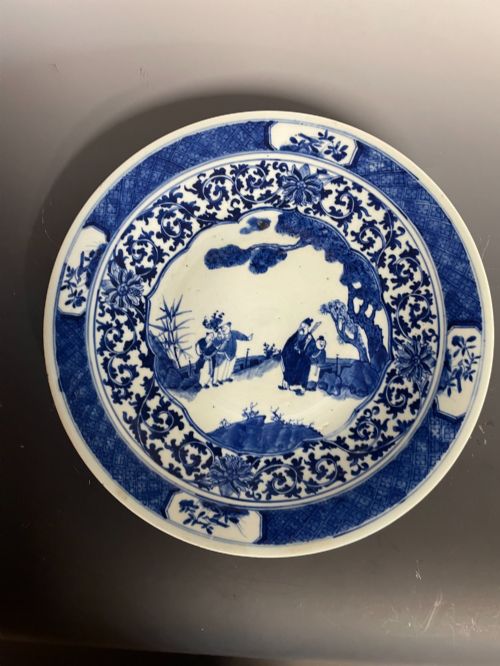
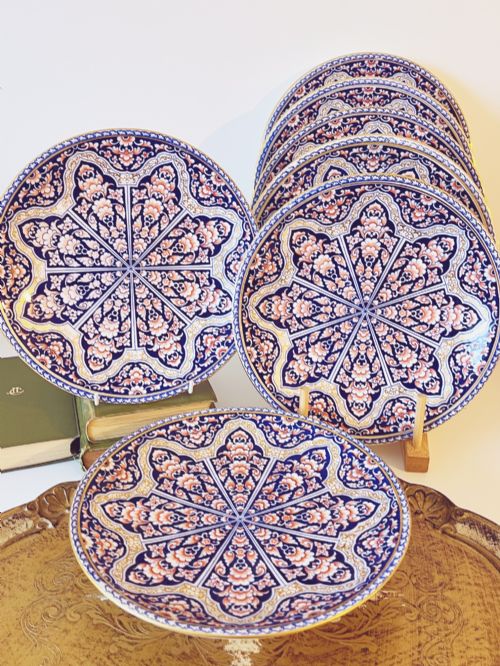
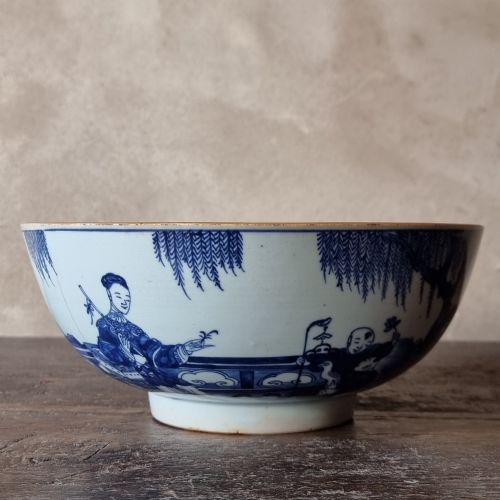
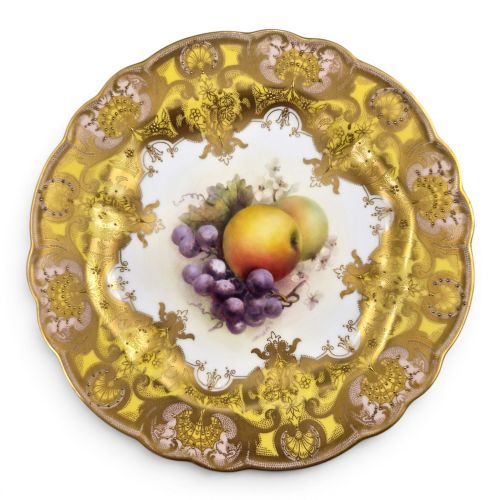
When you search for vintage porcelain display, you encounter a wide variety of cabinet plates, chargers, bowls, and vases sourced from English, Japanese, and Chinese kilns. The selection spans centuries of ceramic tradition, running from eighteenth-century delftware and punch bowls through to twentieth-century cabinet plates.
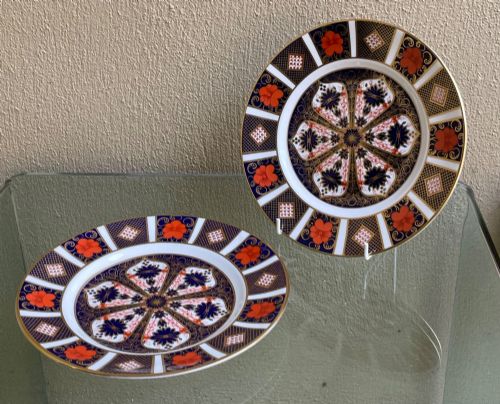
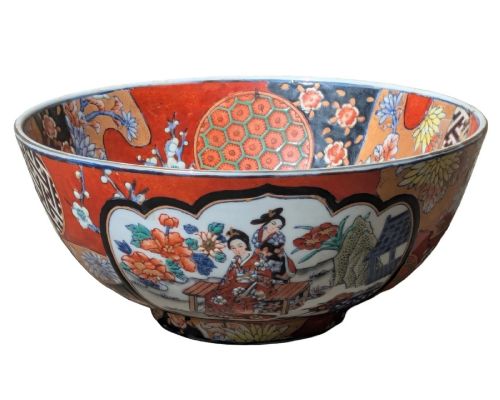
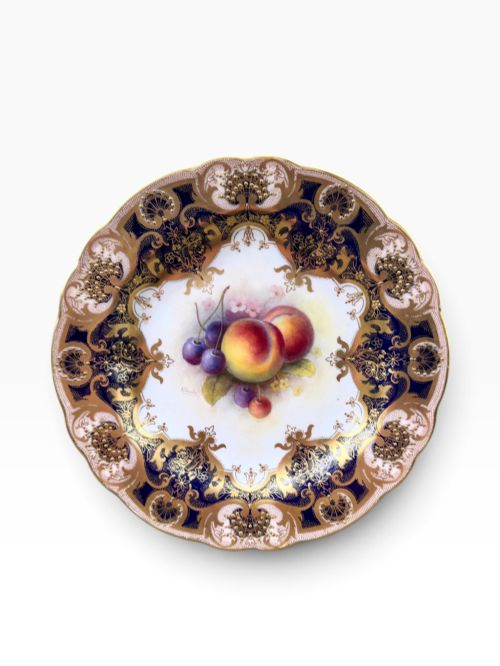
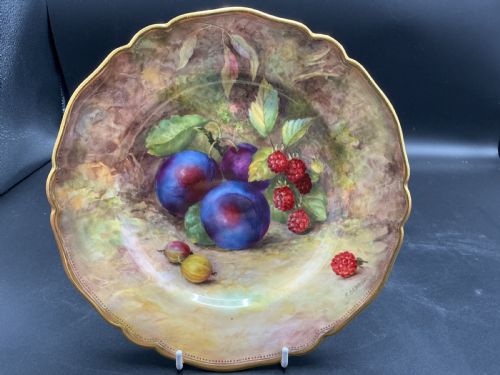
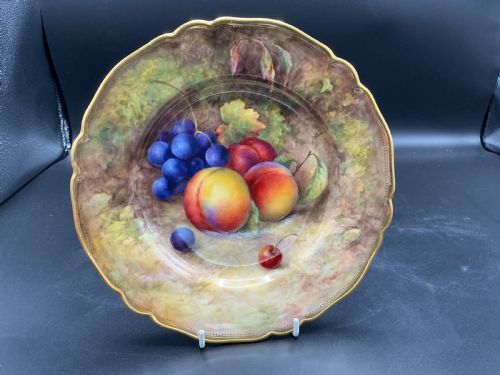
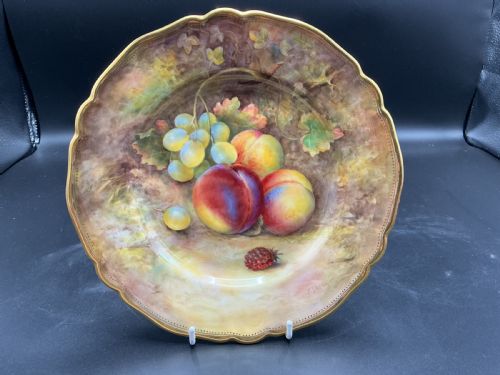
You are most likely to meet pieces decorated with traditional Japanese Imari patterns, alongside British factory wares painted with fruit and floral scenes. These items were originally made for visual appreciation in formal reception rooms rather than everyday dining.
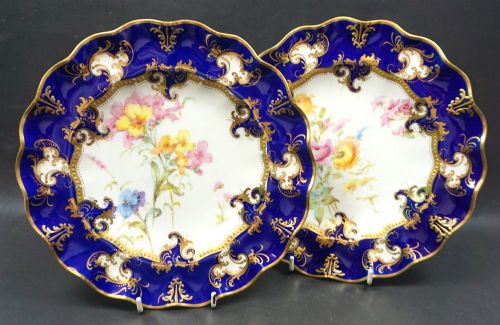
The forms range from large scalloped bowls and square plates to pairs of decorative dishes meant for prominent placement on sideboards and display ledges.
Materials and technique
Makers shaped these items using porcelain, bone china, ceramic, and earthenware, applying smooth glazes to seal the clay body before decoration. Many examples incorporate hand-applied enamel colours and rich gold leaf or gilt details to catch the light.
Artisans executed intricate designs through careful hand painting, utilising specialised ceramic pigments that matured permanently during high-temperature kiln firings. Techniques varied from the bold blue and iron-red palettes of Imari wares to delicate naturalistic fruit studies signed by individual artists.
Listings feature porcelain, bone china, ceramic, and earthenware items spanning the eighteenth, nineteenth, and twentieth centuries.
Assessing quality
The standard of a piece rests heavily on the skill of the brushwork and the precision of the hand-painted details. Master artists working for major factories achieved remarkable depth and realism in floral and fruit subjects, setting their work apart from simpler transfer-printed items.
The crispness of the porcelain body, the vibrancy of the glaze, and the careful application of gold leaf dictate the visual impact of each vessel. Condition and the presence of artist signatures or specific factory date marks also distinguish finer items within the broader range.
Royal Crown Derby·Royal Worcester·Royal Doulton·Wedgwood·Minton
The Vintage Porcelain Display Glossary
- Cabinet plate
- A decorative plate intended for display in a cabinet or on a wall rather than for serving food. These often feature elaborate hand-painted scenes by named artists.
- Charger
- A large ornamental plate or dish used primarily as a decorative centrepiece. They frequently display dense patterns or pictorial designs across a broad surface.
- Imari
- A traditional Japanese style of porcelain characterised by a distinct palette of underglaze blue, iron red, and gilt. British makers frequently copied these striking patterns.
- Lustre
- A type of ceramic glaze containing metallic oxides that produce an iridescent, shimmering surface effect. It reflects light differently depending on the viewing angle.
- Comport
- A raised dish or bowl used traditionally for serving fruit or sweets as part of a formal dessert service. They add varied vertical height to a display arrangement.
Vintage Porcelain Display: Frequently Asked Questions
What is a cabinet plate?
A cabinet plate is an ornamental dish designed purely for visual display rather than practical dining use. These pieces often showcase intricate artistry.
Potters and painters treated the surface as a canvas for detailed landscapes, botanical studies, or traditional patterns.
How do I display antique chargers?
Antique chargers are typically shown using sturdy wall hangers or heavy-duty plate stands placed securely on flat surfaces. Their large diameters require stable support.
Placing them in rooms away from direct sunlight helps preserve the hand-painted enamel colours and gilt highlights.
What does Imari mean on porcelain?
Imari refers to Japanese porcelain exported from the port of town Arita, traditionally defined by a bold colour scheme of blue, red, and gold. European factories admired this aesthetic.
English potteries subsequently produced their own Japan patterns inspired by these distinct imports.
Are these porcelain pieces painted by hand?
Many decorative plates and bowls feature entirely hand-painted decoration executed by skilled studio artists and factory specialists. Brushwork detail varies from piece to piece.
Closer inspection under a magnifying glass often reveals individual brushstrokes and artist signatures on finer cabinet wares.