




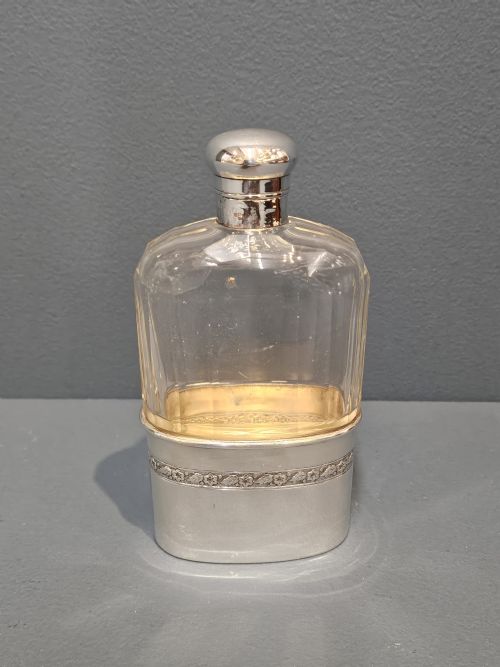


Vintage Pocket Hip Flask
A vintage pocket hip flask is a compact personal container for spirits, combining portability with craftsmanship from the late Victorian, Edwardian, and Art Deco eras.
Vintage Pocket Hip Flask
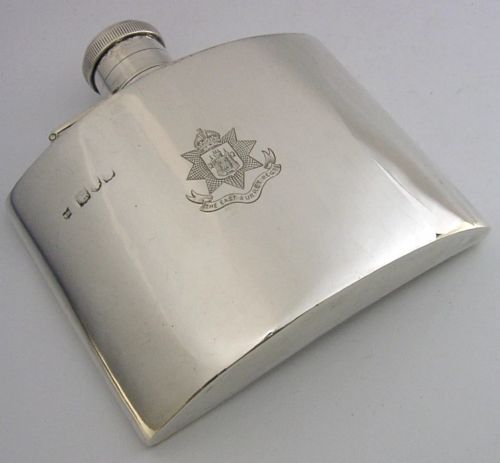
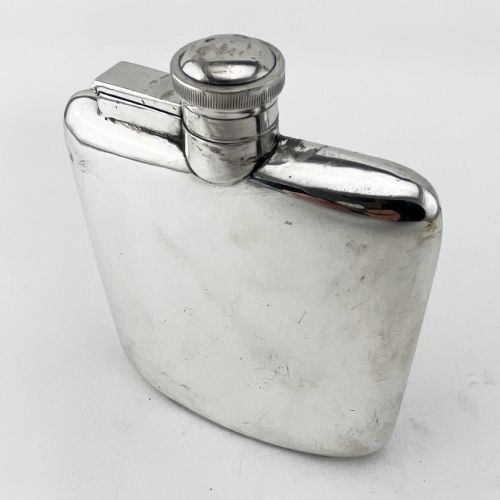
A vintage pocket hip flask serves as a personal container for carrying spirits discreetly in a pocket. When exploring this selection, buyers frequently encounter curved metal containers designed to fit the body's contour, alongside combination glass and metal vessels intended for picnics or hunting expeditions.
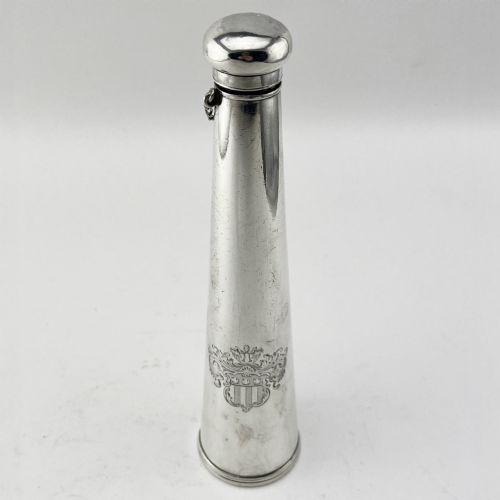
The objects span multiple decades, drawing heavily from Victorian, Edwardian, and Art Deco design movements. Common forms include plain rectangular shapes, hunting styles with removable cups, and large locking spirit flasks built for substantial capacity.
Origins stretch from the late eighteenth century through the mid-twentieth century, capturing shifts in social habits and manufacturing standards. Buyers will discover both solid sterling silver bodies and silver-plated alternatives paired with leather or glass.
What Varies in Quality
Weight and gauge of the metal separate standard production items from superior pieces, with heavier sterling silver constructions offering greater durability. The precision of the hinge mechanism and the tightness of the locking cap also indicate the original maker's investment in time and skill.
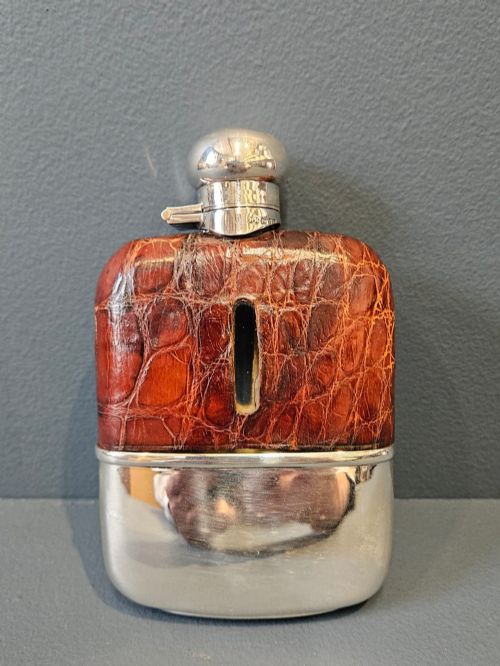
The integration of secondary materials defines the upper tiers of the range, such as seamless fits between cut glass bottles and their removable silver cups. Finer examples display crisply struck hallmarks and sophisticated surface treatments like engine-turning or detailed animal skin wrappings.
Materials across these listings combine sterling silver, silver plate, cut glass, and genuine crocodile leather.
Hukin & Heath·Asprey London·William Neale·JB Chatterley & Sons·Mappin & Webb·James Dixon & Sons
The Vintage Pocket Hip Flask Glossary
- Hallmark
- An official stamp applied to precious metals indicating the assay office, metal purity, and date of manufacture. These small marks provide the primary evidence for dating an antique flask.
- Silver Gilt
- Silver that has been coated with a thin layer of gold on its interior or exterior surface. This technique prevents strong spirits from tarnishing the underlying silver.
- Removable Cup
- A small drinking vessel fitted to the base of certain flasks, sliding off for use in the field. They are characteristic of hunting and outdoor spirit containers.
- Cut Glass
- Glass shaped and patterned by abrasive wheels to create deep geometric facets. It adds weight and visual texture to hybrid glass and metal flasks.
- Spirit Flask
- An alternative term for a container designed specifically to hold potable liquor. These vessels range from pocket-sized items to giant locking versions.
Vintage Pocket Hip Flask: Frequently Asked Questions
What is a removable cup on a flask?
A removable cup fits snugly over the bottom section of the flask body, doubling as a small drinking vessel. Users slide the cup off when partaking in a drink outdoors.
This feature appears frequently on hunting and Edwardian travelling flasks designed for field sports.
How do I know if it is silver?
Sterling silver flasks bear official hallmarks stamped into the metal, usually showing a lion passant, a city mark, and a date letter. These tiny impressions confirm the metal purity and origin.
Silver plate items lack these standard assay marks and instead display maker-specific plating stamps.
Why do some flasks use glass?
Glass allowed drinkers to see the remaining volume of spirit inside the container while preventing metallic tastes from affecting fine liquor. Cut crystal and decorated glass offered an appealing contrast against shiny metal mounts.
Leather or crocodile skin sleeves often wrapped the glass bodies to protect them from accidental knocks during travel.
What distinguishes Art Deco flasks?
Art Deco flasks embrace geometric patterns, clean lines, and streamlined forms typical of the 1920s and 1930s. Makers abandoned fussy Victorian ornamentation in favour of sleek, minimalist surfaces.
These pieces often highlight the unadorned texture of sterling silver or feature precise engine-turned designs.