


Vintage Plate Display Stand
A vintage plate display stand holds tableware upright on a table or sideboard, turning functional porcelain and silver into decorative focal points.
Vintage Plate Display Stand
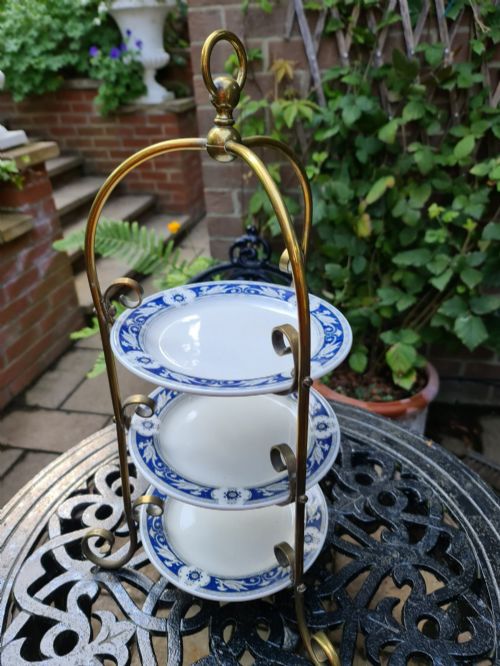
A vintage plate display stand provides structural support for showcasing decorative ceramics, trays, and chargers in domestic interiors. These items range from tiered cake stands and folding wooden racks to specialist silver-plated flower pot holders and circular display frames.
The pieces appearing on this page span several distinct periods, including Georgian, Victorian, Edwardian, and the Art Deco era of the 1920s and 1930s. Form follows function closely, with sturdy wooden folding frames sitting alongside gleaming silver plate and brass wirework designed to exhibit fine porcelain.
Origins and materials vary widely across the selection, encompassing British cabinet-making traditions alongside Japanese cloisonne enamel work and Chinese stylistic influences. Buyers encounter everything from mahogany and oak tier structures to silver-plated mountings designed to elevate specific items like cheese dishes or chargers.
How they were made
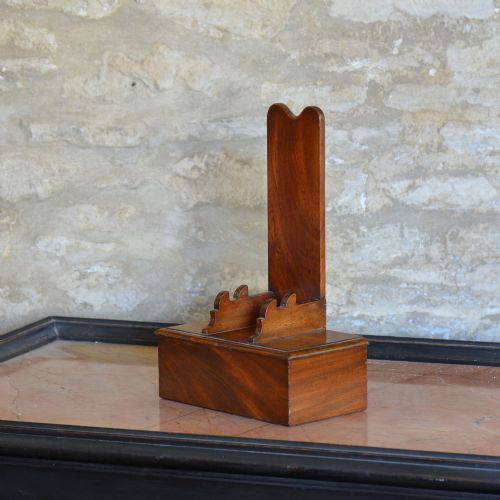
Cabinet makers utilised dense hardwoods such as mahogany and oak to construct folding frames and tier stands, employing traditional joinery to ensure stability under weight. Turned wooden shafts and scalloped plate-rests required precise lathe work and hand-carving.
Metalwork versions relied on silver plating over base metals, brass casting, and copper framing to create durable yet ornate structures. Specialised techniques included vitreous enamel work on copper bases for decorative chargers, alongside fitted silver-plated rings designed to secure ceramic vessels.
Current listings feature items spanning the Georgian period through to the 1930s, utilising materials including mahogany, brass, silver plate, and enamel.
What varies in quality
The distinction between standard utility items and finer examples lies in the selection of timber grain, the precision of the metal plating, and the integrity of moving joints such as folding hinges. Superior pieces exhibit crisp joinery and substantial metal gauge thickness that resists bending.
Artistic execution in decorative details, such as hand-cut mahogany mouldings or intricate enamel work, separates workshop production from standard commercial output. The preservation of original surface finishes and companion ceramic components dictates the overall integrity of the piece.
The Vintage Plate Display Stand Glossary
- Charger
- A large decorative plate or platter used as a base setting or displayed upright on a stand. These items often feature elaborate hand-painted or enamelled decoration.
- Silver Plate
- A base metal, such as copper or Britannia metal, coated with a thin layer of silver through electroplating or older immersion methods. This technique provided the lustre of solid silver at a lower production cost.
- Cloisonne
- A decorative metalwork technique where thin wire is soldered to a metal base to create compartments, which are then filled with coloured enamel paste and fired. Japanese examples from the Edo period demonstrate exceptional precision in this method.
- Tiered Stand
- A multi-level structure designed to hold several plates or dishes vertically above one another to save surface space. Folding variations utilise hinged wooden arms for compact storage.
- Plateau
- A mirrored or metal tray-like table centerpiece used to reflect light and elevate display objects such as ornaments or floral arrangements.
Vintage Plate Display Stand: Frequently Asked Questions
What is a vintage plate display stand used for?
These stands serve to hold decorative ceramic plates, chargers, and serving platters in a vertical or tiered position for visual appreciation. They allow collectors to exhibit cabinet plates and heavy chargers on sideboards or tables without flat storage.
Historically, specific variations also supported tiered cakes, cheese dishes, or flower pots in domestic settings. Today, they function primarily as decorative interior accessories that highlight the craftsmanship of the tableware they hold.
How do I date an antique plate stand?
Dating relies on examining the timber species, construction techniques, and metal manufacturing methods visible in the frame. Georgian and Victorian pieces frequently utilise solid mahogany with hand-turned elements, whereas 1920s examples often incorporate silver plating and folding mechanisms.
Registration numbers, maker marks, and associated ceramic components such as Royal Worcester pots provide further chronological markers. Stylistic cues like Art Deco geometric lines or Edwardian understated elegance also help narrow the period of manufacture.
Are wooden or metal stands more durable?
Both materials offer strong structural integrity when constructed from quality stock, but they behave differently under daily weight loads. Solid oak and mahogany frames provide robust support for heavier ceramic platters and multi-tiered cake displays.
Silver-plated and brass wire stands offer slender profiles that minimise the visual distraction from the displayed plate. Durability in metal stands depends on the thickness of the base metal and the preservation of the surface plating against tarnishing.
Can these stands hold modern plates?
Most antique stands accommodate standard dinner plates and chargers, provided the depth of the display lip matches the rim thickness of the modern tableware. Adjustable wire or wooden folding stands offer greater flexibility for varying plate diameters.
Heavier ceramic and ironstone dishes require sturdy three-tier or solid wood frames to ensure stability. Measuring the groove depth and back-tilt angle of the stand helps determine compatibility with contemporary ceramic items.