




Vintage Plant Painting
A vintage plant painting brings botanical life to interior spaces through oils on canvas and printed works.
Vintage Plant Painting
A vintage plant painting encompasses framed oil paintings and botanical engravings depicting flora such as chestnut leaves and potted plants. These works capture the natural world through mediums used across the nineteenth and twentieth centuries.
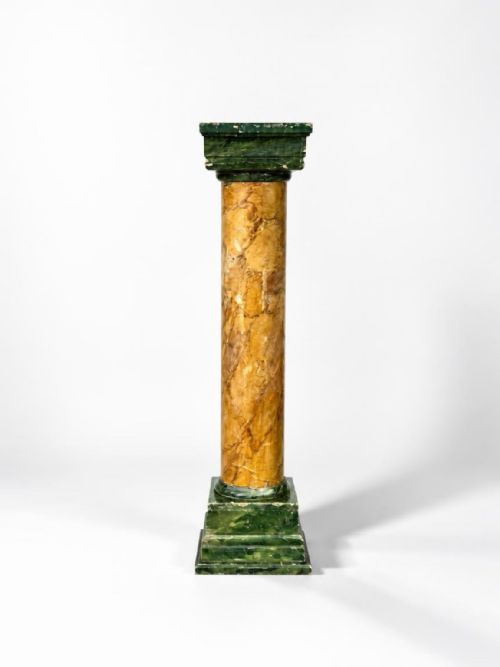
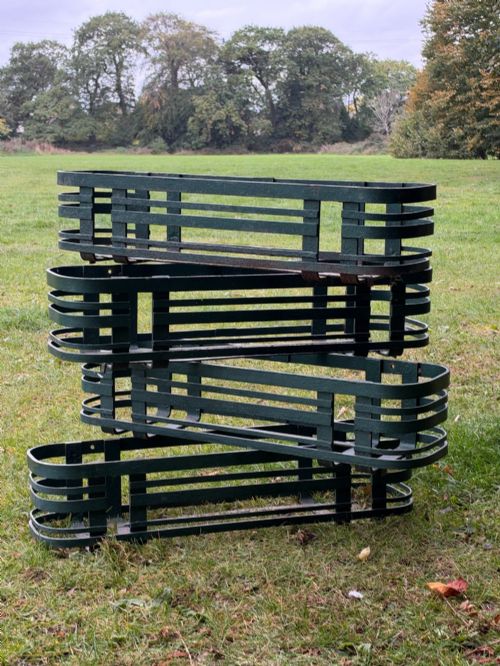
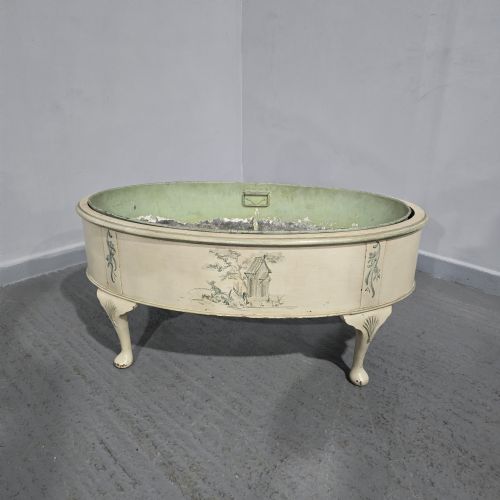
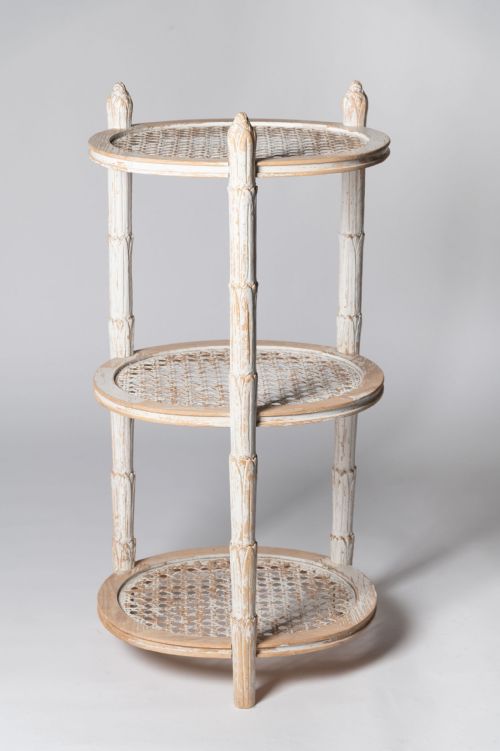
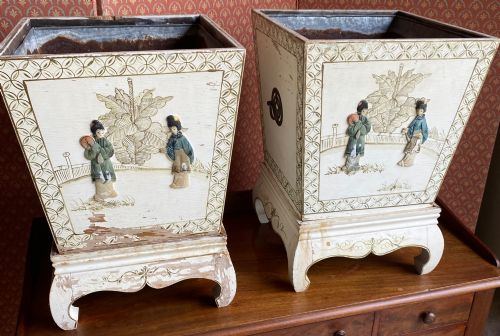
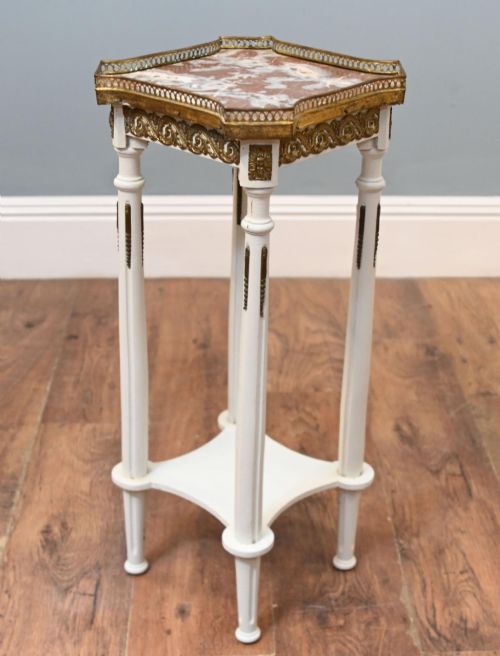
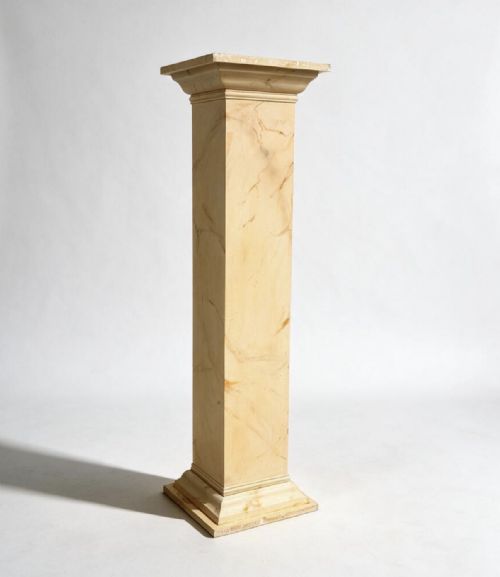
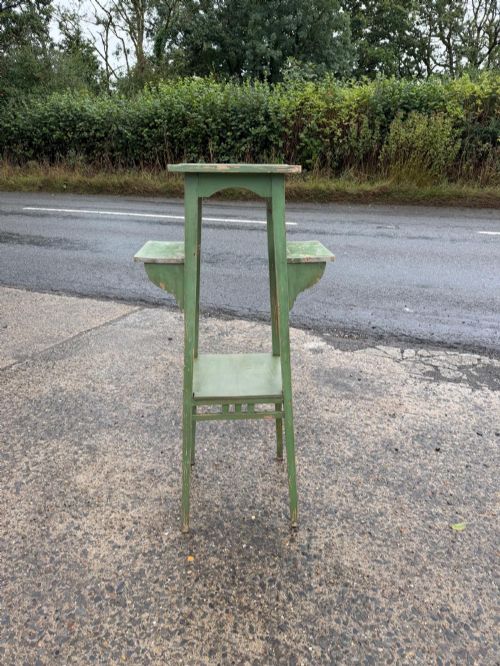
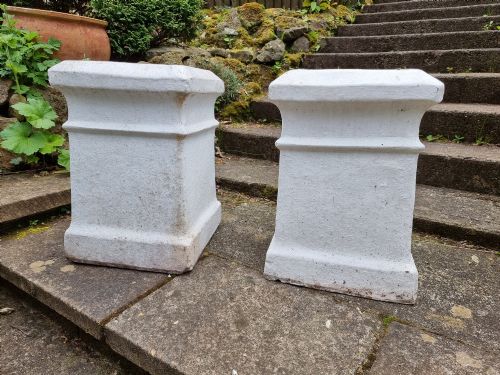
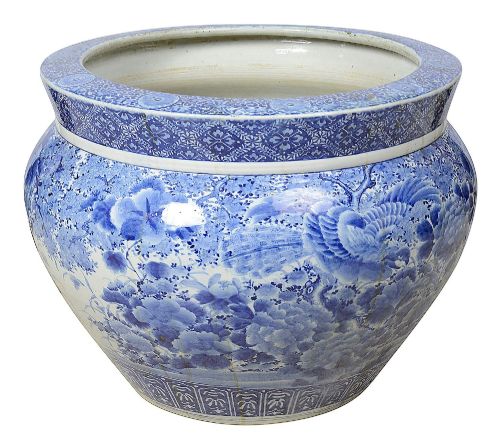
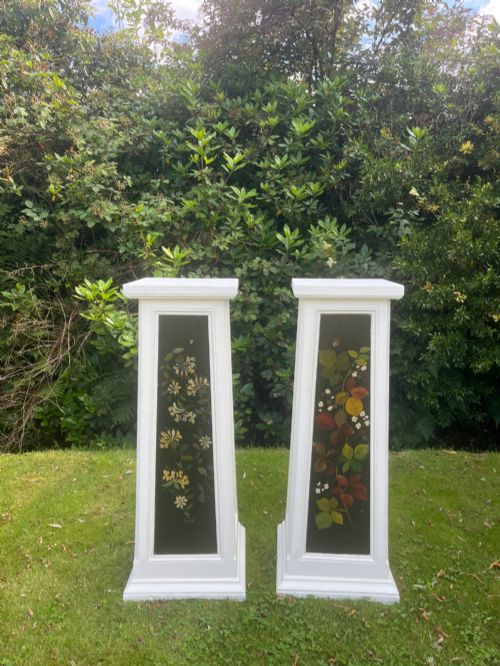
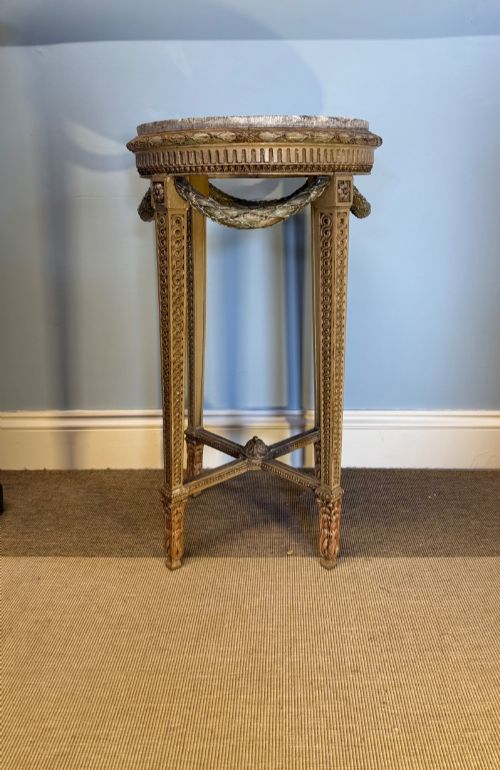
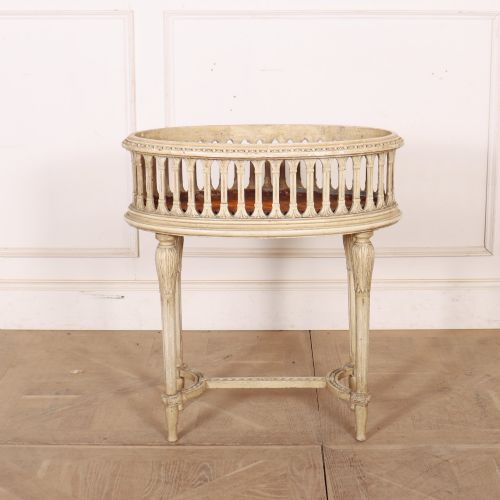
Buyers encountering this search phrase find botanical illustrations and still life compositions alongside physical plant stands, jardinieres, and painted pedestals. The selection ranges from nineteenth century engravings to mid twentieth century abstract oil canvases.
How they were made
Paint on canvas forms the basis of the oil paintings recorded in the evidence, while botanical engravings utilise paper substrates created from historical publications. Artisans also applied paint directly to wood, wrought iron, cast iron, and plaster surfaces for related display pieces.
Materials such as marble, porcelain, lacquer, and ormolu appear frequently in the construction of supporting stands and jardinieres that accompany these works. Craftsmanship involves traditional joinery, metalwork scrollwork, and hand-applied decorative finishes.
Vintage Plant Painting Retail Price Guide 2026
Typical asking prices for vintage plant painting among the pieces listed under this phrase on Sellingantiques today, from the lower quarter to the upper quarter. They describe what is for sale here now, not the wider market.
Materials recorded in the evidence include oil paint, wrought iron, porcelain, marble, lacquer, and cast iron.
What varies in quality
Quality differences stem from the dexterity of the brushwork and the precision evident in botanical draftsmanship. Superior examples demonstrate careful attention to natural detail and form, whether in an oil painting or a printed plate.
The integrity of original painted surfaces and material combinations, such as marble tops paired with wood or metal bases, influences the standing of each piece. Construction methods and the retention of authentic period finishes distinguish finer items.
Marguerite·Horst·Pancrace Bessa
The Vintage Plant Painting Glossary
- Engraving
- A printmaking technique where an image is incised into a metal plate to hold ink. This method produced detailed botanical plates in historical publications.
- Jardiniere
- An ornamental pot or stand designed to hold plants or flowers. These vessels appear in ceramic, metal, and wood across various periods.
- Gueridon
- A small round table supported by one or more columns or figures. French examples in cast iron or wood frequently serve as plant stands.
- Torchiere
- A tall ornamental stand or floor lamp. Antique variants provide elevated surfaces for displaying plants and sculptural objects.
- Vernis Martin
- A type of simulated Japanese lacquer developed in France during the eighteenth century. Later pieces emulate this glossy decorative technique.
Vintage Plant Painting: Frequently Asked Questions
What periods do these pieces date from?
The inventory spans the nineteenth century through to the mid twentieth century. Pieces include Victorian works, Edwardian items, and 1930s designs.
Specific dates or stylistic eras such as Art Deco and the Belle Epoque appear across the titles, reflecting changing aesthetic preferences.
How should I display a plant painting?
Paintings and botanical engravings suit walls in living areas, hallways, or studies. Frame conservation and lighting placement help preserve paper and canvas mediums.
They pair visually with physical plant stands, marble columns, and ceramic jardinieres from similar periods.
Are the paintings original works?
The selection includes original oil paintings on canvas alongside historical botanical engravings. Each listing specifies the exact medium used by the artist or publisher.
Engravings often originate from documented nineteenth century botanical works and herbariums.