





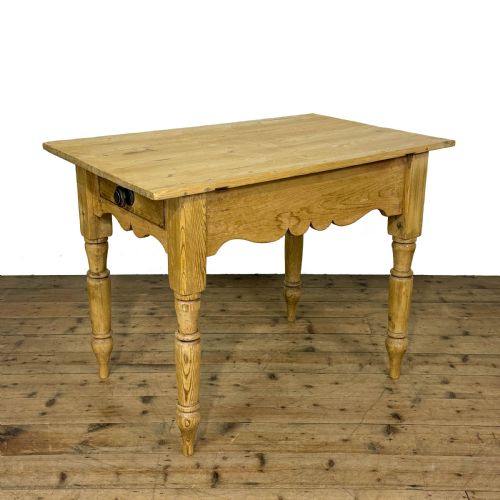


Vintage Pine Work Table
A vintage pine work table brings honest utility and timeless character to a modern kitchen or workspace.
Vintage Pine Work Table
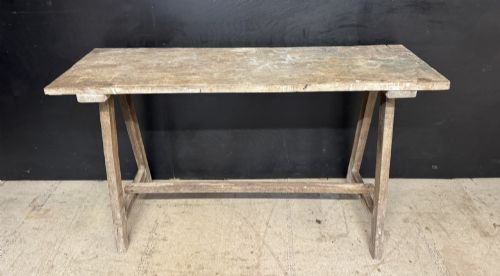
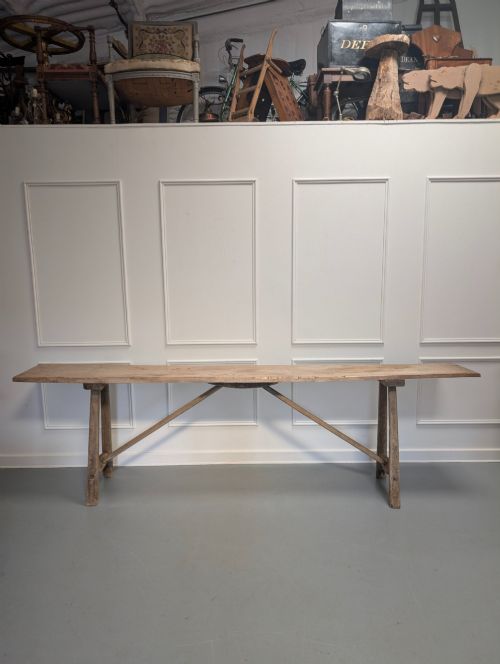
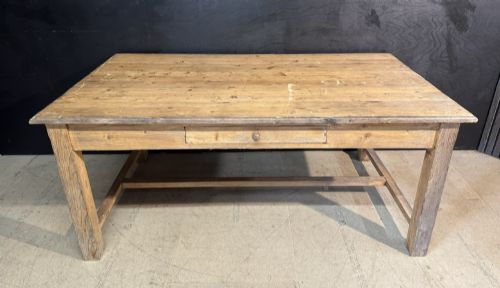
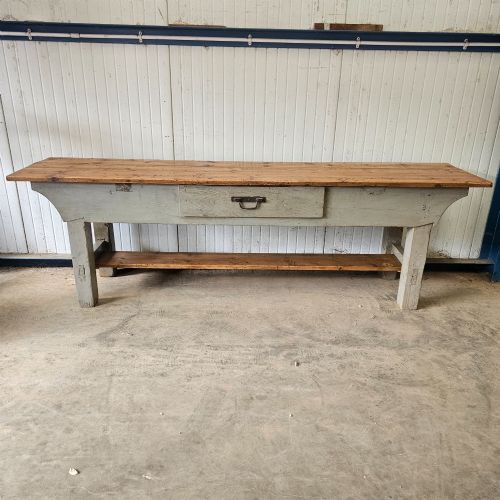
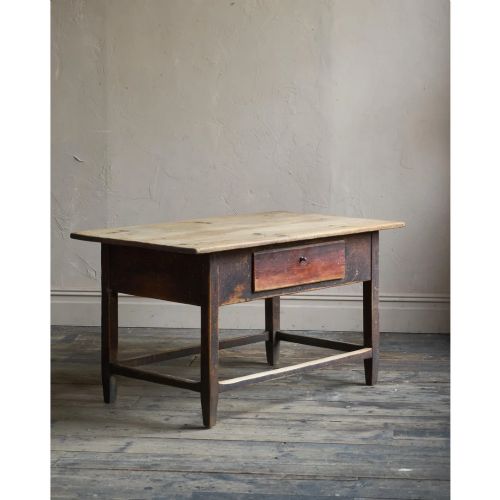
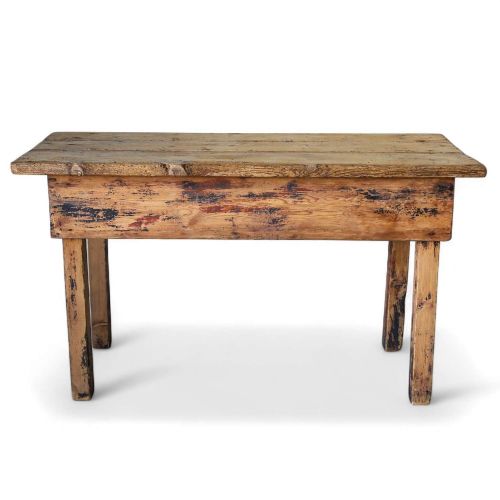
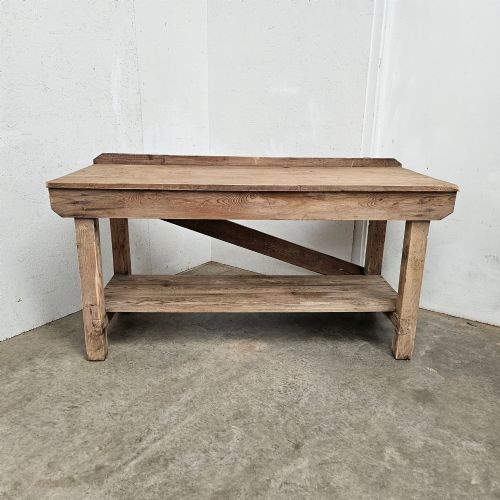
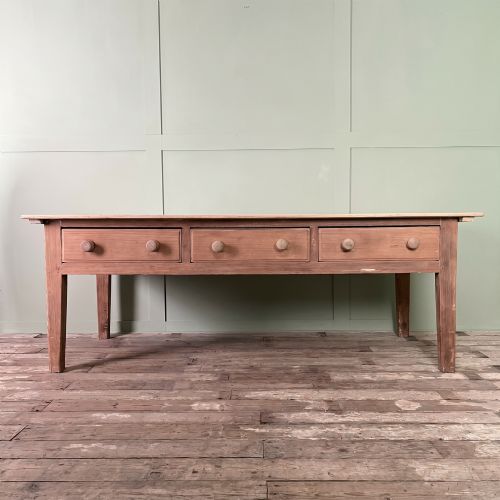
A vintage pine work table serves as a robust surface designed originally for domestic, workshop or agricultural tasks. Buyers searching for a vintage pine work table encounter diverse regional forms spanning the nineteenth century through the early twentieth century.
Materials and construction
Makers constructed these tables primarily using solid pine, often paired with sycamore, oak or elm for working surfaces that required extra hardness. Iron brackets, braces and cast components appear on industrial foundry and trestle designs to provide structural rigidity.
Surfaces frequently display the marks of historic preparation tasks, showing the natural grain of the timber alongside layers of historic paint finishes such as traditional Swedish Falu red or green. Joinery relies on sturdy methods like cleated ends and multi-plank tops designed to withstand heavy daily use.
Vintage Pine Work Table Retail Price Guide 2026
Typical asking prices for vintage pine work table among the pieces listed under this phrase on Sellingantiques today, from the lower quarter to the upper quarter. They describe what is for sale here now, not the wider market.
Listings feature pieces spanning the nineteenth century through 1930, incorporating pine, sycamore, elm, paint and cast iron.
Assessing quality in working furniture
Quality in a utility table rests upon the integrity of its timber and the preservation of its original working character. Tables retaining untouched scrubbed tops or authentic historic paint finishes command greater interest than those stripped down to bare wood indiscriminately.
Proportion and structural soundness separate ordinary workshop benches from finer domestic pieces. Well-balanced framing, sturdy stretchers and original ironwork contribute to the enduring stability and visual presence of the piece.
The Vintage Pine Work Table Glossary
- Pine
- A soft softwood timber widely utilised across nineteenth and early twentieth century furniture for its accessibility and resilience. It takes paint finishes readily and develops a deep patina through decades of scrubbing and use.
- Trestle table
- A table design featuring a horizontal beam supported by two pairs of sloping legs. This construction allows maximum legroom and provides exceptional sturdiness for heavy workshop or kitchen duties.
- Dairy table
- A specialised preparation table featuring plain scrubbed timber tops designed to resist moisture and frequent cleaning. These surfaces were essential for cheese making and dairy management in nineteenth century homesteads.
- Box stretcher
- A horizontal framework connecting the lower legs of a table on all four sides to increase rigidity. Carpenters utilised this feature to prevent wobbling during heavy manual labour.
- Falu paint
- A traditional deep red or earthy paint finish originating from Sweden, composed of copper mine waste and linseed oil. It preserves historic timber while imparting a distinct matte colour.
Vintage Pine Work Table: Frequently Asked Questions
How do I clean a pine work table?
Maintain the surface by wiping it gently with a damp cloth and mild soap, avoiding harsh chemical cleaners that strip the historic finish.
For scrubbed pine tops, occasional light sanding or waxing helps protect the wood while preserving its authentic texture.
Can I use a work table for dining?
These tables adapt easily to dining spaces due to their generous proportions and sturdy rectangular designs.
Their comfortable leg clearance and robust construction make them practical for everyday meals and family gatherings.
What is the difference between a dairy table and a kitchen table?
Dairy tables were built specifically for moisture-heavy dairy tasks, featuring scrubbed timber surfaces designed for frequent washing.
Kitchen tables often include drawers and softer finishes intended for general food preparation and household storage.
How do I identify a painted finish?
Examine the surface under good light to look for natural wear patterns, craquelure and multiple underlying layers of historic pigment.
Original paint often shows softening around edges and high-contact zones where hands and tools rested over decades.