



Vintage Pine Wall Cabinet
A vintage pine wall cabinet brings honest utility and warmth to a kitchen or hallway, offering compact storage with authentic period character.
Vintage Pine Wall Cabinet
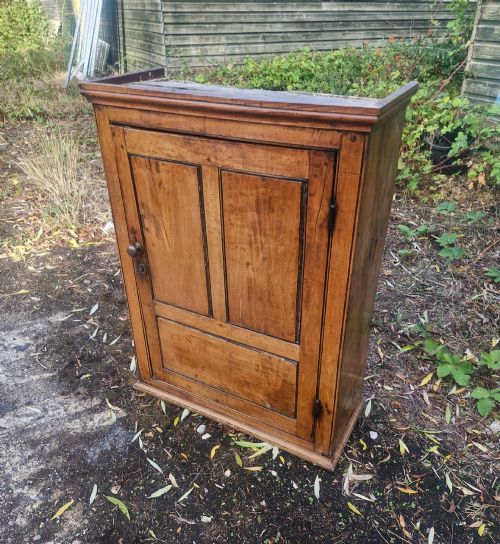
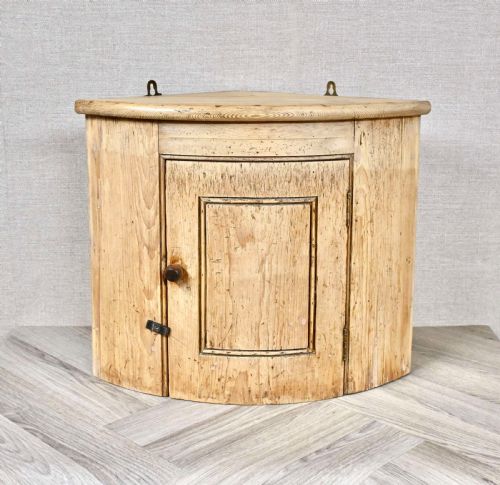
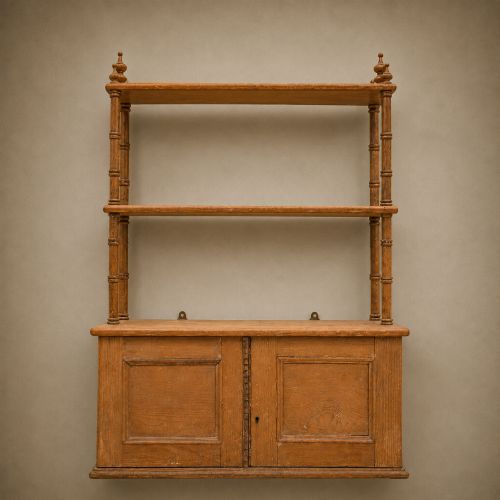
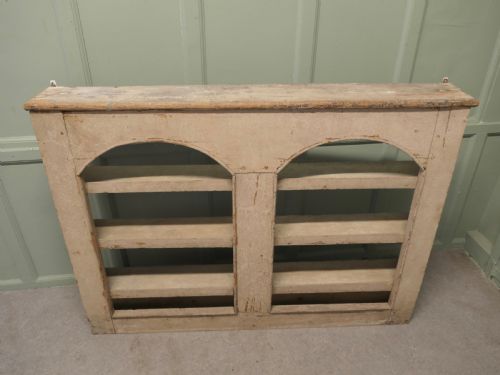
A vintage pine wall cabinet encompasses hanging cupboards, corner units, and open shelving from various eras including the eighteenth, nineteenth, and twentieth centuries. These pieces serve practical storage roles while adding traditional country or industrial charm to interior spaces.
Materials and construction
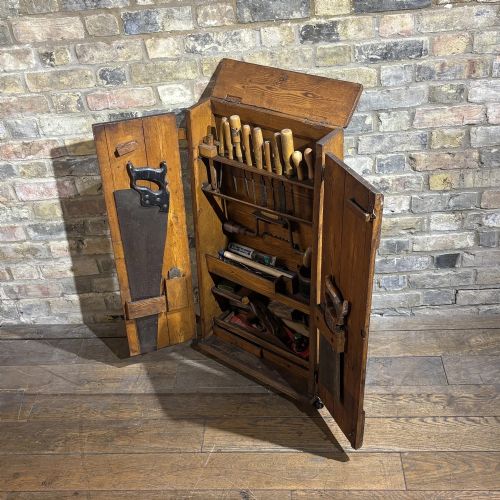
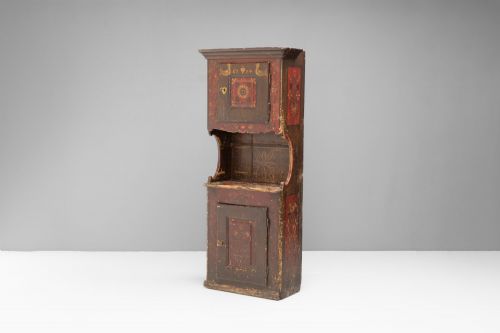
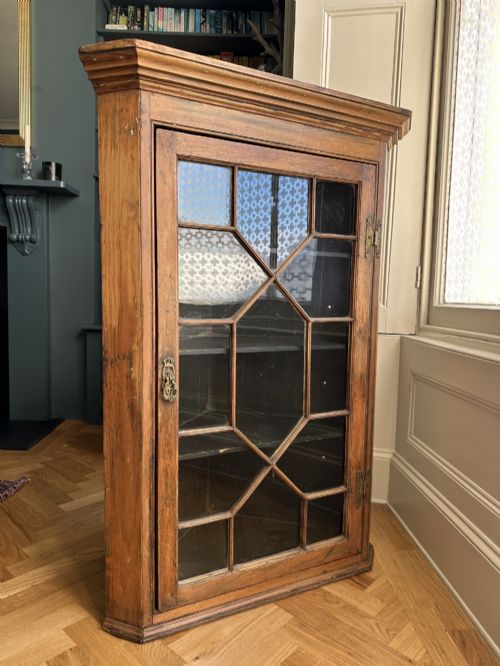
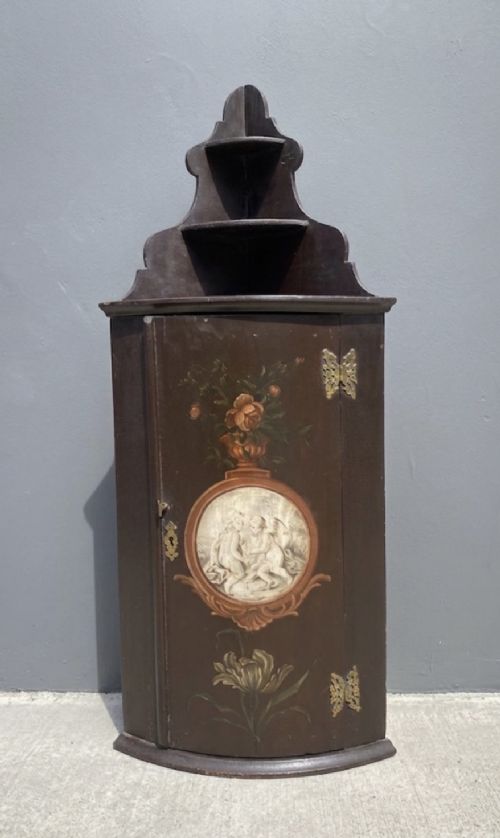
Construction relies primarily on pine and oak timbers, often combined with brass or iron hinges, latches, and hooks. Many examples incorporate glass for glazed doors or feature layers of historic paint applied directly to the wood.
Cabinet makers utilised traditional joinery methods to build wall-hanging units capable of supporting heavy contents. Surfaces were finished either by leaving the timber bare and stripped or by applying painted and sign-written details.
One cheerful cupboard carries later sign-writing for Hovis Bread, turning a humble storage box into a slice of baking history.
Assessing craftsmanship
The survival of original paint finishes or early sign-writing significantly influences the character of a cabinet. Variations in proportion and regional carpentry styles distinguish standard utility items from more distinctive vernacular examples.
The Vintage Pine Wall Cabinet Glossary
- Stripped pine
- Wood that has had later layers of paint removed to expose the grain beneath. This finish highlights the natural knots and texture of the timber.
- Glazed door
- A door fitted with glass panes to display the contents within. It is commonly found on cabinets intended for tableware or books.
- Corner cupboard
- A triangular cabinet designed to fit neatly into the corner of a room. These maximise floor space while providing accessible storage.
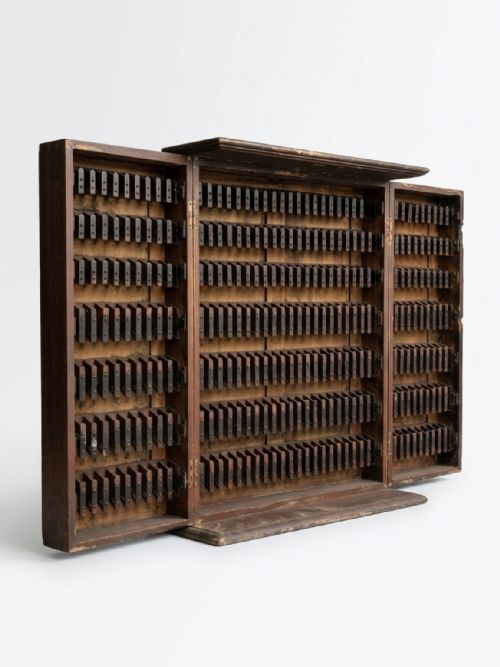
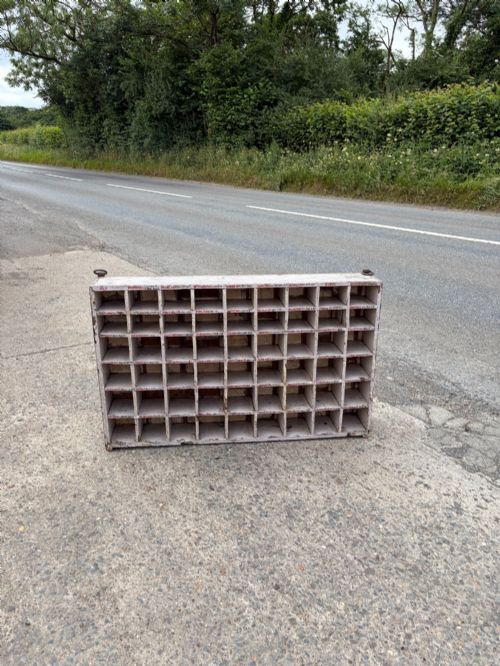
- Pigeon holes
- A grid of small open compartments used for sorting documents or tickets. They offer practical vertical storage for daily items.
- Spice box
- A small wall-hanging cabinet traditionally used for culinary provisions. These often feature internal drawers or miniature shelving.
Vintage Pine Wall Cabinet: Frequently Asked Questions
How do I hang a heavy wall cabinet safely?
Wall cabinets require secure fixings into solid masonry or direct attachment to wall studs using appropriate brackets.
Weight distribution must be considered carefully before placing heavy items like books or ceramics inside.
Can I use a pine cabinet in a bathroom?
Pine can tolerate humid environments if the timber is properly sealed and protected from direct water splashes.
Good ventilation in the room prevents warping and preserves the vintage finish of the wood.
What is the difference between stripped and painted pine?
Stripped pine displays the natural grain and colour of the timber after the removal of old coatings.
Painted pine retains historic layers of colour or decorative finishes applied during its working life.
How do I clean an antique painted cabinet?
Painted surfaces benefit from gentle dusting with a dry microfibre cloth to remove loose dirt.
Strong cleaning agents and excess moisture must be avoided to protect fragile historic paintwork.