


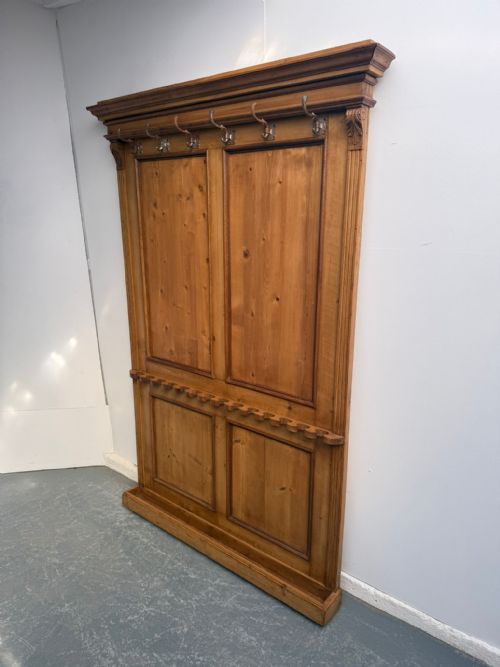


Antique Pine Wall Rack
An antique pine wall rack brings honest storage and regional character to a room, offering practical display space for plates, books or coats.
Antique Pine Wall Rack
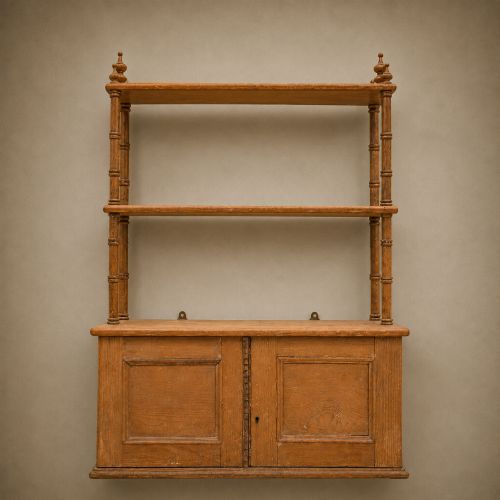
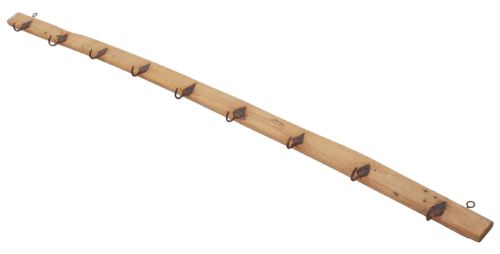
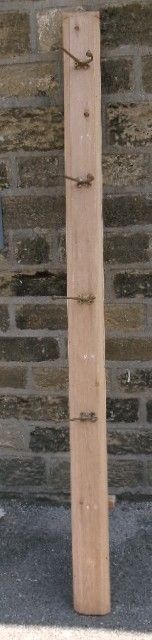
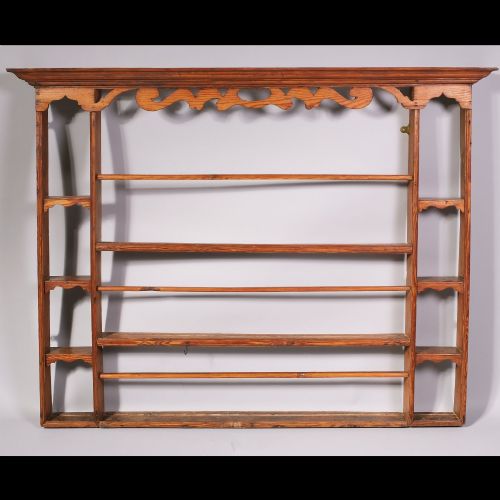
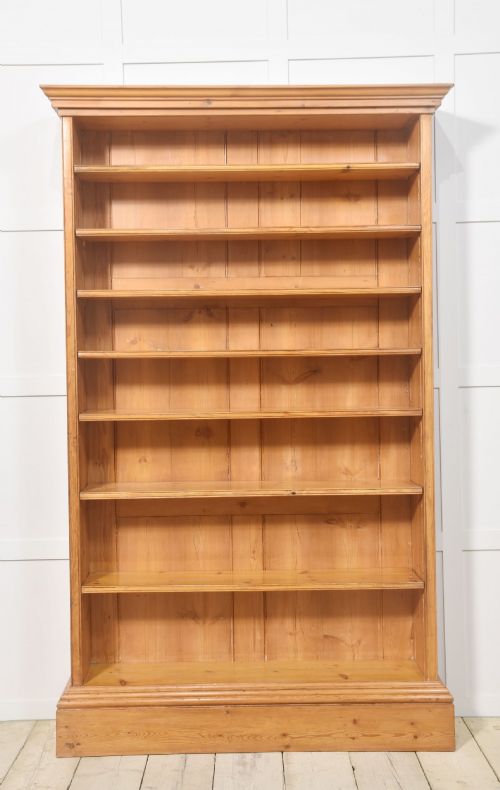
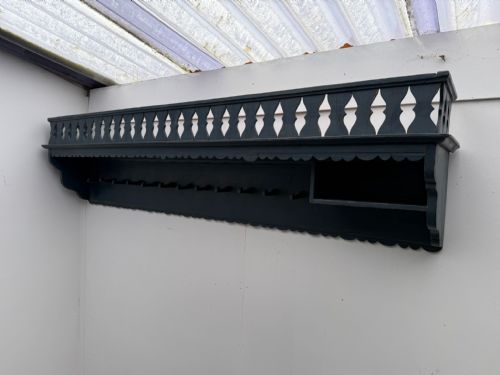
An antique pine wall rack provides functional storage across domestic spaces, appearing in forms ranging from open plate racks and bookshelves to coat hooks and small cupboards. These pieces reflect diverse regional traditions, encompassing English country furniture alongside French and Hungarian examples.
The versions most frequently met on this page date from the eighteenth and nineteenth centuries, spanning Georgian, Victorian and Edwardian periods. They serve practical roles in kitchens, hallways and living areas while displaying the patination accumulated through decades of use.
How they were made
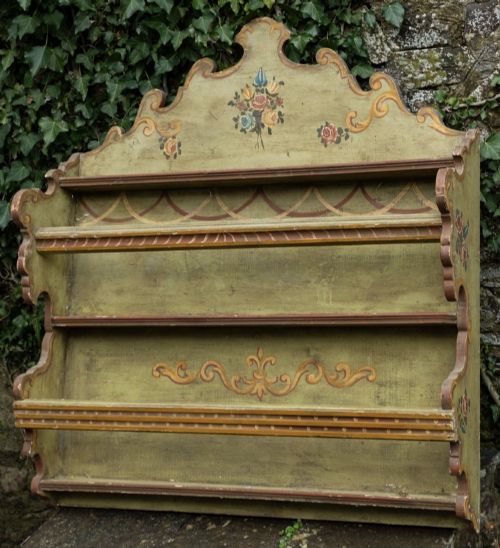
Makers utilised solid pine alongside secondary timbers such as oak, constructing sturdy frameworks intended for everyday utility. Surfaces frequently received coats of paint, leaving layers of blue or decorative hand-painted finishes that have aged over time.
Assembly relied on traditional joinery methods, supplemented by functional hardware including brass and wrought iron hooks or hinges. Delicately pierced fretwork and architectural elements such as Corinthian columns occasionally appear on larger delft racks.
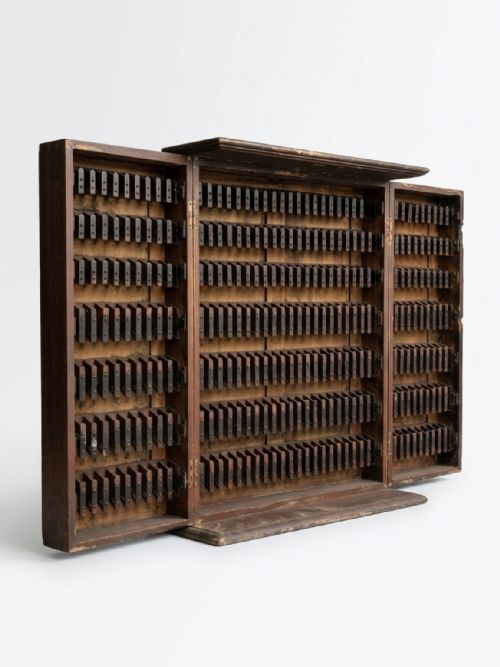
Object forms span plate racks, bookcases, pigeon holes, hall stands and game hook units.
What varies in quality
Distinctions in quality often rest upon the sophistication of the timber's preparation and the integrity of the original surface finish. Pieces retaining untouched historic paint or rich patination stand apart from those stripped or heavily restored.
Construction detail separates utilitarian workshop items from finer examples, evident in the inclusion of decorative fretwork, architectural mouldings or substantial brass hardware. Proportion and balance within the design further distinguish superior country furniture.
The Antique Pine Wall Rack Glossary
- Delft rack
- A wall-mounted wooden shelving unit traditionally designed for displaying ceramic plates and platters. These pieces often incorporate plate grooves and slender retaining bars.
- Fretwork
- Ornamental openwork pattern created by cutting designs through thin boards. It adds decorative lightness to the crests or sides of wall shelves.
- Pigeon holes
- A grid of small rectangular compartments used for sorting documents, letters or small objects. They appear within cabinet interiors and freestanding wall units.
- Patina
- The surface sheen and coloration developed by wood and paint through age, handling and exposure to light. This quality indicates genuine historic use.
- Backboard
- The vertical timber board forming the rear panel of a rack or shelf. It provides structural stability and serves as the mounting surface for hooks.
Antique Pine Wall Rack: Frequently Asked Questions
How do I hang a heavy pine wall rack?
Secure the rack directly into wall studs or masonry using appropriate fixings matched to the weight of the timber and its intended contents.
Distribute heavier items across lower shelves to maintain stability once mounted.
Were these racks only used in kitchens?
While plate racks and game hook units typically served domestic culinary purposes, pine wall racks functioned across various rooms.
Examples with hooks or pigeon holes found placement in hallways, offices and bedrooms for daily storage.
How do I clean an old painted pine surface?
Dust the timber gently with a dry, soft cloth to remove surface particles without disturbing fragile paint layers.
Avoid chemical cleaners and moisture, which can damage aged finishes and historic patination.
How can I tell an eighteenth-century rack from a Victorian one?
Earlier eighteenth-century pieces often display hand-planed surfaces, pegged joinery and specific architectural details like fretwork or columns.
Victorian examples frequently utilise machine-sawn timber and standard iron or brass hardware fittings.