

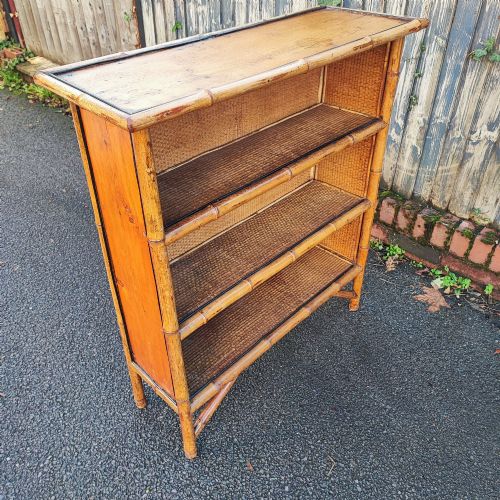
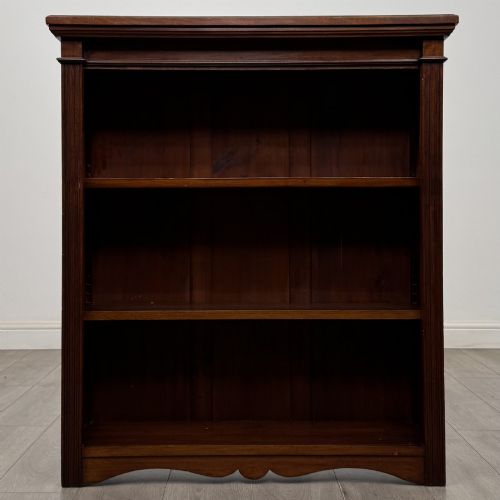
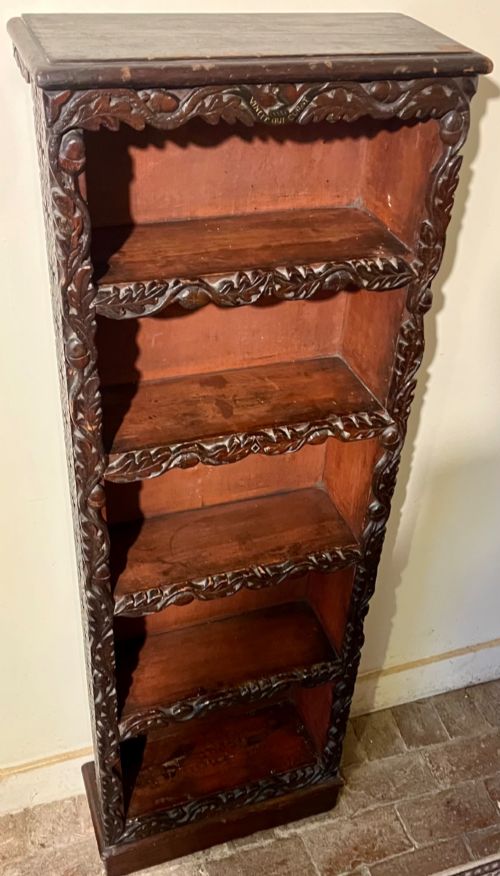
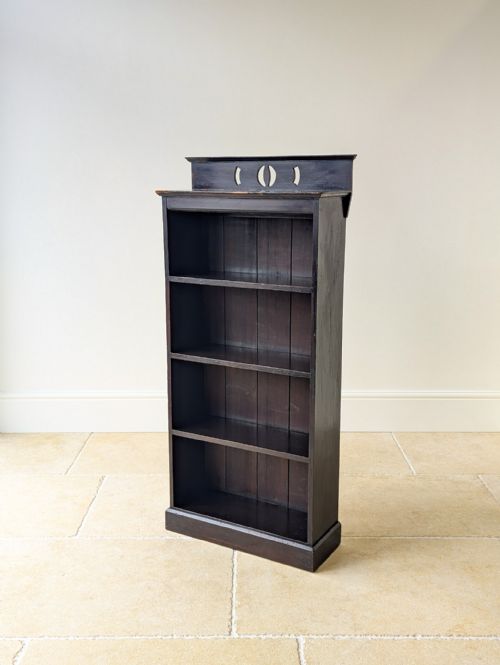

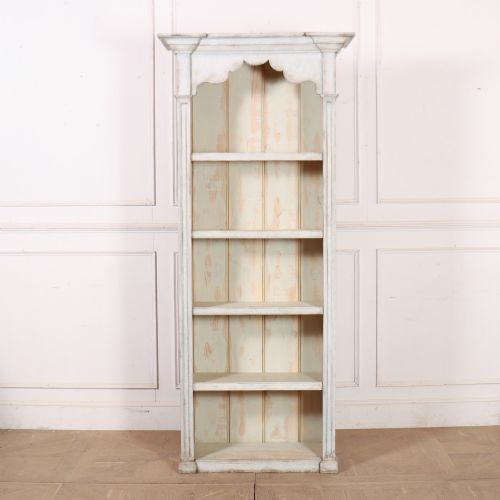
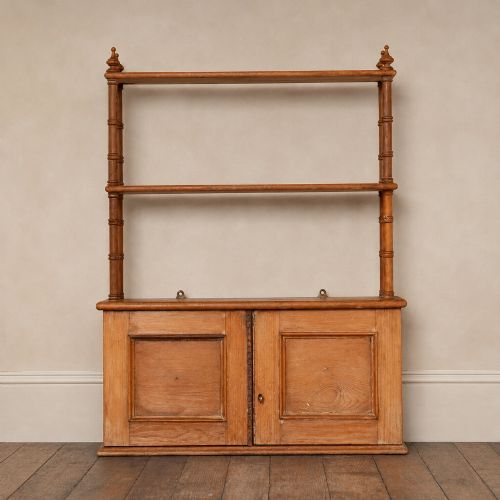
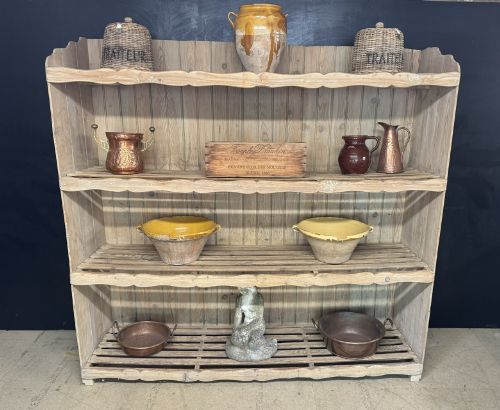

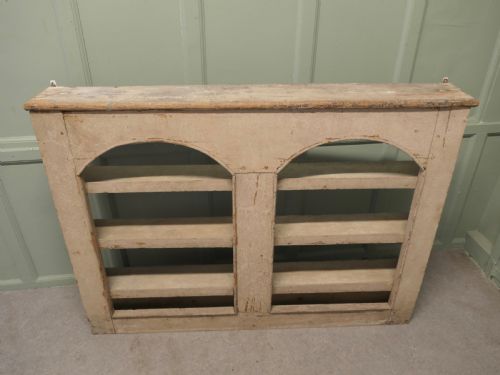
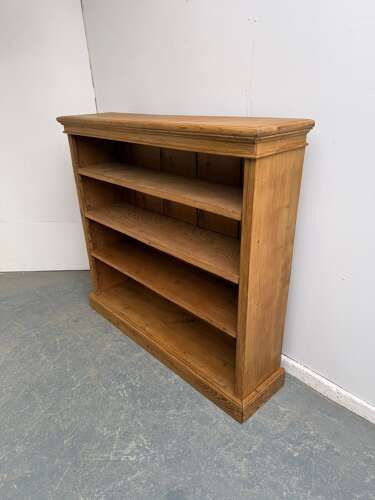
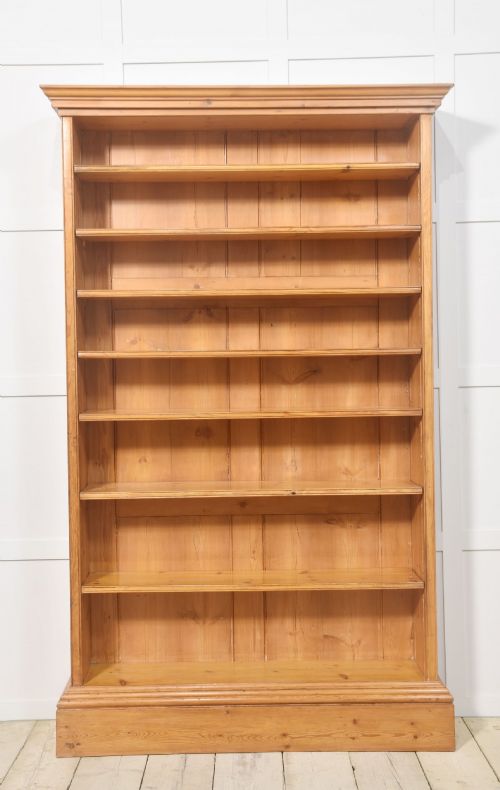

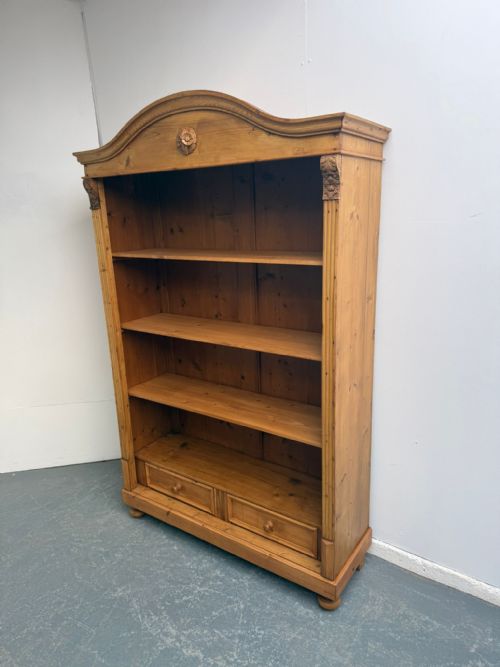


Pine Open Shelf Unit
A pine open shelf unit offers straightforward storage and display, bringing practical utility and unpretentious character to any room.
Pine Open Shelf Unit
A pine open shelf unit provides accessible storage through simple horizontal tiers designed to hold books, display objects or household wares. When you search for this phrase, you encounter pieces that range from tall bookcases and wall shelves to compact corner cabinets and alcove units.
The versions most commonly met on this page span the 18th century, Victorian era, Edwardian period and early decades of the 20th century. These items include English country dressers, French provincial pieces and rustic deal wood constructions intended for everyday utility rather than formal display.
Many examples showcase regional vernacular styles, including folk art influences and painted finishes that reflect their origins in domestic kitchens, workshops and libraries. Their open construction allows for versatile placement in modern or traditional interiors.
How they were made
Construction relies primarily on native pine and deal wood timbers selected for their utility and accessibility, occasionally complemented by walnut elements or brass hardware. Joinery techniques prioritize functional longevity over decorative flourish.
Surfaces are often finished with traditional wax, distemper paint or hand-applied pigments that develop distinct patinas through decades of domestic use. Some examples feature adjustable shelving mechanisms integrated into the upright supports.
Makers shaped the timber using hand tools to create sturdy uprights and fixed or movable shelves, reflecting the specific regional woodworking traditions of English and continental workshops.
Pine Open Shelf Unit Retail Price Guide 2026
Typical asking prices for pine open shelf unit among the pieces listed under this phrase on Sellingantiques today, from the lower quarter to the upper quarter. They describe what is for sale here now, not the wider market.
Current listings demonstrate materials ranging from traditional pine and deal wood to painted finishes and walnut accents across the 18th, 19th and early 20th centuries.
What varies in quality
The distinction between standard utility items and finer pieces lies in the proportion of the timber, the subtlety of the moulding profiles and the integrity of the original construction. Better examples display carefully selected grain and balanced architectural proportions.
Surface treatment significantly influences character, with original painted finishes, early distemper or rich historic wax surfaces commanding greater interest than later stripped or sanded timber. The survival of functional mechanisms, such as original adjustable shelf brackets, also distinguishes superior pieces.
The Pine Open Shelf Unit Glossary
- Pine
- A softwood derived from conifer trees, widely utilised in European cabinet making for its strength and workability. It forms the primary structural material for the majority of these storage units.
- Deal wood
- A historical term commonly applied to pine or fir timber imported from northern Europe. It appears frequently in utilitarian furniture from the 19th and early 20th centuries.
- Distemper paint
- A water-based medium bound with size or glue, frequently used for interior walls and furniture decoration before modern synthetics. It produces a matte finish that mellows gently with age.
- Adjustable shelving
- A system allowing shelf heights to be altered using wooden ratchets, metal pins or slots cut into the interior uprights. This adaptability marks more thoughtful cabinet design.
Pine Open Shelf Unit: Frequently Asked Questions
How do I date a pine open shelf unit?
Dating relies on examining construction methods, tool marks, timber selection and fastening types. Hand-cut joints and original surface finishes typically point towards earlier periods.
Later pieces from the early 20th century often display standardised machine sawing and different hardware fixings. Comparing the overall proportions and style to documented examples helps narrow the decade of production.
Are pine shelves strong enough for heavy books?
Solid pine possesses natural strength and resilience, making it well-suited for supporting substantial weight over decades of domestic use. Thicker shelves resist sagging better than thinner boards.
Distributing heavier volumes evenly across the span prevents long-term bowing. Many antique bookcases feature reinforced uprights designed specifically to bear heavy loads.
How should I care for a waxed pine finish?
Maintaining a waxed surface involves dusting regularly with a soft, dry cloth and applying a quality natural beeswax polish sparingly when the wood appears dry. Avoid using silicone sprays or household detergents.
Keeping the furniture away from direct heat sources and strong sunlight prevents the timber from drying out or warping. Gentle care preserves the historical patina and lustre of the wood.
What is the difference between deal wood and pine?
Deal is simply an older trade term used specifically for timber cut from pine or fir trees imported from the Baltic region. Cabinet makers used the terms interchangeably in historical records.
Both materials share similar working properties and durability characteristics. Pieces described as deal wood belong to the same broader family of softwood furniture.