
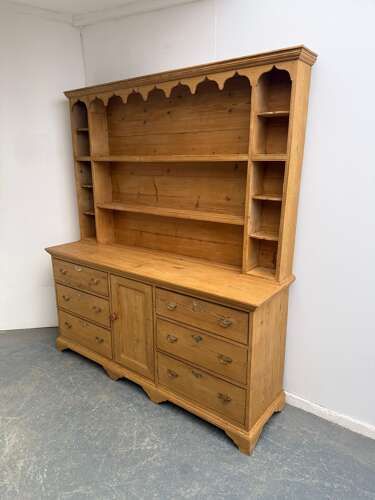


Traditional Pine Kitchen Rack
A traditional pine kitchen rack brings honest utility and warmth to a room, offering open display for everyday plates and mugs.
Traditional Pine Kitchen Rack
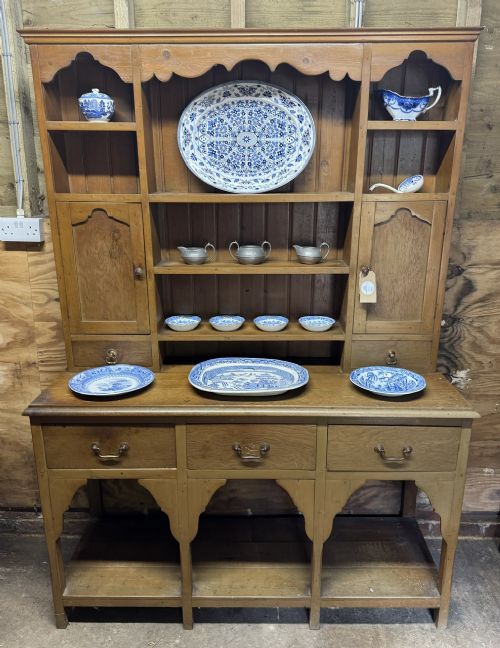
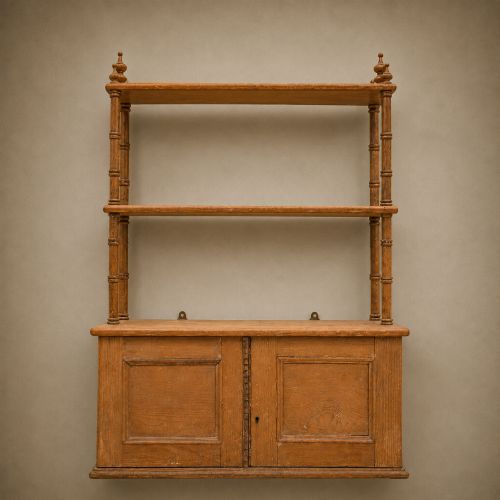
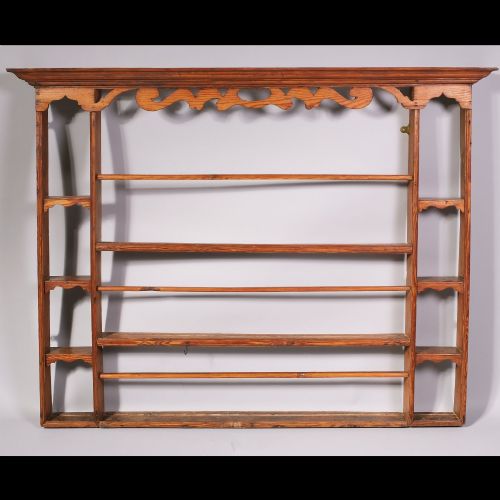
When you search for a traditional pine kitchen rack, you encounter wall shelves, plate racks, and the upper tiers of dresser units designed for practical storage. These pieces range from simple wall-mounted shelves to large Welsh and cottage dressers.
The pieces listed on this page predominantly feature 19th Century and Victorian origins, alongside examples from the 18th Century and Georgian periods. Regional forms such as West Country and Welsh vernacular pieces appear frequently.
Makers fashioned these items for everyday domestic work in farmhouses and country houses, using local timber to build robust furniture that displays ceramics and kitchenware effectively.
How they were made
Pine serves as the primary material for these racks and dressers, often paired with oak, mahogany, or wrought iron and brass for hooks and structural reinforcement.
Carpenters constructed these items using traditional jointing methods suited to utilitarian furniture, applying paint, wax, or retaining an original patina to protect the wood.
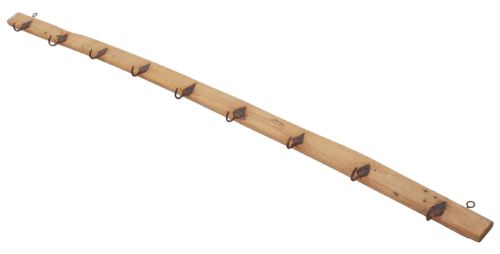
Game hook racks integrated into these kitchens allowed cooks to hang poultry right above the pots.
What varies in quality
The character of the timber and the depth of the surface finish distinguish simpler utility pieces from finer vernacular examples. Original paint or untouched waxed surfaces hold greater integrity than later alterations.
Proportion and regional carpentry traits determine the distinction between standard workshop output and exceptional vernacular design, such as West Country or Welsh dresser racks.
The Traditional Pine Kitchen Rack Glossary
- Patina
- The surface sheen and colour developed through decades of use, cleaning, and ageing. This quality indicates authenticity and history on older pine furniture.
- Welsh Dresser
- A traditional kitchen unit comprising base cupboards or drawers surmounted by open plate racks. These pieces were central to rural domestic life.
- Pot Board
- A lower slatted shelf fitted between the legs of a dresser base. It provided storage for heavy pots and kitchen utensils.
- Vernacular
- Furniture built by local craftsmen using regional styles and readily available materials rather than following academic architectural patterns.
Traditional Pine Kitchen Rack: Frequently Asked Questions
What is a traditional pine kitchen rack?
A traditional pine kitchen rack is a wall-mounted or dresser-integrated shelving unit designed to hold plates, cups, and culinary tools. These pieces originated in farmhouses and country cottages for daily kitchen utility.
Today, they provide functional display space in modern kitchens and dining rooms, bringing rustic character and visible storage to an interior.
How do I date a pine kitchen rack?
Dating relies on examining construction techniques, timber characteristics, and nail types used in the assembly. 18th-century and Georgian pieces often show hand-planed boards and pegged joints.
Victorian and later 19th-century examples tend to display machine-sawn timber and standard iron fixings, reflecting the industrial changes in furniture making.
Where were these racks made?
These kitchen racks and dressers originate from various regions across Britain and Alpine areas. West Country and Welsh workshops produced distinct vernacular forms suited to local domestic needs.
Regional variations appear in the cornice details, board widths, and the arrangement of hooks or plate slots.
How should I clean a waxed pine rack?
Maintenance involves dusting with a soft, dry cloth and occasionally applying a suitable beeswax to nourish the timber. Avoid modern silicone polishes that build up and attract dirt.
Keeping the piece away from direct heat sources prevents the pine from drying out and splitting over time.