
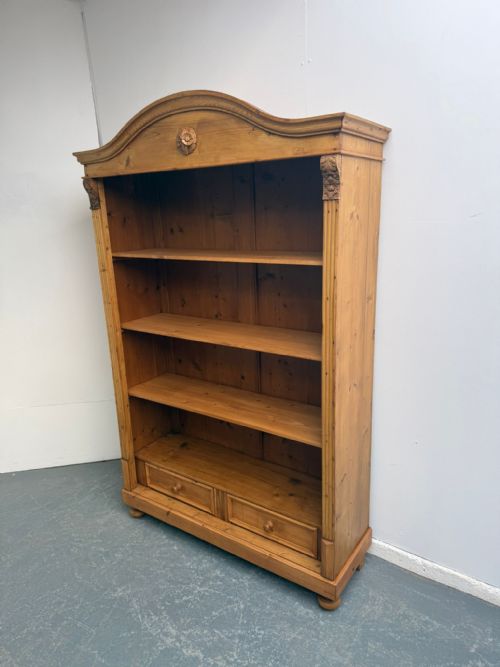


Victorian Carved Pine Shelves
These Victorian carved pine shelves bring honest warmth and practical display space to any room.
Victorian Carved Pine Shelves
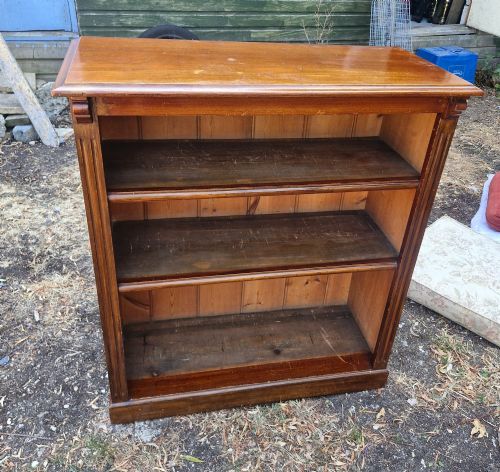
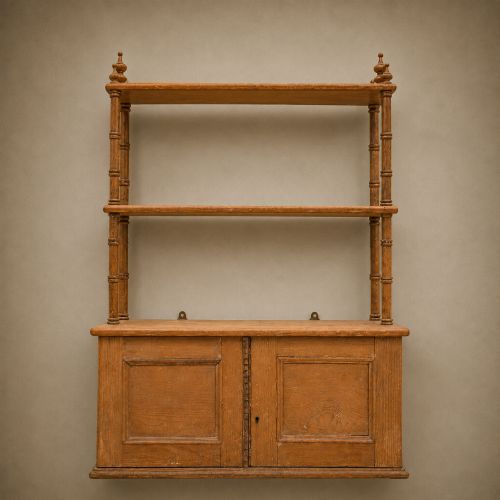
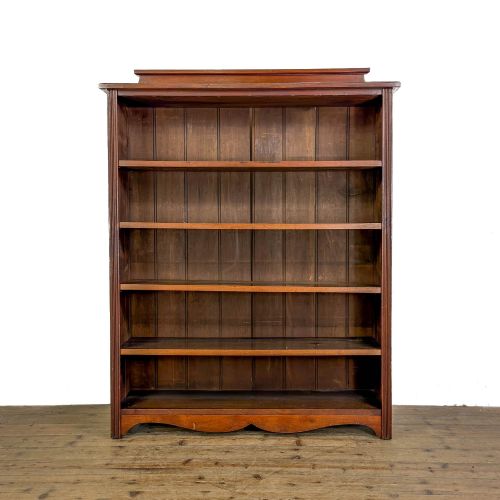
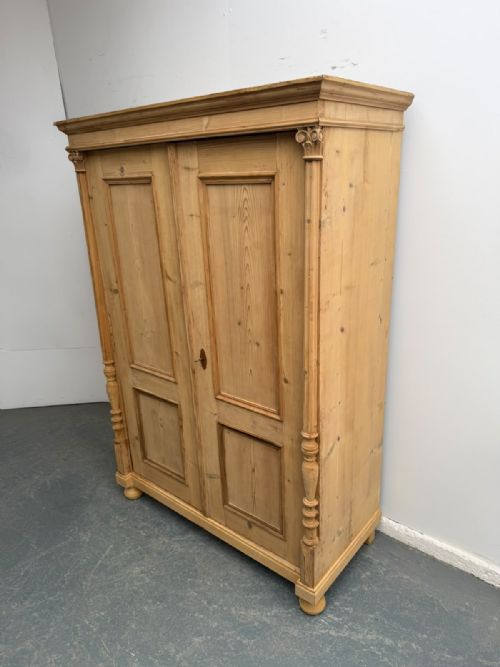
Buyers browsing this selection most frequently encounter open front bookcases and wall shelves alongside larger knockdown wardrobes and storage cupboards. The forms span from late nineteenth century kitchen racks to early Victorian adjustable bookshelves.
Makers utilised resilient timber varieties including deal wood and walnut alongside the primary pine substrate. The resulting furniture blends utility with decorative carving suitable for traditional and country interiors.
Materials and construction methods
Construction relies upon solid timber substrates, primarily pine and deal wood, occasionally complemented by walnut elements and metal fixings. Artisans shaped these accessible woods into functional wall racks, bookcases, and architectural corbels.
Surface treatments vary from original wax finishes to paint-ready surfaces suited for custom restoration. Joinery techniques reflect the practical demands of nineteenth century domestic furniture production.
A pair of carved pine corbels waits patiently to hold up the architectural ambitions of your hallway.
Assessing quality and character
Quality rests upon the preservation of original timber surfaces, particularly where wax finishes highlight the natural grain of the pine. Pieces featuring deliberate architectural carving, such as detailed corbels, distinguish themselves from plain utility items.
The integrity of adjustable shelving mechanisms and the soundness of structural joints dictate the longevity of these storage pieces. Patina accumulated across the nineteenth century imparts depth that newly fabricated items lack.
The Victorian Carved Pine Shelves Glossary
- Pine
- A softwood commonly utilised in nineteenth century furniture manufacturing for its workability and strength. It forms the primary structural body of these shelves and bookcases.
- Deal wood
- An older British term for fir or pine timber used extensively in regional cabinet making. It appears frequently in rustic and country furniture.
- Corbel
- A structural bracket projecting from a wall to support a weight, often elaborately carved in nineteenth century architectural contexts. Pairs of these elements appear among the items.
- Knockdown
- A piece of furniture designed to be easily disassembled for transport and reassembled on site. This method facilitated the movement of large wardrobes and storage cupboards.
Victorian Carved Pine Shelves: Frequently Asked Questions
How do I clean antique pine shelves?
Maintain the surface by dusting regularly with a soft, dry cloth to prevent dirt accumulation. Avoid harsh chemical cleaners that strip the historic wax finish.
Apply a traditional beeswax polish sparingly when the wood appears dry to nourish the timber. Buff gently with a clean cloth to restore a soft, natural sheen.
Can these shelves support heavy books?
Solid pine construction offers dependable strength for everyday book storage, particularly in robust open bookcases. Assess the thickness of the individual shelves before loading heavy volumes.
Wall-mounted versions require secure fixing into solid masonry studs to bear significant weight safely. Ensure appropriate brackets support the structure depending on the anticipated load.
Where should I place wall shelves?
Kitchen racks and wall-mounted shelves suit dining areas or pantries for displaying ceramics and everyday utensils. Ensure they hang at a comfortable height for practical access.
Living spaces benefit from positioning them above low furniture to create a balanced vertical display. Keep timber pieces away from direct heat sources to prevent warping.
Are these pieces usually waxed or painted?
Many items feature traditional wax finishes that accentuate the natural grain and aged patina of the pine. Some examples are offered in a raw state ready for custom waxing or painting.
Historical pieces often received subsequent layers of paint during their long domestic service. Buyers can choose to preserve this layered history or strip the surfaces back to bare timber.