


Rustic Pine Wall Cupboard
These rustic pine wall cupboards are practical storage solutions built from soft timber, bringing timeless country character and useful utility to your home walls.
Rustic Pine Wall Cupboard
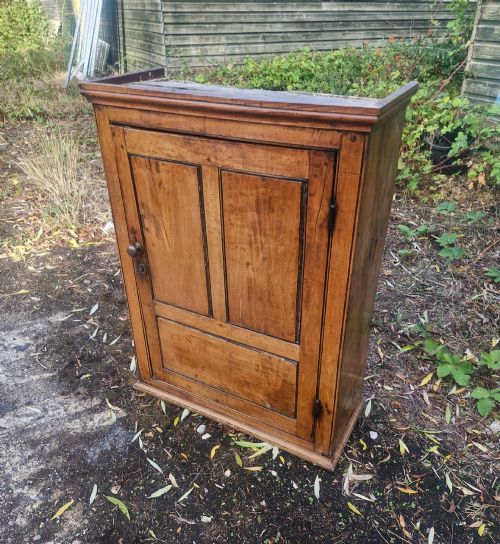
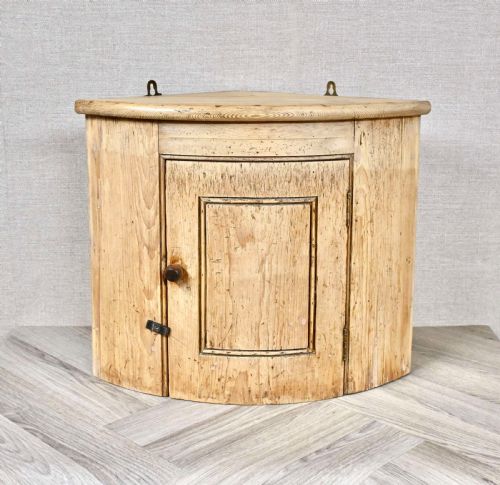
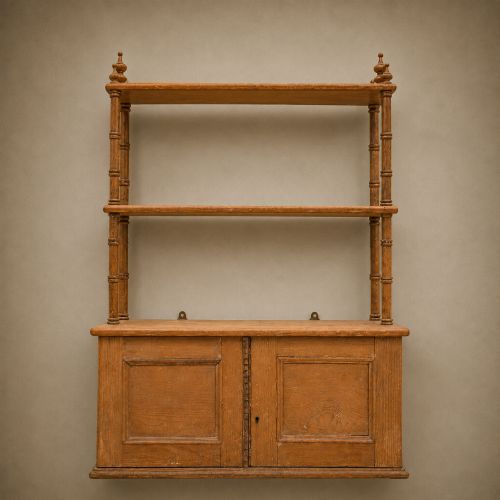
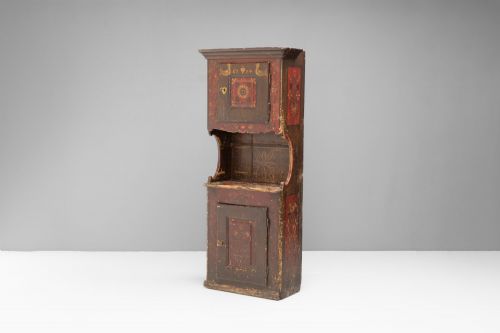
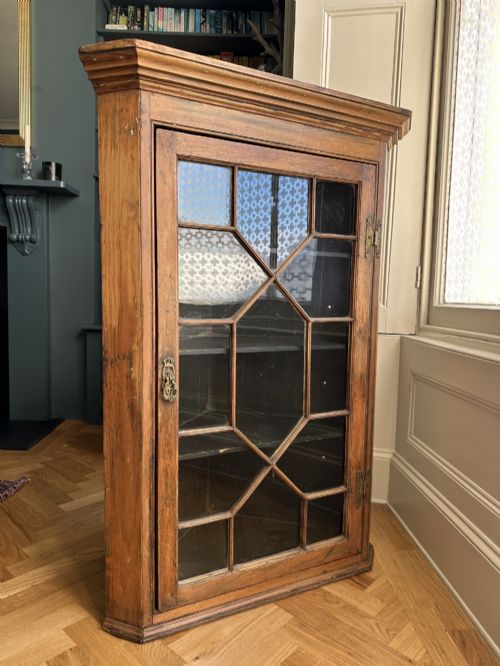
When you search for rustic pine wall cupboard, you are looking at practical hanging storage designed to fit securely onto kitchen, hallway, or living room walls. The pieces available here span from the eighteenth century through to the twentieth century, taking the form of wall cabinets, corner cabinets, and hanging cupboards with integrated shelving.
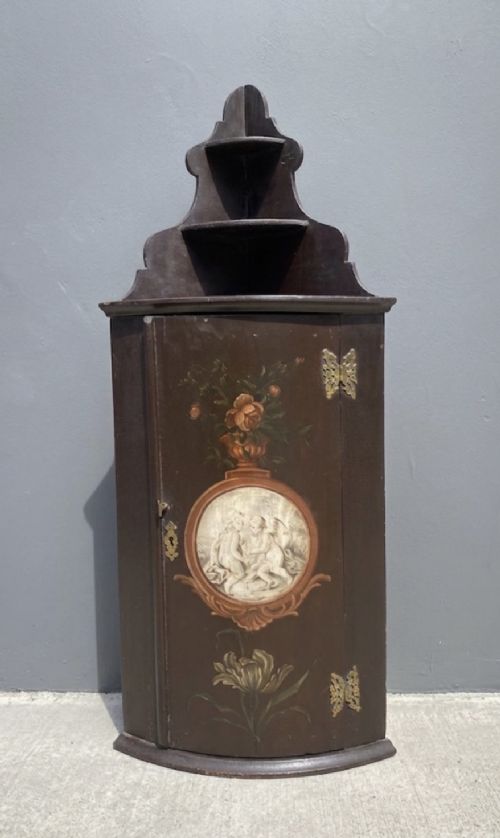
You will encounter regional variations originating from British, French, Scandinavian, Austrian, and Finnish traditions. These range from plain Georgian and Victorian designs to colourful folk art pieces featuring painted surfaces, glazed doors, and open shelves.
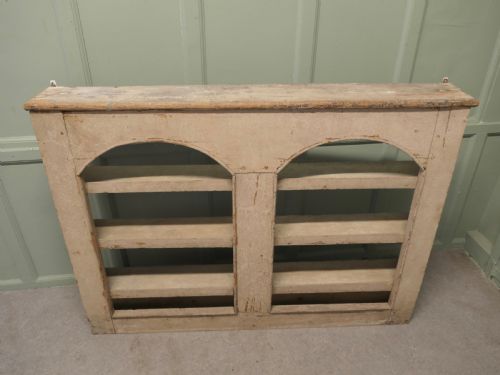
Many examples serve dual purposes, functioning as kitchen racks, alcove shelving units, or corner display spaces. They provide compact storage for small rooms while introducing genuine historical presence to modern interiors.
Materials and construction
The primary material across these pieces is solid pine, utilised for its accessibility and workability by country cabinetmakers. Workshops frequently finished these timbers with distemper paint, original paint layers, or stripped surfaces that expose the natural grain of the wood.
Hardware components rely on iron, brass, and mixed metals for hinges, latches, and hooks, which secure doors and support hanging structures. Glazed doors incorporate glass panes to display contents while protecting them from dust and household wear.
One vintage pine cupboard wears later sign-writing advertising Hovis Bread.
Distinctions in quality
Quality in these items rests upon the integrity of the original construction and the survival of early or original painted finishes. Pieces that retain their historic distemper paint or untouched interior decoration stand apart from heavily restored or later painted examples.
The sophistication of the joinery and the retention of period metalwork also separate standard utilitarian boxes from finer regional folk art pieces. Well-proportioned cornices, original glass, and sturdy hanging mechanisms indicate superior workshop execution.
The Rustic Pine Wall Cupboard Glossary
- Pine
- A softwood commonly utilised in country furniture making throughout Britain and Europe. It accepts paint and finishes readily.
- Distemper paint
- A traditional water-based paint mixture bound with glue or size, frequently found on older folk art furniture. It produces a matte finish that chalks slightly with age.
- Corner cupboard
- A specialised cabinet built with an angled back to fit neatly into the corner of a room. These make efficient use of otherwise wasted space.
- Hanging cupboard
- A wall-mounted storage unit designed to be fixed directly to wall studs or masonry rather than resting on the floor. It typically includes internal shelves.
Rustic Pine Wall Cupboard: Frequently Asked Questions
How do I hang a heavy pine wall cupboard securely?
These cabinets require sturdy fixings screwed directly into wall studs or solid masonry to support their weight safely. Professional installation is recommended given the combined weight of solid timber and stored items.
Ensure the internal hanging brackets or backboards are sound before loading the shelves with heavy crockery or glassware.
How can I tell an eighteenth-century cupboard from a Victorian one?
Earlier eighteenth-century pieces often feature hand-planed boards, pegged joinery, and specific moulding profiles typical of Georgian craftsmanship. Victorian examples tend to utilise standardised machine-cut elements and different hinge types.
Examining the nail types and backboards helps determine the period of construction more accurately.
Are painted pine cupboards original?
Many pieces retain their original or early painted surfaces, such as distemper or folk art finishes applied in Austrian and Scandinavian workshops. Some items feature later painted decorations or sign-writing added during subsequent decades of use.
Close inspection under natural light reveals whether paint layers are contemporary with the timber's age.
Where should I place a corner cupboard?
Corner cupboards utilise neglected junction spaces in kitchens, dining rooms, or hallways without protruding far into the room. They provide compact display or storage while softening angular room layouts.
Consider eye-level placement so the door opens freely away from adjacent walls and furniture.