
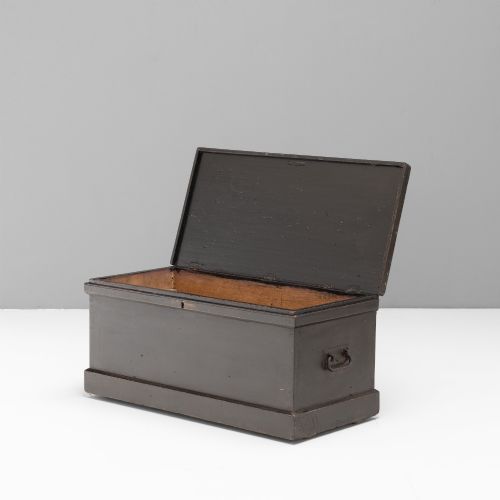
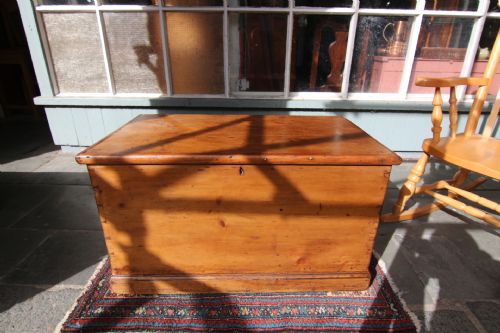
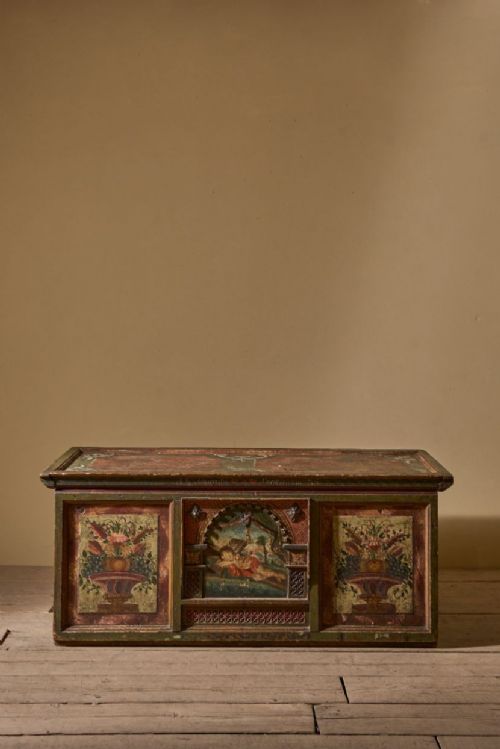
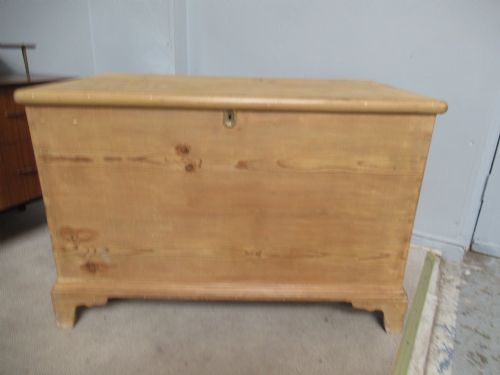
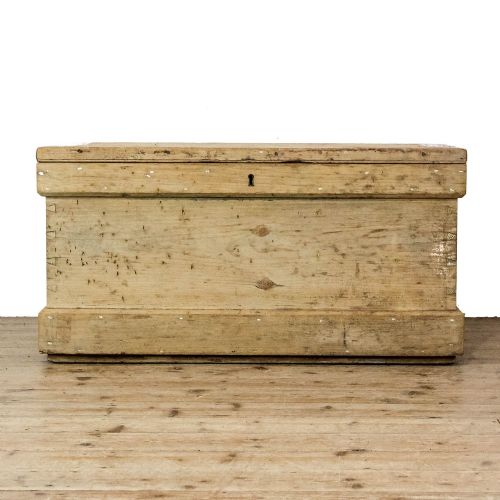
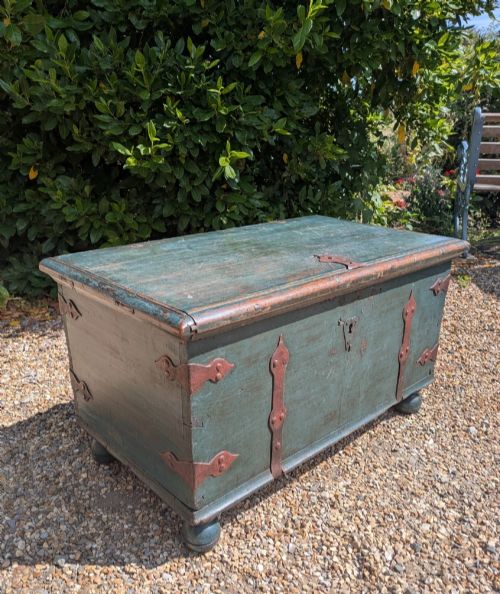

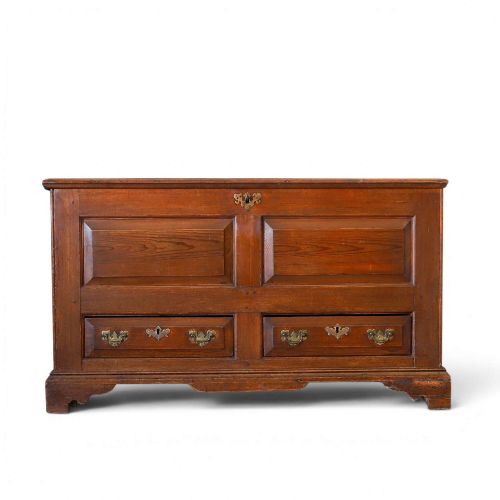
Vintage Pine Storage Coffer
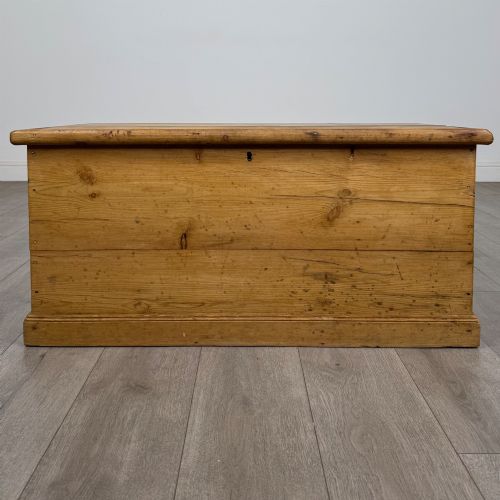
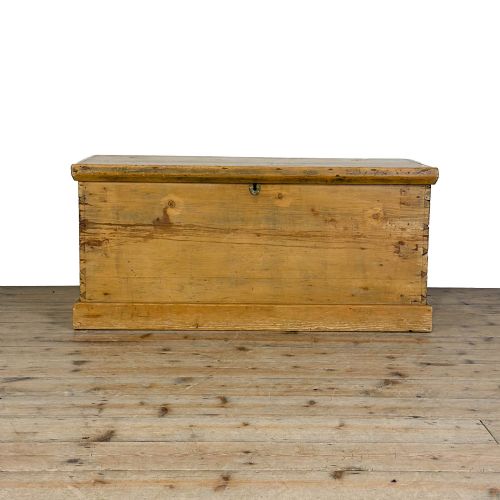
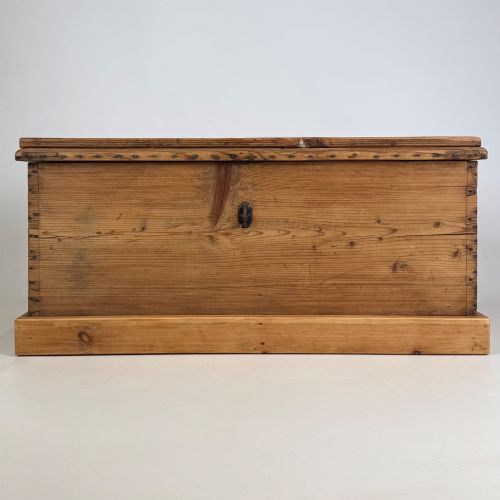
A vintage pine storage coffer offers robust utility and honest character, serving as a practical chest for blankets or household items.
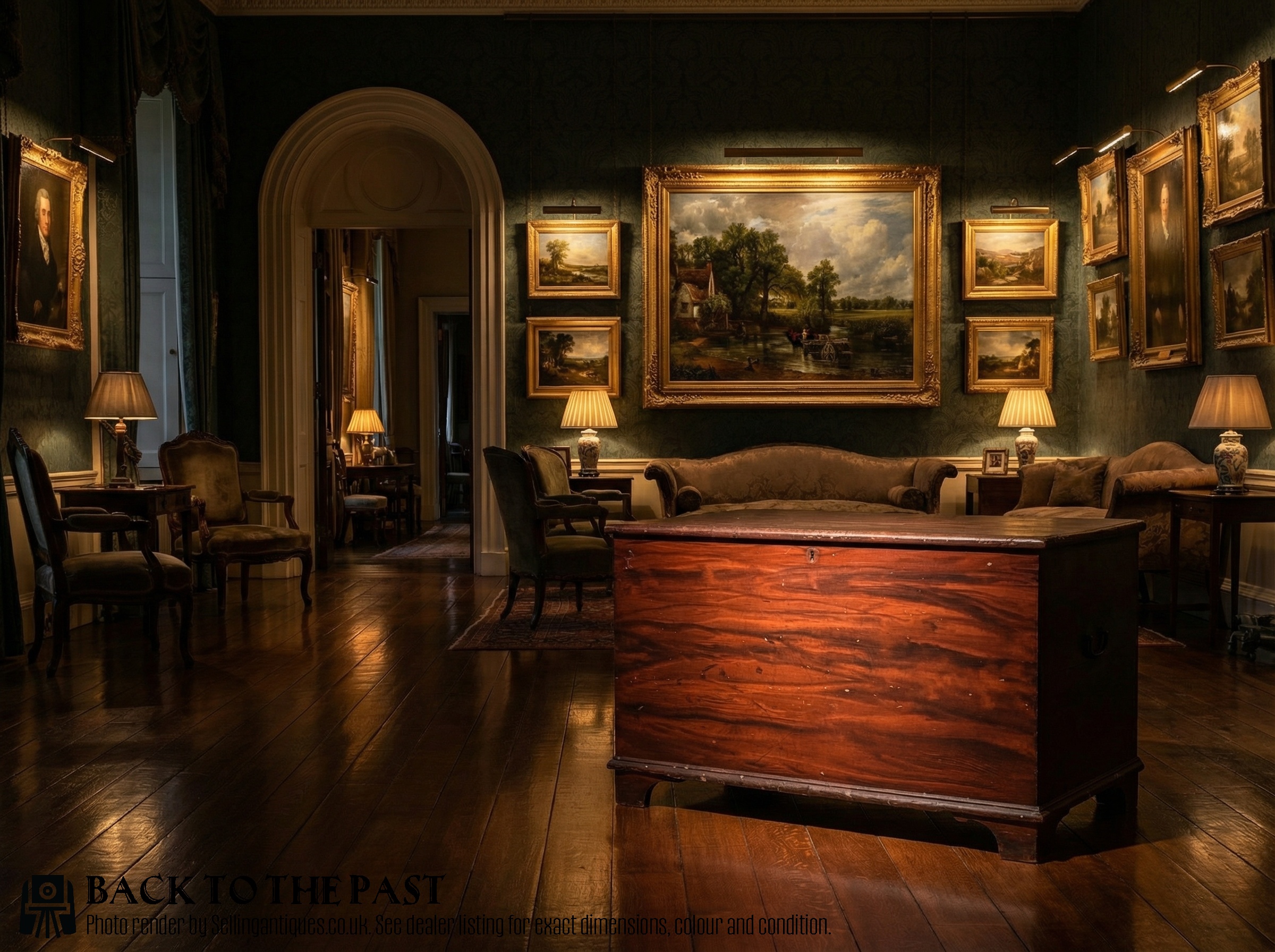
Vintage Pine Storage Coffer
A vintage pine storage coffer takes the form of a sturdy wooden box or chest designed for holding household textiles, tools, and personal belongings. These pieces span multiple eras, with nineteenth-century Victorian examples appearing most frequently alongside eighteenth-century regional specimens and occasional Regency or Georgian variants.
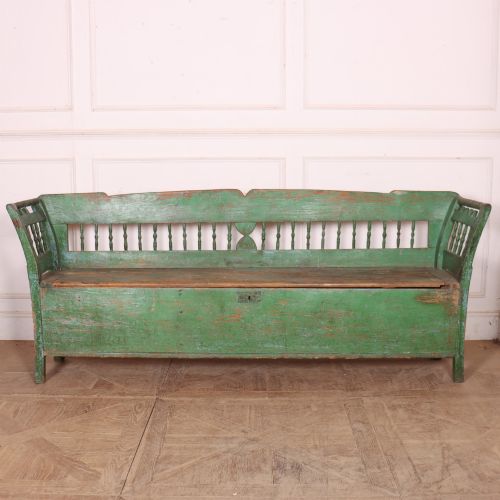
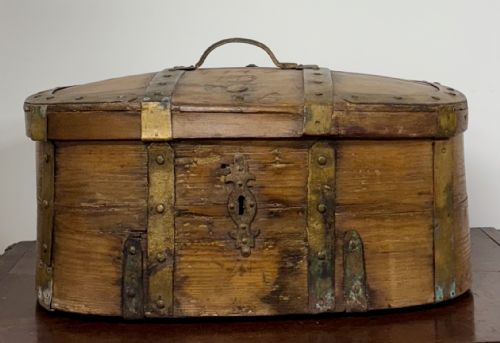
Makers fashioned these chests in various styles ranging from plain rustic farmhouse formats to painted folk art pieces originating from Britain, Scandinavia, and Hungary. Alongside standard blanket boxes and trunks, the selection includes fitted travel chests containing internal drawers, dome top designs, and joined wooden benches with storage functions.
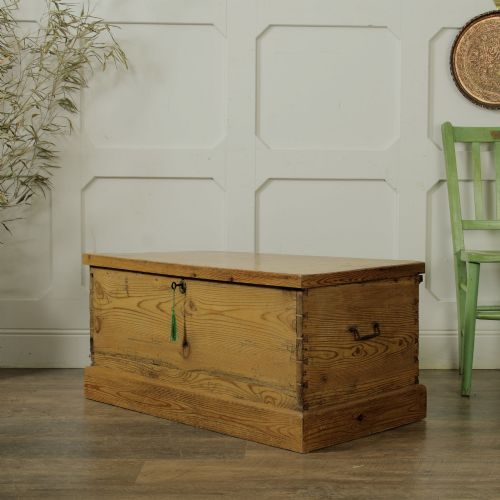
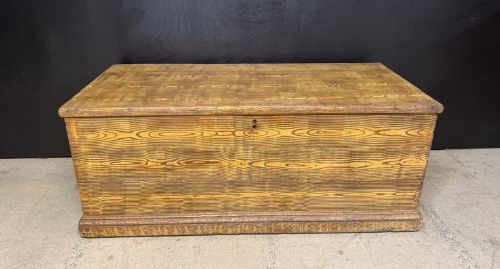
The construction serves an enduring domestic purpose, combining deep internal wells with hinged lids for accessible storage. Buyers searching for a vintage pine storage coffer will find items finished in clear wax, stripped natural wood, or decorated with original pigment, scumble paint, and nautical motifs.
Materials and Construction Methods
Carpenters relied primarily on solid pine and dense pitch pine timber boards joined together to form rigid box structures. Many examples incorporate secondary woods such as elm or Oregon pine to increase durability across heavy-duty domestic and travel use.
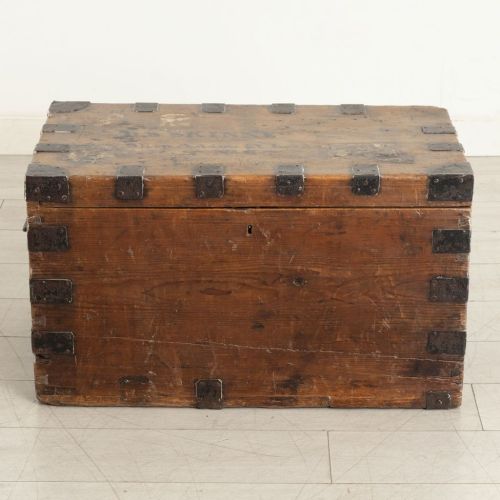
Blacksmiths and joiners reinforced the corners and lids using hand-forged iron strapwork, brass bindings, and robust hinges to withstand regular transit and lifting. Surfaces were treated with protective wax coatings or finished with applied pigment, paint, and decorative scumble effects.
Materials span standard pine, pitch pine, and Oregon pine, augmented by wrought iron hardware, brass bindings, ceramic elements, and original coloured pigment.
Evaluating Quality and Character
Quality rests upon the integrity of the original construction, specifically the tightness of the corner joints and the survival of authentic hardware such as wrought iron strapwork or brass mountings. Pieces retaining their original painted finishes or early pigmented surfaces command greater appreciation than those stripped down in later decades.
Proportion and scale dictate the visual presence of each chest, from compact travel trunks to massive marriage coffers with internal compartments. The depth of the timber's natural patina, acquired through generations of handling and waxing, separates ordinary utility boxes from exceptional examples of regional woodworking.
The Vintage Pine Storage Coffer Glossary
- Coffer
- A large wooden chest used historically for holding valuables, documents, or garments. These heavy boxes typically feature hinged lids and sturdy boarded construction.
- Scumble
- A decorative painting technique where a translucent layer of colour is manipulated over a lighter opaque base to simulate wood grain or create textured patterns.
- Strapwork
- Ornamental bands of metal, usually iron or brass, fixed across the exterior of a chest to reinforce the joints and protect the wooden corners from damage.
- Pitch pine
- A dense, resinous variety of pine timber noted for its distinct grain pattern and durability, frequently utilised in nineteenth-century utilitarian trunks.
- Campaign chest
- A portable trunk or chest made in sections with recessed brass handles, designed for easy transport by military officers on active service.
Vintage Pine Storage Coffer: Frequently Asked Questions
What were pine coffers used for originally?
Households utilised these spacious wooden chests primarily for storing woolen blankets, winter garments, household linen, and personal belongings. Their solid construction also suited them for secure transit during travel.
Over time, many functioned as everyday furniture pieces, doubling as benches in farmhouses and cottages while keeping domestic clutter concealed within the deep internal well.
How do I care for a waxed pine chest?
Maintain the finish by applying a traditional beeswax polish sparingly and buffing the timber with a soft, clean cloth to preserve the sheen. Avoid placing the box near direct heat sources or in damp areas to prevent the pine from warping.
Keep the interior clean by using untreated cotton dusters rather than modern chemical sprays, which can interact unfavourably with historic wax layers.
Are painted pine chests authentic?
Many nineteenth-century and regional European pieces retain original decorative paint, folk art motifs, or scumble finishes applied during their initial production. Examining the craquelure, wear patterns, and pigment composition helps distinguish period decoration from later additions.
Original painted surfaces often exhibit natural fading and minor losses around high-contact areas like edges and lid rims.
How can I tell an older pine box apart?
Dating relies on observing construction details such as hand-cut dovetails, hand-forged iron hinges, and the type of fixings securing the boards. Eighteenth-century examples often feature heavier panel construction and pegged joints compared to later Victorian variants.
The density of the timber, tool marks left by the carpenter, and the depth of the surface patina further indicate the age and origin of the piece.