
Pine Coffer Storage Chest
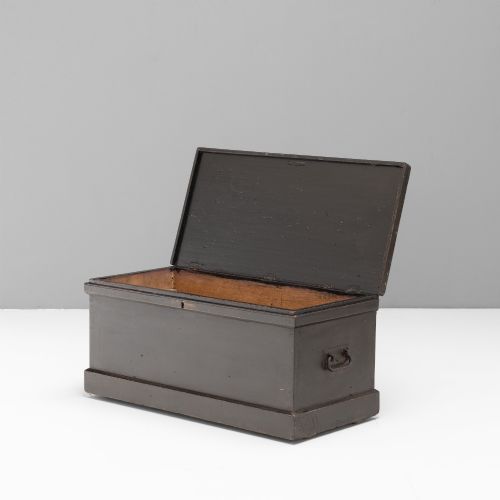
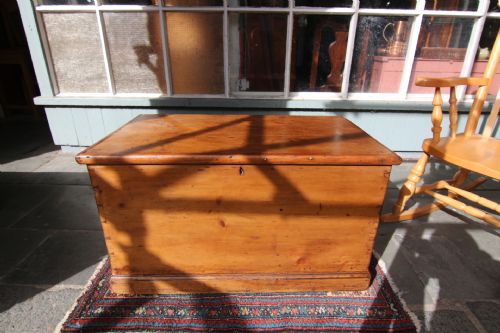
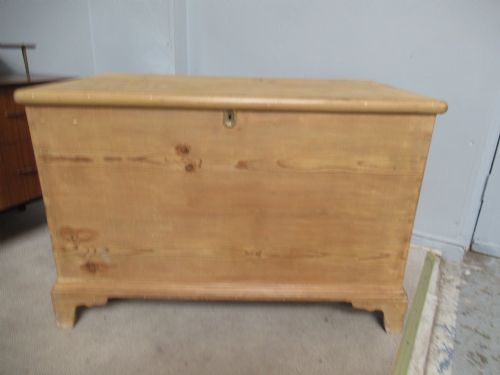
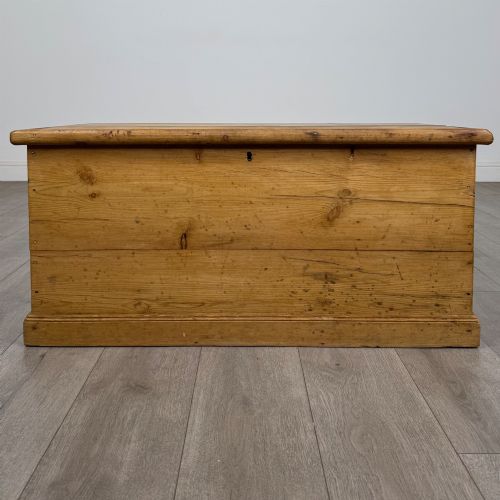
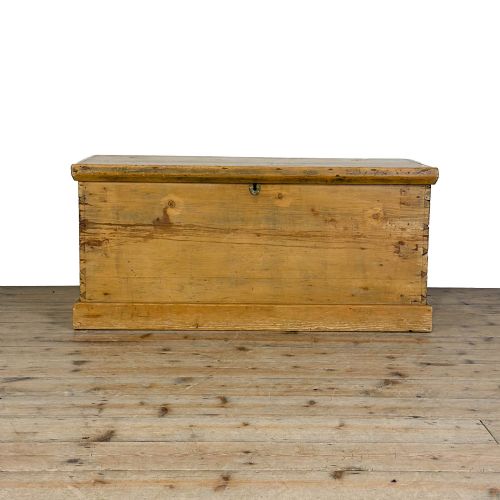
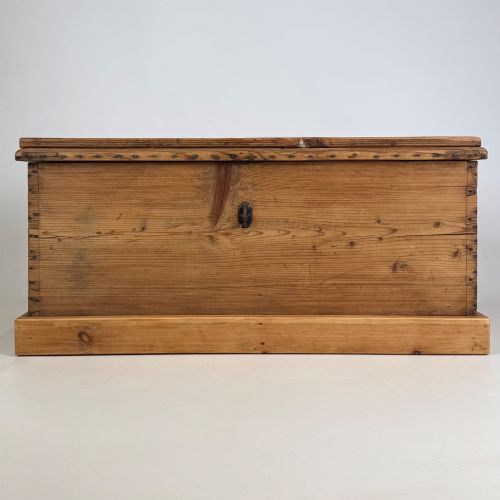
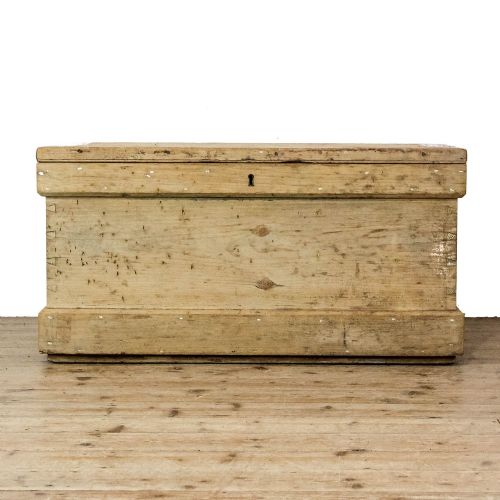
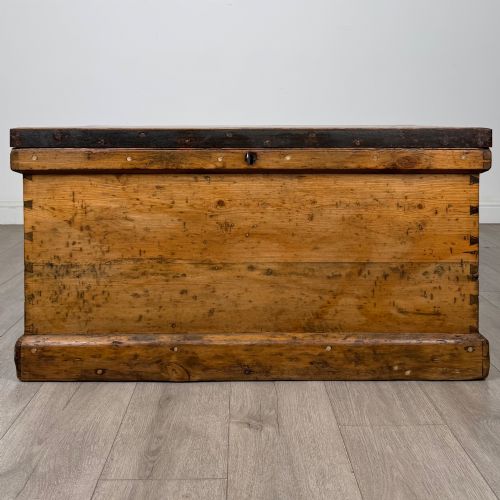
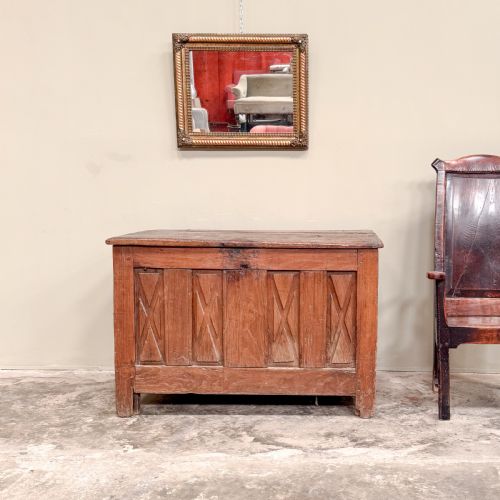
Pine coffer storage chest examples combine robust utility with vernacular character, serving as practical furniture that anchors a room.
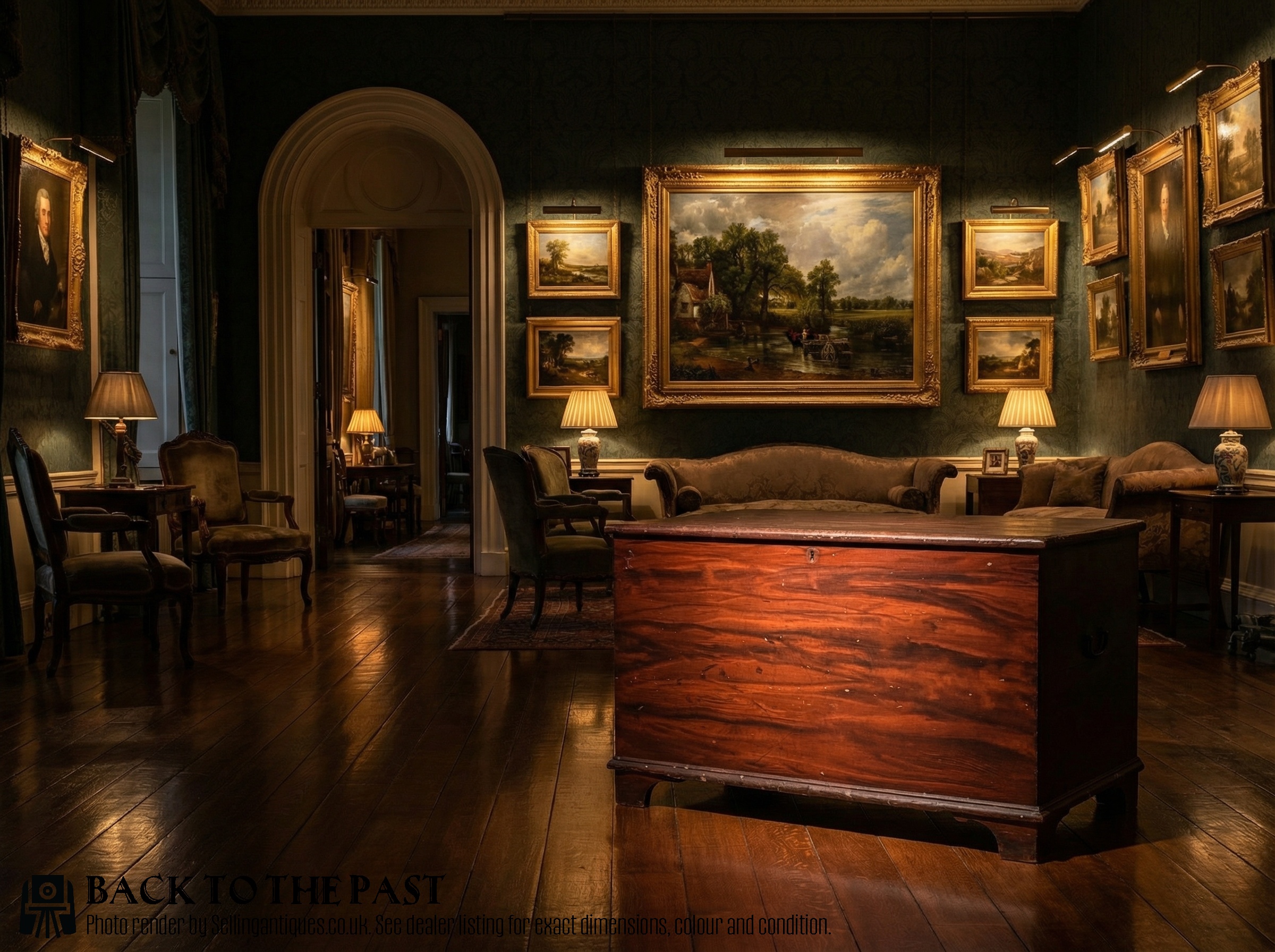
Pine Coffer Storage Chest
When searching for a pine coffer storage chest, buyers encounter utilitarian containers designed for household organisation, blankets, and travel. These sturdy boxes emerge frequently in nineteenth-century Victorian forms alongside earlier eighteenth-century Georgian and continental examples.
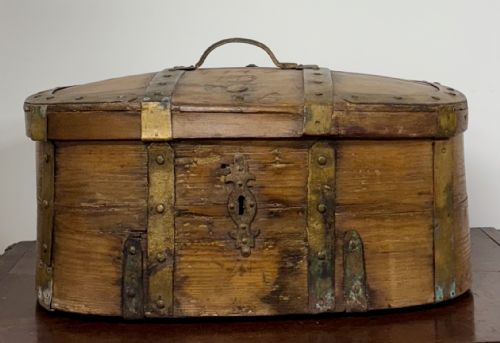
The objects span diverse regional traditions, including English country workshops, Scandinavian farmsteads, and Hungarian homesteads. Many survivors show simple domestic use, while others incorporate internal drawers or mule chest configurations with lower storage.
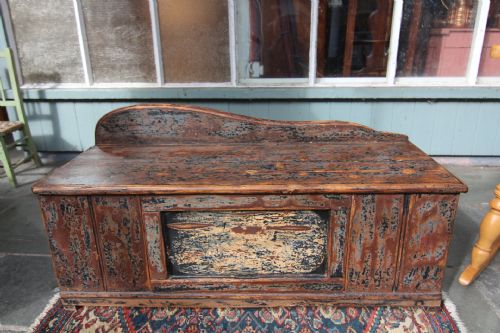
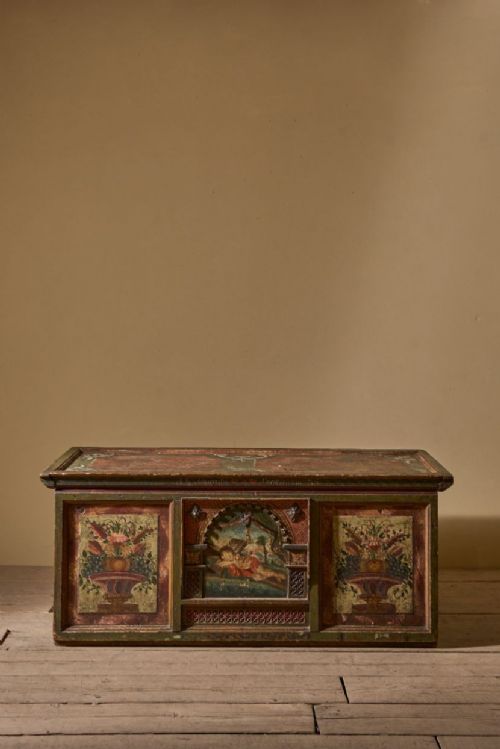
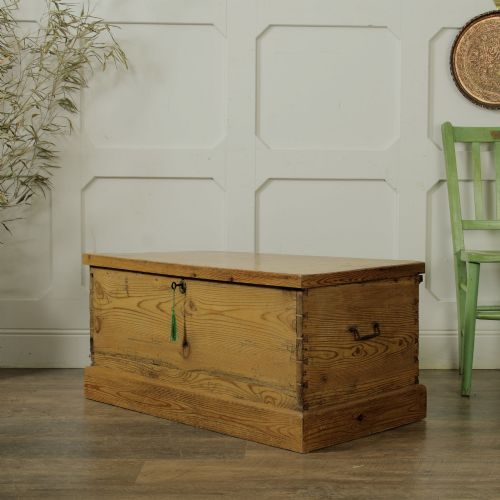
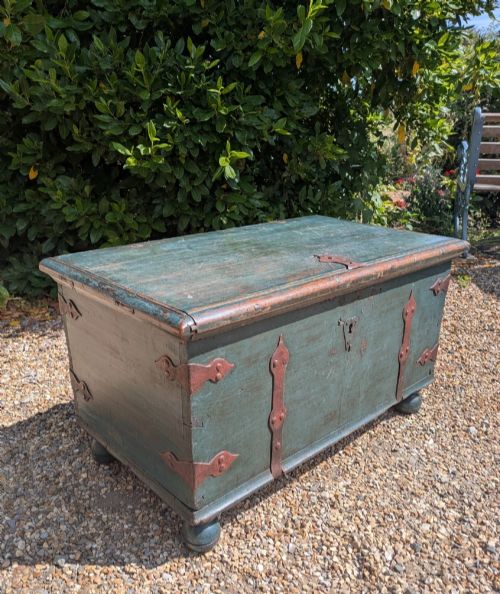
Plain waxed surfaces sit alongside surviving original paint, scumble finishes, and folk art decorations. Buyers choose these chests for their honest construction and capacity to store bulky household textiles.
Materials and Construction
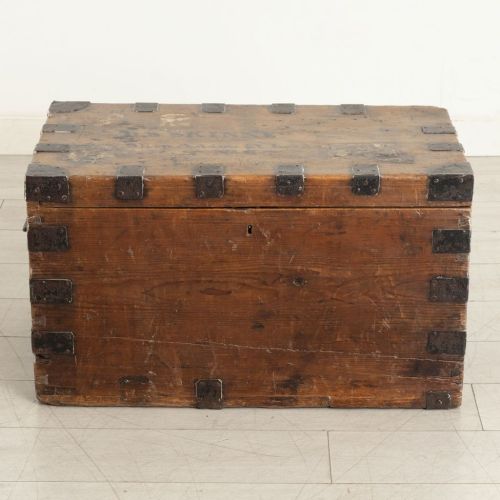
Joinery relies on solid pine and pitch pine planks joined to form deep, durable cavities with hinged lids. Carpenters reinforced corners and lids using hand-forged iron strapwork, brass bindings, and robust metal hinges.
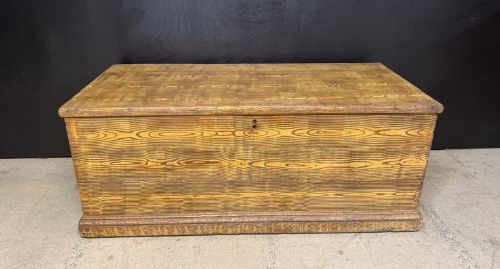
Surfaces received various treatments ranging from simple transparent wax finishes to protective layers of oil paint. Provincial makers utilised local softwoods and applied scumble glazes or decorative folk motifs directly onto the wood.
One cheerful Hungarian box carries a heart motif carved into the pine, reminding buyers that storage chests often served as romantic marriage tokens.
Evaluating Quality and Character
Quality rests in the integrity of the timber, the thickness of the pine boards, and the retention of original hardware such as wrought iron straps and locks. Superior examples display honest patination earned through decades of domestic service rather than artificial ageing.
The presence of untouched original paint or early scumble decoration elevates a piece significantly beyond standard waxed utility boxes. Internal arrangements, such as fitted candle boxes or lower drawers, add complexity that distinguishes better workshop output.
The Pine Coffer Storage Chest Glossary
- Coffer
- A large wooden chest traditionally used for holding valuables, linen, or documents. These sturdy boxes usually feature a hinged lid and solid plank construction.
- Mule chest
- A traditional storage chest featuring one or more drawers built into the base beneath the main compartment. This form bridges the gap between a standard blanket box and a chest of drawers.
- Pitch pine
- A dense, resinous variety of pine timber often utilised for heavy-duty Victorian trunks and chests. It provides exceptional durability and a pronounced grain pattern.
- Scumble
- A decorative painting technique involving a translucent glaze dragged over a solid base colour to simulate richer wood grains or aged textures. It appears frequently on nineteenth-century country furniture.
- Strapwork
- Ornamental metal bands or strips fixed across the exterior of a chest to reinforce the wooden joints and hinges. Hand-forged iron examples contribute both structural strength and visual contrast.
Pine Coffer Storage Chest: Frequently Asked Questions
How were these chests originally used?
Households utilised these deep containers for storing heavy woollen blankets, household linen, and winter clothing away from moths and dust. Travel versions also accompanied owners on journeys as secure luggage.
Over generations, families adapted them for general domestic storage in bedrooms, hallways, and farmhouses where floor space permitted large furniture.
What is the difference between a coffer and a blanket box?
A coffer traditionally describes a heavy storage chest with a flat lid, often associated with earlier centuries and structural ironwork. A blanket box generally points toward domestic bedroom storage for textiles.
In practical terms, makers used the terms interchangeably across different regional workshops and periods.
How do I care for a waxed pine chest?
Maintain the finish by applying a traditional beeswax polish sparingly and buffing with a soft cloth. Avoid placing the wood near direct heat sources or in damp environments.
Consistent mild temperatures protect the pine planks from splitting and preserve the natural patination.
How can I tell an eighteenth-century chest from a Victorian one?
Earlier eighteenth-century pieces, including Georgian and continental examples, typically display hand-cut dovetails, thicker boards, and forged iron hardware. Victorian items often feature mass-produced machine joints and lighter internal fittings.
Paint treatments, tool marks, and overall proportions help confirm the manufacturing era.