
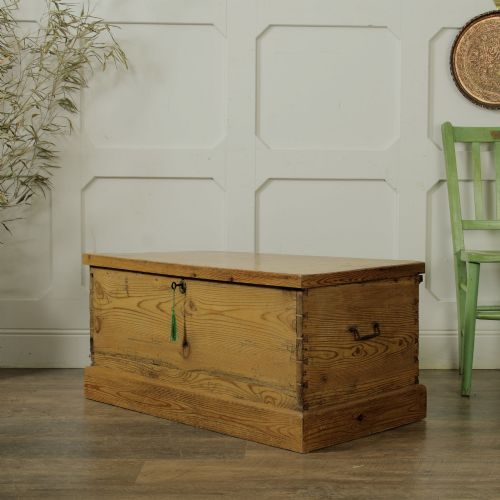
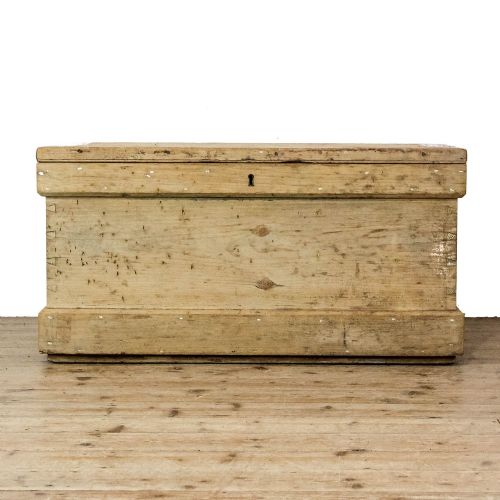
Rustic Pine Coffer Chest
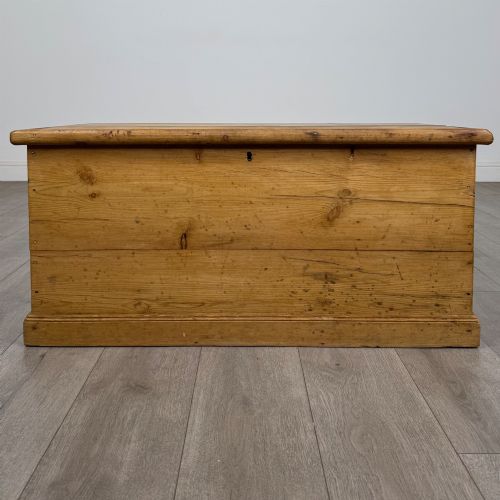
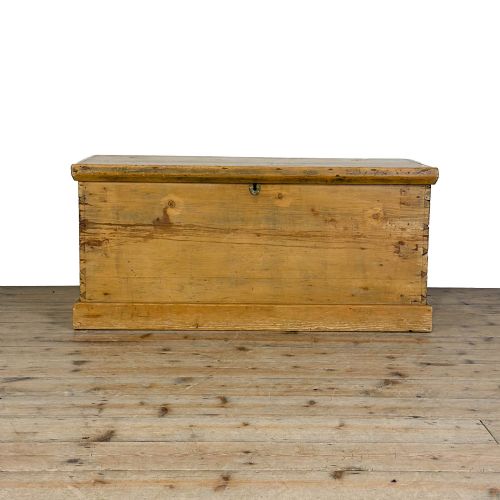
A rustic pine coffer chest is a utilitarian storage box built for domestic use, offering rugged charm and practical capacity for modern living spaces.
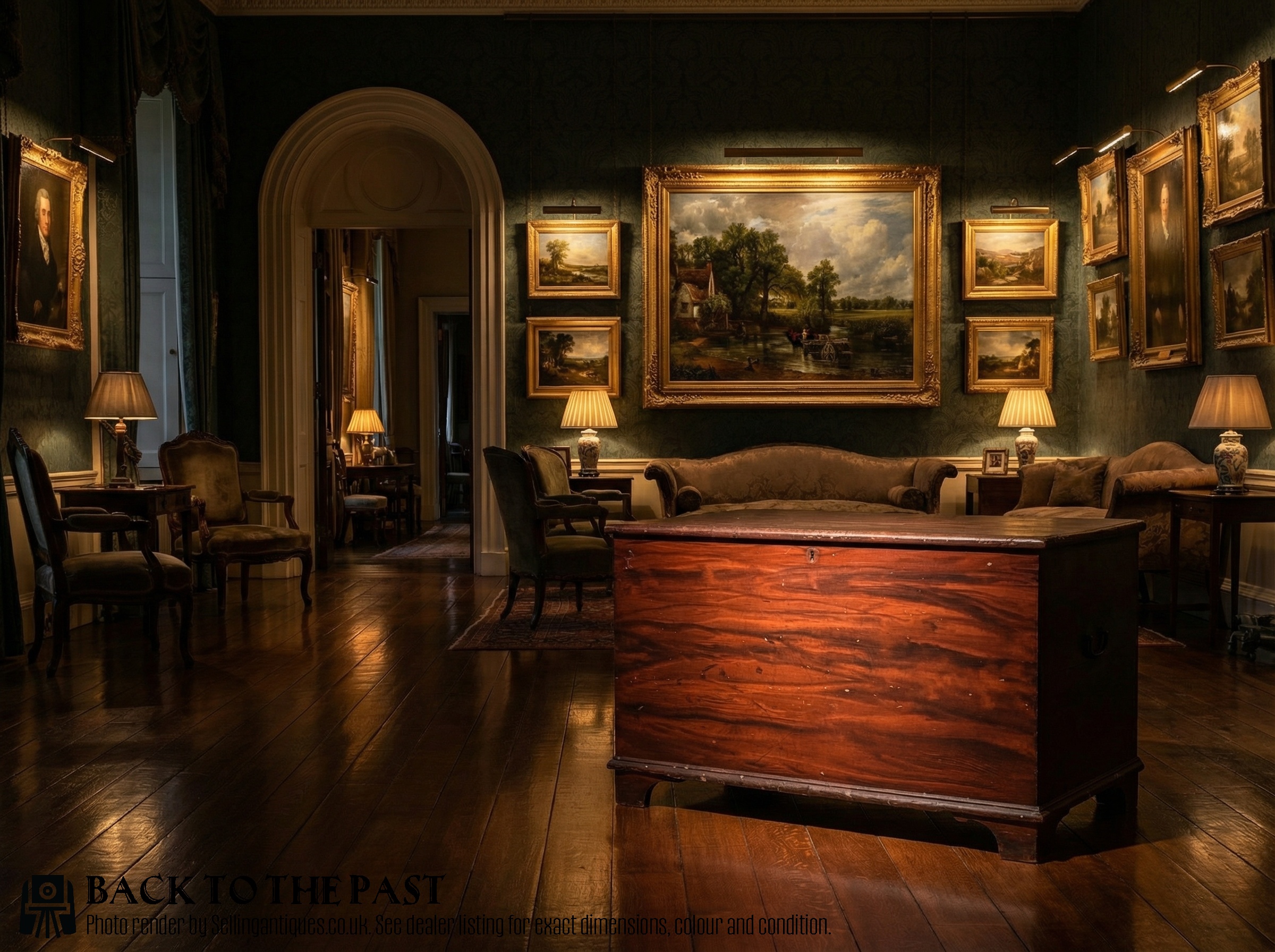
How they were made
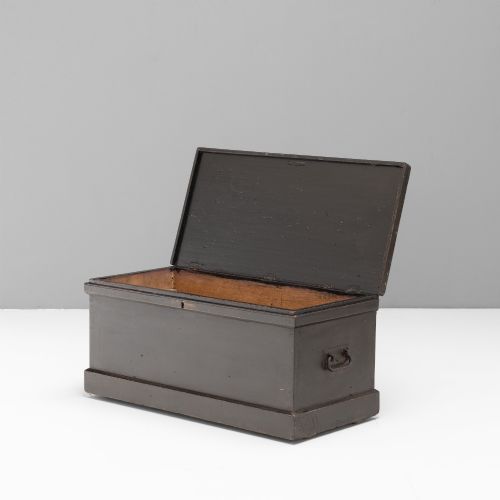
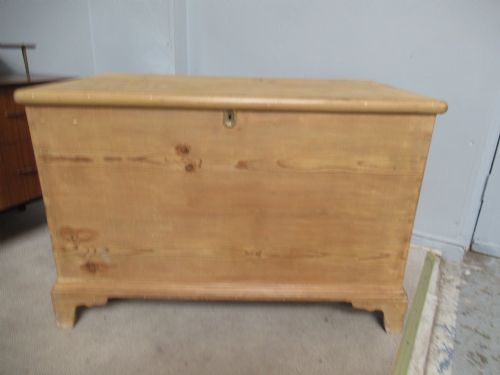
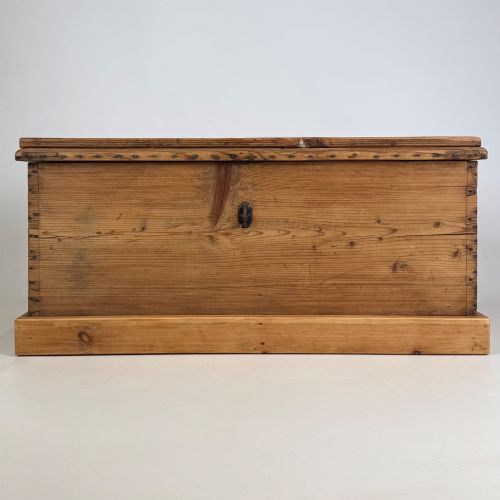
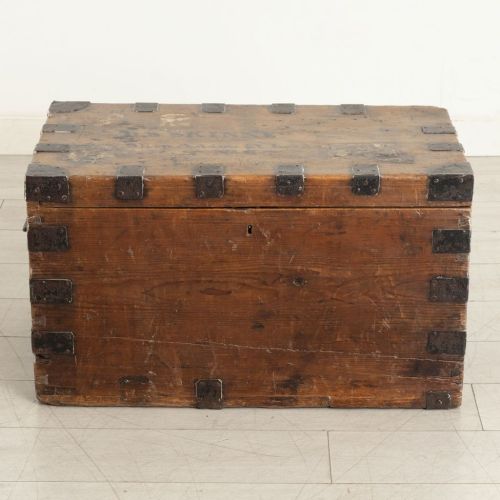
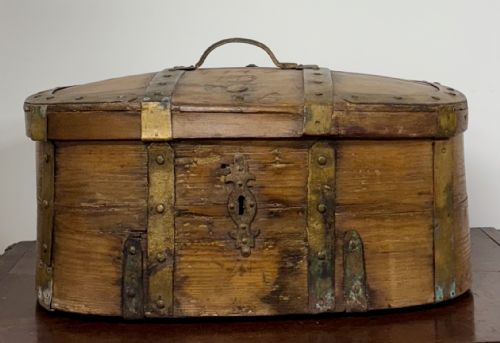
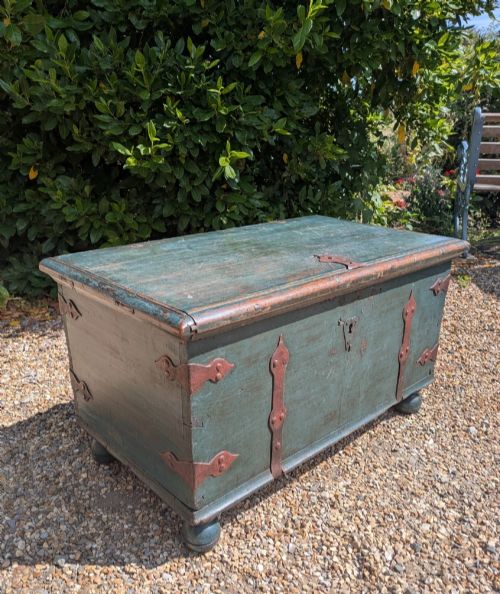
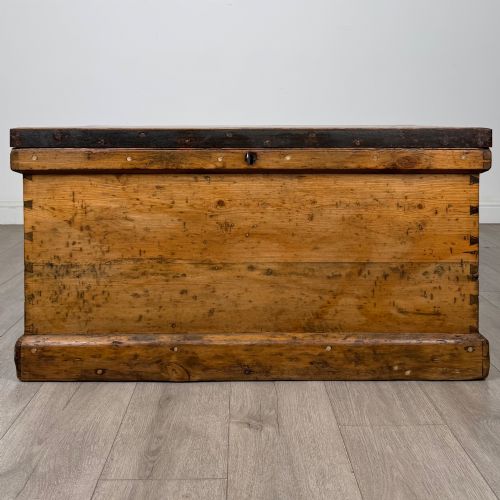
Construction relies heavily on solid pine and pitch pine boards joined to form sturdy rectangular carcases with hinged lids. Carpenters reinforced corners and lids with hand-forged iron, brass, or wrought iron strapwork to withstand heavy travel and daily domestic service.
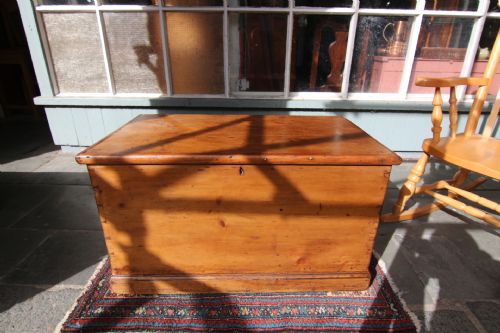
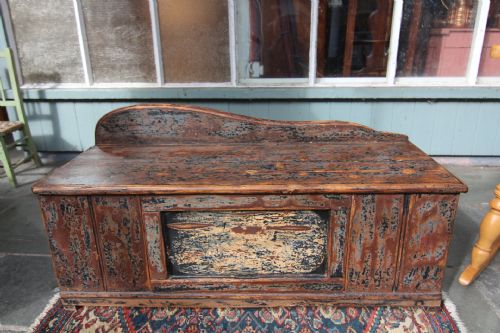
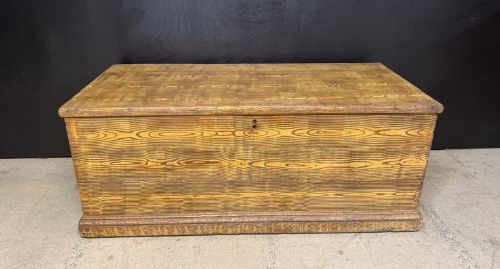
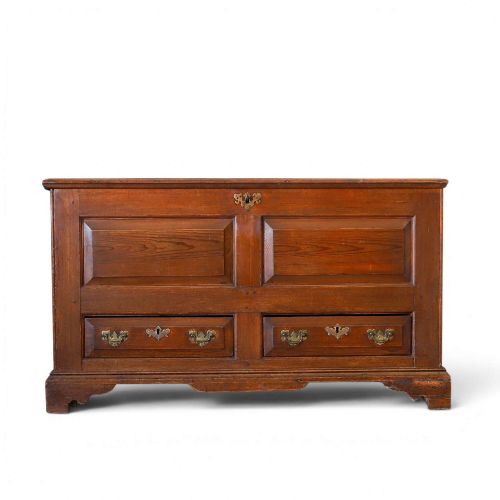
Surface treatments vary between simple wax polishes that highlight the natural grain and layers of original paint, including decorative scumble effects. Some specialised pieces integrate internal drawers or secondary timbers such as elm for added structural durability.
What varies in quality
The distinction between standard utility boxes and finer examples rests on the integrity of the original construction and the survival of untouched surfaces. Superior pieces retain their original iron hardware, working hinges, and authentic painted finishes without extensive modern repairs.
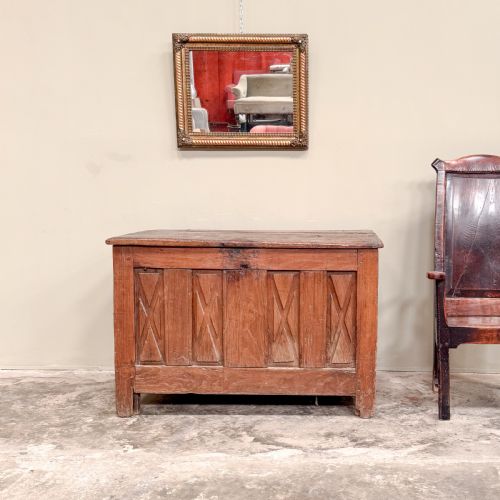
Design complexity also defines the upper tier, seen in fitted internal compartments, dovetailed joints, and uncommon proportions like dome tops or integrated drawers. Pieces that maintain a deep, natural wax patina or well-preserved folk art paint display greater character and historical integrity.
Listings feature items spanning the 18th, 19th, and early 20th centuries, executed in pine, pitch pine, and elm with iron and brass hardware.
The Rustic Pine Coffer Chest Glossary
- Coffer chest
- A large strongbox or chest traditionally used for storing valuables, linens, or travel goods. These heavy containers formed a central part of historic household furniture before fitted wardrobes became common.
- Mule chest
- A storage chest fitted with one or more drawers at the base beneath the main compartment. This form bridges the gap between a traditional blanket box and a chest of drawers.
- Scumble paint
- A decorative paint technique involving translucent glazes dragged or brushed over a base coat to imitate finer wood grains or create mottled textures. It was frequently applied to 19th-century pine furniture.
- Strapwork
- Metal bands or hinges applied across the exterior surfaces of a chest to reinforce joints and protect corners. Hand-forged iron strapwork adds both structural strength and visual decoration.
Rustic Pine Coffer Chest: Frequently Asked Questions
What is a rustic pine coffer chest used for?
These chests serve primarily as versatile storage furniture for blankets, linens, and bulky household items.
In contemporary interiors, they function equally well as coffee tables at the foot of a bed or as hallway storage.
How do I date an old pine chest?
Dating relies on examining construction methods, such as hand-cut dovetails, forged iron hardware, and timber characteristics.
Earlier 18th-century pieces often display distinct regional joinery, whereas Victorian examples tend toward standardised box construction and factory-made hinges.
Are painted pine chests original?
Many trunks retain their original historic paint, scumble finishes, or folk art decoration applied during the 19th century.
Close inspection helps distinguish authentic period surface wear and patination from later decorative overpainting.
What is the difference between a coffer and a blanket box?
A coffer generally denotes a heavier, highly secure storage chest often bound in iron for travel or safekeeping.
By contrast, a blanket box typically describes a domestic trunk dedicated to storing textiles within a bedroom setting.