







Vintage Pine Glass
These vintage pine glass pieces bring honest utility and historic character to a room, combining warm timber frames with clear or decorative glazing.
Vintage Pine Glass
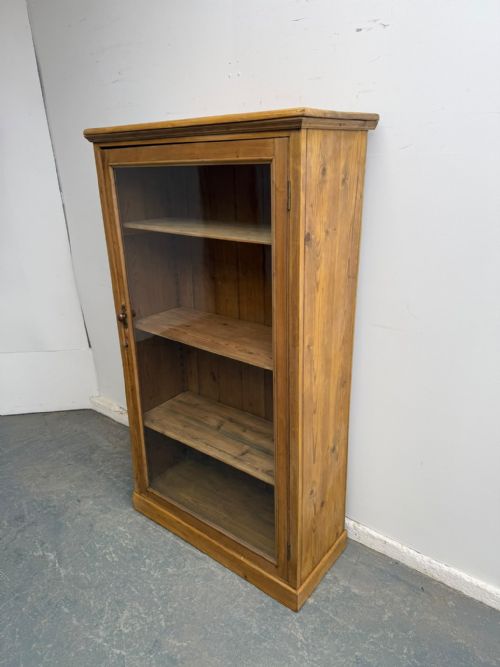
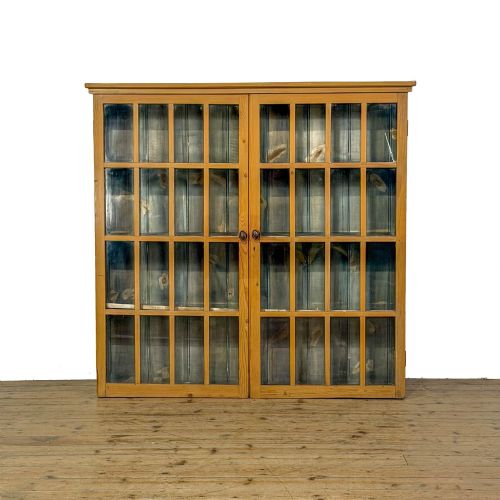
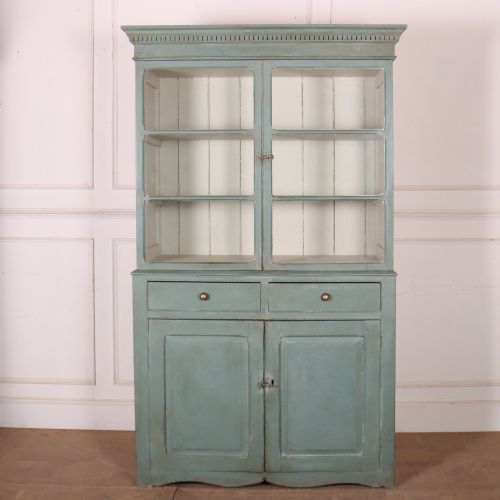
The version you are most likely to meet on this page is a piece of cabinetry or architectural joinery, such as a glazed kitchen cabinet or a painted cupboard featuring original glass panels. These examples often combine softwood carcases with period glazing techniques, offering a glimpse into historic English, Scottish, and continental workshop traditions.
Other manifestations include doors with etched or Art Nouveau inspired glass, church windows with square panes, and clock domes set on wooden bases. Each object demonstrates how simple softwood and glass were adapted for domestic utility, retail display, and ecclesiastical architecture across Victorian and Edwardian periods.
How they were made
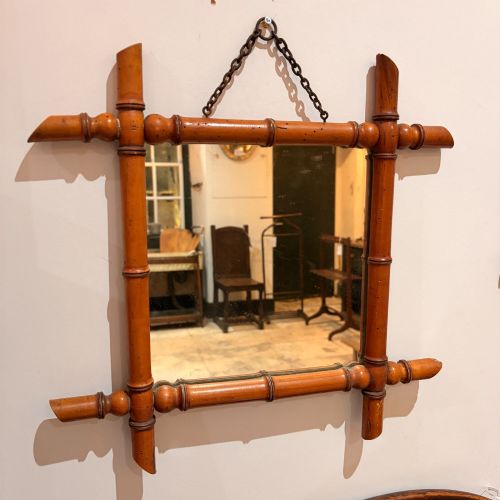
Makers constructed these pieces using solid pine for the structural frames, cabinets, and doors, often applying paint, scrumble, or faux bamboo finishes to the timber surfaces. The wood was selected for practical joinery, then joined with traditional methods suited to domestic furniture and architectural fittings.
Glazing played a central role, incorporating leaded came, crystal, and blown glass panels secured within wooden rebates. Artisans embellished these windows and doors with hand painted flowers, amber bullseyes, and etched patterns that reflect Victorian, Edwardian, and Art Deco aesthetic shifts.
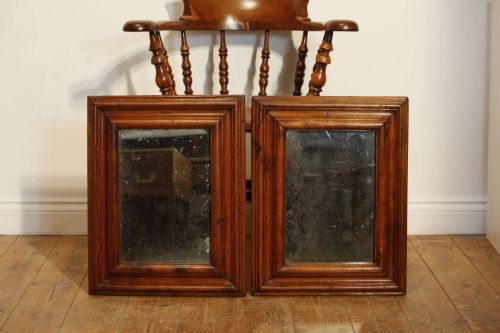
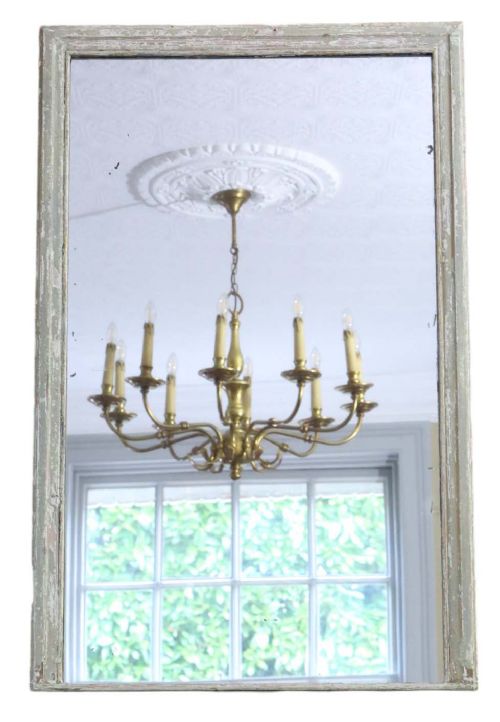
Additional materials such as brass fittings and metal hardware complete the construction, providing operational strength to doors, cabinets, and overmantle mirrors. The integration of glass and pine relied on straightforward carpentry traditions combined with specialised decorative glazing techniques.
Vintage Pine Glass Retail Price Guide 2026
Typical asking prices for vintage pine glass among the pieces listed under this phrase on Sellingantiques today, from the lower quarter to the upper quarter. They describe what is for sale here now, not the wider market.
One nineteenth-century chest carries surviving sign writing for agricultural merchants, proving furniture once doubled as local advertising.
What varies in quality
The distinction between ordinary and superior pieces rests on the integrity of the original materials and the sophistication of the glazing. Items featuring hand painted scenes, leaded came work, or specialised etched glass command greater interest than plain utilitarian glazing.
Surface treatment heavily influences overall character, with original paint, sign writing, or scrumbled finishes holding more integrity than later, unsympathetic alterations. The quality of the pine joinery itself - visible in the weight of the timber and the precision of the frame construction - determines the durability of the piece.
The survival of untouched period elements, from brass hardware to original glass panes without replacement, separates standard architectural salvage from exceptional collector examples.
Rene Lalique
The Vintage Pine Glass Glossary
- Glazed
- Fitted with glass panes or panels. This term describes cabinets, doors, and dressers designed to display contents while protecting them from dust.
- Scrumbled
- Painted with a translucent glaze over a lighter base coat to imitate the grain of finer woods. It was a popular nineteenth-century technique used to elevate inexpensive pine furniture.
- Leaded glass
- Small panes of glass joined together by lead strips known as cames. This method allowed makers to create complex geometric or pictorial windows before large plate glass was common.
- Overmantle
- A large mirror designed to hang directly above a fireplace mantelpiece. These pieces often feature painted pine frames and generous proportions typical of nineteenth-century interiors.
- Faux bamboo
- Wood turned and carved to imitate natural bamboo stalks. Makers utilised this decorative style on mirrors and small furniture during the Victorian and Edwardian periods.
Vintage Pine Glass: Frequently Asked Questions
What are vintage pine glass cabinets?
These are storage units and cupboards built from softwood timber and fitted with glass doors or panels. They were commonly used in kitchens and shops to keep provisions visible yet protected.
Today, they function well as display storage in living spaces, kitchens, or hallways, bringing historic texture to modern interiors.
How do I date a pine and glass door?
Dating relies on examining the construction methods, the type of glass, and the decorative style of the frame. Elements like Art Nouveau glass or Victorian etched patterns provide clear chronological markers.
Hardware such as brass hinges and original paint finishes also help determine whether a door originates from the nineteenth century or the early twentieth century.
Where should I place a glass pine window?
Leaded and painted glass windows look best hung against a wall where natural light can pass through them, or mounted within an interior partition. They add architectural interest without requiring structural exterior installation.
Ensure the mounting is secure, as these antique frames and leaded glass panels carry considerable weight.
How do I clean painted pine furniture?
Maintenance requires gentle dusting with a soft cloth and avoiding harsh chemical cleaners that might strip historic painted or scrumbled surfaces. Keeping the wood away from direct heat sources prevents the pine from drying out.
Preserving the original patina ensures the character developed over the nineteenth and twentieth centuries remains intact.