



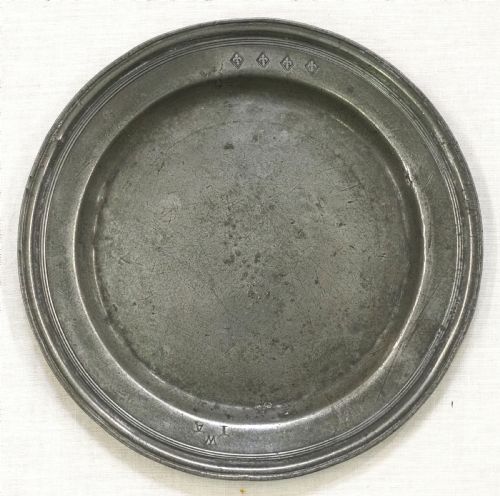


Vintage Pewter Plates
These vintage pewter plates are sturdy metal table wares that bring centuries of British craft to daily display.
Vintage Pewter Plates
When you search for vintage pewter plates, you are looking at substantial metal dishes shaped across the seventeenth, eighteenth, and nineteenth centuries. These items range from small plain rim examples to wide chargers spanning over twenty inches.
You are most likely to meet seventeenth-century reeded pieces alongside eighteenth-century plain rim plates on this page. Makers marked their output with touchmarks, creating durable domestic tableware that survived centuries of use.
How they were made
Metalworkers cast these pieces in alloy moulds using tin combined with lead, copper, or antimony to achieve the right weight and strength. Hammering and turning on lathes finished the surfaces and formed the rims.
Craftsmen shaped multiple reedings or plain rims by hand, adding touchmarks to verify the standard of the alloy. Later nineteenth-century items utilised Britannia metal or silver plating techniques over base metals.
Vintage Pewter Plates Retail Price Guide 2026
Typical asking prices for vintage pewter plates among the pieces listed under this phrase on Sellingantiques today, from the lower quarter to the upper quarter. They describe what is for sale here now, not the wider market.
Early makers stamped their touchmarks so deeply into the soft metal that the impression often pushes through to the reverse side.
What varies in quality
The weight and thickness of the metal distinguish substantial early chargers from lighter later productions. Crispness in the hammered reeding and clarity of the maker touchmark separate standard items from finer examples.
Proportion and surface preservation define the distinction between heavy utilitarian items and decorative wall plates. Original touchmarks that remain sharp and legible indicate better workshop standards.
William Wright·T & H Compton·John Tubb·Robert Moulins II·Humphrey Evans II·WMF·Nehemiah Cloudesley·S Duncomb
The Vintage Pewter Plates Glossary
- Touchmark
- The maker stamp pressed into the metal to identify the workshop or pewterer. These stamps help historians date individual items.
- Reeded
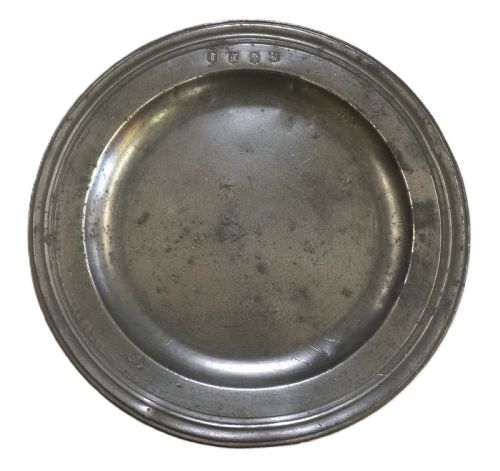
- A rim decorated with parallel raised bands or moulding lines. This profile appears frequently on seventeenth-century English examples.
- Charger
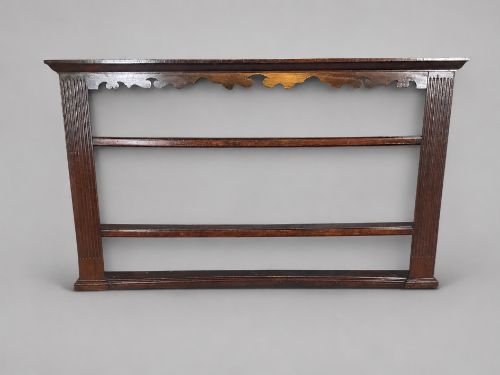
- A large decorative or serving dish usually measuring over eighteen inches across. These prominent pieces often hung on walls or dresser racks.
- Britannia metal
- A tin-based alloy introduced in the nineteenth century for mass production. It contains antimony and copper for increased hardness.
- Plain rim
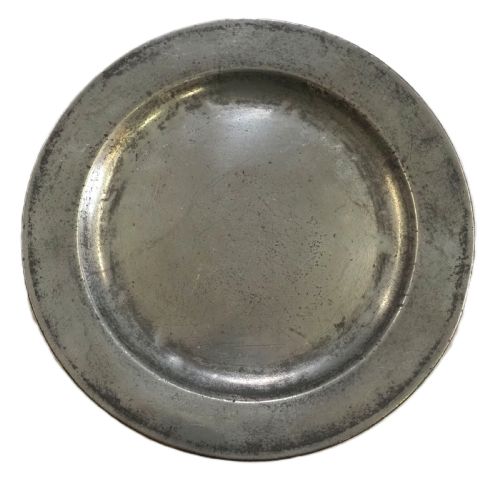
- A flat, undecorated border surrounding the central well of the plate. This style offers a clean surface that highlights the soft grey metal.
Vintage Pewter Plates: Frequently Asked Questions
How do I clean vintage pewter plates?
Wash them gently in warm soapy water using a soft cloth and dry thoroughly at once. Avoid harsh metal polishes that remove the historic dark patina accumulated over centuries.
Keep the metal away from damp environments and store them flat or securely in racks to prevent warping the soft alloy.
Are vintage pewter plates safe for food?
Older pieces often contain lead within the metal alloy and can leach into acidic foods or liquids. It is best to treat them as decorative display objects rather than functional tableware.
Display them safely on walls or dresser racks where their soft grey finish can be enjoyed without dietary risk.
How can I date an old pewter plate?
Examine the rim style and check for maker touchmarks stamped into the face or back of the metal. Seventeenth-century examples often feature multiple reeded rims, while eighteenth-century pieces commonly show plain borders.
Compare the maker marks against historical records of working pewterers to narrow down the decade of production.
How were pewter plates used historically?
Households used these durable metal dishes for daily dining before ceramic and porcelain tableware became common. Large chargers served meats at the table or displayed wealth on dresser racks.
As ceramics took over dining roles, many plates transitioned into wall decor or utility service in taverns and country homes.