



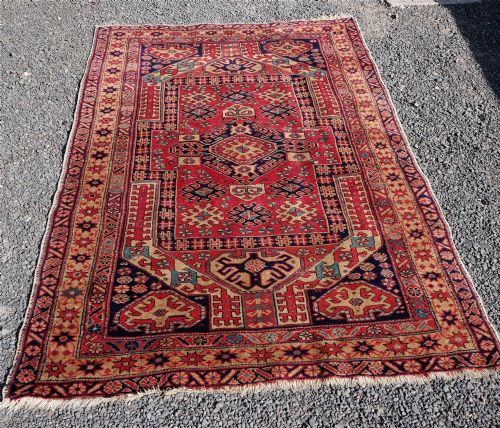
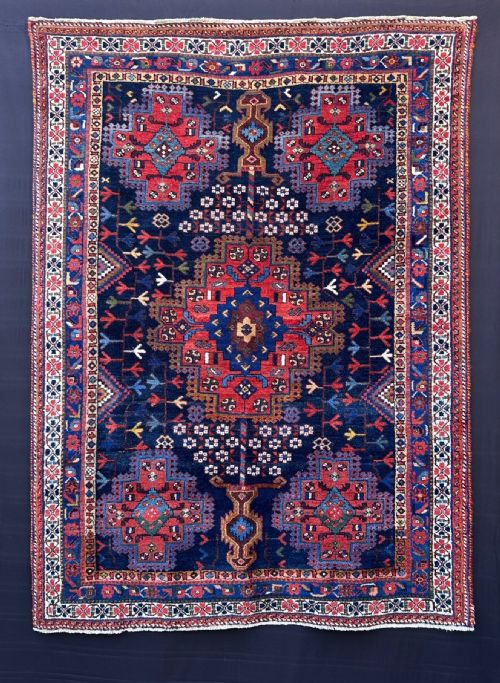
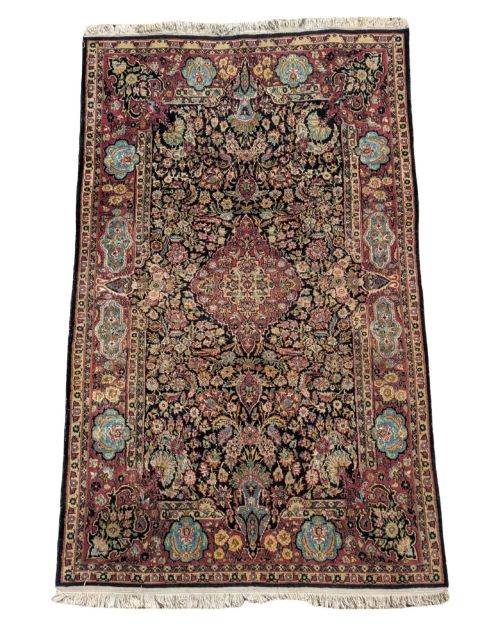
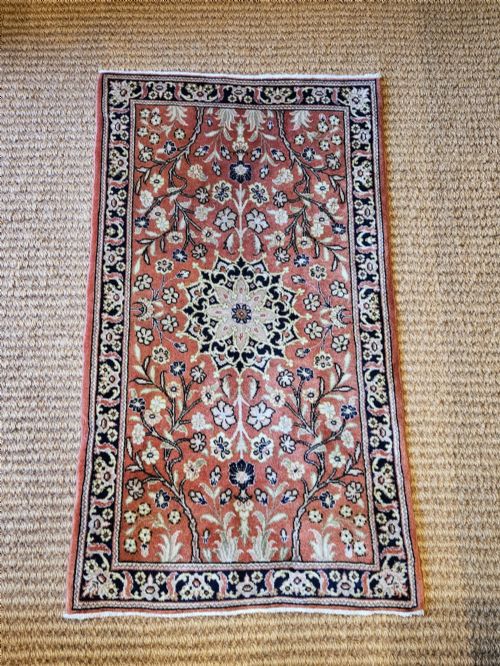
Vintage Persian Medallion Rug
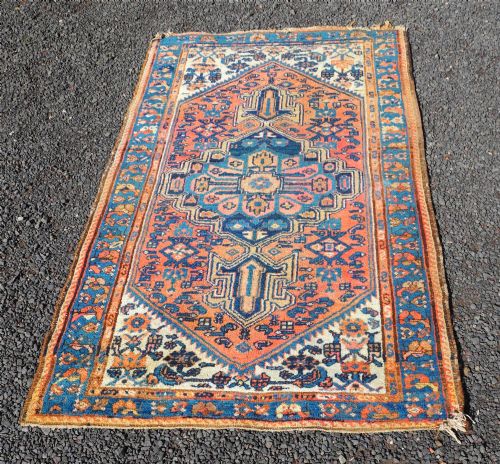
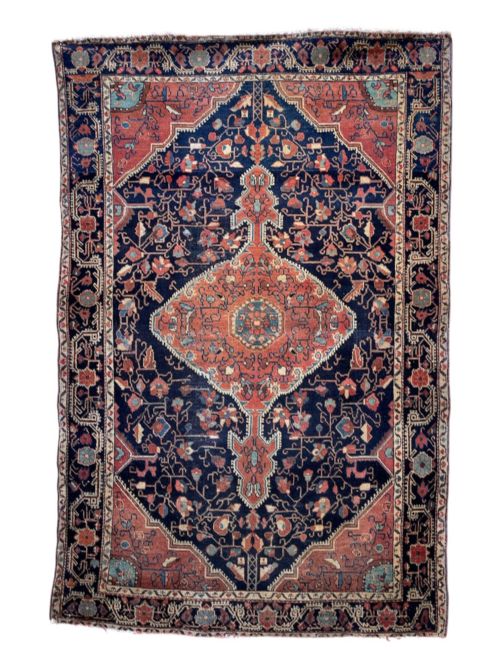
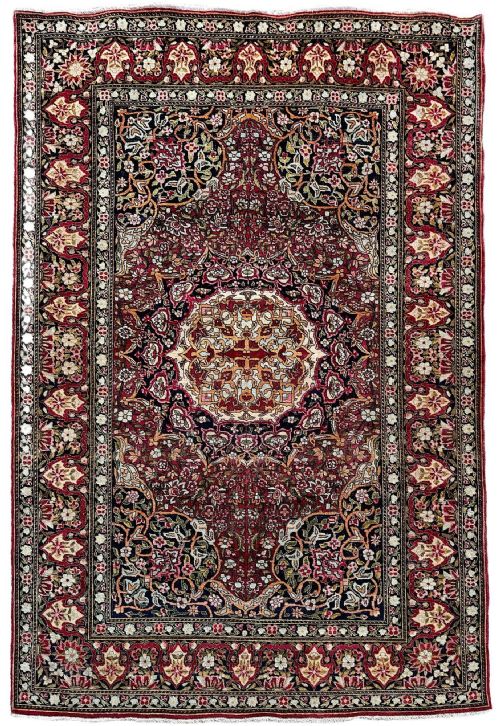
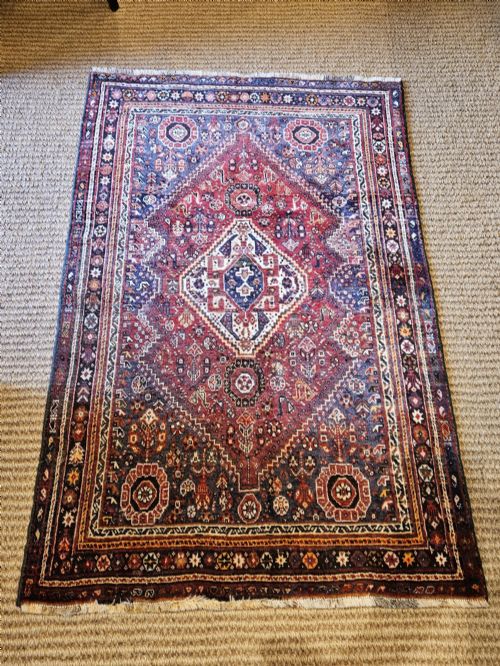
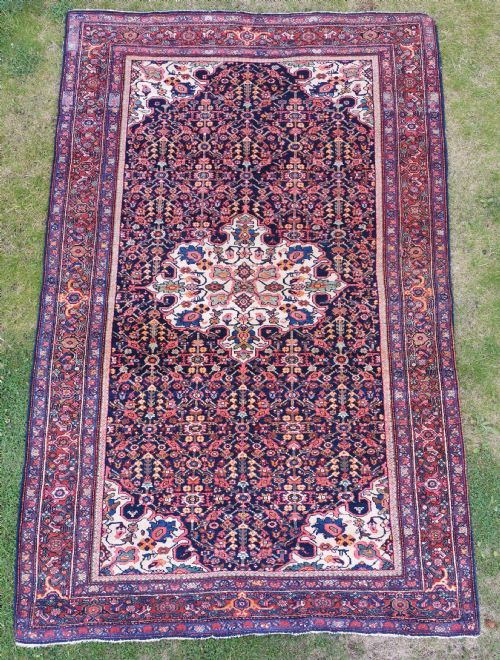
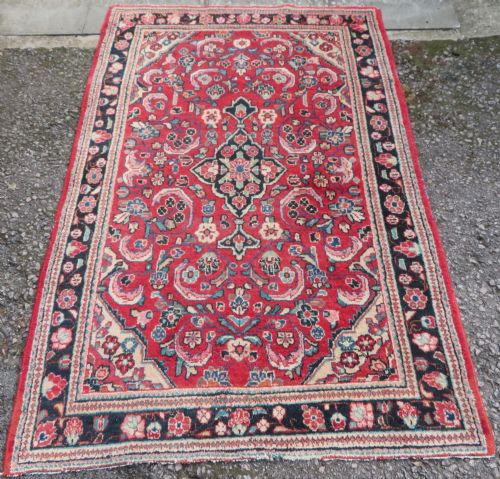
A vintage persian medallion rug grounds a room with centuries of knotting tradition, centring on a striking central motif passed down through generations of weavers.
Vintage Persian Medallion Rug
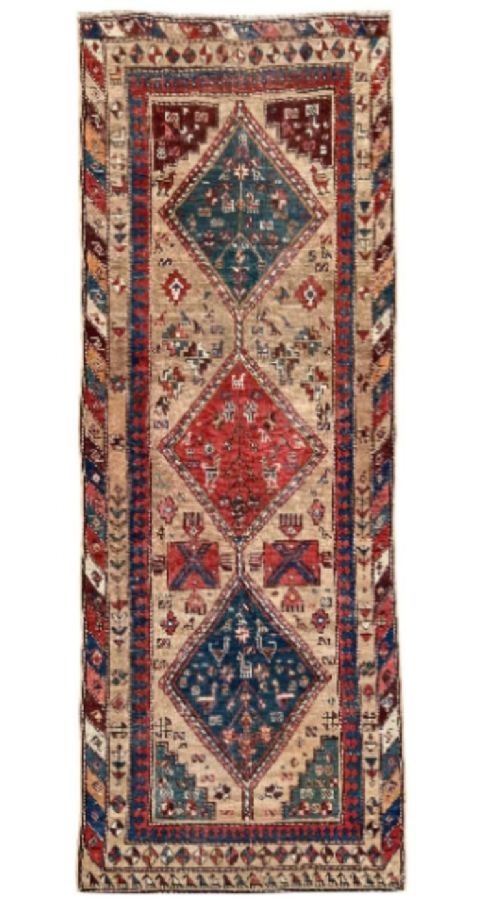
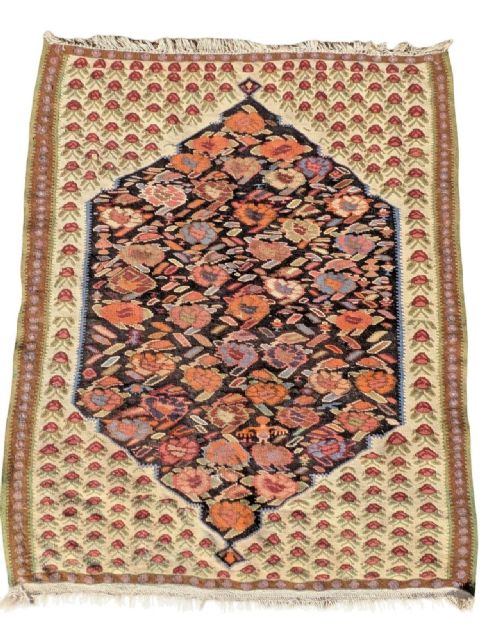
A vintage persian medallion rug brings together traditional village and city weaving traditions from across Persia, spanning the late nineteenth century into the mid-twentieth century. These pieces encompass room-sized carpets, hearth-sized formats, runners, and smaller tribal bagfaces, reflecting a rich geographic spread from Heriz and Isfahan to Hamadan and Saroukh.
The defining characteristic is the central medallion design, often accompanied by geometric or floral field patterns that mark the specific regional provenance. Buyers encounter formats ranging from compact area rugs to substantial country house carpets, each carrying the distinct aesthetic of its origin.
Materials and construction
Makers utilised durable natural fibres, predominantly wool for the pile and foundation, supplemented by cotton warps and occasionally silk highlights to accentuate intricate details. These materials were hand-knotted to create dense, hard-wearing surfaces designed to endure generations of daily use.
Weavers employed traditional techniques rooted in regional workshops and tribal camps, resulting in robust structures that maintain their integrity over decades. The interplay of wool and cotton provides both flexibility and structural stability across diverse rug formats.
Several pieces preserve the quiet domestic history of West Persia through nomadic bagfaces once carried across trade routes.
Assessing fineness and execution
Quality rests in the precision of the knotting and the clarity of the medallion design, where finer execution yields sharper geometric and floral contours. The choice of wool grade and the subtlety of the natural dye palette also dictate the depth and visual richness of the surface.
The integrity of the foundation and the balance of the border proportions distinguish superior examples from simpler village work. A well-executed piece displays harmonious transitions in colour and meticulous attention to structural edges.
The Vintage Persian Medallion Rug Glossary
- Medallion
- A central ornamental design motif placed in the middle of the rug field. It forms the primary focal point of the composition.
- Pile
- The upright yarn loops that form the soft surface of the carpet. This layer absorbs wear and displays the woven pattern.
- Warp
- The stationary longitudinal threads stretched on the loom before knotting begins. The fringe of a finished rug typically consists of these extended threads.
- Kilim
- A flat-woven carpet or rug produced without a pile. These pieces offer a lighter weight and distinct textural contrast to knotted formats.
Vintage Persian Medallion Rug: Frequently Asked Questions
How do I style a medallion rug?
Position the piece as the central focal point of a room, allowing surrounding furniture to frame the central motif without obscuring it.
Ensure the scale matches the seating arrangement or dining area so the medallion remains visible and anchors the space effectively.
Where were these rugs made?
Originating from various regions across Persia, these pieces come from distinct weaving centres and tribal areas such as Heriz, Saroukh, and Hamadan.
Each location developed specific design traits and colour combinations tied to local materials and cultural traditions.
How should I clean my rug?
Vacuum gently without using a rotating brush roll to protect the wool pile and prevent loosening the hand-knotted structure.
Entrust deeper cleaning to specialists experienced in handling antique textiles and traditional natural dyes.
What materials make up the pile?
The pile consists primarily of natural wool, chosen for its resilience and ability to take rich dye colours over decades of use.
Some finer examples incorporate silk highlights to accentuate specific details within the central medallion and border.