

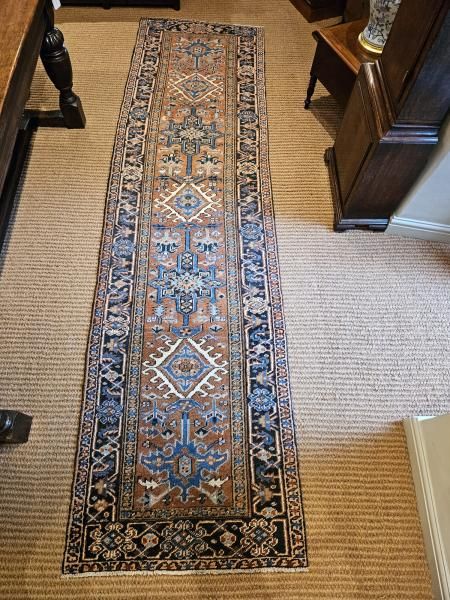
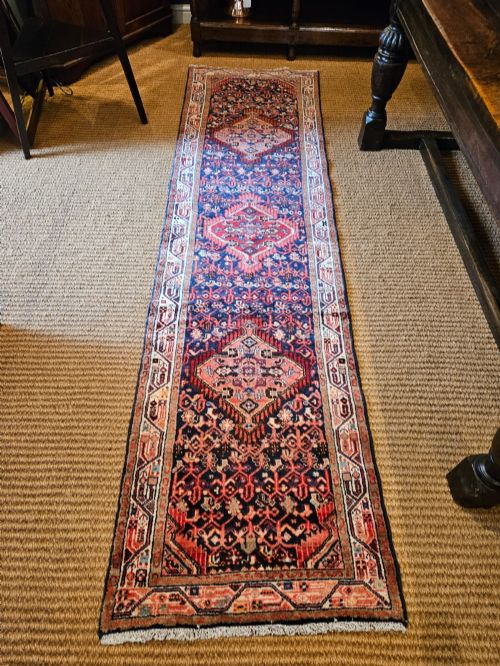
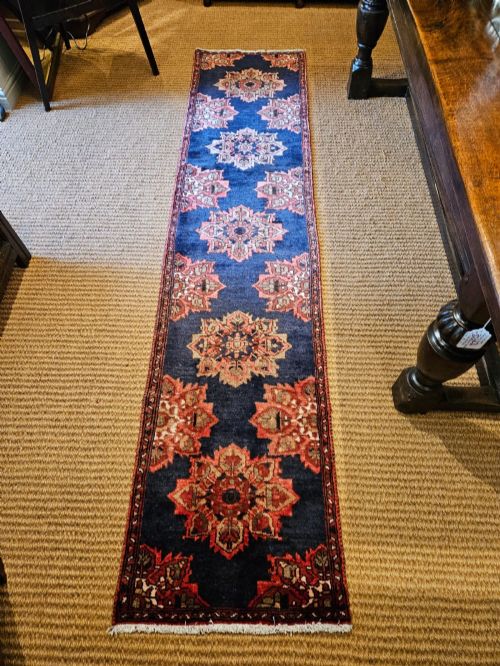
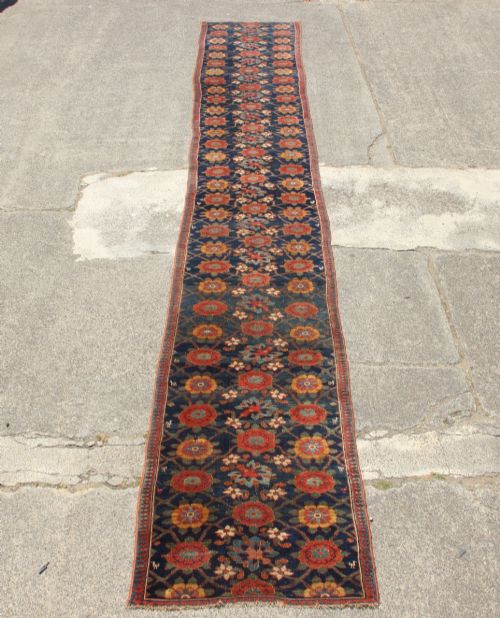

Vintage Persian Long Rug
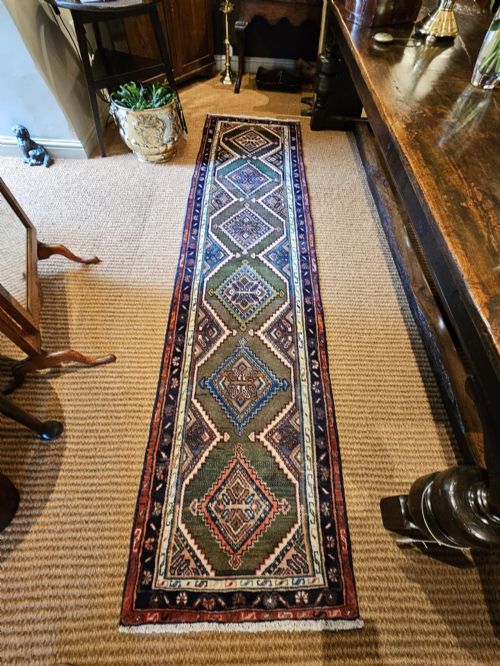
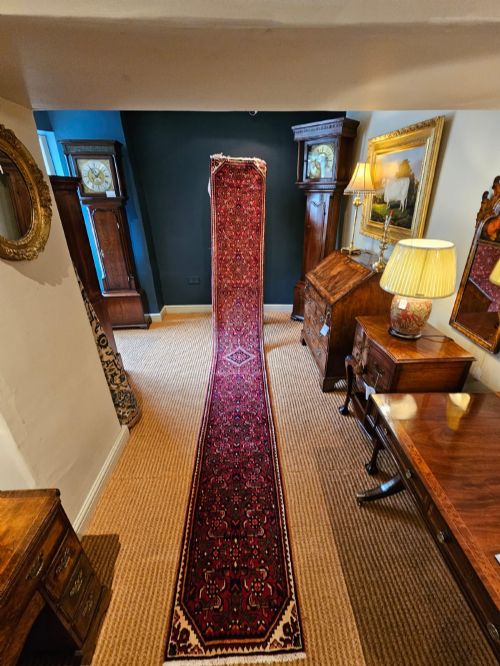
A vintage persian long rug brings warmth and linear rhythm to a narrow hallway or landing through enduring tribal artistry.
Vintage Persian Long Rug
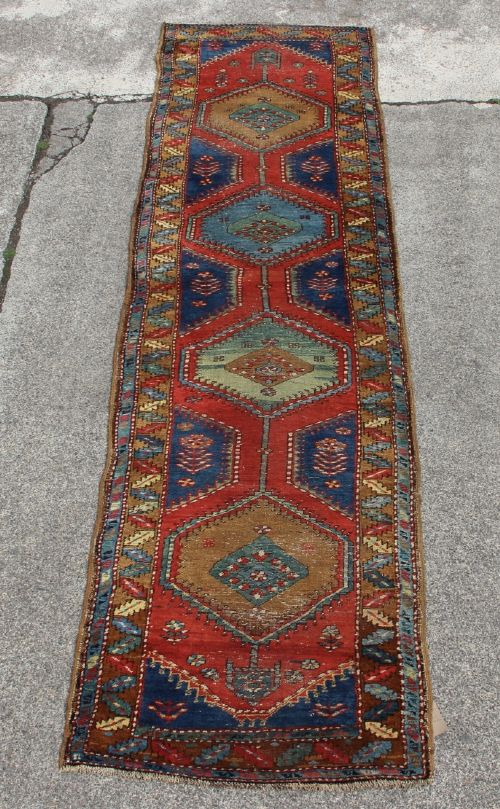
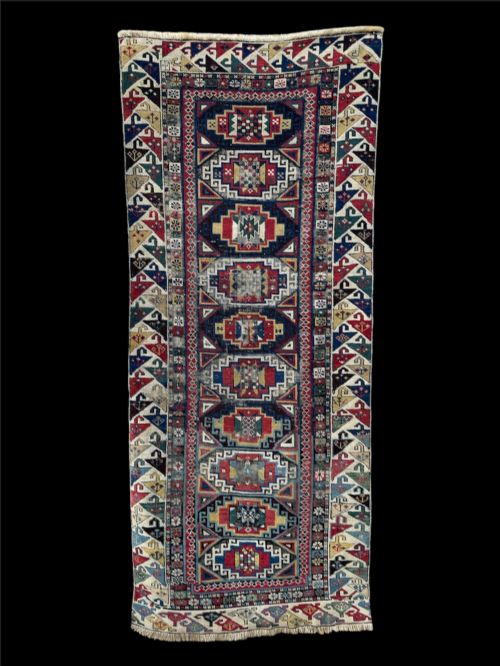
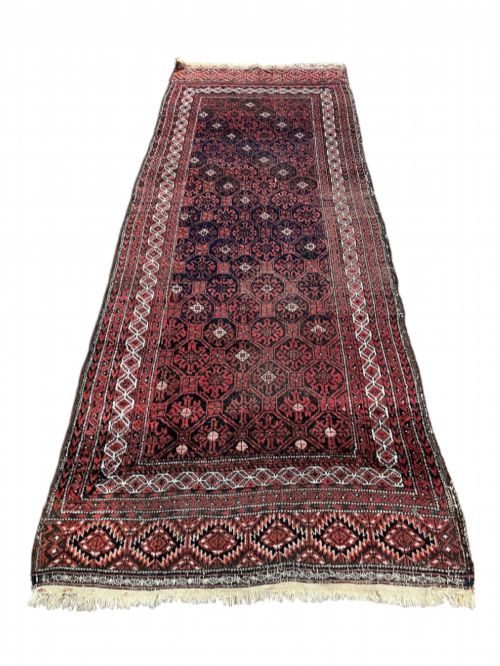
When searching for a vintage persian long rug, buyers encounter elongated formats designed for corridors, halls and staircases. These pieces originate from village workshops and nomadic camps across regions such as Heriz, Hamadan, Kurdish territories and Malayer, dating from the nineteenth and early twentieth centuries.
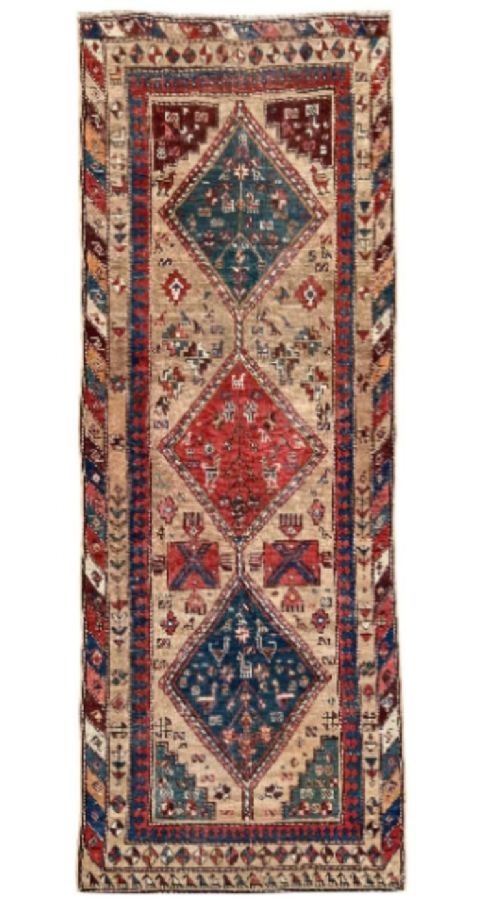
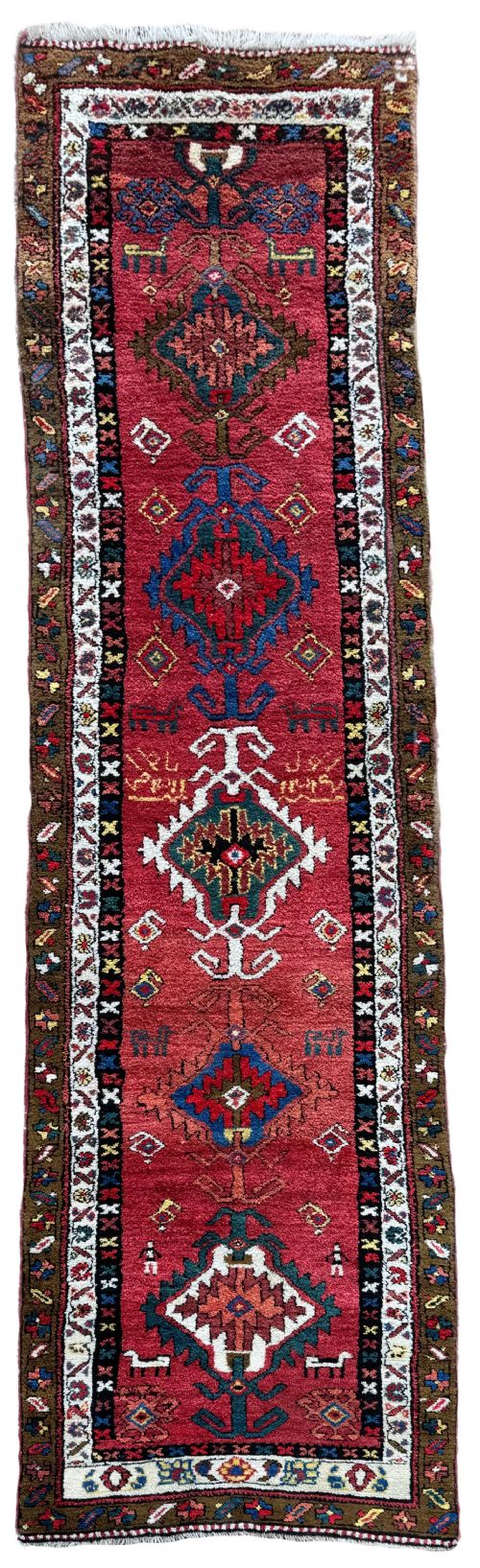
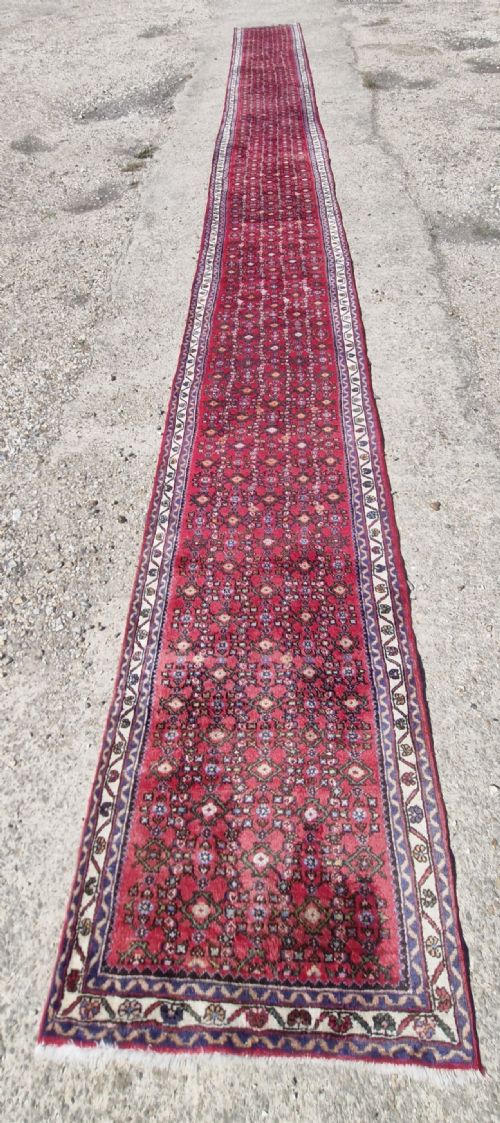
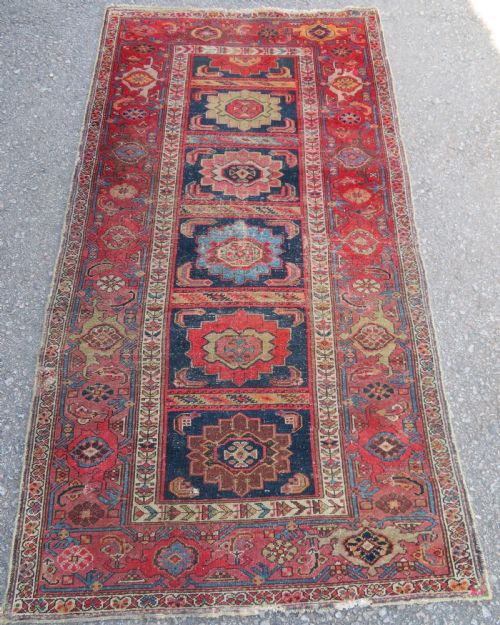
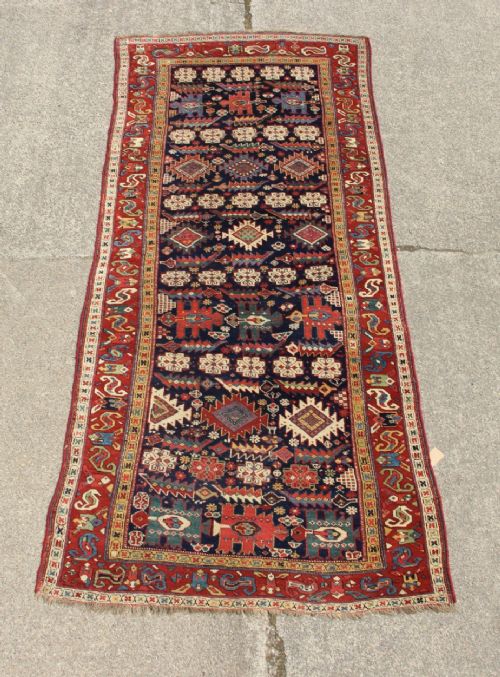
The most common formats on this page are narrow runners and long carpets spanning periods from the 1860s through to the 1930s. They combine utilitarian length with traditional tribal and geometric motifs, serving both functional passage flooring and decorative textile art.
Makers include various tribal groups and regional weavers utilising traditional designs like the Mina Khani pattern or Tree of Life motifs. Each piece reflects the specific weaving heritage of its origin, from Northwest Persian city styles to rugged Kurdish tribal expressions.
How They Were Made
These textiles rely on foundations of cotton or wool warp and weft threads, handwoven on upright or horizontal village looms. The pile is knotted predominantly in hand-spun wool, offering resilience and a soft tactile texture underfoot.
Natural dyes derived from plants and minerals provide the palette, yielding deep indigos, olives, navies and earthy reds that mellow gracefully over decades of use.
Some runners stretch to thirty-two feet, requiring considerable hallway space and exceptionally determined footsteps.
What Varies in Quality
The distinction between tiers rests upon knot density, handle flexibility and the crispness of the geometric or floral drawing. Denser knots allow intricate patterns like Mina Khani designs to remain sharp and legible along extended lengths.
Material preparation also dictates grade, with hand-spun wool providing superior lanolin retention and resilience compared to standard commercial wool. The integrity of the foundational warps and the harmonious ageing of natural dye colours further separate standard village pieces from finer tribal examples.
The Vintage Persian Long Rug Glossary
- Runner
- A long, narrow carpet format specifically proportioned for corridors, hallways and staircases. These pieces measure significantly longer than they are wide.
- Kelleh
- A rug format intermediate in proportion between a standard scatter rug and a full-sized carpet, often longer than wide.
- Warp
- The vertical threads stretched tightly on the loom that form the structural foundation of the textile. Fringe ends typically originate from these parallel strands.
- Weft
- The horizontal threads passed across the warps between rows of knots to bind the structure together. They stabilise the tension of the woven rug.
- Mina Khani
- A traditional repeating geometric pattern composed of stylised flowers linked by curving vines. This design frequently appears across Persian and Kurdish runners.
Vintage Persian Long Rug: Frequently Asked Questions
Where should I place a long rug?
These elongated formats suit narrow transitional spaces such as hallways, landings and corridors where linear floor coverings soften foot traffic.
They also work effectively alongside galley kitchens or beside large bedroom furniture to introduce texture and warmth to bare boards.
How do I care for wool pile?
Regular gentle vacuuming without a rotating brush roll prevents dust accumulation in the wool pile. Professional cleaning suited to antique textiles maintains the integrity of the natural fibres.
Using an appropriate underlay prevents slippage and reduces friction against the floorboards during daily use.
How do I identify a Kurdish piece?
Kurdish long rugs often display robust wool foundations, saturated indigo or earthy backgrounds, and bold geometric or floral motifs. Their tribal weaving structure tends to feel substantial and heavy in the hand.
These pieces reflect the distinct cultural iconography and weaving techniques of nomadic and village communities from western regions.
What does pile distressing indicate?
Wear and low pile areas typically reflect genuine age and decades of functional use in domestic hallways. This patination demonstrates the natural softening of the hand-spun wool over time.
Such character marks highlight the historical journey of the textile rather than detracting from its structural integrity.