



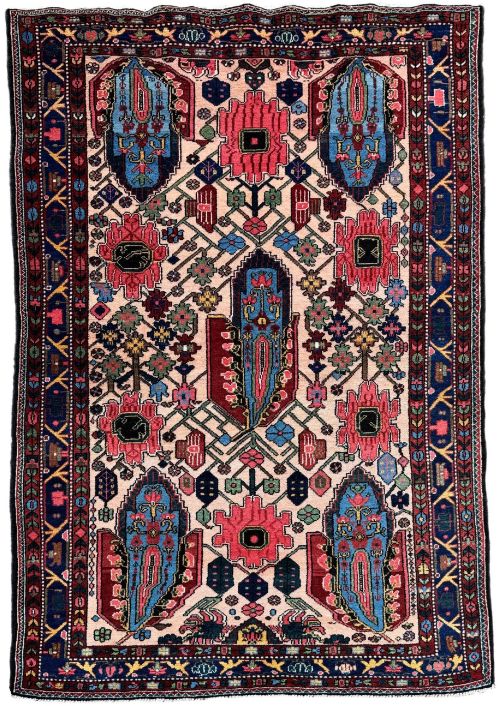

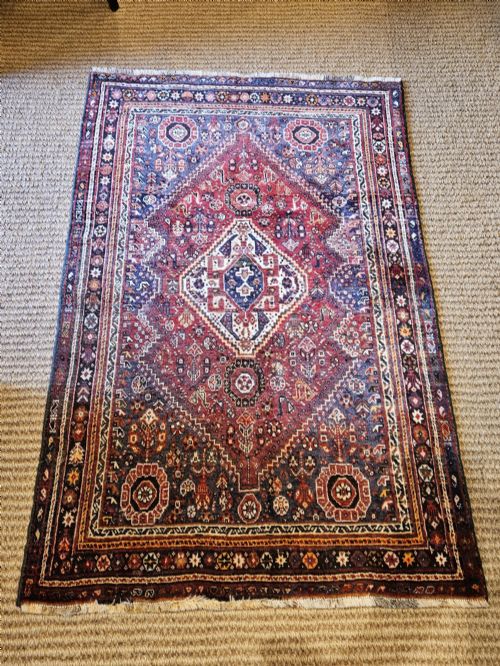
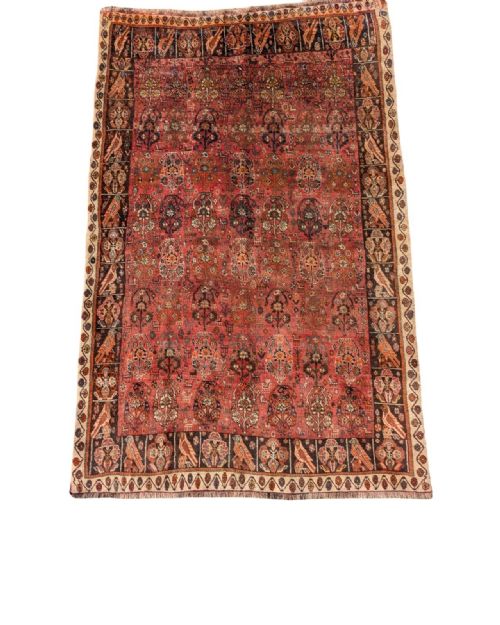
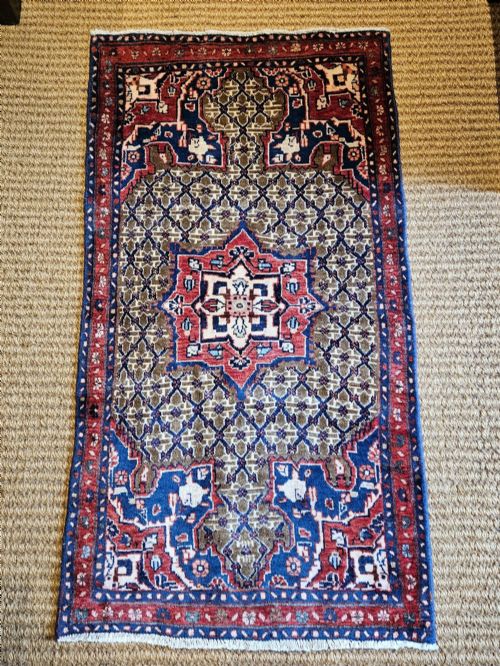
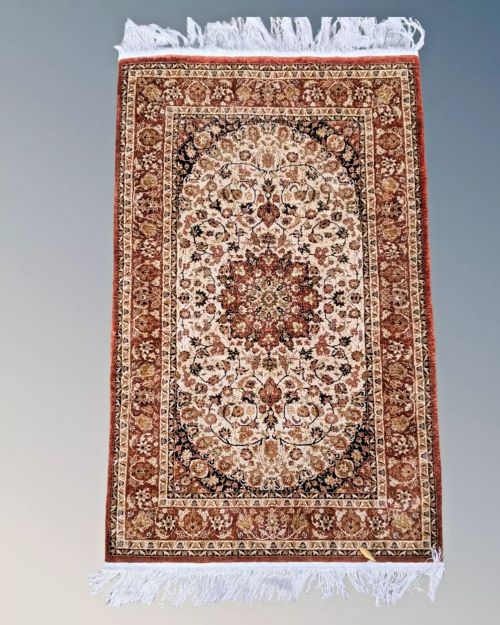
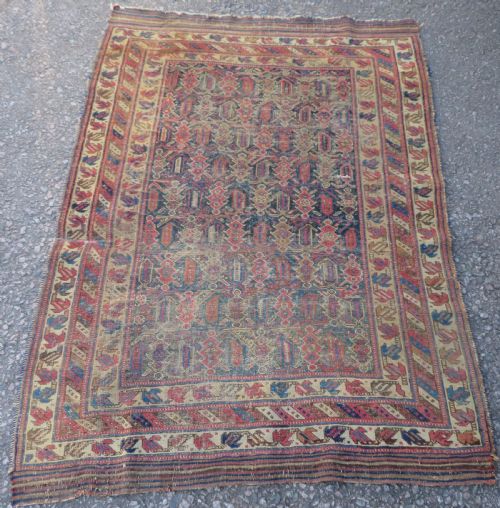
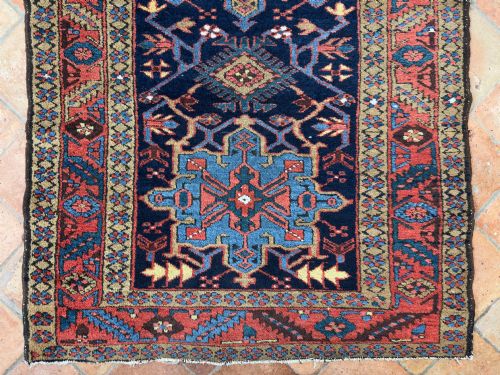
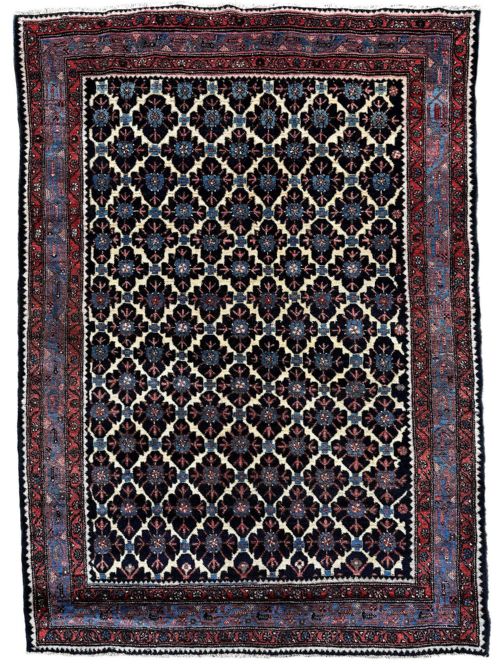
Vintage Persian Floor Runner
A vintage persian floor runner brings character and enduring textile art to long spaces, woven by hand across generations.
Vintage Persian Floor Runner
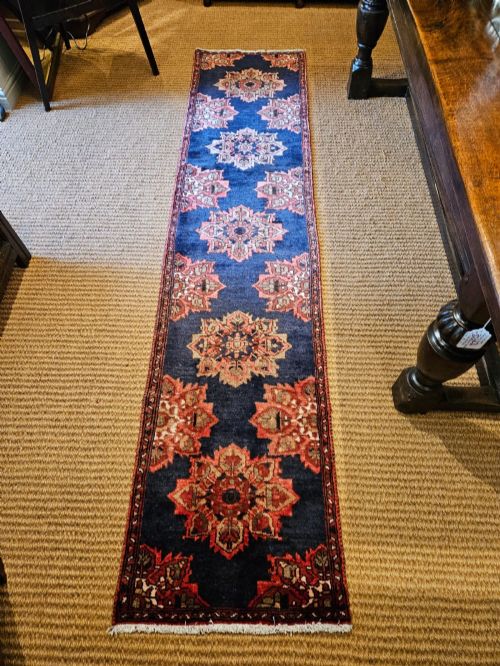
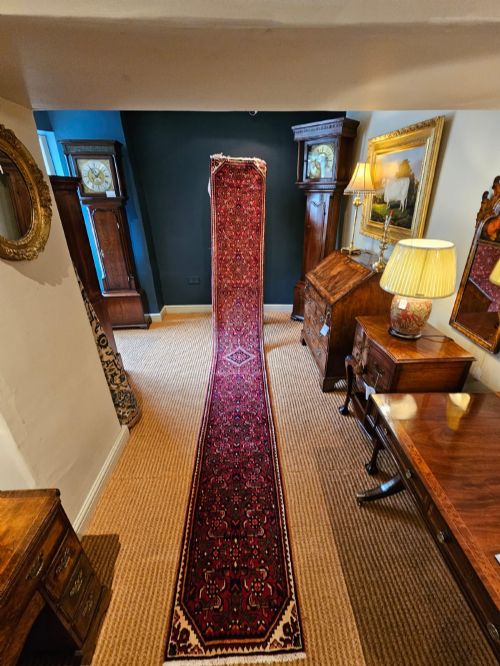
A vintage persian floor runner is a long, narrow textile designed for hallways, corridors and galleries. Buyers searching this phrase encounter floor coverings originating from various villages, towns and nomadic tribes across Persia and neighbouring regions.
The selections span the late nineteenth century through the early decades of the twentieth century. Common formats include traditional runner rugs, hallway runners and long tribal pieces created for practical domestic use.
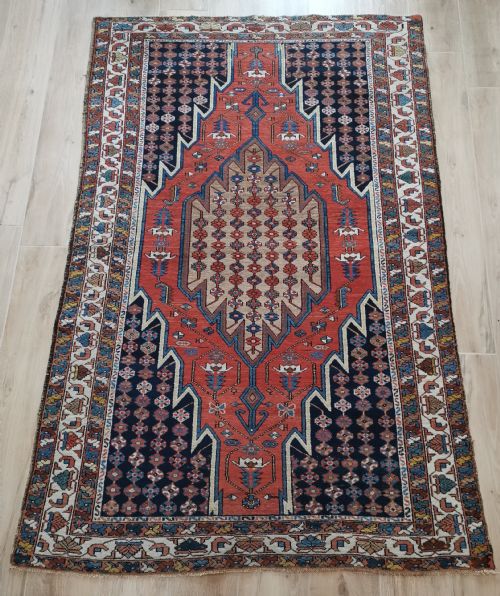
Regional types such as Heriz, Bakhtiar, Hamadan and Kashan appear frequently among the pieces. Each weaving tradition brings distinct tribal motifs, geometric medallions or floral arrangements suited to narrow interior layouts.
How they were made
These textiles rely principally on natural wool and hand-spun wool, sometimes combined with cotton foundations for stability in longer formats. Silk also appears in specific weaving traditions such as Kashmiri pieces.
Weavers knotted the pile by hand onto warp and weft threads using traditional upright looms. Natural dyes derived from plants and minerals provided the foundational palette seen across tribal and village workshops.
Certain tribal runners hide intentional small irregularities in their geometric borders, traditionally left by weavers to ward off the evil eye.
What varies in quality
Quality rests upon the fineness of the knotting and the integrity of the wool foundation. Tighter knots allow intricate geometric and floral details to remain crisp over decades of foot traffic.
The depth and permanence of the dye work distinguish superior examples. Pieces utilising well-prepared natural colourants age with greater harmony across the field and borders.
The Vintage Persian Floor Runner Glossary
- Runner
- A long, narrow carpet format specifically proportioned for corridors, staircases and hallways. This shape directs movement through domestic spaces.
- Pile
- The upright yarn loops that form the usable surface of a woven textile. Pile thickness and density vary according to tribal origin and intended function.
- Warp
- The stationary vertical threads stretched onto a loom before knotting begins. These longitudinal cords carry the structural tension of the piece.
- Weft
- The horizontal threads passed alternately over and under warp yarns to bind the knots in place. Together with the warp, they form the foundation grid.
- Knot
- The individual loops of wool or silk tied by hand around warp threads. The density of these ties defines the visual clarity of the design.
Vintage Persian Floor Runner: Frequently Asked Questions
Where should a runner go?
A vintage persian floor runner suits long hallways, narrow corridors, entryways and narrow spaces beside furniture. Their proportions guide movement through a home while protecting timber or stone flooring.
Placing these textiles in high-traffic transition areas allows the woven artistry to be enjoyed daily. Ensure the underlying floor remains dry and flat to support the textile properly.
How do I clean a runner?
Regular gentle vacuuming without a rotating brush roll removes surface grit from the wool pile. Professional textile cleaning suited for antique hand-knotted rugs is recommended for deeper maintenance.
Avoid excessive moisture and harsh chemical detergents that can weaken natural fibres and alter traditional dye colours. Prompt blotting with a clean cloth manages accidental spills.
How are different regional types told apart?
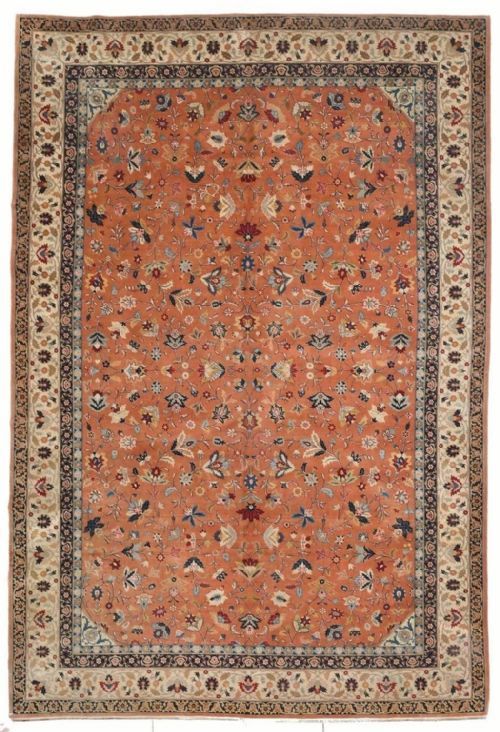
Regional identity shows through specific colour palettes, knotting structures and characteristic border designs. Village pieces like Hamadan or Heriz display geometric medallions, whereas Kashan or Tabriz styles often feature refined floral vases.
Examining the back of the textile reveals the weave tightness and foundation materials unique to particular tribal or urban workshops.
Are these runners durable enough for daily use?
Hand-spun wool and sturdy cotton foundations provide natural resilience against everyday foot traffic. Traditional nomadic and village weavings were built for demanding domestic environments.
Using an appropriate underlay prevents slipping and cushions the textile against hard flooring surfaces, extending the active lifespan of the piece.