

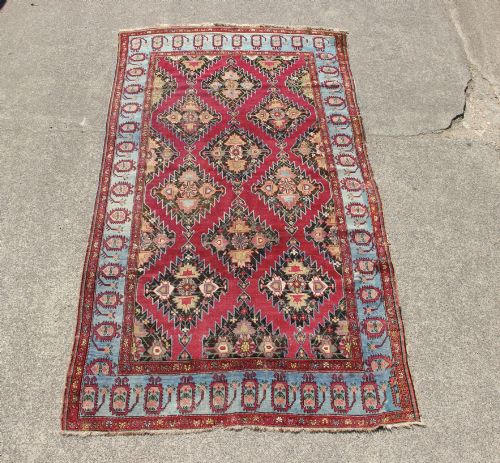
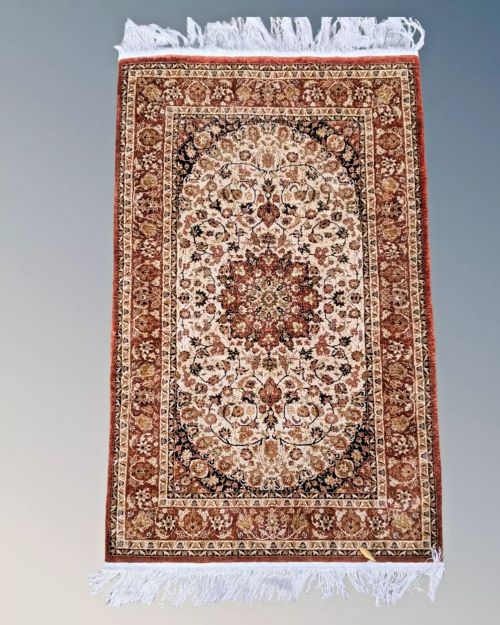

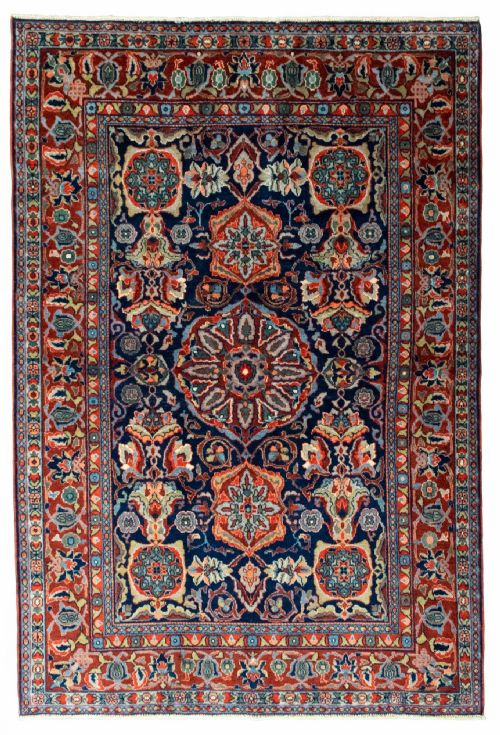


Floral Medallion Runner
A floral medallion runner brings central motifs and elongated proportions together, providing a traditional floor covering suited for corridors and narrow spaces.
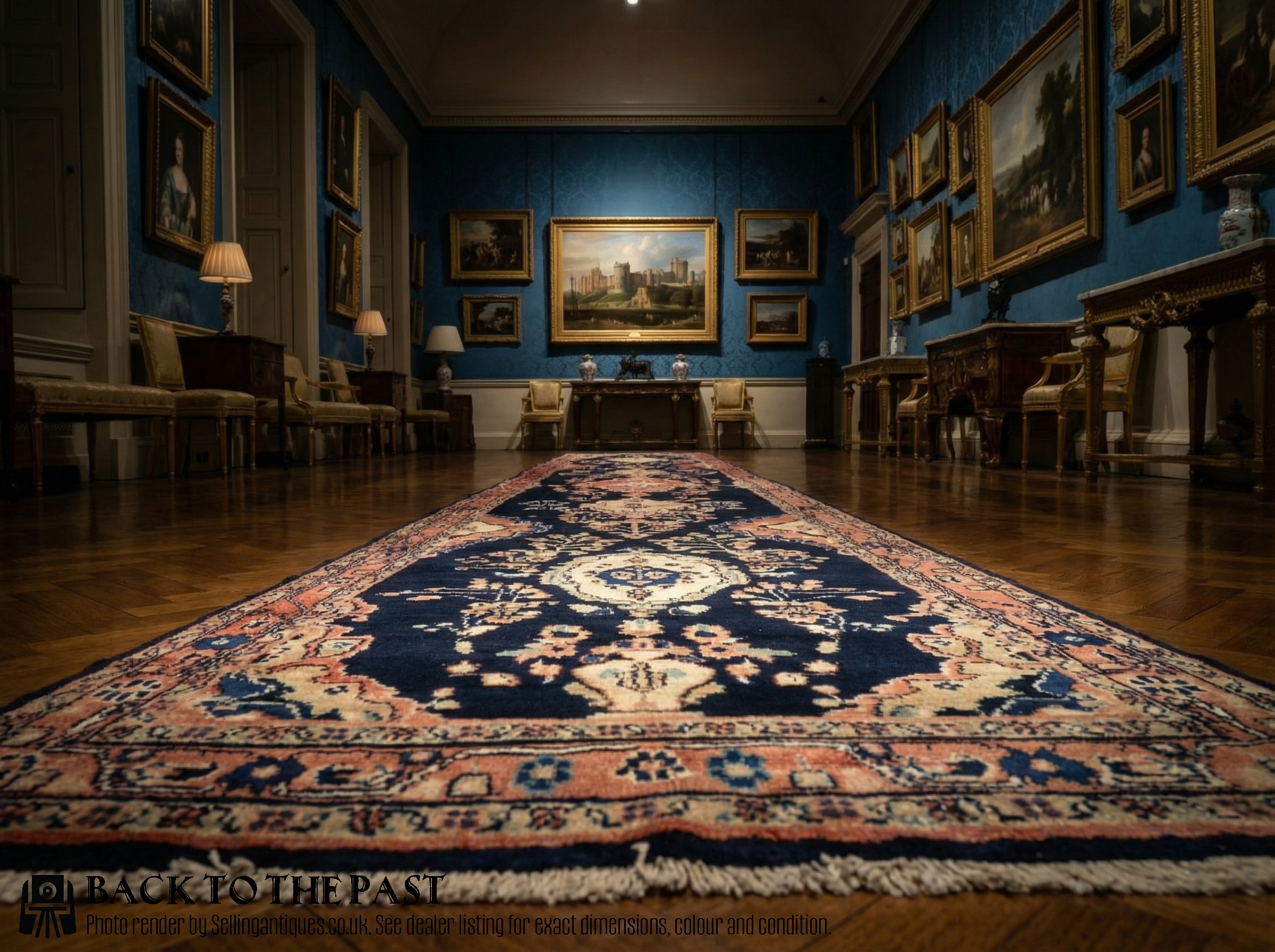
Floral Medallion Runner
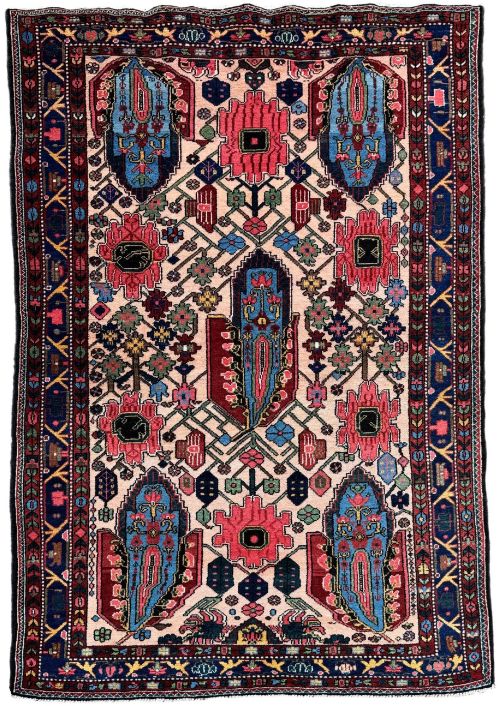
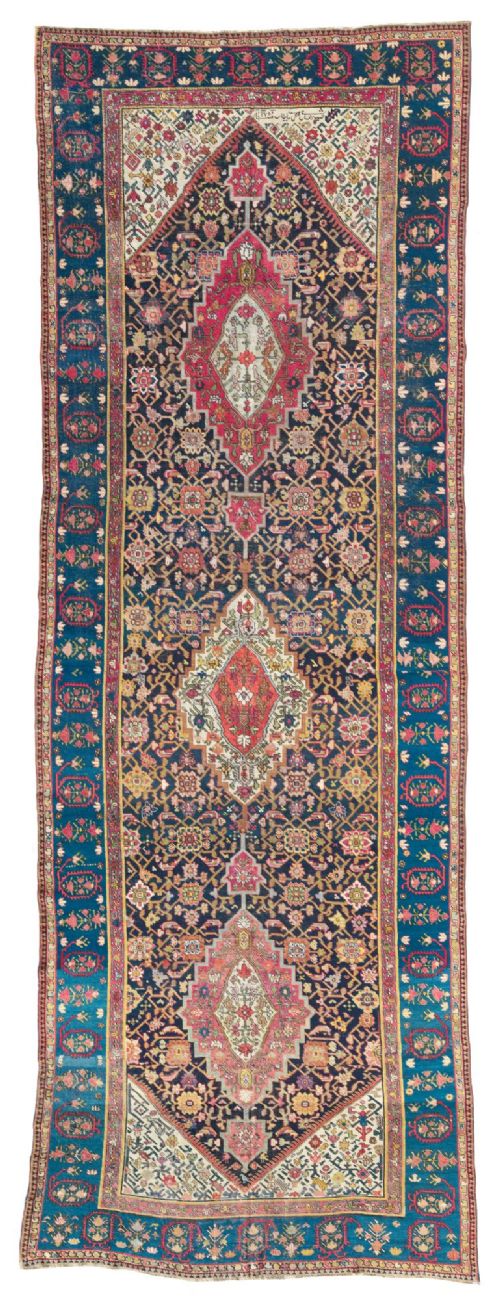
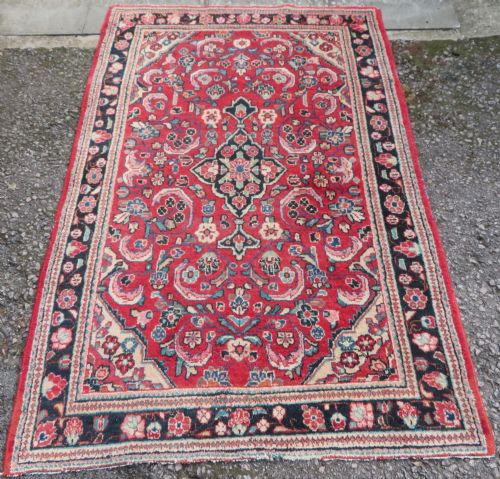
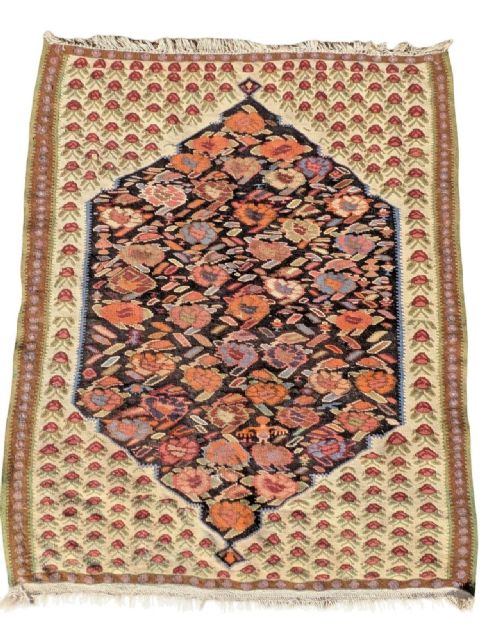
A floral medallion runner typically presents a central ornamental design set within a narrow, elongated format suited for corridors and hallways. When searching for a floral medallion runner, buyers encounter pieces originating from Persian, Caucasian, Turkish, Kashmiri, and Chinese traditions.
The selections span the nineteenth and early twentieth centuries, incorporating regional styles such as Sarouk, Tabriz, Senneh, and Heriz. These formats offer practical floor coverings designed to fit specific architectural spaces while displaying traditional motifs.
Assessing quality and execution
Quality differences emerge in the density of the weave and the refinement of the central medallion design. Finer knots and softer wool types allow for sharper botanical details and greater flexibility in the finished textile.
The choice of materials also dictates the grade, with silk highlights or premium wool variations distinguishing finer village and city productions from standard utility pieces.
The listings feature pieces spanning the nineteenth century up to 1930, utilising wool, cotton, silk, and art silk across Persian, Turkish, and Chinese origins.
Mohtasham Kashan
The Floral Medallion Runner Glossary
- Medallion
- A central ornamental motif forming the focal point of the carpet design. It usually sits symmetrically within the field.
- Runner
- A long, narrow carpet format designed primarily for hallways and corridors. Proportions emphasise length over width.
- Kilim
- A flatweave textile produced without a raised pile. This technique creates a lighter, reversible fabric.
- Kork wool
- High-grade wool gathered from the neck and shoulders of sheep. It yields a particularly soft texture used in finer weaving.
- Mercerised cotton
- Cotton treated with caustic soda to increase lustre and strength. It mimics the sheen of silk within the pattern.
Floral Medallion Runner: Frequently Asked Questions
Where should I place a runner?
These narrow formats suit hallways, corridors, and long entryways where floor space is restricted. Their elongated proportions guide movement through domestic architectural spaces.
They also function effectively beside beds or in galley kitchens, providing floor protection and comfort in high-traffic zones.
How do I identify a village rug?
Village productions typically display geometric interpretations of traditional floral motifs, woven from local materials without a pre-planned cartoon. Designs often incorporate regional colour palettes and charming irregularities.
City workshop pieces tend towards greater symmetry and finer knot counts, whereas village rugs show the direct expression of individual weavers.
What is the difference between wool and silk?
Wool provides durability, warmth, and resilience, making it the practical choice for everyday floor use. Silk and art silk introduce a reflective sheen and allow for intricate, detailed botanical drawing.
Some pieces combine wool foundations with silk highlights to emphasise specific areas of the floral design.
How do I date these textiles?
Dating relies on stylistic markers, structural analysis, and material choices associated with specific manufacturing periods. Nineteenth-century examples often feature natural dyes and looser organic geometry.
Early twentieth-century pieces incorporate refined weaving techniques and specific regional signatures recorded across Persian, Turkish, and Chinese traditions.