




Traditional Long Runner Carpet
A traditional long runner carpet brings warmth and purposeful geometry to a hallway, drawing the eye along extended interior spaces.
Traditional Long Runner Carpet
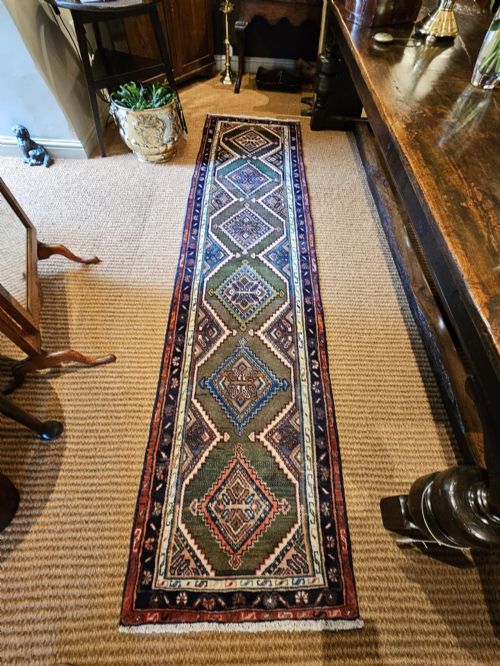
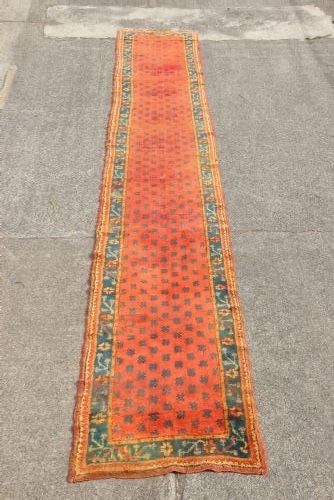
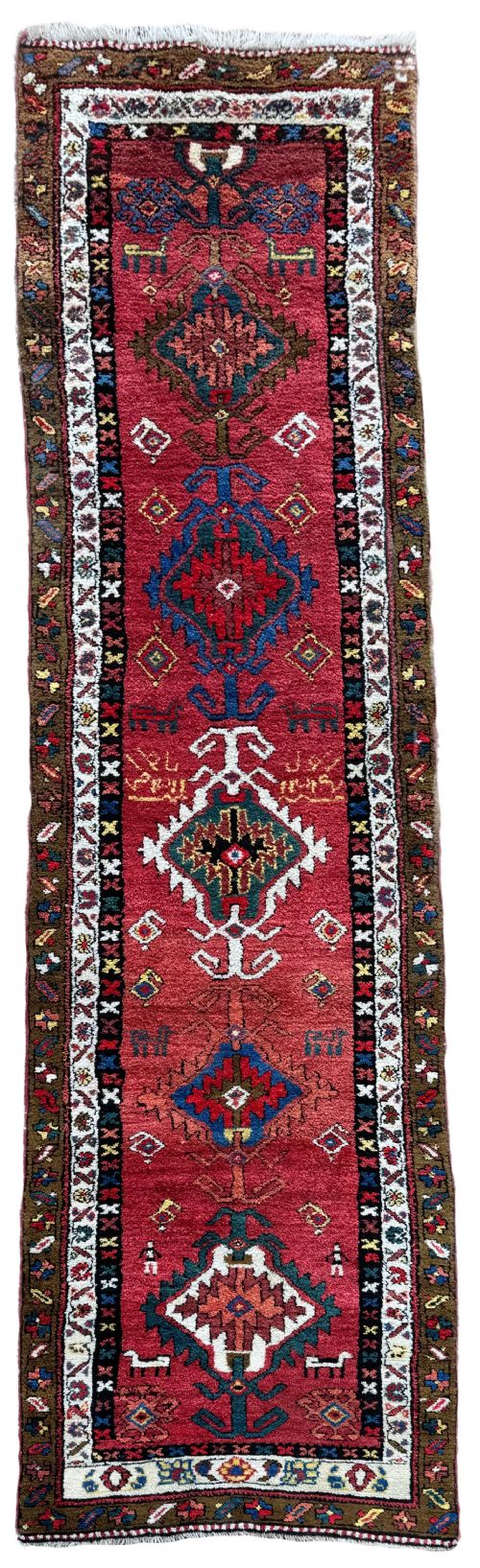
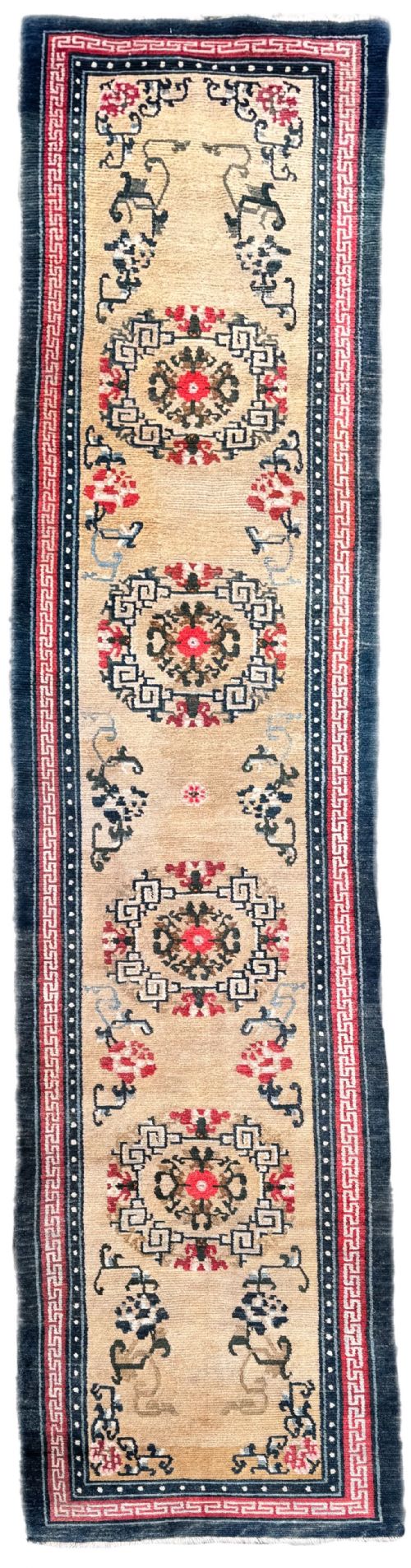
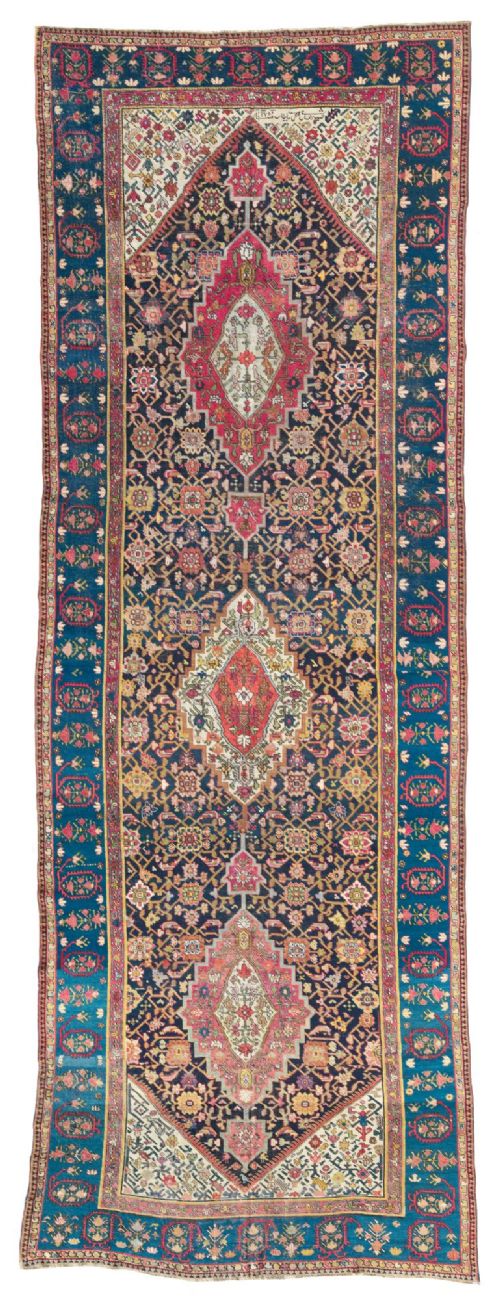
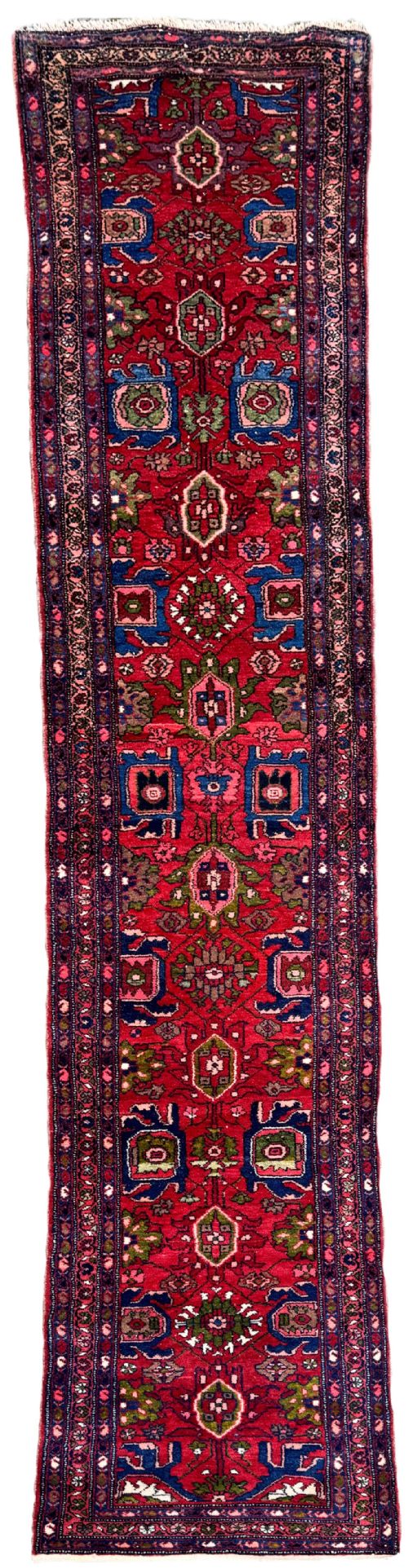
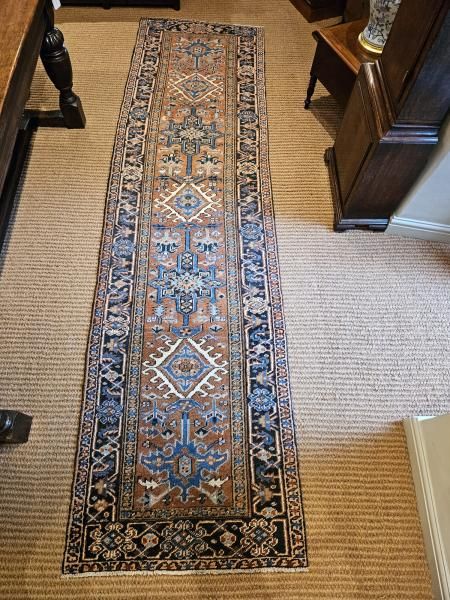
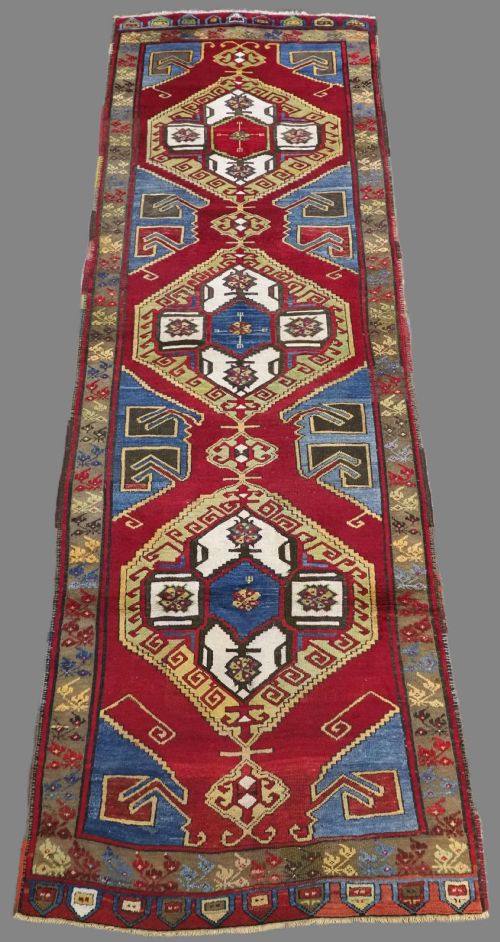
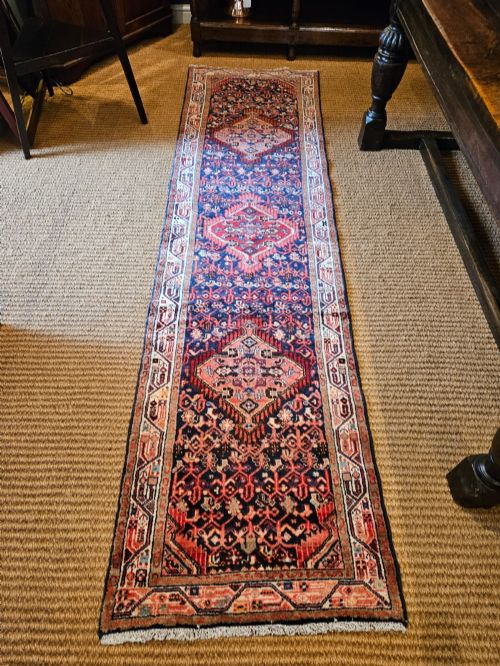
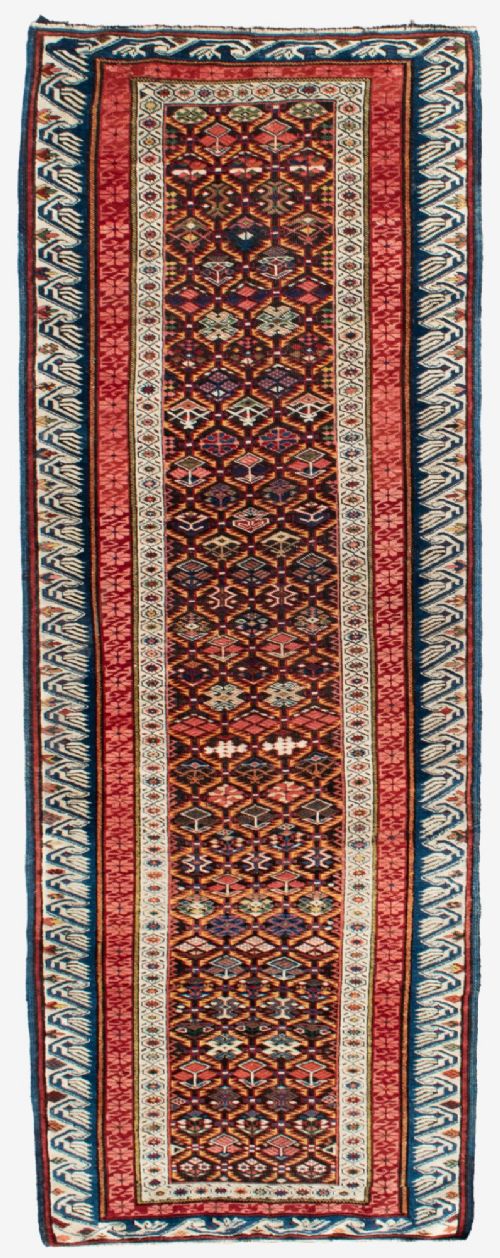
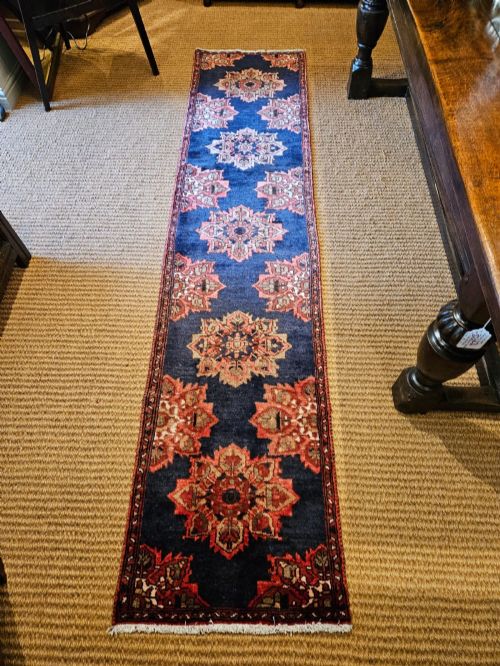
A traditional long runner carpet is a narrow, elongated floor covering designed to traverse corridors, hallways, and staircases. When searching for a traditional long runner carpet, buyers encounter pieces originating primarily from Persian, Anatolian, Caucasian, and Turkmen weaving traditions. These textiles span the late nineteenth and early twentieth centuries, capturing a period when village and tribal weavers produced robust floor coverings for domestic use.
The selections on this page lean heavily towards authentic village and tribal pieces rather than standardised factory outputs. You will find examples attributed to specific regional groups such as Kurdish, Heriz, Hamadan, and Oushak workshops. Formats range from modest lengths to exceptionally extended dimensions stretching over several metres, constructed specifically to suit narrow architectural spaces.
Construction and materials
These carpets rely on natural fibres, predominantly utilising wool for the pile and cotton for foundation warps and wefts. Many traditional pieces incorporate hand-spun wool, which imparts a variable texture and absorbs natural dyestuffs with subtle tonal shifts. The hand-weaving process employs knotted pile techniques handed down through generations of tribal and village artisans.
Dye methods of the period typically involve natural materials derived from plants and minerals, resulting in harmonious palettes of navy blue, olive green, and rich reds. The structural integrity depends on tight knot densities and durable selvedges, designed to withstand heavy foot traffic in domestic halls.
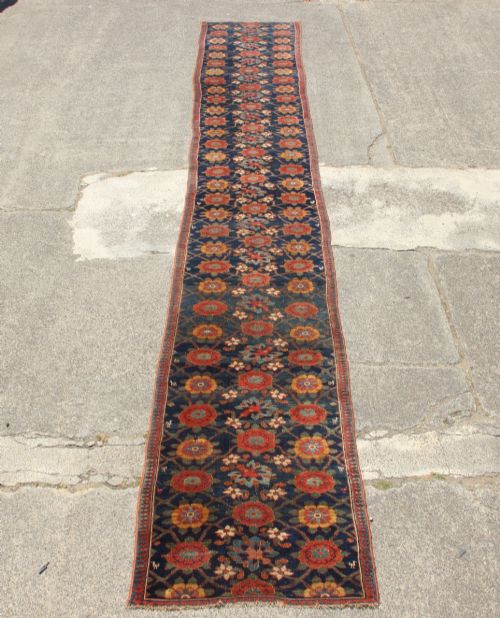
Some resilient runners stretch past thirty feet, proving that historical weavers understood the challenge of very long corridors.
Judging the standard
Quality in these floor coverings rests upon the crispness of the tribal design execution and the handling of the wool. Superior examples display tightly packed knots that secure the structure and allow geometric or floral motifs to render with precision. The choice of wool fibre dictates the tactile experience underfoot and the longevity of the pile.
Visual balance and the depth of the natural colour palette also distinguish finer pieces from simpler utility weaves. Patination accumulated over decades of gentle wear adds character, provided the foundational weave remains secure and stable.
The Traditional Long Runner Carpet Glossary
- Runner
- A long, narrow carpet format specifically proportioned for corridors, hallways, and stairs. This shape defines the spatial function of the textile.
- Pile
- The upright yarn loops or cut ends that form the soft surface of the carpet. Wool pile provides durability and insulation.
- Warp
- The vertical foundation threads stretched tightly on the loom before weaving begins. Cotton is frequently utilised for this structural element.
- Kelleh
- A large format carpet that is longer than it is wide, though typically broader than a standard corridor runner. It often serves grand reception spaces.
- Gul
- A medallion or repeating octagonal motif commonly found in tribal weaving traditions, particularly among Turkmen groups.
Traditional Long Runner Carpet: Frequently Asked Questions
Where should I place a long runner?
These narrow textiles suit transitional spaces such as long entrance halls, wide corridors, and landing galleries. Their elongated proportions guide movement through a home while protecting timber or stone flooring.
Ensure the dimensions leave a consistent margin of exposed floor around the perimeter to frame the piece correctly.
How do I clean an antique runner?
Routine maintenance requires gentle vacuuming without the rotating brush bar to protect the wool pile and delicate foundation. Professional textile cleaning is advised for deep soil removal to preserve the natural dyes.
Avoid soaking the piece or applying harsh chemical detergents that might damage the fibres.
Are these carpets suitable for heavy foot traffic?
Village and tribal weaves from the nineteenth and early twentieth centuries were engineered for daily household use. Dense wool piles and sturdy cotton foundations provide natural resilience against regular walking.
Utilising a quality underlay helps absorb impact and prevents the carpet from sliding on smooth hallway floors.
How do I identify tribal designs?
Tribal designs often feature geometric medallions, repeating hooked motifs, and stylised flora rather than formal court curves. Weavers worked from memory within established regional traditions, creating charming irregularities.
Comparing border patterns and colour combinations helps attribute pieces to specific areas like Kurdish or Caucasian workshops.